
The Role of Your Nervous System in Therapy
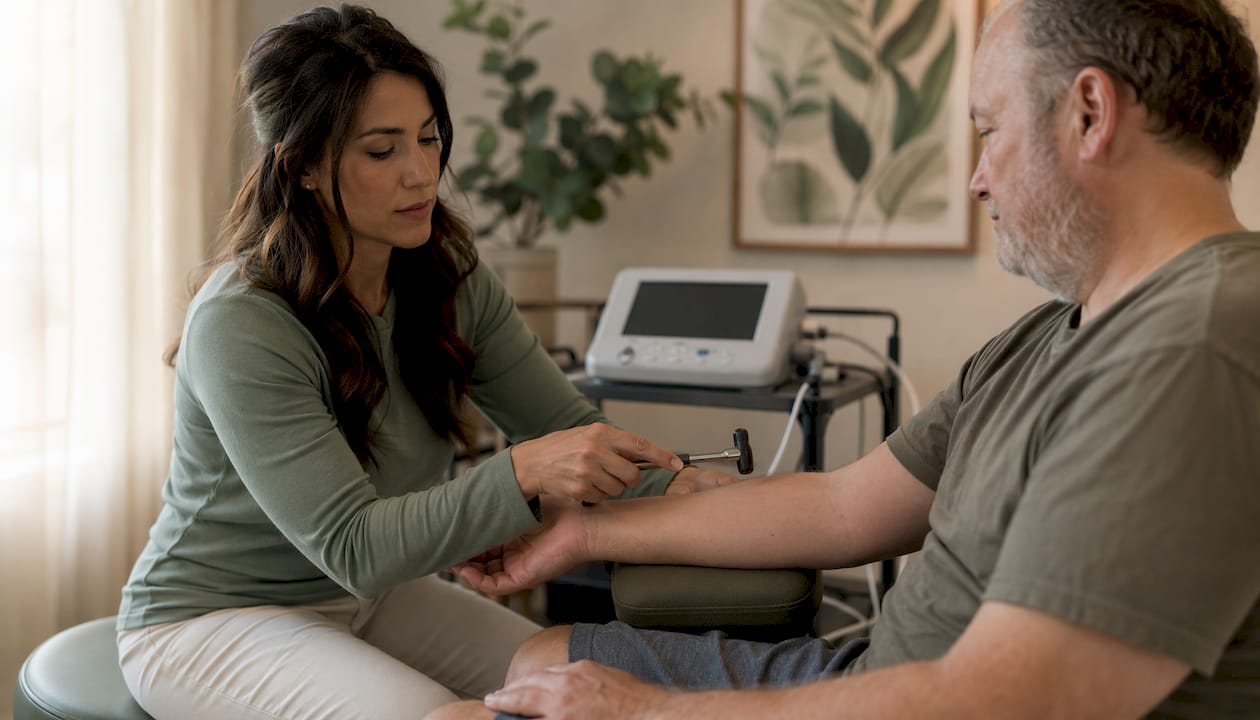
Your nervous system is the control center that therapy targets to reduce pain and restore movement. According to the Cleveland Clinic, it governs your heartbeat, breathing, digestion, voluntary movement, and your body’s fight-or-flight and rest-and-digest responses. When injury, chronic stress, or trauma throws that system off balance, pain becomes persistent, movement grows restricted, and anxiety can take hold. Polyvagal Theory offers a useful way to understand this: the vagus nerve connects your brain to your organs, and gentle breath or touch can shift your physiology toward a calmer, more healing state. Neuroplasticity, the brain’s lifelong ability to form new neural connections, is what makes that shift durable through repeated, safe therapeutic practice.
The neurobiology in therapy is clear: autonomic dysregulation from chronic stress or injury contributes to persistent pain, mood instability, and cognitive difficulty. Therapy that addresses the physiological roots, not just the symptoms, produces more lasting results. If any of the following apply to you, reaching out to a physical therapist is a reasonable next step:
Pain that limits your daily activity or sleep
Persistent numbness, tingling, or weakness in a limb
Reduced range of motion after injury or surgery
Anxiety or low mood tied to ongoing physical pain
Contemporaryrehabservices, based in Albertson, NY, serves patients across Nassau County and Queens with in-person and virtual sessions built around exactly this kind of nervous-system-informed care.
Table of Contents
Nervous-system-focused therapy at Contemporaryrehabservices
Contemporaryrehabservices offers a boutique physical therapy experience designed for patients whose pain, mobility loss, or neurological symptoms have not resolved with standard care. The clinic’s manual therapy treatments include craniosacral therapy (gentle hands-on work that calms the central nervous system), myofascial release, joint mobilization, neuromuscular re-education, and visceral therapy, all combined with individualized rehabilitation programs. Research supports this integrated model: top-down and bottom-up interventions together address both cognitive and somatic symptoms more effectively than either approach alone.
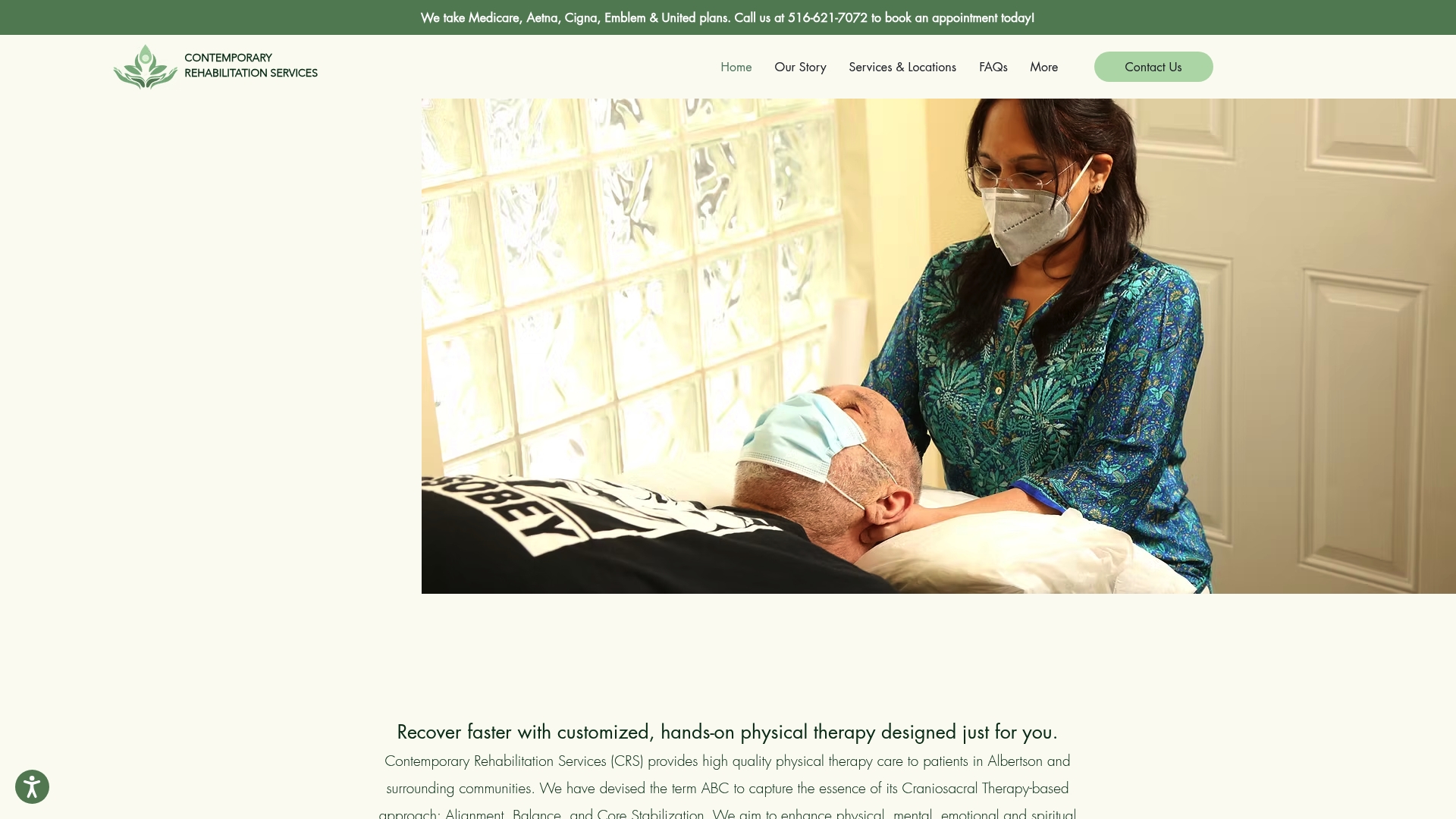
What to expect at your first visit:
A detailed intake covering your symptom history, stress history, and prior imaging
A hands-on physical assessment focused on movement patterns and tissue tension
Gentle regulation techniques such as guided breathing and soft mobilizations
A home program with simple somatic exercises to practice between sessions
A realistic timeline discussion (most patients notice meaningful change within 6–12 weeks, though individual results vary)
The impact of stress on therapy outcomes is real: when your nervous system stays in a high-threat state, body-based cues like breath and gentle touch must signal safety before higher-level rehabilitation work can take hold. That is why the therapists at Contemporaryrehabservices are trained in somatic approaches alongside traditional PT. Repeated, attuned patient-therapist interaction can biologically improve a patient’s capacity to regulate and connect over time.
Contemporaryrehabservices accepts Medicare, Aetna, Cigna, Emblem, United Healthcare, and cash payments. Verify your specific benefits before your first visit. To book in-person at the Albertson clinic or schedule a virtual session serving Queens and Nassau County, visit the services page or call the clinic directly.

Pro Tip: Bring a list of current medications and any prior MRI or X-ray reports to your first appointment. It gives your therapist a clearer picture of your nervous system history from the start.
Scope note: Contemporaryrehabservices provides rehabilitation and pain/mobility care. If you experience sudden progressive weakness, loss of bowel or bladder control, or acute severe neurological changes, contact your primary care provider or emergency services immediately.
Key Takeaways
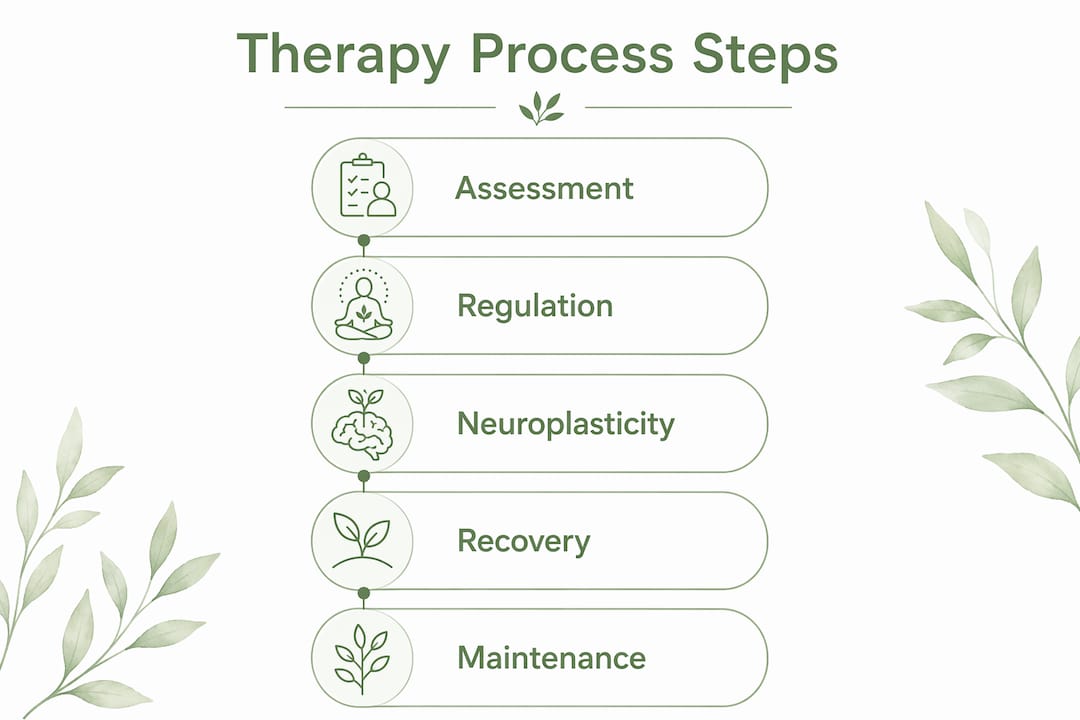
Nervous-system-informed physical and manual therapy targets autonomic dysregulation, neuroplasticity, and somatic regulation to reduce pain and restore movement in patients across Nassau County and Queens.
Point | Details |
Nervous system controls everything | Heartbeat, breathing, movement, and stress responses all depend on a regulated nervous system. |
Dysregulation drives persistent pain | Chronic stress or injury can lock the nervous system in fight-or-flight, worsening pain and mood. |
Neuroplasticity enables real change | Repeated, safe therapeutic practice rewires neural pathways for lasting improvement. |
Many patients see change within a few weeks, though timelines vary by individual | Individual results vary, but meaningful progress typically appears within that window. |
Contemporaryrehabservices offers local access | In-person and virtual sessions in Nassau County and Queens, accepting Medicare, Aetna, Cigna, Emblem, and United Healthcare. |
Recommended
Comments