
Manual Medicine Explained: What It Is and How It Helps
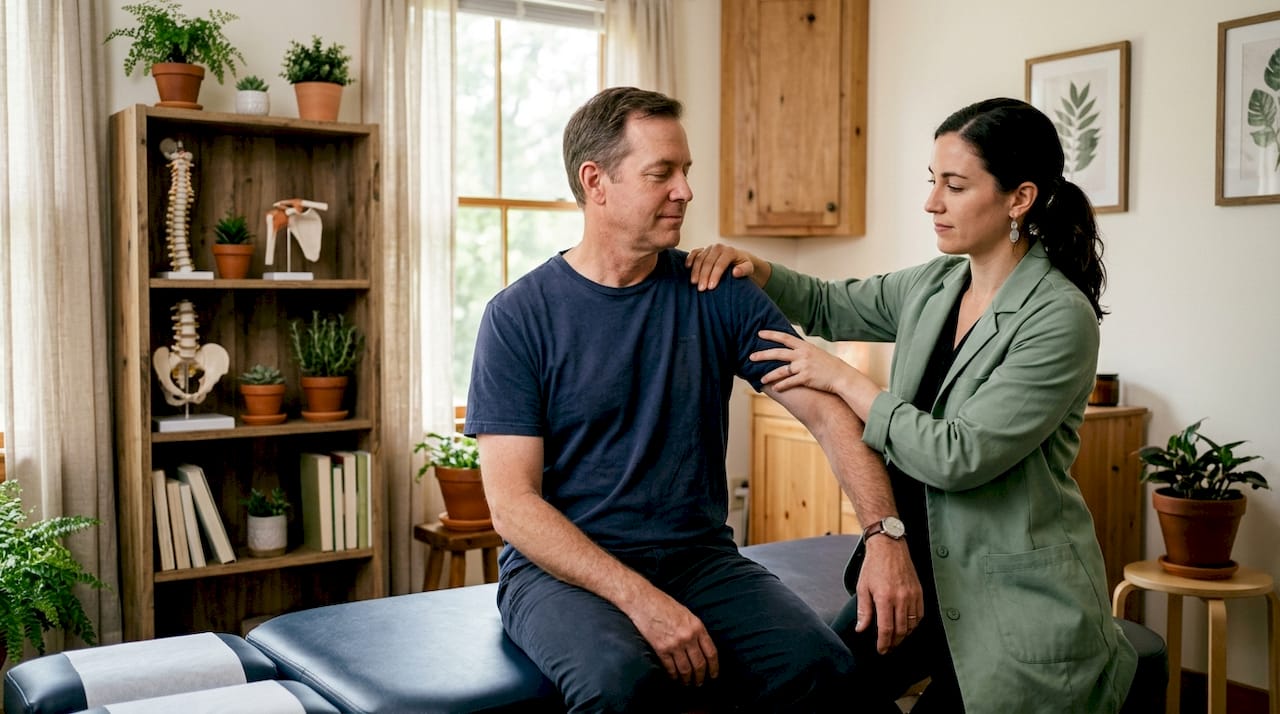
What is manual medicine, and how does it work?
Manual medicine is a hands-on medical discipline focused on diagnosing, treating, and preventing reversible functional disorders of the musculoskeletal system. It applies neurophysiological and biomechanical principles to improve tissue flexibility, joint range of motion, and overall function while reducing pain. Think of it as a targeted, clinician-guided approach where skilled hands do the diagnostic and therapeutic work.
Osteopathic Manipulative Treatment, or OMT, is one of the most recognized forms of manual medicine in the United States. Doctors of Osteopathic Medicine (DOs) use OMT as a specialized set of techniques to optimize the body’s healing potential through precise, hands-on intervention. While the terms “manual medicine,” “manual therapy,” and “OMT” often overlap in everyday conversation, they represent distinct disciplines with their own training standards and professional frameworks.
Key goals of manual medicine include:
Restoring normal joint and muscle movement
Reducing acute and chronic pain through neurophysiological pathways
Improving soft tissue extensibility and circulation
Supporting the body’s natural recovery without relying solely on medication
Who uses manual medicine, and what conditions does it treat?
Several types of licensed clinicians practice manual medicine. DOs are the primary practitioners of OMT, but physical therapists, and other trained clinicians also apply manual medicine principles within their scope of practice. Each brings a different clinical lens, but all share the goal of restoring function through skilled, hands-on care.
Conditions commonly addressed include:
Acute and chronic low back pain
Neck and shoulder pain, including cervicogenic headache
Joint stiffness from osteoarthritis or post-surgical recovery
Soft tissue dysfunction, including myofascial pain syndromes
Radicular arm pain and carpal tunnel syndrome
Plantar fasciitis and other lower extremity complaints
Manual medicine differs meaningfully from general massage therapy. Clinical manual therapy involves targeted diagnostics, specific mechanical forces, and precise technique selection to address identified dysfunctions. Massage, by contrast, focuses broadly on relaxation and circulation without the same diagnostic framework.
What techniques do manual medicine practitioners use?
Manual medicine draws on a range of techniques, each chosen based on the patient’s condition, pain level, and functional limitations. Common approaches include:
Joint mobilization: Slow, controlled movements that restore joint glide and reduce stiffness
High-velocity low-amplitude (HVLA) manipulation: A quick, precise thrust that produces the familiar “pop” sound and restores joint motion
Soft tissue mobilization: Targeted pressure applied to muscles and connective tissue to release tension and improve circulation; learn more about soft tissue techniques
Myofascial release: Sustained pressure into the fascial system to reduce restrictions; this technique often produces a “melting” sensation as tissue releases
Muscle energy techniques: The patient actively contracts specific muscles against a clinician’s resistance to reposition joints and lengthen tight tissue
The mechanisms behind these techniques include inhibiting pain signals through mechanoreceptors, triggering the release of natural painkillers, and reducing involuntary muscle guarding. Mechanical and neurophysiological effects often work together, which is why the same technique can produce both immediate pain relief and longer-term movement gains.
Pro Tip: No single technique works for every patient. A skilled clinician will combine two or three approaches within one session, adjusting based on how your tissue responds in real time.
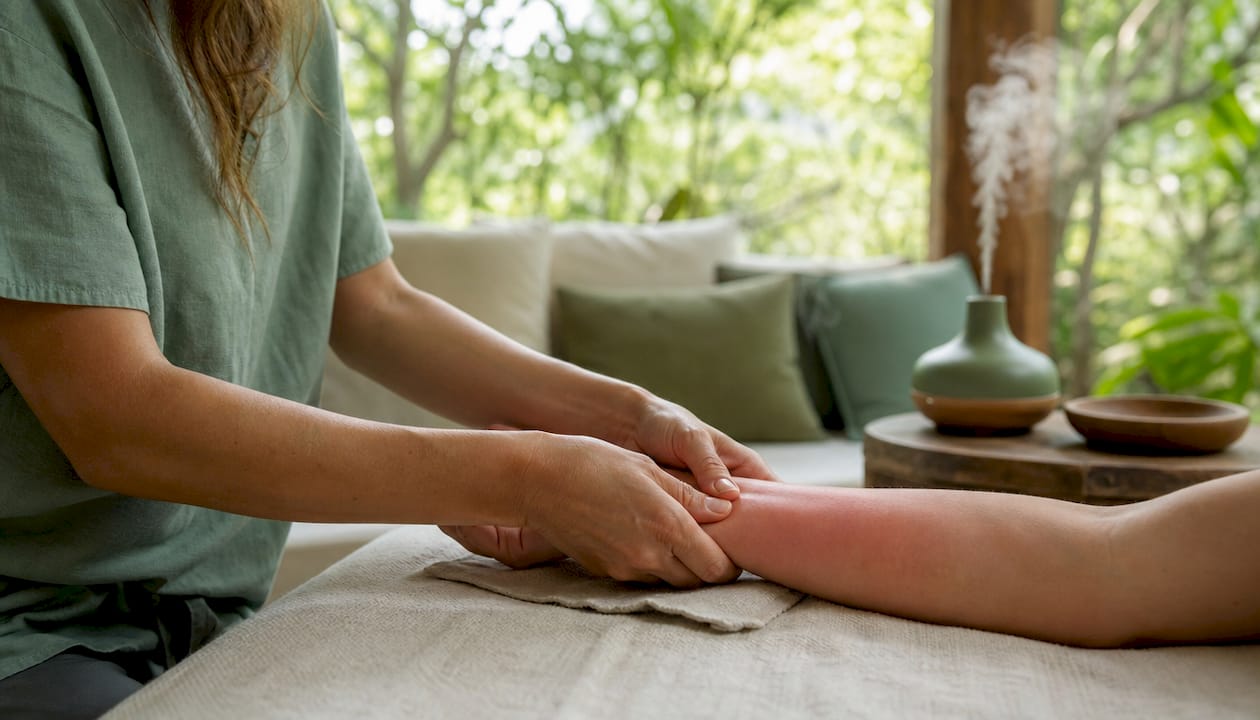
What should you expect during a manual medicine session?
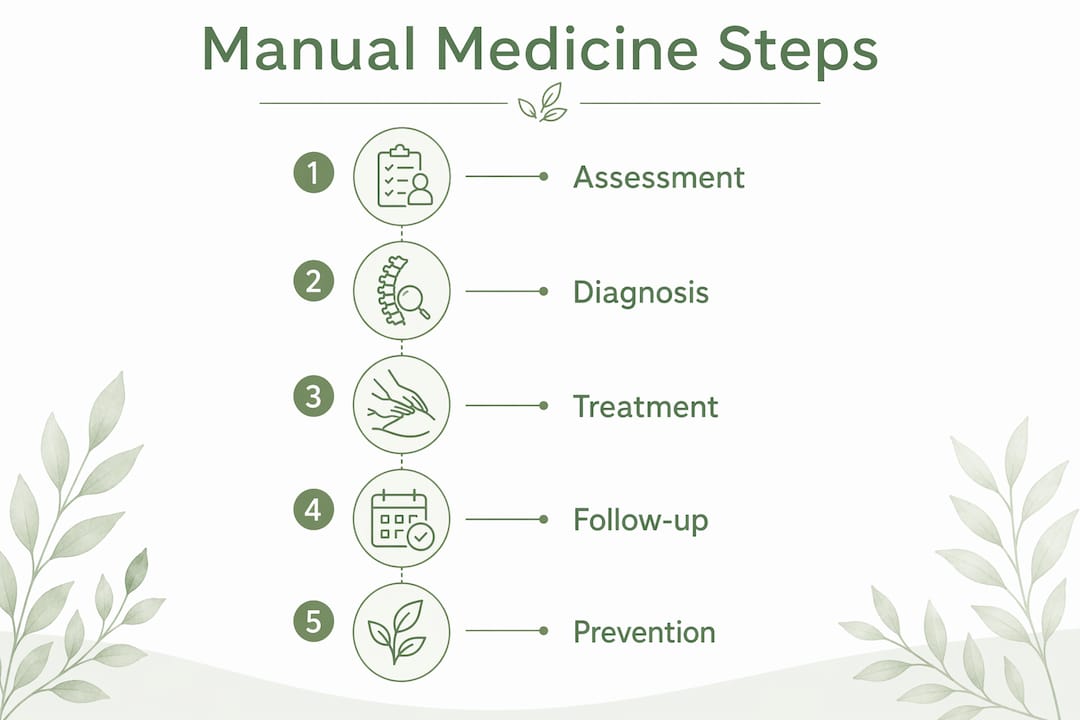
Your first session begins with a thorough assessment. The clinician evaluates posture, movement patterns, and tissue quality to identify areas of dysfunction before any hands-on work begins. This diagnostic step separates manual medicine from general wellness massage.
During treatment, you may experience:
Gentle oscillating pressure during joint mobilization
A sharp “pop” during HVLA manipulation, which is simply gas releasing from the joint capsule
A slow “melting” sensation during myofascial release, as restricted tissue gradually softens
Mild tingling during nerve-focused techniques
These sensations are normal clinical responses, not signs of injury. After treatment, the temporary pain relief window is the ideal time to perform therapeutic exercises, since your nervous system is more receptive and your muscles are less guarded.
What are the benefits and risks of manual medicine?
The benefits of manual medicine are well-supported by clinical research and include:
Measurable reduction in acute and chronic musculoskeletal pain
Improved joint mobility and range of motion
Enhanced soft tissue flexibility and circulation
Neurophysiological pain modulation that supports active exercise
Risks are generally low when treatment is delivered by a qualified practitioner. Temporary soreness lasting 24–48 hours after a session is the most common side effect. More serious adverse events are rare but possible, particularly with high-velocity manipulation near the cervical spine.
Proper screening before treatment is the most reliable safeguard. Patients with osteoporosis, active fractures, inflammatory arthritis flares, or vascular conditions affecting the neck should discuss these factors with their clinician before any manipulation is performed.
How does modern clinical practice integrate manual therapy?
Contemporary rehabilitation moves away from treating manual therapy as a standalone cure. Hands-on therapy alone is rarely sufficient for lasting recovery. The most effective approach combines manual techniques with active therapeutic exercise, patient education, and lifestyle adjustments.
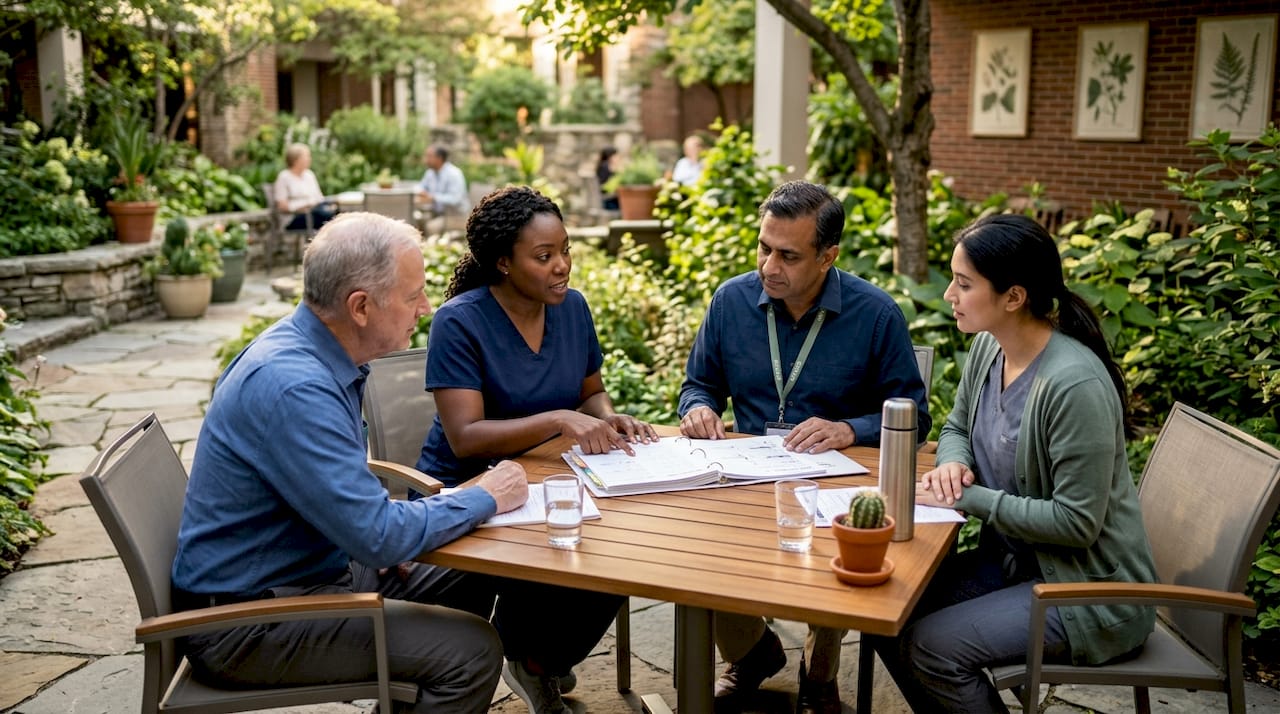
Modern practice also applies a biopsychosocial framework, meaning clinicians consider not just the physical injury but also stress, sleep, and psychological factors that influence pain. Research supports integrating manual therapy with exercise and education as the standard of care for musculoskeletal rehabilitation. For patients dealing with natural pain relief goals, this combined model consistently outperforms either approach used in isolation.
How did manual medicine develop historically?
Manual medicine has roots stretching back centuries, with bone-setters and traditional healers using hands-on manipulation long before formal medical training existed. The modern discipline took shape in the late 19th century when Andrew Taylor Still, an American physician, founded osteopathic medicine in 1874, emphasizing the body’s structural integrity as central to health. Around the same time, Daniel David Palmer developed chiropractic in 1895, focusing specifically on spinal alignment. European physicians formalized manual medicine as a distinct medical specialty through the 20th century, leading to the establishment of international bodies such as the Fédération Internationale de Médecine Manuelle (FIMM) and the European Scientific Society of Manual Medicine (ESSOMM).
How does manual medicine differ from chiropractic and physical therapy?
All three disciplines use hands-on techniques, but their scope, training, and clinical philosophy differ. DOs practicing OMT complete full medical school training, meaning they can prescribe medication, perform surgery, and manage complex medical conditions alongside manual treatment. Chiropractors focus primarily on spinal manipulation and nervous system function, with a narrower clinical scope. Physical therapists use manual therapy as one tool within a broader rehabilitation program that emphasizes exercise, movement retraining, and functional recovery.
What training do manual medicine practitioners complete?
DOs complete four years of osteopathic medical school, which includes dedicated coursework and clinical hours in OMT, followed by residency training. Physical therapists earn a Doctor of Physical Therapy (DPT) degree, a three-year graduate program, and may pursue post-graduate certification in manual therapy through organizations such as the American Academy of Orthopaedic Manual Physical Therapists (AAOMPT). Certification through AAOMPT requires advanced clinical training, written and practical examinations, and demonstrated competency in manual techniques.
When should manual medicine be avoided?
Certain conditions make manual medicine, especially high-velocity manipulation, unsafe. Absolute contraindications include:
Active bone fractures or severe osteoporosis
Spinal cord compression with neurological deficits
Active cancer affecting bone or the spine
Vascular conditions such as vertebrobasilar insufficiency
Acute inflammatory arthritis flares (e.g., rheumatoid arthritis in active flare)
Bleeding disorders or patients on anticoagulant therapy
Relative contraindications, where treatment may still be appropriate with modification, include hypermobility syndromes, pregnancy (certain techniques), and recent joint replacement. Always disclose your full medical history to your clinician before your first session.
Ready to experience manual medicine in Nassau County?
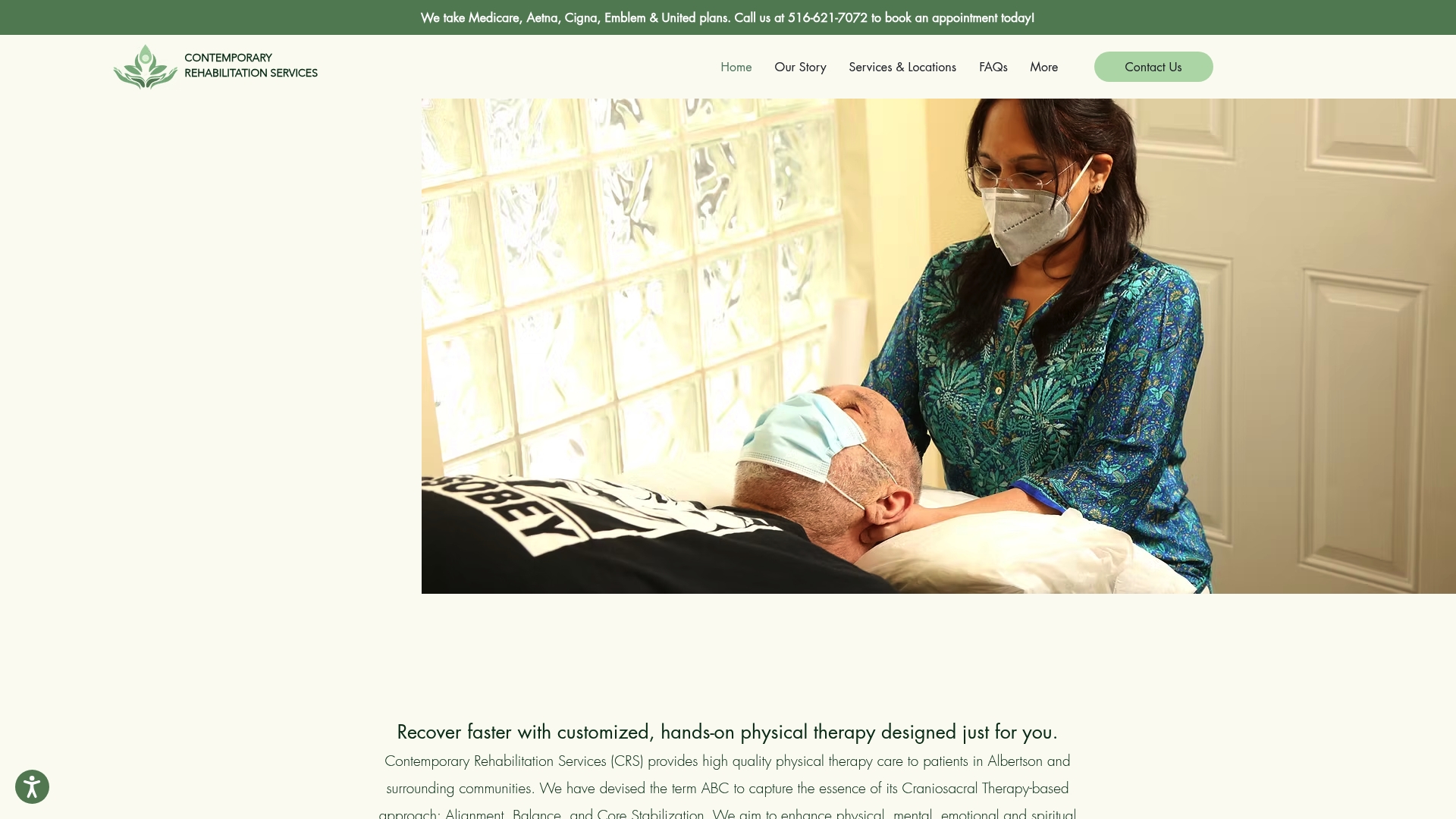
Contemporaryrehabservices brings evidence-based manual therapy to patients in Albertson, NY, serving Queens and Nassau County. The clinic accepts Medicare, Aetna, Cigna, Emblem, and United Healthcare plans, making quality care accessible without financial stress. Whether you are managing chronic back pain, recovering from an injury, or simply trying to move better, the team at Contemporaryrehabservices builds individualized treatment plans that combine hands-on care with active rehabilitation. Explore the full range of physical therapy services available, or visit the Albertson clinic page to schedule your first appointment.
Key Takeaways
Manual medicine is most effective when hands-on techniques are combined with active exercise, patient education, and a treatment plan tailored to your specific pain profile and goals.
Point | Details |
Manual medicine defined | A hands-on medical discipline targeting reversible musculoskeletal disorders using neurophysiological and biomechanical principles. |
OMT and DOs | Doctors of Osteopathic Medicine use OMT as a specialized manual medicine approach within full-scope medical practice. |
Core techniques | Joint mobilization, HVLA manipulation, soft tissue mobilization, myofascial release, and muscle energy techniques are the primary tools. |
Temporary pain relief | Hands-on therapy creates a pain relief window best used to perform therapeutic exercise for lasting recovery. |
Contraindications matter | Active fractures, spinal cord compression, vascular conditions, and active inflammatory flares require screening before any manipulation. |
Recommended
Comments