
How to Book Therapy in Queens: A Clear Guide
- tjdontplay
- Jul 9
- 8 min read

Booking therapy in Queens is the process of selecting a licensed mental health or physical therapy provider, verifying your insurance, and scheduling your first appointment through an in-person or telehealth format. The therapy booking process in Queens covers a wide range of services, from cognitive behavioral therapy (CBT) and EMDR to physical rehabilitation, all governed by HIPAA compliance standards and New York State licensing requirements. Typical therapy sessions last 45–60 minutes, including an initial clinical intake that covers your safety, goals, and personal history. That intake is not just paperwork. It sets the entire direction of your care.
How to book therapy in Queens: what you need to know first
Queens offers one of the most diverse therapy markets in New York. Mental health providers, physical therapists, and specialty clinics serve neighborhoods from Astoria to Jamaica, and most providers offer both in-person and HIPAA-compliant telehealth sessions for flexibility. That flexibility matters because your schedule, mobility, and comfort level all affect whether you actually show up and benefit from care.
The two main therapy categories you will encounter are mental health therapy and physical therapy. Mental health therapy addresses emotional, psychological, and behavioral concerns. Physical therapy addresses movement, pain, injury recovery, and physical function. Both require a licensed provider, both involve an intake process, and both can be covered by major insurance plans depending on your policy.
Understanding which type of therapy you need is the first decision in the booking process. If you are unsure, your primary care physician can refer you to the right specialist. That referral also helps with insurance authorization in many cases.

Mental health therapy types available in Queens
Queens therapists offer individual therapy, couples therapy, family therapy, and group sessions. Common clinical modalities include:
Cognitive Behavioral Therapy (CBT): Focuses on changing thought patterns that drive negative behavior
Dialectical Behavior Therapy (DBT): Builds emotional regulation and distress tolerance skills
EMDR (Eye Movement Desensitization and Reprocessing): Processes traumatic memories through guided eye movements
Psychodynamic therapy: Explores how past experiences shape present behavior
Couples therapy: Couples often start with weekly sessions and shift to biweekly as progress stabilizes
Pro Tip: If you are new to therapy, CBT is one of the most researched and widely available modalities in Queens. Ask any prospective therapist whether they practice it before your first session.
Physical therapy formats and specialties
Physical therapy in Queens covers orthopedic rehabilitation, post-surgical recovery, sports injury treatment, balance and fall prevention, and chronic pain management. Sessions are typically hands-on and structured around a clinical treatment plan developed during your intake evaluation. Contemporaryrehabservices, a boutique physical therapy clinic serving Queens and Nassau County, offers specialized programs for these exact needs.
What do you need before booking your therapy appointment?
Preparation before your first call or online booking saves time and reduces stress. Gathering the right documents and thinking through your goals means your intake clinician can build an accurate treatment plan from day one.
The standard prerequisites for booking therapy in Queens include:
Photo ID: A government-issued ID is required at most practices for identity verification
Insurance card: Bring both your primary and secondary insurance cards if applicable
Referral letter: Required by some insurance plans, especially for physical therapy
Emergency contact information: Standard for all new patient intake forms
List of current medications: Relevant for both mental health and physical therapy providers
Preparing three specific therapy goals before your intake visit helps clinicians develop an accurate treatment plan more quickly. Your goals do not need to be clinical or perfectly worded. Simple statements like “I want to manage anxiety at work” or “I want to walk without knee pain” give your provider a clear starting point.
Language preference is another factor worth addressing before you book. Therapists in Queens offer services in multiple languages, including Spanish, Chinese, and Greek. Matching your therapist’s language capability to your own improves communication and therapeutic outcomes significantly.
Insurance verification is the step most people skip and later regret. Verify your accepted insurance plan with the therapist before scheduling to avoid unexpected out-of-pocket costs. If you are uninsured or underinsured, ask about sliding scale fees or private pay rates. Many Queens practices offer both options.
Step-by-step: how to schedule therapy in Queens
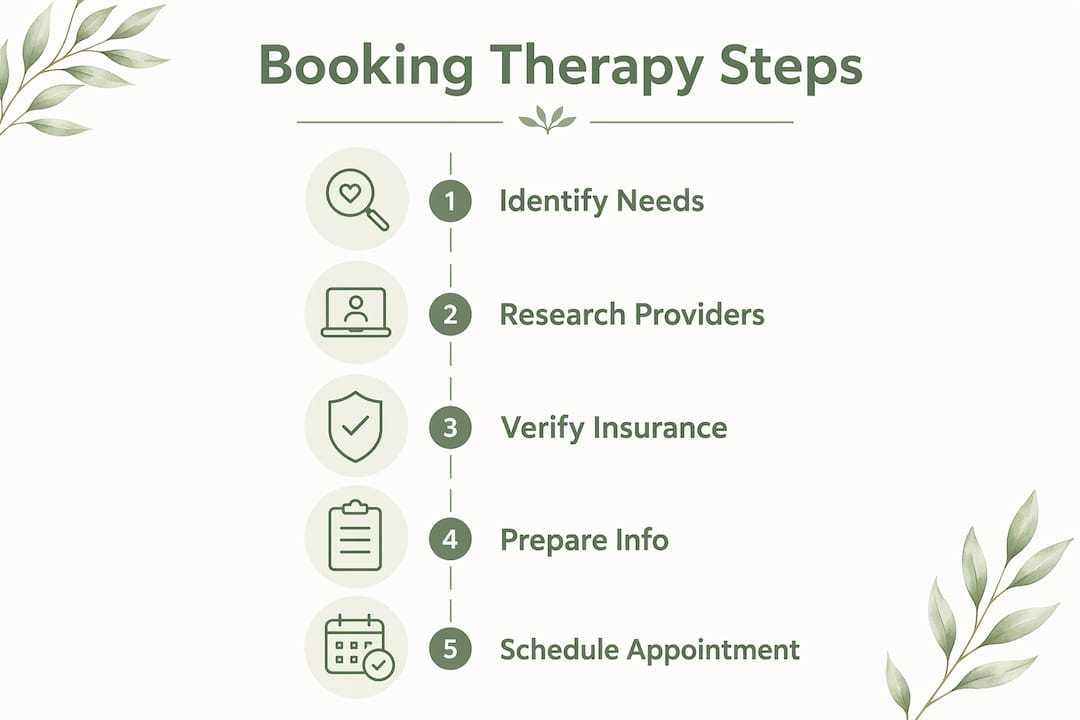
The booking process follows a clear sequence: find a provider, verify insurance, complete a consultation, and confirm your appointment. Each step builds on the previous one.
Search for providers. Use online directories, your insurance company’s provider portal, or ask your primary care doctor for a referral. Filter by specialty, location, language, and insurance acceptance. For physical therapy near Queens, check local clinic locations that serve your area.
Request an initial consultation. Many private practices offer a free 30-minute consultation before you commit to full sessions. Use this call to ask about their approach, availability, and fees. This is your chance to test whether the fit feels right.
Verify your insurance. Contact your insurance provider directly or ask the clinic’s front desk to run a benefits check. Confirm your copay, deductible status, and whether a referral is required.
Choose your session format. Decide between in-person and telehealth based on your schedule and comfort. Both formats are clinically effective. Telehealth works well for talk therapy. In-person is generally preferred for physical therapy where hands-on treatment is involved.
Complete intake paperwork. Most practices send digital intake forms before your first appointment. Complete them in advance. This saves time and lets your provider review your history before you arrive.
Confirm your appointment. You will receive a confirmation by email or text. Save the address or telehealth link. Note the cancellation policy, which is typically 24–48 hours notice to avoid a fee.
Pro Tip: When you call a new practice, ask specifically: “Do you have availability within the next two weeks?” Practices with long waitlists will tell you upfront, and you can keep searching without losing time.
Here is a quick reference for what to expect at each stage:
Stage | What happens | Time required |
Provider search | Research directories, get referrals | 1–3 days |
Initial consultation | 30-minute call to assess fit | 30 minutes |
Insurance verification | Confirm coverage and costs | 1–2 days |
Intake paperwork | Complete forms before first visit | 20–30 minutes |
First appointment | Full session with intake assessment | 45–60 minutes |
What are the most common challenges when booking therapy in Queens?
Finding therapy in Queens is not always straightforward. Knowing the common obstacles in advance helps you work around them without losing momentum.
Long waitlists: High-demand therapists in Queens can have wait times of several weeks. Keep two or three provider options open at once so you are not dependent on a single availability.
Insurance mismatches: Not every therapist accepts every plan. Always confirm insurance acceptance before your consultation, not after.
Cultural and language barriers: Queens is one of the most linguistically diverse counties in the United States. If English is not your primary language, diverse language capabilities among therapists in Queens significantly improve outcomes. Ask about language options when you first call.
Telehealth technical issues: Telehealth sessions require a quiet space and a reliable device with internet access. Test your camera and microphone before your first virtual session. A failed connection during an intake appointment creates unnecessary stress and may delay your care.
Uncertainty about what to say: Many people delay booking because they do not know how to describe what they are experiencing.
You do not need perfect words or a clear modality preference when you first reach out. The intake process is designed to guide you. Your job is simply to show up. The clinician’s job is to ask the right questions.
Knowing this removes one of the biggest mental barriers to making that first call. The intake call is a conversation, not a test.
Key Takeaways
Booking therapy in Queens requires preparation, insurance verification, and a clear step-by-step approach to find the right provider and format for your needs.
Point | Details |
Prepare before you call | Bring photo ID, insurance card, and three clear therapy goals to your intake. |
Verify insurance first | Confirm your plan is accepted before scheduling to avoid unexpected costs. |
Use the free consultation | A 30-minute initial call helps you test fit before committing to full sessions. |
Choose the right format | Telehealth suits talk therapy; in-person is preferred for physical rehabilitation. |
Address language needs early | Queens therapists offer services in Spanish, Chinese, Greek, and other languages. |
What I have learned about booking therapy in Queens
The single biggest mistake I see people make is waiting until they are in crisis before they start searching. The booking process takes time, especially if you need a specialist or have a specific insurance plan. Starting your search before things feel urgent gives you the space to find a genuinely good fit rather than just the first available slot.
The initial consultation is the most underused tool in the whole process. Most people treat it as a formality. It is not. That 30-minute call tells you whether a therapist’s communication style matches yours, whether their availability works with your schedule, and whether their approach aligns with your goals. I have seen people commit to months of sessions with a provider who was never the right fit, simply because they skipped this step.
Telehealth has changed the game for clients who are caregivers, work irregular hours, or have mobility challenges. For mental health therapy especially, a telehealth session from home can be just as effective as sitting in an office. The key is preparation: a quiet room, a charged device, and a reliable internet connection.
My strongest advice is this: write down your three goals before you make the first call. Not because the therapist requires it, but because it forces you to get clear on what you actually want from the process. That clarity makes every conversation after it more productive.
— Tj
Physical therapy near Queens: Contemporaryrehabservices can help
Contemporaryrehabservices is a boutique physical therapy clinic based in Albertson, NY, serving Queens and Nassau County residents. The clinic accepts Medicare, Aetna, Cigna, Emblem, and United Healthcare plans, which covers a large portion of Queens residents seeking physical therapy services.
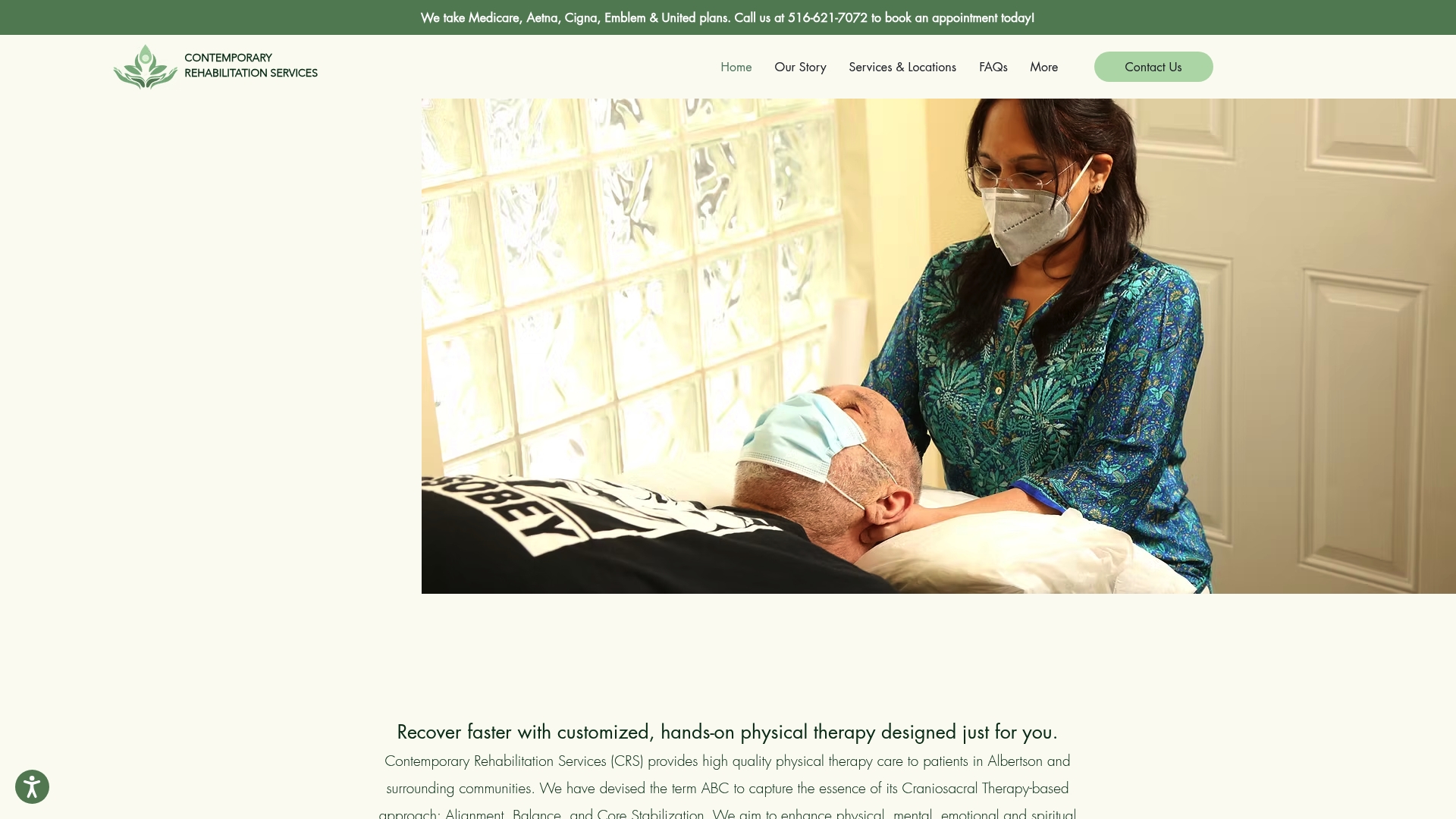
Whether you need post-surgical rehabilitation, sports injury recovery, or chronic pain management, Contemporaryrehabservices offers both in-person appointments and flexible scheduling to fit your life. The team works with new patients through a structured intake process, so you know exactly what to expect from your first visit. To get started, visit the Searingtown location page or explore all available services to find the right fit for your recovery goals.
FAQ
How long does a therapy session in Queens typically last?
Therapy sessions typically last 45–60 minutes, including an initial intake assessment that covers your goals, history, and safety needs.
Do Queens therapists accept insurance?
Most do, but acceptance varies by provider and plan. Always verify your specific insurance plan with the therapist before scheduling to avoid unexpected costs.
Can I book therapy online in Queens?
Yes. Most practices in Queens offer online booking through their websites or patient portals. Many also offer a free 30-minute phone or video consultation before your first full session.
What is the difference between in-person and telehealth therapy?
In-person therapy involves face-to-face sessions at a clinic. Telehealth uses a secure video platform and requires a quiet space and reliable internet. Both formats are clinically effective, though physical therapy typically requires in-person visits for hands-on treatment.
How do I find a therapist in Queens who speaks my language?
Search online directories and filter by language. Therapists in Queens offer services in Spanish, Chinese, Greek, and other languages. Ask about language options when you first contact a practice.
Recommended
Comments