
How to Maximize PT Sessions for Faster Recovery
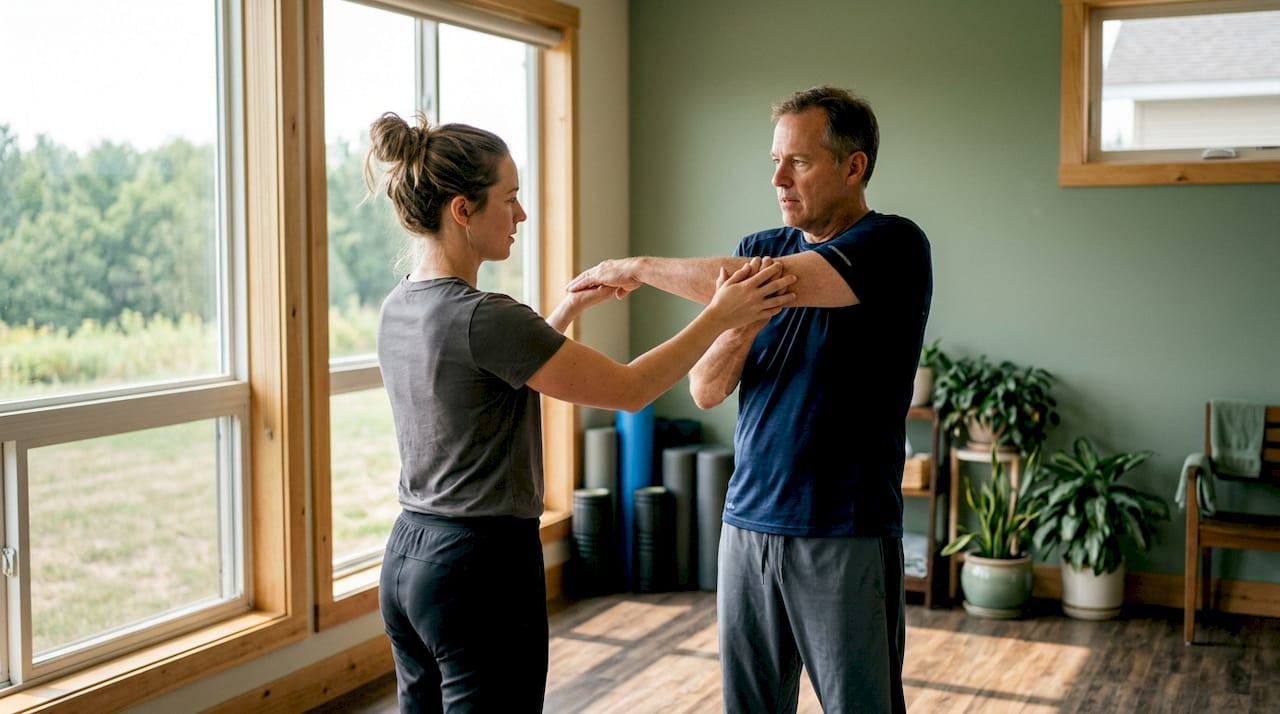
Physical therapy, known clinically as rehabilitative physical therapy, is the structured process of restoring movement, strength, and function through guided exercise and hands-on treatment. Getting the most from your PT sessions requires intentional preparation, consistent home exercise, and honest communication with your therapist. Patients who treat recovery as an active process, not a passive one, see measurably better outcomes. At Contemporaryrehabservices, a boutique clinic serving Albertson, Queens, and Nassau County, this active approach is built into every treatment plan from day one.
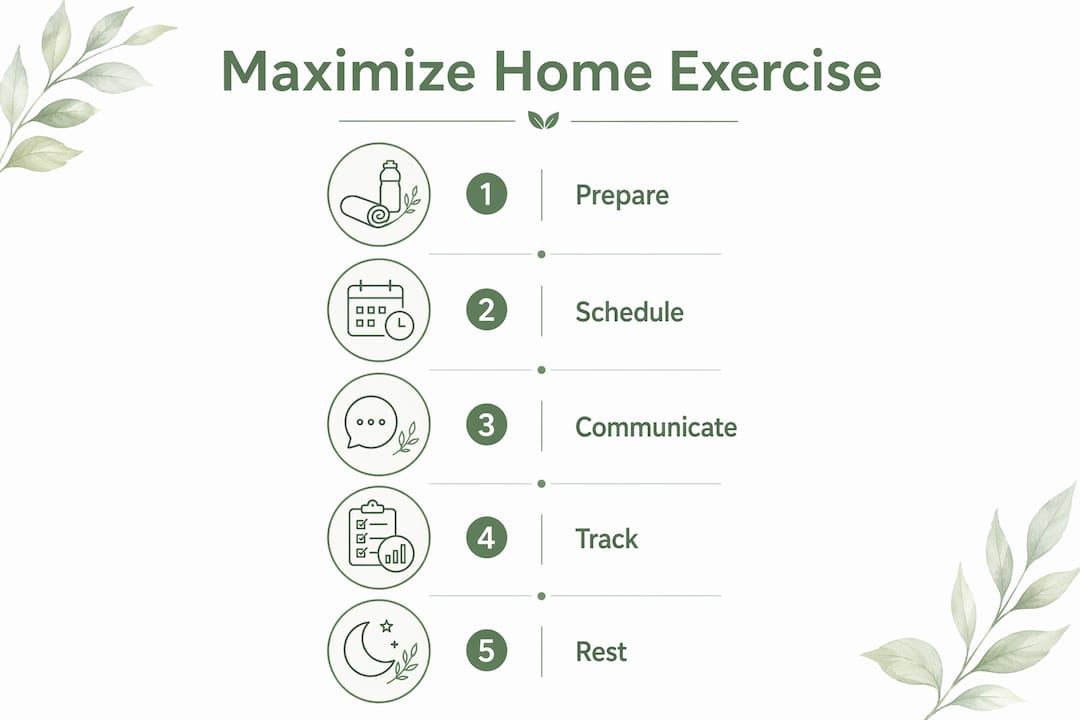
How to maximize PT sessions before you even walk in
Preparation is the single most underrated factor in physical therapy success. Most patients arrive without notes, wearing the wrong clothes, and unsure what happened since their last visit. That costs valuable treatment time.

Your first appointment sets the tone for everything that follows. A typical initial evaluation runs 50–90 minutes and covers your medical history, a physical assessment, and a treatment plan. Every minute spent on paperwork is a minute not spent on hands-on care.
Here is what to bring and do before each session:
Written symptom log: Note when pain occurs, what triggers it, and how long it lasts. Include daily activities that make it better or worse.
Medication and medical history summary: List current medications, past surgeries, and relevant diagnoses. Your therapist needs the full picture.
Appropriate clothing: Wear or bring clothing that allows access to the area being treated. Shorts for knee work, a tank top for shoulder assessment.
Previous session notes: Review what your therapist assigned last time. Arrive knowing what you did and did not complete.
Questions written down: Do not rely on memory. Write your questions before you arrive so nothing gets forgotten in the moment.
Detailed symptom journals before appointments reduce administrative delays and maximize hands-on treatment time. That means more of your session goes toward actual therapy.
Pro Tip: Use a free health journal app like Apple Health or a simple notes app to log symptoms daily. A one-sentence entry each morning takes 30 seconds and gives your therapist a week’s worth of useful data.
What are the best practices for home exercise program adherence?
Your home exercise program, commonly called an HEP, is where most of your recovery actually happens. Clinic sessions are only a small fraction of your total recovery time. Consistent home exercise over multiple days drives the neuromuscular adaptation and tissue healing that makes therapy work.
The numbers are clear. Patients who completed home exercises at least 5 times per week recovered 2.5 times faster than those who exercised sporadically. Frequency matters more than duration. Daily 10-minute sessions outperform a single 70-minute session once a week for lasting recovery.
Here is how to build consistent HEP habits:
Schedule it like a medical appointment. Block a specific time in your calendar each day. Morning works well because life has not yet filled the day with competing demands.
Stack it onto an existing habit. Do your exercises right after brushing your teeth or before your morning coffee. Habit stacking reduces the mental effort of starting.
Use a tracking app. Apps like Physitrack or a simple paper checklist create a visual record of completion. Seeing a streak builds motivation to maintain it.
Communicate barriers immediately. If an exercise causes sharp pain or you cannot complete it, tell your therapist at the next session. Do not skip silently. Your therapist can modify the program.
Start small if needed. Doing 5 minutes is better than doing nothing. Consistency over weeks beats perfection on any single day.
Many patients underestimate the HEP, viewing it as optional homework rather than the core of their recovery. Shifting that mindset is one of the most powerful things you can do. For practical guidance on safe technique, the home exercise safety guide from Contemporaryrehabservices covers form and progression in plain language.
Pro Tip: Treat your home exercise program as a non-negotiable appointment with yourself. Write it in your planner with the same weight as a doctor’s visit. Patients who do this report the best long-term results.
How should you communicate with your physical therapist?
Honest, detailed communication is the fastest way to improve personal training results in a PT setting. Your therapist cannot adjust what they do not know about. Granular symptom feedback enables therapists to tailor interventions effectively and improve outcomes.
A common and costly mistake is withholding negative feedback. Patients often stay quiet about discomfort or ineffective exercises because they fear appearing uncooperative. That silence leads to wasted sessions and preventable setbacks. Your therapist needs to hear the truth, not the polite version.
Use these communication practices at every session:
Describe pain with specifics. Say “sharp pain on the outside of my knee when I go down stairs” rather than “my knee hurts.” Specificity guides clinical decisions.
Report what changed between sessions. Did you sleep better? Did a certain movement get easier? Did a new symptom appear? All of it matters.
Use SMART goals with your therapist. Collaborative SMART goal setting creates measurable, achievable rehabilitation milestones. A goal like “walk one mile without pain by week six” is trackable. “Feel better” is not.
Ask questions about every exercise. If you do not understand the purpose of a movement, ask. Understanding why you are doing something increases compliance and correct form.
Say when something is not working. If an exercise feels wrong or causes unexpected pain, speak up immediately. Your therapist can modify or replace it on the spot.
Open, detailed communication creates a genuine team dynamic between patient and therapist. That partnership is what makes treatment plans adapt and improve over time.
What recovery practices complement physical therapy?
What you do outside the clinic between sessions either supports or undermines your progress. Recovery is not passive rest. It is an active set of choices that affect how your body heals.
Sleep quality directly correlates with tissue repair and pain control. Most adults need 7–9 hours per night for optimal healing. Poor sleep raises inflammation and slows the neuromuscular adaptation your exercises are building. Prioritize consistent sleep and wake times, even on weekends.
Recovery Practice | Why It Matters | Simple Starting Point |
Sleep (7–9 hours) | Supports tissue repair and reduces inflammation | Set a consistent bedtime alarm |
Hydration | Maintains joint lubrication and muscle function | Drink water before and after exercises |
Nutrition | Provides protein for muscle repair and energy | Add a protein source to each meal |
Visualization | Strengthens neuromuscular pathways | Spend 5 minutes mentally rehearsing exercises |
Mindfulness | Reduces pain perception and stress response | Use a free app like Insight Timer for 5 minutes daily |
Mental training methods like visualization and mindfulness are underused recovery tools. Visualization, the practice of mentally rehearsing a movement, activates the same neural pathways as physical practice. Research in sports medicine supports its role in neuromuscular control and pain management. Mindfulness reduces the stress response that often amplifies pain signals.
Pro Tip: Track your sleep and pain levels in the same daily log. After two weeks, patterns emerge. You will likely see that poor sleep predicts higher pain the next day. That data gives you and your therapist a clearer picture of what is driving your symptoms.
What common mistakes reduce physical therapy effectiveness?
Recovery stalls most often because of predictable, avoidable errors. Recognizing these patterns early keeps your progress on track.
Skipping appointments. Inconsistent attendance breaks the therapeutic momentum your therapist is building. Each missed session delays progress and can require repeating work already done.
Ignoring the home exercise program. Treating the HEP as optional is the most common reason patients plateau. The clinic visit reinforces and progresses what the home program builds daily.
Withholding information. Telling your therapist everything is fine when it is not leads to a plan that does not match your actual condition. Honesty is not complaining. It is clinical data.
Setting vague goals. Vague goals like “feel better” lack direction and make it impossible to measure progress. SMART goals give both you and your therapist a clear target.
Not tracking progress. Without a record of what you have done and how you felt, it is hard to see improvement or identify what is not working. A simple weekly note is enough.
Overexerting between sessions. Pushing too hard outside of your prescribed program can cause setbacks that add weeks to your recovery. Follow the plan your therapist gave you, not what feels like enough effort.
The physical therapy checklist from Contemporaryrehabservices is a practical tool for staying on track between visits. Use it to audit your own habits each week.
Key Takeaways
Maximizing physical therapy sessions requires preparation, consistent home exercise, honest communication, and deliberate recovery habits that work together to accelerate healing.
Point | Details |
Prepare before every session | Bring a symptom log, wear appropriate clothing, and review your previous session notes. |
Follow your HEP daily | Patients exercising 5+ times per week recover 2.5 times faster than sporadic exercisers. |
Communicate honestly | Granular, specific feedback allows your therapist to adjust your plan and avoid setbacks. |
Support recovery outside the clinic | Sleep, hydration, nutrition, and visualization all directly affect how fast you heal. |
Avoid common pitfalls | Skipping sessions, vague goals, and silent discomfort are the top reasons progress stalls. |
What I have learned from watching patients recover well and poorly
Recovery is not a medical event. It is a daily practice. After years of working with patients across Nassau County and Queens, the clearest pattern I have seen is this: the patients who recover fastest are not the ones with the least severe injuries. They are the ones who show up prepared, do their home exercises without being reminded, and tell their therapist the truth.
The biggest misconception I encounter is that the therapist does the healing. The therapist creates the conditions. You do the healing. That shift in ownership changes everything. Patients who internalize that idea stop waiting to feel better and start actively building it.
Patience is harder than any exercise. Progress in physical therapy is rarely linear. There are weeks where nothing seems to change, and then a breakthrough. The patients who push through those flat periods, without abandoning their program or skipping sessions, are the ones who reach their goals. Trust the process, but also hold yourself accountable to it every single day.
— Tj
Physical therapy support at Contemporaryrehabservices
Contemporaryrehabservices works with patients in Albertson, Herricks, and across Nassau County to build personalized treatment plans that go beyond the clinic visit.
Every patient at Contemporaryrehabservices receives a structured home exercise program, clear SMART goals, and direct therapist communication at every stage of recovery. The clinic accepts Medicare, Aetna, Cigna, Emblem, and United Healthcare plans, making expert care accessible without financial barriers. If you are ready to take a more active role in your recovery, the Herricks physical therapy team is ready to build a plan around your specific needs. You can also review the full range of therapy services available at Contemporaryrehabservices to find the right fit for your condition.
FAQ
How often should I do my home exercises?
Completing your home exercise program at least 5 times per week produces the best results. Patients who reach that frequency recover 2.5 times faster than those who exercise only occasionally.
What should I bring to my first PT appointment?
Bring a written symptom log, a list of current medications, and any relevant medical records or imaging. Detailed pre-appointment preparation reduces administrative time and increases hands-on treatment during your session.
How do SMART goals help in physical therapy?
SMART goals create specific, measurable targets that replace vague intentions like “feel better.” Collaborative SMART goal setting gives both you and your therapist a clear benchmark to track progress and adjust the plan.
What if an exercise causes pain during my home program?
Stop the exercise and note exactly when and where the pain occurred. Report it to your therapist at your next session rather than pushing through or skipping the program entirely. Your therapist can modify the movement to keep your recovery on track.
Does sleep really affect physical therapy outcomes?
Yes. Sleep quality directly supports tissue repair and pain control. Consistently poor sleep raises inflammation and slows the neuromuscular adaptation that physical therapy is designed to build.
Recommended
Comments