
Step by Step Injury Recovery: Regain Strength Fast
- tjdontplay
- Jun 20
- 8 min read
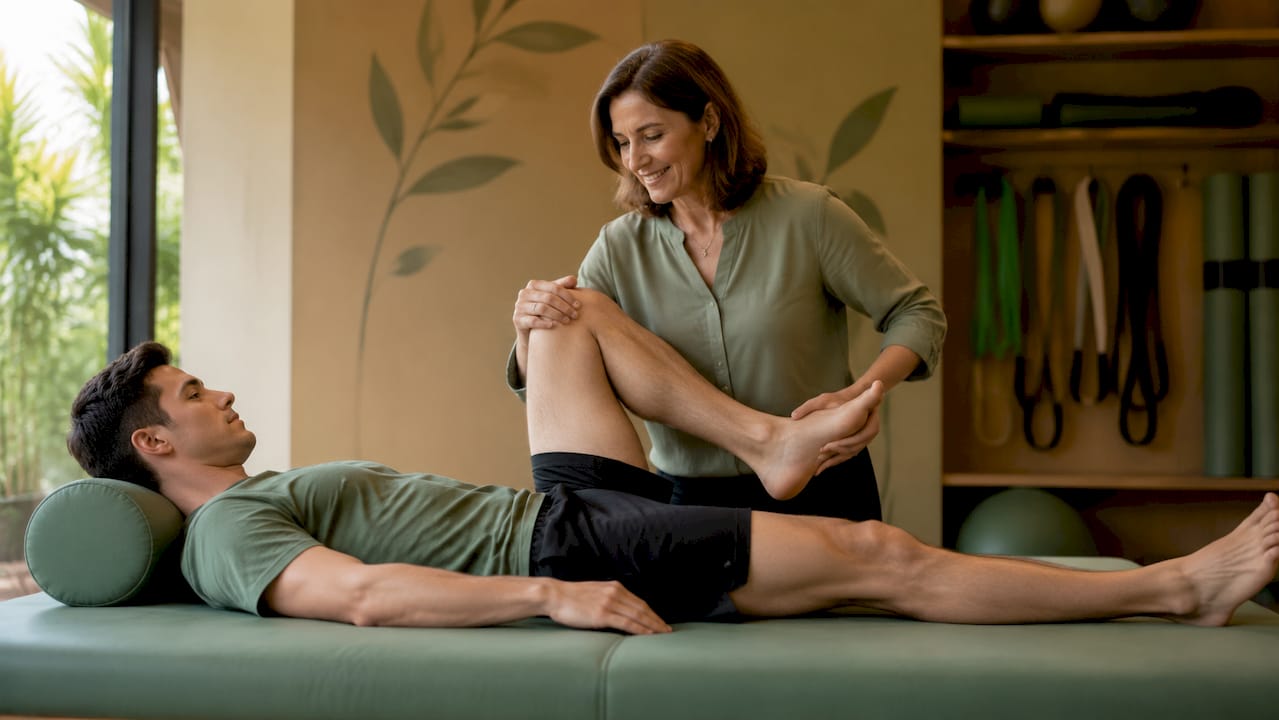
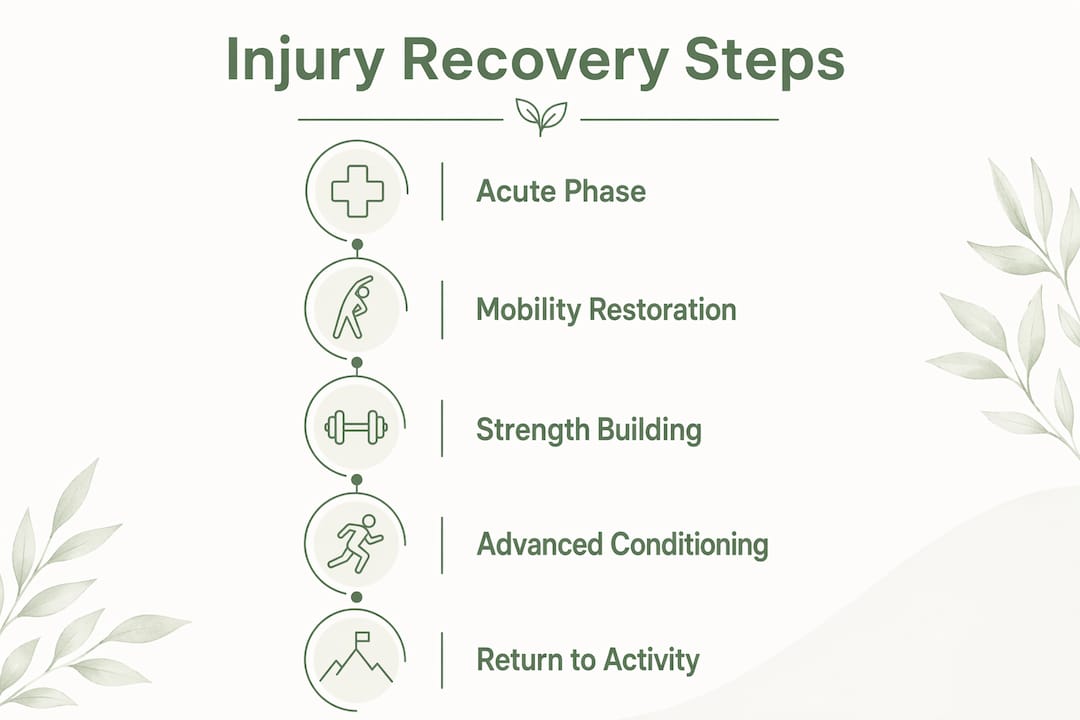
Step by step injury recovery is a structured rehabilitation process that moves you through four distinct phases: acute protection, mobility restoration, progressive strengthening, and return to full activity. The clinical term for this process is injury rehabilitation, and following it in sequence is what separates a full recovery from a partial one. Skipping phases or rushing the timeline is the single most common reason people reinjure themselves. Injury recovery timelines range from 3–6 weeks for mild sprains to 4–6 months or more for severe injuries. Knowing which phase you are in, and what to do next, gives you control over your healing.
What are the essential first steps right after an injury?
The first 72 hours after an injury are the most critical window for limiting damage. Your body immediately triggers the four biological stages of healing: bleeding, inflammation, proliferation, and remodeling. Inflammation is not the enemy. It delivers immune cells and nutrients that start the repair process. Your job in this phase is to support that process without making things worse.
The standard protocol for acute injury management is the RICE method:
Rest. Stop the activity causing pain. Protect the injured area from further stress.
Ice. Apply a cold pack wrapped in a cloth barrier. Cold therapy applied for 15–20 minutes every 2–3 hours during the first 48–72 hours controls swelling effectively.
Compression. Use a compression bandage to reduce fluid buildup around the injury site.
Elevation. Raise the injured limb above heart level when resting to help drain excess fluid.
Common acute phase mistakes to avoid
Many people make these errors in the first 72 hours, and each one slows healing:
Applying ice directly to skin, which causes frostbite and tissue damage
Leaving ice on for more than 20 minutes at a time
Wrapping a compression bandage too tightly, which cuts off circulation
Staying completely still for days, which leads to stiffness and muscle loss
The last point deserves attention. Complete rest is often detrimental to recovery. Gentle, pain-free movement within the first 24–48 hours prevents stiffness and keeps circulation moving through the injured tissue.
Tool | Purpose | Key guideline |
Cold pack | Reduce swelling and pain | 15–20 min, cloth barrier, every 2–3 hours |
Compression bandage | Limit fluid accumulation | Snug but not tight; rewrap if tingling occurs |
Elevation pillow | Drain excess fluid | Keep limb above heart level |
Crutches or sling | Offload weight from injury | Use only as long as needed; avoid prolonged dependence |
Pro Tip: Set a timer when icing. Most people leave ice on too long without realizing it. Twenty minutes on, at least 40 minutes off, is the safe rhythm.
How do you safely rebuild mobility and strength after the acute phase?

Once swelling and sharp pain begin to subside, usually after 3–7 days for mild injuries, you move into the foundations phase of the injury rehabilitation process. This is where a personalized recovery plan becomes non-negotiable. A physical therapy assessment at this stage identifies movement imbalances that contributed to the injury in the first place. Skipping assessment means you rebuild on a faulty foundation.
A structured progression through this phase looks like this:
Range of motion work. Start with gentle, pain-free joint circles, flexion, and extension. The goal is to restore normal movement patterns before adding load.
Manual therapy. A physical therapist uses hands-on techniques like joint mobilization and soft tissue massage to reduce stiffness and improve tissue quality. Self-administered techniques like foam rolling can supplement but not replace this.
Isometric exercises. Contract the muscle without moving the joint. A quad set for a knee injury or a wall push for a shoulder injury builds strength without stressing healing tissue.
Isotonic exercises. Once isometrics feel comfortable, progress to controlled movement through a full range. Bodyweight squats, resistance band rows, and clamshells are common starting points.
Checkpoint evaluation. Before advancing, confirm you have full or near-full range of motion, no pain at rest, and minimal pain during exercise. These are objective markers, not guesses.
Rehab should be criteria-based, not calendar-based. Advancing because two weeks have passed, rather than because you have met clinical milestones, is how setbacks happen.
Pro Tip: Track your pain on a 0–10 scale before and after each session. If pain rises above a 3 during exercise or stays elevated for more than an hour after, you have done too much. Scale back the next day.
What advanced exercises rebuild tissue capacity and performance?
The strengthening phase is where most people either accelerate their recovery or stall it. Gradual, supervised progression of exercises, including sport-specific drills, safely reconditions muscles and tendons. The goal shifts from restoring basic function to rebuilding the tissue’s capacity to handle real-world loads.
This phase follows a clear progression:
Basic strength work. Compound movements like lunges, deadlifts, and rows build the muscle groups surrounding the injury. Keep loads moderate and focus on control.
Power and plyometrics. Once strength symmetry between the injured and uninjured side reaches roughly 80–90%, introduce explosive movements. Box jumps, lateral bounds, and medicine ball throws train the fast-twitch fibers that protect joints during sudden movements.
Agility and coordination drills. Cone drills, ladder work, and direction changes retrain the neuromuscular system. These movements prepare your body for the unpredictable demands of sport and daily life.
Energy system conditioning. Cardiovascular fitness often drops significantly during recovery. Cycling, swimming, or elliptical training maintains aerobic capacity without stressing the injured area.
Exercise type | Primary goal | Example movements |
Isometric | Activate muscle without joint stress | Quad sets, wall sits, plank holds |
Isotonic | Restore strength through full range | Squats, rows, calf raises |
Plyometric | Build power and reactive strength | Box jumps, lateral bounds, skipping |
Agility | Retrain coordination and movement patterns | Cone drills, ladder work, cutting drills |
Conditioning | Maintain cardiovascular fitness | Cycling, swimming, elliptical |
The goal of rehab is to improve beyond pre-injury function, not just return to it. That mindset shift changes how you approach every session. You are not just healing. You are building a more resilient version of your body.
How do you know when you are ready to return to full activity?
Returning to full activity too early is the leading cause of reinjury. The return-to-activity phase uses objective criteria, not how you feel on a good day, to determine readiness. Functional tests like the single-leg hop test, balance assessments, and sport-specific movement drills give you real data on your recovery status.
Follow this sequence before clearing yourself for full activity:
Strength symmetry test. The injured limb should produce at least 90% of the strength of the uninjured limb. Test this with single-leg exercises like step-downs or single-leg press.
Functional movement screen. Perform a squat, lunge, and hinge pattern. A physical therapist checks for compensations that signal the body is still protecting the injury.
Sport-specific drill progression. Start at 50% intensity and speed. Increase by 10–15% per session if pain-free. Full-speed activity comes last, not first.
Workload ramp. Return to full training volume gradually over 2–4 weeks. Jumping back to pre-injury workloads in the first week is a reliable path back to the treatment table.
Ongoing monitoring. Track soreness, stiffness, and performance weekly. A sudden spike in any of these signals the need to reduce load, not push through.
Pro Tip: Ask your physical therapist for a written return-to-activity checklist. Having objective benchmarks written down removes the guesswork and the temptation to rush.
Common challenges at this stage include fear of reinjury, persistent low-grade soreness, and loss of confidence in the injured area. These are normal. Early gentle movement throughout recovery builds both physical resilience and psychological confidence. If fear is limiting your progress, discuss it directly with your therapist. It is a clinical issue, not a personal weakness.
For a deeper look at sports injury rehab criteria, the progression guidelines are worth reviewing before you make any return-to-activity decisions.
Key Takeaways
Structured, criteria-based injury rehabilitation that moves through acute protection, mobility restoration, progressive strengthening, and functional return is the most reliable path to full recovery and reinjury prevention.
Point | Details |
Start with RICE in the first 72 hours | Apply ice 15–20 minutes every 2–3 hours with a cloth barrier to control swelling. |
Avoid complete rest | Gentle, pain-free movement in the early phase prevents stiffness and muscle loss. |
Progress by criteria, not calendar | Advance to the next phase only after meeting objective milestones like full range of motion and pain-free movement. |
Rebuild beyond pre-injury capacity | The strengthening phase should target strength symmetry and power, not just baseline function. |
Use functional tests before returning to activity | Single-leg hop tests and sport-specific drills confirm readiness more reliably than time elapsed. |
What I have learned from watching people recover well and poorly
I have seen patients in Nassau County and Queens come through the door at every stage of recovery, from day two after a sprained ankle to six months post-ACL reconstruction. The ones who recover fastest share one trait: they treat the process like a job, not a waiting game.
The biggest mistake I see is treating pain as the only signal. Pain tells you something is wrong, but its absence does not mean you are ready to push hard. Tissue remodeling continues for months after pain disappears. People who return to full activity the moment they feel good are the ones who call back three weeks later with a recurrence.
The second thing I have noticed is that mental engagement matters as much as physical compliance. Patients who ask questions, track their progress, and communicate honestly with their therapist consistently outperform those who just show up and go through the motions. Recovery is not passive. You have to be an active participant in every session.
Rest and activity need to be balanced deliberately. Rest is not doing nothing. It is sleeping well, managing stress, eating enough protein to support tissue repair, and giving your body the recovery window it needs between sessions. That balance is where the real progress happens, not just in the gym.
— Tj
How Contemporaryrehabservices supports your recovery at every phase
If you are working through an injury and want a clear, supervised path forward, Contemporaryrehabservices in Albertson, NY is built for exactly that. The clinic serves patients across Nassau County and Queens with personalized rehabilitation plans that follow the same progressive, criteria-based approach described in this article.
Contemporaryrehabservices accepts Medicare, Aetna, Cigna, Emblem, and United Healthcare plans, so accessing expert care does not have to mean navigating complicated out-of-pocket costs. Whether you are in the acute phase or preparing to return to sport, the team creates a recovery plan matched to your specific injury, goals, and timeline. Explore the full range of physical therapy services available, or visit the Albertson clinic page to schedule a consultation and start your recovery with a clear plan.
FAQ
What does step by step injury recovery involve?
Step by step injury recovery moves through four phases: acute protection, mobility restoration, progressive strengthening, and return to full activity. Each phase has specific goals and clinical criteria that must be met before advancing.
How long does injury recovery take?
Recovery timelines range from 3–6 weeks for mild sprains to 4–6 months or more for severe injuries like ligament tears. Progression depends on meeting objective milestones, not just time elapsed.
Should I rest completely after an injury?
Complete rest is rarely the right approach. Active recovery with gentle, pain-free movement prevents stiffness and muscle loss while supporting circulation to the healing tissue.
When is it safe to return to sport or full activity?
Return to full activity is safe when the injured limb reaches at least 90% strength symmetry with the uninjured side and you can complete sport-specific drills pain-free at full speed.
Do I need a physical therapist for injury rehabilitation?
A physical therapist provides the movement assessment, manual therapy, and criteria-based progression that self-directed recovery cannot replicate. Professional supervision significantly reduces the risk of reinjury and long-term complications.
Recommended
Comments