
Why PT for Post-Acute Care: Your 2026 Recovery Guide
- tjdontplay
- Jun 26
- 8 min read
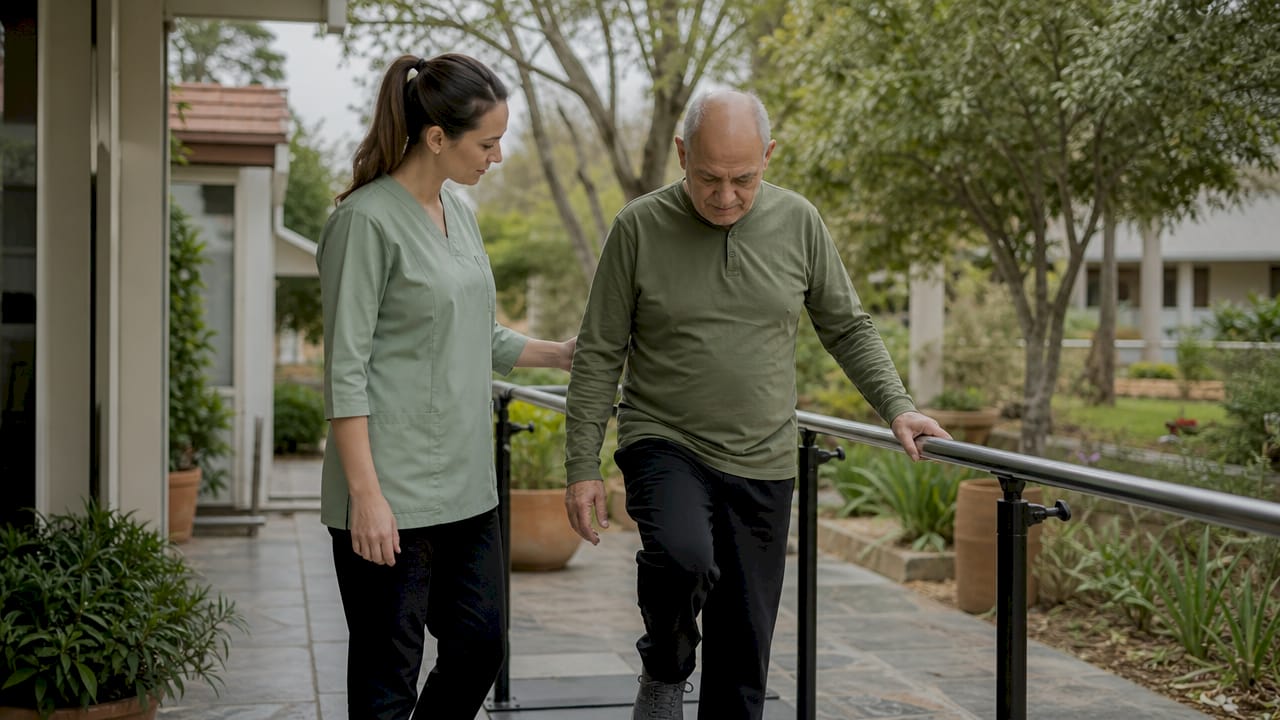
Physical therapy in post-acute care is a targeted, evidence-based rehabilitation approach designed to restore movement, relieve pain, and improve function after hospitalization or surgery. The clinical term for this phase is post-acute rehabilitation, and it covers everything from skilled nursing facilities to home health visits. Understanding why PT for post-acute care matters can change how quickly you get back to daily life. Physical therapy carries a 68–72% success rate in significantly improving patient outcomes, and starting early reduces surgery risk by 53%. Those numbers reflect what licensed physical therapists see every day in Nassau County and across the country.
Why PT for post-acute care is the cornerstone of recovery
Post-acute care is the structured support you receive after leaving the hospital. Nearly 40% of adult patients use some form of post-acute care after discharge to restore functional independence and prevent rehospitalization. Physical therapy sits at the center of that process because it addresses the root causes of functional decline, not just the symptoms.
The benefits of physical therapy in this phase are measurable and specific:
Faster surgical recovery. Post-surgical PT reduces recovery time by 20–30% compared to no rehabilitation, with documented gains in joint motion, balance, and strength.
Pain reduction without medication. Exercise-based PT delivers pain relief comparable to NSAIDs for osteoarthritis patients, giving you a drug-free path to comfort.
Fall prevention. Resistance and balance training directly reduce fall risk, which affects a significant portion of Americans over 50.
Lower rehospitalization rates. Consistent PT reduces the complications that send patients back to the hospital, including infections, blood clots, and muscle atrophy.
Mental health support. Functional recovery correlates with the amount of PT received, including measurable reductions in depression symptoms during post-acute care.
Each of these benefits compounds. A patient who moves better also sleeps better, eats better, and stays more engaged in their own recovery.

How does PT help specific conditions in post-acute care?
Physical therapy does not treat every condition the same way. Licensed PTs tailor programs to the specific diagnosis, which is why outcomes vary so clearly between patients who receive targeted care and those who do not.
Condition | PT Approach | Expected Outcome |
Post-surgical recovery | Progressive weight-bearing, range-of-motion exercises | 20–30% faster recovery vs. no rehab |
Osteoarthritis | Exercise-based therapy, joint mobilization | Pain relief comparable to NSAIDs |
Low back pain | Core stabilization, manual therapy | 40–50% pain reduction within 4–6 weeks |
Stroke rehabilitation | Neuromuscular re-education, gait training | Improved mobility and reduced disability |
Hip or knee replacement | Strengthening, balance, functional training | Restored independence in daily activities |
For back pain patients specifically, exercise-based PT produces 40–50% pain reduction within 4–6 weeks. That is a meaningful change in quality of life, not just a marginal improvement on a pain scale.
Stroke recovery is another area where the role of PT in transitional care is critical. Neuromuscular re-education helps the brain rebuild movement pathways after damage. The earlier PT begins after a stroke, the more neuroplasticity the brain can use. Waiting weeks to start therapy means missing the window when the nervous system is most responsive to change.
Physical therapist Jeanne Ubalde notes that many patients avoid therapy out of fear but achieve remarkable recovery through targeted movement and balance exercises. Fear of pain or re-injury is real, but a skilled PT adjusts intensity to keep you safe while still making progress.
What does a modern PT program involve in post-acute care?
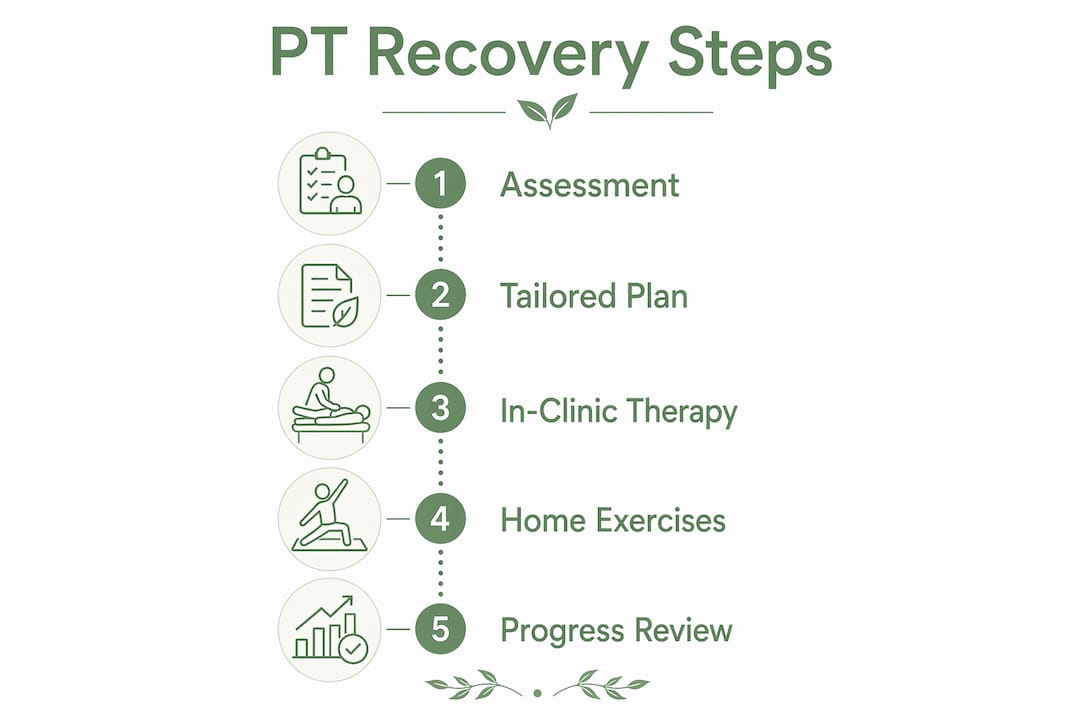
A well-designed post-acute PT program starts with a thorough evaluation. Your therapist measures strength, range of motion, balance, and mobility to create a baseline. Objective progress monitoring using these tests guides every adjustment made to your treatment plan throughout recovery.
From that baseline, your PT builds a personalized program that typically includes:
Therapeutic exercise. Targeted movements that rebuild strength and endurance in the affected area.
Manual therapy. Hands-on techniques like joint mobilization and soft tissue work to reduce stiffness and pain.
Patient education. Teaching you why each exercise matters and how to perform it safely at home.
Functional training. Practicing real-life tasks like climbing stairs, getting in and out of a car, or carrying groceries.
Progress reviews. Regular reassessments to advance your program as you improve.
Pro Tip: Ask your PT to explain the goal of each exercise before you do it. Patients who understand the “why” behind their program are far more consistent with home exercise, which directly improves outcomes.
Home exercise adherence is not optional. Patients who stick to consistent home exercise programs see a 70% increase in successful post-acute recovery outcomes. That number alone makes the case for taking your home program as seriously as your clinic visits.
Coordination with your surgical team or primary care physician also matters. Successful post-acute care requires interdisciplinary discharge planning with clear communication about rehabilitation goals, insurance constraints, and patient preferences. Your PT should be in contact with your other providers, not working in isolation.
How do you choose the right post-acute PT setting?
The setting where you receive PT affects both the intensity of care and your speed of recovery. Three main options exist after hospital discharge.
Setting | Intensity | Best For | Independence Required |
Inpatient rehab facility | High (3+ hours of therapy daily) | Complex surgical recovery, stroke | Low |
Skilled nursing facility | Moderate (1–2 hours daily) | Patients needing medical monitoring | Low to moderate |
Home health PT | Low to moderate (2–3 visits per week) | Patients who are homebound | Moderate |
Outpatient PT clinic | Moderate to high (2–3 visits per week) | Ambulatory patients, ongoing recovery | High |
UCSF experts advocate milestone-driven rehabilitation rather than time-based therapy protocols for improved patient engagement and outcomes post-discharge. This means your discharge from a setting should be based on what you can do, not on how many days have passed.
Understanding the difference between assisted living and skilled nursing options helps you and your family make a more informed placement decision. Patients who advocate for themselves during discharge planning consistently secure better recovery environments.
Hospital clinicians often lack detailed knowledge about the differences between post-acute care settings. You have the right to ask questions and request a specific level of PT intensity. Do not assume the first recommendation is the only option.
Pro Tip: Before discharge, ask your care team: “What specific milestones do I need to reach before moving to the next level of care?” A clear answer means your rehab plan is goal-driven, not just calendar-driven.
What practical steps maximize your PT outcomes?
Starting PT early is the single most impactful decision you can make. Beginning within 3 days of discharge or symptom onset is associated with the best long-term outcomes and the greatest reduction in surgery risk. Every day of delay narrows that window.
Beyond timing, consistency separates patients who recover fully from those who plateau. Here are the most common pitfalls to avoid:
Skipping home exercises. Missing even two or three days breaks the neuromuscular patterns your PT is building.
Waiting for pain to disappear before exercising. Mild discomfort during therapeutic exercise is normal and expected.
Not communicating setbacks. If an exercise causes sharp or worsening pain, tell your therapist immediately so the plan can be adjusted.
Stopping PT when you feel “good enough.” Many patients quit before reaching full functional recovery, leaving strength and mobility gains on the table.
Lifestyle factors also shape how PT aids recovery. Adequate sleep, protein intake, and hydration all support tissue repair. Addressing anxiety or depression during recovery is equally important because functional recovery and mental health are directly linked during post-acute care. A patient education approach that addresses both physical and emotional barriers leads to better participation and faster results.
Pro Tip: Keep a simple daily log of your exercises and how you felt afterward. Bringing this to your PT sessions gives your therapist real data to work with and keeps you accountable between visits.
Key takeaways
Physical therapy is the most evidence-backed tool available for restoring function, reducing pain, and preventing complications after hospitalization or surgery.
Point | Details |
Start PT early | Beginning within 3 days of discharge reduces surgery risk by 53% and improves long-term outcomes. |
Home exercise adherence matters | Patients who follow home programs consistently see a 70% boost in successful recovery outcomes. |
Match setting to your needs | Choose inpatient rehab, skilled nursing, or outpatient PT based on your functional level, not just convenience. |
Advocate for milestone-driven care | Push for goal-based discharge criteria rather than time-based protocols to get the right level of care. |
PT addresses more than pain | Functional recovery through PT also reduces depression symptoms and lowers rehospitalization risk. |
What I’ve learned from watching patients reclaim their lives through PT
After years of working in post-acute rehabilitation in Nassau County, the pattern I see most often is this: the patients who recover fastest are not necessarily the youngest or the least injured. They are the ones who show up, ask questions, and do their home exercises even on the days they do not feel like it.
The misconception I hear most is that PT is something that happens to you. Patients sometimes arrive expecting to be treated passively, like a car going through a repair shop. The reality is that your PT is a guide, and you are the one doing the work. That shift in mindset changes everything.
I have watched patients in their 70s and 80s rebuild strength after hip replacements and return to gardening, walking their dogs, and living independently. I have seen stroke patients regain the ability to button a shirt after weeks of targeted neuromuscular work. None of those outcomes happened because of a single clinic visit. They happened because of a consistent, goal-driven partnership between patient and therapist.
The importance of PT after hospitalization is not abstract. It is the difference between going home and going back to the hospital. If you are recovering from surgery or a serious illness right now, the most important thing you can do is start your recovery path as soon as your care team clears you. Do not wait for the perfect moment. The right moment is now.
— Tj
Physical therapy at Contemporaryrehabservices: built for post-acute recovery
Contemporaryrehabservices is a boutique physical therapy clinic serving Albertson, Queens, and Nassau County, NY. The clinic specializes in personalized, milestone-driven PT programs for patients recovering from surgery, injury, and hospitalization.
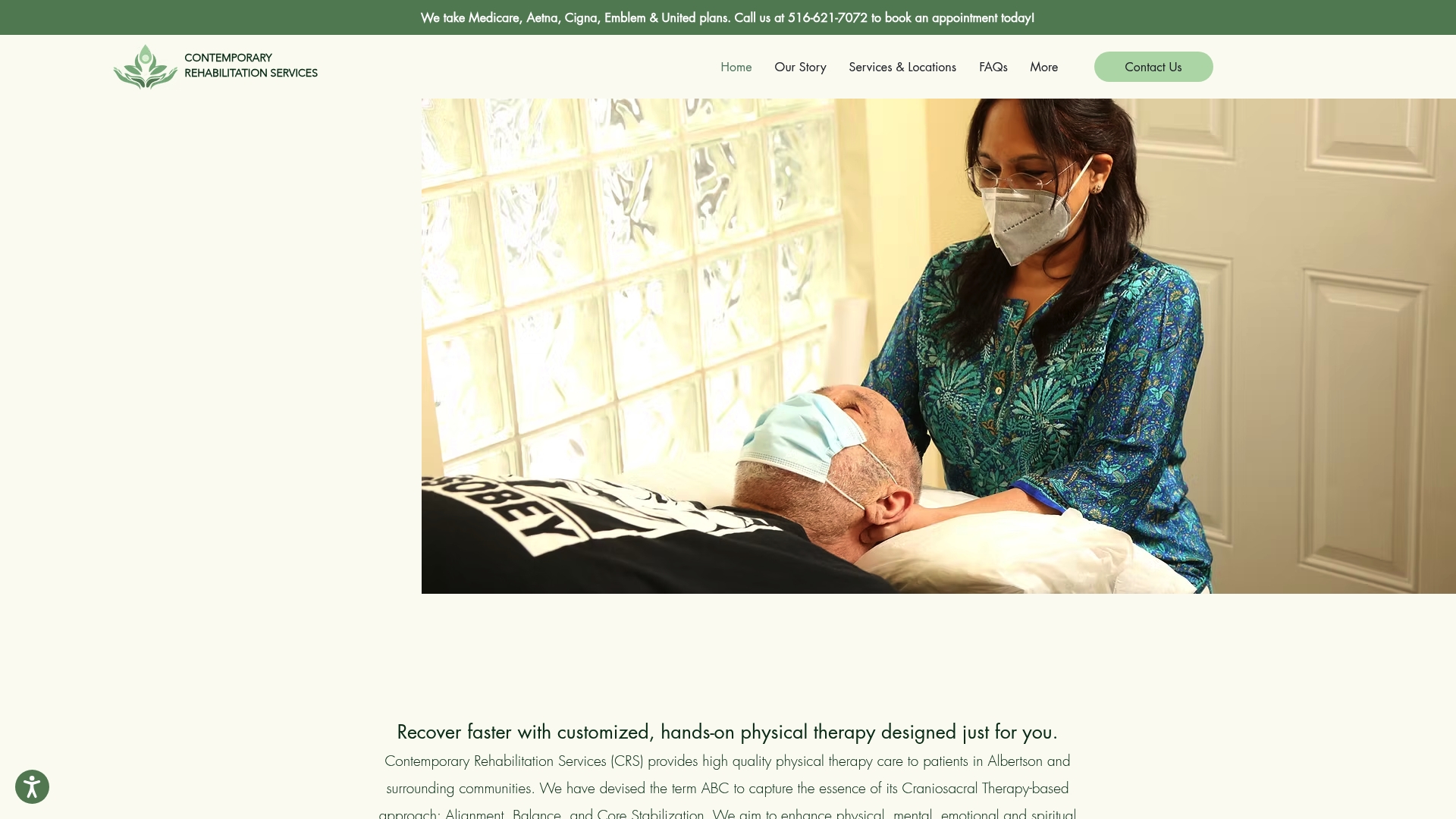
Every program at Contemporaryrehabservices begins with a thorough evaluation and is coordinated with your surgical team or primary care physician. The clinic accepts Medicare, Aetna, Cigna, Emblem, and United Healthcare plans, so insurance is rarely a barrier to getting started. If you are ready to take the next step in your post-acute recovery, the team at the Herricks physical therapy location is ready to build a plan around your specific goals and timeline.
FAQ
What is post-acute physical therapy?
Post-acute physical therapy is rehabilitation provided after a hospital stay to restore movement, reduce pain, and prevent complications. It covers settings including skilled nursing facilities, home health visits, and outpatient clinics.
How soon should I start PT after leaving the hospital?
Starting PT within 3 days of discharge is associated with the best outcomes, including a 53% reduction in surgery risk and faster functional recovery.
Does insurance cover post-acute physical therapy?
Medicare, Aetna, Cigna, Emblem, and United Healthcare all cover post-acute PT when medically necessary. Contemporaryrehabservices accepts all of these plans at its Nassau County locations.
How long does post-acute PT typically last?
Duration depends on your condition and goals, not a fixed calendar. Milestone-driven programs end when you reach defined functional targets, which typically takes several weeks to a few months depending on the diagnosis.
Can PT replace pain medication after surgery?
Exercise-based PT provides pain relief comparable to NSAIDs for conditions like osteoarthritis and produces 40–50% pain reduction in back pain patients within 4–6 weeks, making it a strong alternative or complement to medication.
Recommended
Comments