
What Is Neuromuscular Therapy: A Pain Relief Guide
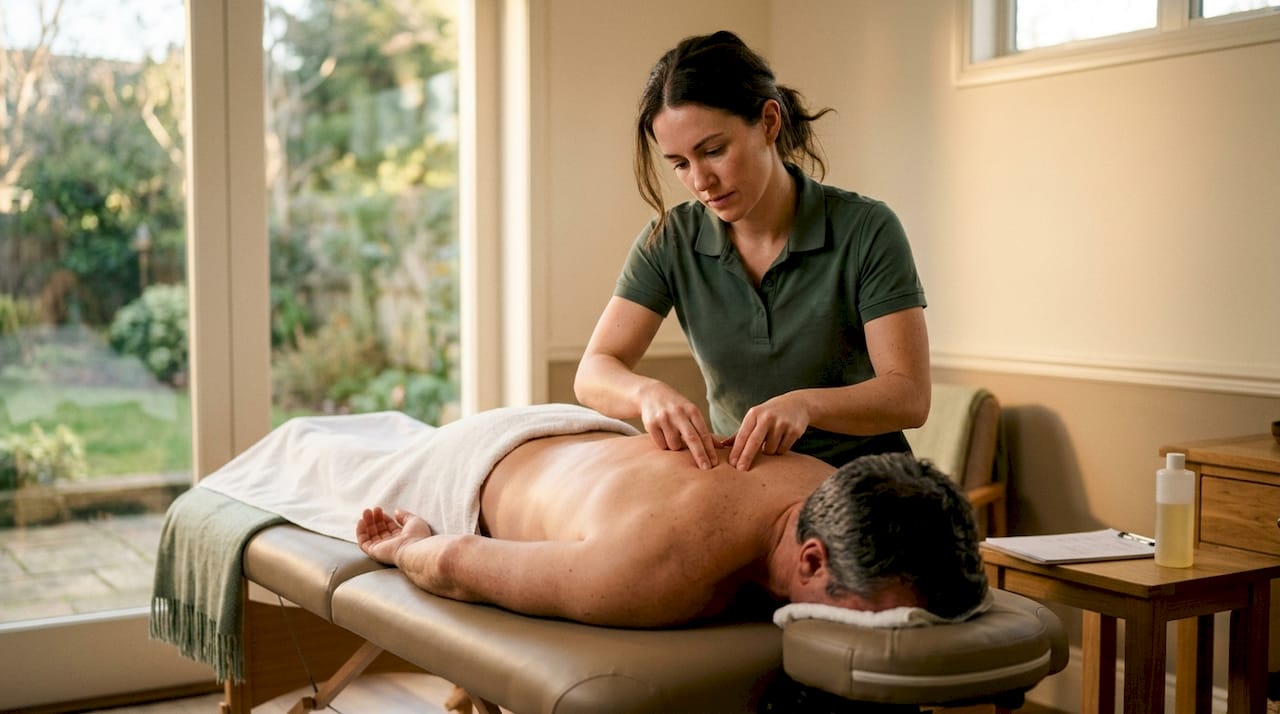
Neuromuscular therapy (NMT) is a clinical manual therapy that targets the root causes of chronic muscle pain by treating dysfunctional soft tissue and nerve-muscle communication directly. Unlike a general massage, NMT addresses five core factors of pain: muscle ischemia, trigger points, nerve compression, postural distortion, and biomechanical movement dysfunction. The result is restored circulation, reduced pain, and improved functional movement. If you are dealing with chronic neck pain, sciatica, or recurring tension headaches, NMT offers a structured, clinical path toward lasting relief rather than temporary comfort.
What conditions does neuromuscular therapy treat?
NMT is used to treat a wide range of musculoskeletal and nerve-related conditions. Its primary goal is restoring functional movement rather than just easing symptoms. That distinction matters because many people live with pain that keeps coming back precisely because the root cause was never addressed.
Common conditions treated with NMT include:
Chronic low back pain and neck pain. NMT releases contracted muscles and restores circulation to oxygen-deprived tissue, which is often the hidden driver of persistent spinal pain.
Sciatica. Nerve compression along the sciatic pathway responds well to sustained pressure techniques that reduce tissue tension around the nerve.
Tension headaches. Trigger points in the neck and upper back frequently refer pain to the head. NMT directly deactivates those trigger points.
TMJ dysfunction. Jaw pain linked to the temporomandibular joint often involves muscle imbalances in the neck and jaw. If you want to understand how physical therapy addresses TMJ, the TMJ physical therapy guide at Contemporaryrehabservices covers this in detail.
Sports injuries and post-injury rehabilitation. NMT restores normal muscle tone and movement patterns after acute injuries, reducing the risk of re-injury.
Postural distortion. Desk workers and people with sedentary habits often develop chronic muscle imbalances. NMT corrects those patterns at the tissue level.
NMT also plays a meaningful role in injury prevention. By identifying and treating muscle imbalances before they cause injury, regular NMT sessions help athletes and active adults maintain better movement quality. The therapy does not just fix what is broken. It helps keep the body functioning well over time.
How does neuromuscular therapy work?
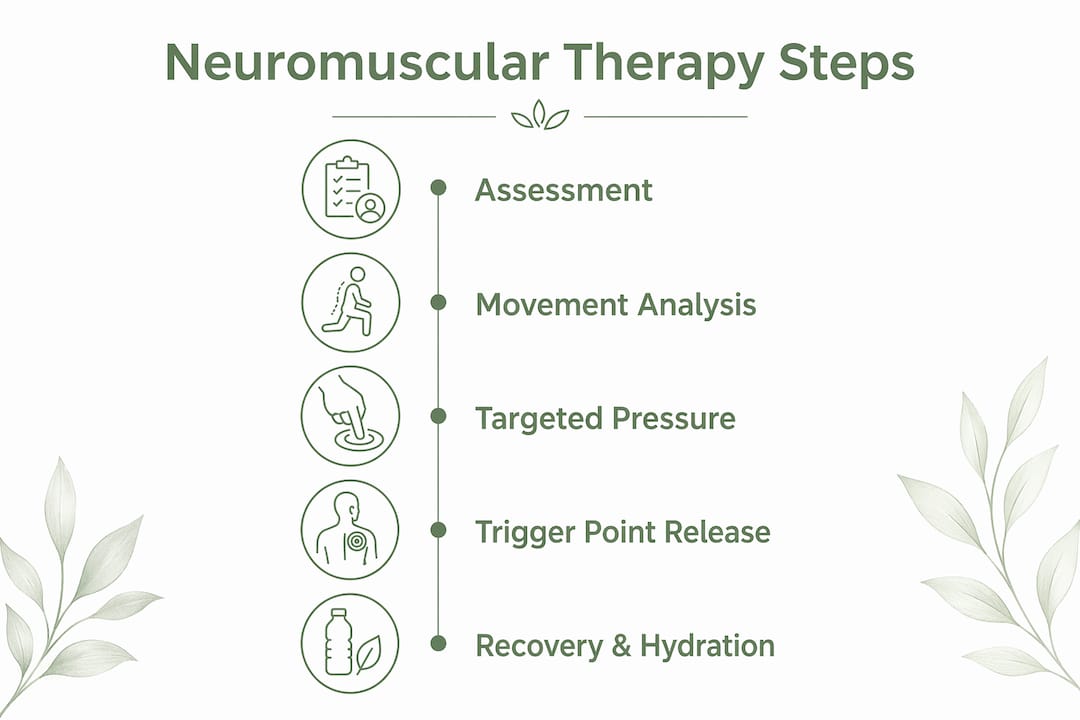
NMT follows a structured clinical process that sets it apart from general massage. Every session begins with assessment, not treatment. The therapist evaluates your posture, movement patterns, and muscle tone through observation and hands-on palpation. This assessment phase identifies where dysfunction exists and why.
Treatment then follows a specific sequence:
Ischemic compression. The therapist applies sustained, direct pressure to a trigger point, restricting blood flow momentarily. When pressure releases, fresh oxygenated blood floods the area, breaking the pain-spasm cycle.
Trigger point therapy. Trigger points, nerve pathways, and pain referral patterns are mapped and treated systematically. A trigger point in your shoulder may be causing your headache. NMT finds that connection and treats it.
Myofascial release. Slow, sustained pressure is applied to the fascia, the connective tissue surrounding muscles, to release restrictions that limit movement.
Sustained pressure with fingers, knuckles, or elbows. The therapist uses these tools to apply precise pressure to deeper tissue layers that general massage strokes cannot reach.
Nerve-muscle re-education. After releasing contracted tissue, the therapist guides the nervous system toward accepting a new, healthier resting tone.
A typical NMT session starts with a 10–15 minute intake and movement analysis before any hands-on work begins. That upfront assessment is what makes the treatment targeted rather than general.
Pro Tip: If you feel sharp, localized discomfort during sustained pressure, that is often a sign the therapist has found an active trigger point. Communicate openly with your therapist about your pain level so they can adjust pressure and maximize the release.

The contrast with traditional massage is clear. Swedish massage uses long gliding strokes to promote relaxation. NMT uses short, specific, sustained pressure to correct dysfunction. One feels good in the moment. The other changes how your body functions over time.
How is neuromuscular therapy different from massage and physical therapy?
Many patients arrive at their first NMT session expecting a relaxing spa experience. That misunderstanding is worth clearing up directly. NMT is structured, clinical, and results-driven, not a spa massage. The table below shows the key differences across three therapy types.
Feature | Neuromuscular therapy | Traditional massage | Physical therapy |
Primary goal | Restore function, relieve root cause pain | Relaxation and stress relief | Strengthen muscles, restore mobility |
Assessment | Clinical posture and movement analysis | Minimal or none | Comprehensive functional evaluation |
Techniques | Trigger point release, ischemic compression, myofascial release | Long gliding strokes, kneading | Exercise, stretching, modalities |
Sensation | Therapeutic discomfort at trigger points | Relaxing, gentle pressure | Variable, often active effort |
Session focus | Specific dysfunctional tissue | General muscle relaxation | Movement and strength patterns |
Best for | Chronic pain, nerve compression, muscle imbalance | Stress, mild muscle tension | Post-surgical rehab, strength deficits |
Physical therapy focuses on rebuilding strength and restoring movement through exercise and functional training. NMT focuses on releasing the soft tissue and nerve-muscle dysfunction that prevents those exercises from working properly. The two approaches complement each other well, which is why many rehabilitation programs include both. You can read more about how manual therapy supports pain relief in the Contemporaryrehabservices resource library.
Multiple sessions are almost always necessary. NMT functions as a form of body-system re-education, retraining the nervous system’s danger signals and restoring normal muscle tone gradually. One session can produce noticeable relief, but lasting change requires consistent treatment over weeks.
What to expect during a neuromuscular therapy session
Knowing what a session looks like helps you get more out of it. Here is what a standard NMT appointment involves:
Intake and movement assessment. Your therapist will ask about your pain history, daily habits, and movement limitations. They will observe your posture and test your range of motion before touching you.
Palpation-based evaluation. Clinical practitioners spend substantial session time on palpation-based assessments to identify postural and muscle imbalances. This hands-on evaluation pinpoints exactly where dysfunction lives.
Targeted pressure work. The therapist applies sustained pressure to trigger points and restricted tissue. You will likely feel a deep, specific ache at the treatment site. That sensation is normal and expected.
Guided breathing and active movement. Practitioners incorporate breathing and active movement during sessions to help the nervous system accept tension release. Your active participation makes the therapy more effective.
Post-session feedback. Your therapist will explain what they found and what to expect in the days following treatment.
Therapeutic discomfort in NMT is generally a positive sign of effective trigger point release. It helps reset nerve-muscle communication rather than causing harm. That said, the discomfort should feel productive, not unbearable. Always tell your therapist if the pressure is too intense.
Pro Tip: Drink water after your session and avoid intense exercise for 24 hours. Your nervous system and soft tissue need time to integrate the changes made during treatment.
Sessions typically run 60–90 minutes. Most treatment plans involve weekly or biweekly sessions over 4–8 weeks, depending on the severity and duration of your condition.
How NMT fits into a broader rehabilitation plan
Chronic pain rarely has a single cause. NMT is most effective when integrated with physical therapy and lifestyle modifications to sustain results. A multidisciplinary approach produces better outcomes for pain management and rehabilitation. NMT releases the tissue dysfunction, and physical therapy builds the strength and movement patterns that prevent it from returning.
Lifestyle factors also matter. Sleep quality, hydration, stress levels, and daily movement habits all influence how quickly your nervous system and muscles respond to treatment. Patients who combine NMT with structured exercise and ergonomic adjustments at work tend to see faster and more durable improvements. The physical therapy in rehabilitation guide at Contemporaryrehabservices explains how these pieces fit together.
Integration with structured rehabilitation plans, including exercises and lifestyle changes, is what sustains the neuromuscular improvements achieved during therapy. Without that support structure, the body tends to revert to old patterns. Think of NMT as resetting the system and rehabilitation as teaching the system to stay reset.
Key Takeaways
Neuromuscular therapy is a clinical manual therapy that treats the root causes of chronic pain, not just the symptoms, making it one of the most targeted options for lasting muscle and nerve relief.
Point | Details |
Root cause treatment | NMT targets trigger points, nerve compression, and muscle ischemia rather than surface-level symptoms. |
Clinical assessment first | Every session begins with posture and movement analysis before any hands-on treatment begins. |
Therapeutic discomfort is normal | Localized aching during pressure indicates effective trigger point release and nerve-muscle reset. |
Multiple sessions required | Lasting results come from consistent treatment over weeks, not a single appointment. |
Best results with rehab integration | Combining NMT with physical therapy and lifestyle changes produces the most durable pain relief. |
Why NMT is worth taking seriously
Patients often walk into their first NMT session expecting something close to a relaxation massage. They walk out surprised. The work is specific, sometimes intense, and nothing like what most people picture when they hear “manual therapy.” That gap between expectation and reality is the biggest obstacle I see people face when starting NMT.
What I have observed consistently is this: patients who commit to the process and communicate openly with their therapist get results that other treatments could not deliver. The person who has tried chiropractic care, general massage, and over-the-counter pain relief without lasting success often finds that NMT finally addresses what those other approaches missed. That is not a coincidence. NMT goes after the actual dysfunction rather than managing the sensation of it.
My strongest advice is to choose a therapist with formal NMT training and clinical experience, not just someone who learned trigger point work as an add-on to a general massage certification. Ask about their assessment process. A qualified NMT practitioner will spend real time evaluating your movement and posture before applying any pressure. If they skip that step, find someone else.
Commit to the full treatment plan. NMT requires multiple sessions and patient commitment to re-educate the nervous system and restore normal function. Stopping after one or two sessions because the pain has reduced is one of the most common reasons people relapse. The nervous system needs repetition to hold a new pattern. Give it that repetition and the results tend to stick.
— Tj
Neuromuscular therapy at Contemporaryrehabservices
Contemporaryrehabservices is a boutique physical therapy clinic in Albertson, NY, serving patients across Queens and Nassau County. The clinic integrates neuromuscular therapy with physical therapy and rehabilitation programs, creating personalized treatment plans for chronic pain, sports injuries, and post-injury recovery.
Contemporaryrehabservices accepts Medicare, Aetna, Cigna, Emblem, and United Healthcare plans, making specialized care accessible without financial barriers. Whether you are managing chronic back pain, recovering from an injury, or exploring NMT for the first time, the team at Contemporaryrehabservices can help you find the right path forward. Explore the full range of therapy services offered or book a consultation at the Searingtown, NY location to get started.
FAQ
What is neuromuscular therapy used for?
Neuromuscular therapy treats chronic low back pain, neck pain, sciatica, tension headaches, TMJ dysfunction, and sports injuries. Its primary goal is restoring functional movement by addressing trigger points, nerve compression, and muscle imbalances at their source.
Is neuromuscular therapy painful?
NMT involves therapeutic discomfort, particularly during sustained pressure on trigger points. That discomfort is a normal and positive sign of effective tissue release, not harm, and patients are encouraged to communicate with their therapist throughout the session.
How many neuromuscular therapy sessions do I need?
Most treatment plans involve weekly or biweekly sessions over 4–8 weeks. The nervous system requires repeated input to hold new patterns, so committing to the full plan produces significantly better results than stopping after one or two sessions.
How is neuromuscular therapy different from regular massage?
Regular massage uses long gliding strokes to promote relaxation. NMT uses sustained, targeted pressure on specific trigger points and dysfunctional tissue to restore nerve-muscle function. NMT begins with a clinical assessment; general massage typically does not.
Can neuromuscular therapy be combined with physical therapy?
Yes, and the combination produces better outcomes than either approach alone. NMT releases soft tissue dysfunction and resets nerve-muscle communication, while physical therapy rebuilds strength and movement patterns that prevent the dysfunction from returning.
Recommended
Comments