
Body alignment: Improve balance, reduce pain, and feel better
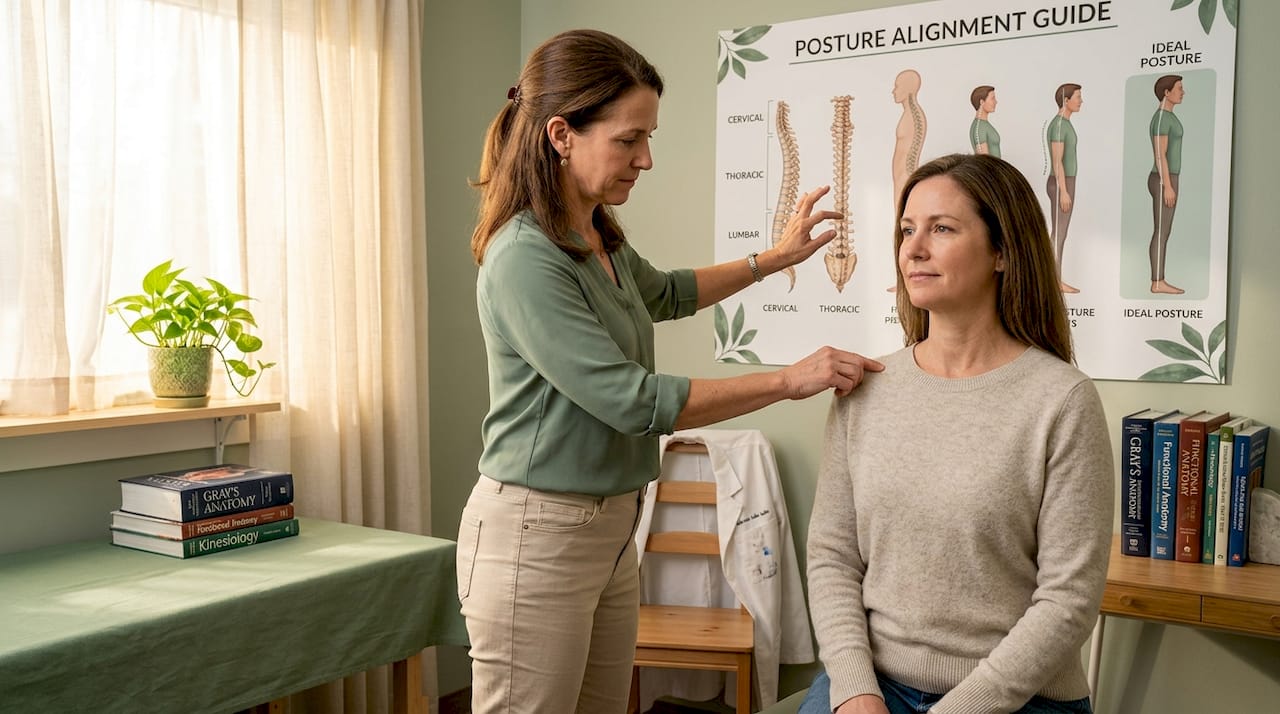
Most people assume that standing up straight equals good alignment. But that’s only part of the picture. True body alignment is about how all your major body segments, including your head, shoulders, spine, hips, and feet, relate to each other during movement and at rest. When those segments are out of balance, your muscles compensate, joints wear unevenly, and pain builds over time. Whether you’re in Queens, Nassau County, or nearby Albertson, NY, understanding alignment can be the first step toward lasting relief and better wellness.
Table of Contents
Key Takeaways
Point | Details |
Body alignment basics | Proper alignment means balanced position of key body segments to improve stability and reduce strain. |
Assessment matters | Evidence-based measurement helps clarify alignment issues and guides effective treatment. |
Therapies compared | Physical therapy and craniosacral therapy offer distinct but complementary options for improving alignment. |
Wellness impact | Better alignment can lead to less pain, improved movement, and greater overall wellness. |
Local support available | Quality therapy services in Queens and Nassau County provide guidance for assessment and lasting results. |
What is body alignment? Core principles and why it matters
Body alignment is not the same as good posture, though the two are related. Posture describes how you hold yourself in a specific moment, like sitting at a desk or standing in line. Alignment is broader. It looks at whether all the major regions of your body are positioned in a balanced way relative to each other, and whether that balance supports efficient movement and reduces strain on muscles and joints.
Body alignment generally refers to how body segments such as the head, shoulders, spine, hips, and feet relate to each other, with the goal of balanced positioning that can improve stability and reduce excess strain. When alignment is off, it creates a chain reaction. For example, if your hips tilt forward, your lower back curves excessively, your shoulders round forward to compensate, and your neck strains to keep your eyes level. Every segment affects the one above and below it.
Key benefits of proper body alignment include:
Reduced muscle tension and fewer tension-related headaches
Better joint stability and a lower risk of overuse injuries
Improved balance and coordination during daily activities
Less stress on the spine, which can ease chronic back and neck pain
Greater efficiency in movement, which reduces fatigue
One important misconception is that alignment problems only affect athletes or people with existing injuries. In reality, postural imbalances are extremely common among desk workers, older adults, and anyone whose daily routines involve repetitive movements or prolonged sitting. The good news is that misalignment is rarely permanent. With the right expert physical therapy, most people see measurable improvement.
Statistic spotlight: Research suggests that musculoskeletal conditions affecting posture and alignment are among the leading contributors to disability worldwide, making early detection and treatment essential for long-term wellness.
How is body alignment assessed? Evidence-based methods
With basic principles established, the next step is understanding objective ways to assess your body’s alignment. Many people have been told they “look like” they have alignment issues after a quick visual check, but that approach is highly subjective. Modern physical therapy uses structured, reproducible techniques to actually measure posture and alignment accurately.
Postural and alignment assessment can be done with reproducible, noninvasive measurement protocols using reference values, such as photometric sagittal posture analysis. Photometric sagittal posture analysis, or PSPA, is a method that uses photographs or video taken from the side of the body to measure specific angles and positions of body segments. It compares those measurements against established reference values to identify deviations from expected norms. This removes much of the guesswork from assessment and gives your therapist a clear baseline to track progress over time.
Common assessment tools used in physical therapy settings:
Assessment method | What it measures | Key advantage |
Photometric sagittal posture analysis | Spinal curves, segment angles | Noninvasive and reproducible |
Plumb line assessment | Vertical alignment of body segments | Simple visual reference tool |
Gait analysis | Movement patterns and weight distribution | Captures dynamic alignment |
Range of motion testing | Joint mobility and restrictions | Identifies functional limitations |
A typical clinical alignment assessment might follow these steps:
Intake and history review: Your therapist asks about your pain, daily habits, and previous injuries to understand contributing factors.
Static posture observation: You stand naturally while your therapist observes your overall positioning from front, back, and side.
Photometric or measurement-based analysis: Standardized photos or measurements are taken to quantify segment positions.
Functional movement screening: You perform basic movements like bending, squatting, or walking to reveal how alignment holds up under load.
Findings and goal-setting: Your therapist discusses specific deviations found and builds a treatment plan targeting those areas.
Understanding what affects poor posture and pain is important because it guides which interventions you need. The measurement process also helps set realistic expectations for the rehabilitation process, so you know what progress looks like and when you’re achieving it.
Pro Tip: If you’re seeking an alignment assessment, ask your provider whether they use standardized measurement protocols with reference values. Assessments grounded in evidence-based posture assessment methods give you a much clearer, more actionable picture than visual observation alone.
Manual therapies: Physical therapy and craniosacral therapy for body alignment
Once you know your alignment status, discovering effective therapies becomes the logical next step. Two of the most valuable manual approaches available in the Queens and Nassau County area are traditional physical therapy and craniosacral therapy, or CST. Both are hands-on, noninvasive, and can be customized to your specific alignment needs.
Physical therapy for alignment typically involves a combination of manual joint and soft tissue techniques, targeted strengthening exercises, and movement retraining. A physical therapist may use myofascial release to address tight connective tissue, spinal mobilization to restore normal joint movement, or neuromuscular re-education to retrain the way your muscles fire during everyday tasks. The goal is to correct the root causes of misalignment rather than simply relieving symptoms temporarily.
Craniosacral therapy, or CST, takes a different and often complementary approach. CST is often marketed as a gentle manual approach intended to assess and facilitate balance within the craniosacral system via light touch and supportive techniques. The craniosacral system includes the membranes and fluid surrounding the brain and spinal cord. During a session, a trained therapist uses very light pressure, typically no more than the weight of a nickel, to detect and gently release restrictions in this system. Many patients in Nassau County report feeling deeply relaxed and experiencing reduced tension in the neck, back, and hips after CST.
Understanding what craniosacral therapists actually do helps you know what to expect before your first session. It is not manipulation or forceful adjustment. It is a quiet, careful process of listening to the body and encouraging it toward balance.
Research comparing manual therapy approaches:
Therapy type | Primary mechanism | Evidence for alignment/balance |
Physical therapy (PT) | Strengthening, mobilization, retraining | Strong, well-established evidence base |
Craniosacral therapy (CST) | Light touch, craniosacral release | Emerging research for chronic pain and balance |
Muscle energy technique (MET) | Active muscle contractions against resistance | Supported for spinal alignment and mobility |
Spinal manipulative therapy (SMT) | High-velocity joint adjustments | Established for acute back and neck pain |
CST vs other therapies: There is some empirical research comparing CST with other interventions for postural control in non-specific chronic low back pain, suggesting possible balance-related benefits in some outcomes. While more research is always welcome, this evidence supports the use of CST as part of a broader treatment program rather than a standalone solution.
Who may benefit most from CST alongside physical therapy:
People with chronic neck or back pain that has not responded well to conventional treatment
Individuals experiencing tension-related headaches or TMJ discomfort
Older adults seeking gentle, non-forceful therapy to improve balance and reduce fall risk
Anyone recovering from trauma or long-term stress-related tension patterns
If you’re interested in exploring CST in Albertson, our team offers both physical therapy and craniosacral therapy under one roof, making it easy to coordinate your care without juggling multiple providers.
How improved alignment translates to wellness and pain relief
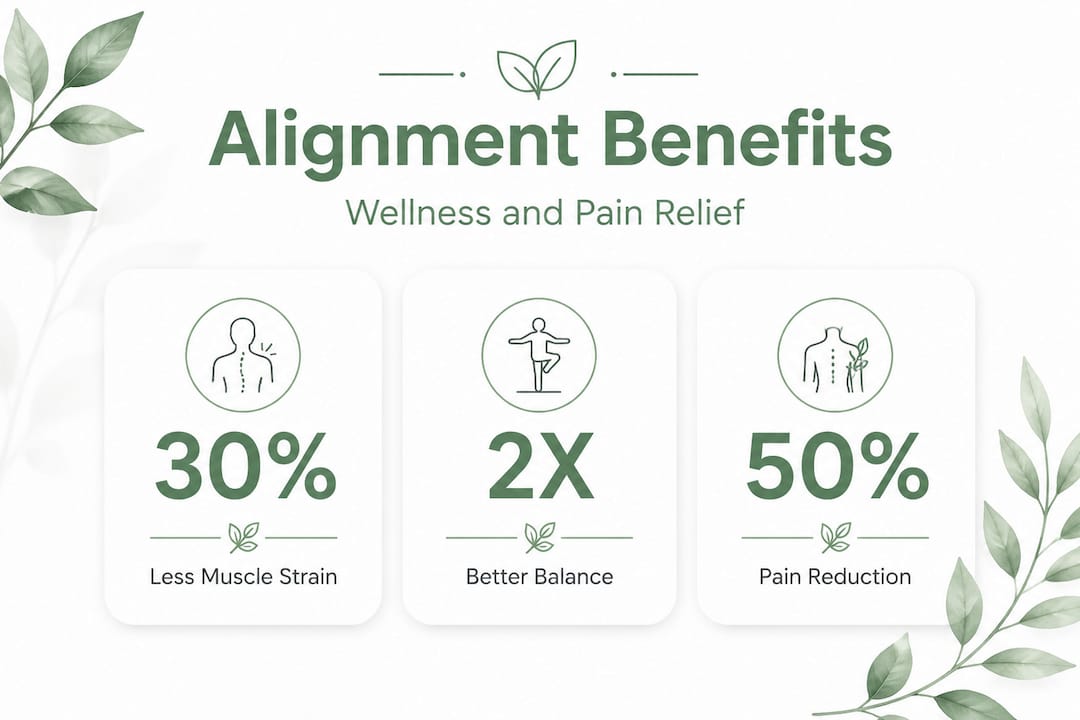
Now that you know your treatment options, it’s important to see how these translate to everyday wellness and pain relief. Understanding concepts is one thing. Feeling better in your daily life is the real goal.
When your body segments are aligned properly, your muscles don’t have to work as hard to hold you upright. Less unnecessary muscle work means less chronic tension and fewer pain flares. For someone dealing with persistent neck and back pain, correcting underlying alignment issues often produces relief that pain medication alone cannot deliver, because it addresses the source rather than just the symptom.

Consider a common scenario: A Nassau County resident in their 50s works a desk job, drives long distances, and has been dealing with lower back pain for years. They stretch occasionally but nothing holds. After a professional assessment, it becomes clear that their hips are anteriorly tilted, their core is underactive, and their thoracic spine, the mid-back area, is stiff. Physical therapy targeting those specific findings, combined with CST to release deep tension, produces a meaningful shift in how they feel and move within just a few weeks.
The alignment basics that address balanced segment positioning also directly reduce excess strain on your body’s joints and connective tissues over time. This is especially important as we age, since joint health and fall prevention become bigger priorities after 50.
Practical steps you can take starting today:
Check your workstation: your screen should be at eye level, and your feet should rest flat on the floor
Take movement breaks every 30 to 45 minutes if you sit for long periods
Strengthen your core with guidance from a physical therapist, not just generic internet exercises
Be aware of how you sleep: side sleeping with a pillow between your knees supports spinal alignment
Seek professional assessment if pain has persisted for more than a few weeks, especially if it affects your daily activities
Addressing postural imbalances early prevents compensatory patterns from becoming deeply ingrained. The longer misalignment goes uncorrected, the more surrounding muscles and joints adapt in unhelpful ways, making treatment more involved.
Pro Tip: Small, consistent changes to your daily movement habits can reinforce the gains from therapy. Ask your physical therapist for two or three alignment-friendly habits specific to your lifestyle, such as how to sit in your car, how to lift bags, or how to stand while waiting in line. These micro-corrections add up significantly over weeks and months.
“Correcting body alignment is not about achieving perfection. It’s about removing unnecessary strain so your body can function the way it was designed to.”
What most articles miss about body alignment: Measurement, outcomes, and real impact
Here’s something worth saying plainly: a lot of alignment advice out there is vague and hard to act on. You may have read things like “stand tall,” “pull your shoulders back,” or “engage your core,” but without knowing your specific alignment patterns, that advice may or may not apply to you. Worse, it may address a symptom while the actual issue remains untouched.
In our experience at Contemporary Rehab Services, the patients who make the most meaningful progress are the ones whose therapists measure specific parameters and track functional outcomes. “Alignment” claims can be vague unless anchored to measurable posture parameters or functional outcomes. Using structured posture measurement approaches, like photometric sagittal reference-value protocols, can help reduce subjectivity and lead to more targeted treatment. That precision matters.
There is also a tendency in wellness circles to treat alignment as an end in itself. It is not. Alignment is a means to an end. The end is that you feel better, move better, and live with less pain. If a treatment improves your measurable alignment and outcomes but you don’t feel any functional difference, something is missing from the picture.
This is why we believe expert PT wisdom must always be paired with outcome-focused thinking. A skilled physical therapist doesn’t just correct what they see on a posture screen. They ask: Is this patient walking better? Are they sleeping better? Can they do the things they couldn’t do before? Those are the questions that separate good care from great care.
The other nuance most articles skip is that alignment exists on a spectrum. Very few people have perfect alignment, and that’s fine. The clinical goal is not perfection. It is reducing the patterns that are actively contributing to pain, dysfunction, or risk of injury. That’s a much more realistic and helpful framing, and it’s one we use with every patient we see in Nassau County and Queens.
Find expert support for body alignment in Queens and Nassau County
After understanding the importance and practical impact of body alignment, it helps to know where to find high-quality support locally. If you’re ready to move from understanding to action, Contemporary Rehab Services in Albertson, NY is here to help.
We offer personalized CST and physical therapy services designed specifically for people in Queens and Nassau County who want real, lasting improvement in how their body feels and functions. Our team uses evidence-based assessment methods to identify your specific alignment challenges, then creates a treatment plan that fits your body, your lifestyle, and your goals. We also have a convenient East Williston PT location for those on Long Island. We accept Medicare, Aetna, Cigna, Emblem, and United Healthcare plans. Explore our full range of therapy options or contact us today to schedule your initial assessment.
Frequently asked questions
What are the main symptoms of poor body alignment?
Common symptoms include pain, muscle tightness, instability, and limited mobility, often affecting the neck, back, hips, and feet, all of which stem from unbalanced segment positioning placing excess strain on muscles and joints.
How can I check my own body alignment at home?
You can perform basic visual checks in a mirror for symmetry and balanced weight distribution, but professional alignment protocols using reproducible measurement tools provide far more precise and actionable results.
Is craniosacral therapy safe and suitable for everyone?
Craniosacral therapy is a gentle, light-touch approach that is generally well-tolerated, but you should discuss it with your healthcare provider to confirm it’s appropriate for your individual health situation.
How long does it take to see improvement with alignment-focused therapies?
Many people notice meaningful changes within several sessions of physical therapy or CST, though individual results vary based on the severity of misalignment, overall health, and the specific treatment approach used.
Recommended
Comments