
6–8 Week Hip Pain Physical Therapy Plan, Clinically Backed

Physical therapy is a first-line, evidence-based treatment that can reduce hip pain and restore function for many common causes. Clinical practice guidelines recommend structured exercise and physical therapist guidance as core treatment for hip osteoarthritis, and clinics like CRS Wellness build programs around that same evidence. This guide covers the safe way to start, plus the red flags that mean you should see a professional first.
TL;DR:
Most effective treatment begins with structured exercise targeting strength and mobility, supported by systematic review evidence showing improvements in pain and function.
Self-care exercises should start at low intensity, with careful screening for red flags such as recent trauma, infection signs, or medication use, to prevent worsening symptoms.
Progressive routines involve initial mobility drills, followed by strength and stability exercises, gradually increasing in reps, resistance, and complexity over 6 to 8 weeks.
Persistent or worsening symptoms after 4 to 6 weeks of self-managed exercise indicate the need for professional evaluation and personalized therapy plans.
In-person or telehealth physical therapy sessions, with manual therapy options, help address complex or non-responsive cases, focusing on restoring function rather than eliminating pain entirely.
Table of Contents
Common causes of hip pain and how to tell hip from spine pain
Hip pain has several possible sources, and figuring out which one you have shapes the whole treatment plan. The most frequent culprits include:
Hip osteoarthritis, which causes deep groin pain and stiffness, especially after rest.
Greater trochanteric pain syndrome (often called hip bursitis), marked by tenderness on the outside of the hip.
Labral tears or femoroacetabular impingement, which produce catching or pinching sensations with deep hip flexion.
Tendinopathy of the hip flexors or gluteal tendons, which worsens with repetitive loading.
Stress fractures, which need urgent evaluation, especially in athletes or people with low bone density.
Referred pain from the spine or sacroiliac joint, which can mimic hip symptoms.
Groin pain and trouble putting on shoes or getting out of a car often point to the hip. Pain radiating below the knee, numbness, or tingling more often points to the spine. Seek urgent care if you have fever, cannot bear weight at all, notice progressive weakness or numbness, or have a history of cancer.
What a physical therapist does to treat hip pain
A physical therapist starts with a detailed history, then examines your movement patterns, gait, strength, and range of motion, while screening for signs that the pain is coming from your spine rather than your hip. This assessment shapes an individualized plan rather than a generic exercise sheet.
Core physical therapy treatments typically include:
Individualized exercise prescription targeting strength, mobility, and neuromuscular control.
Manual therapy techniques used as an adjunct to active exercise, not a replacement for it.
Education on activity modification, pacing, and gait mechanics.
Systematic review evidence shows exercise therapy produces small-to-moderate improvements in pain and function for hip osteoarthritis, often sustained for several months after treatment. This holds according to pooled trial data, and it is one reason exercise sits at the center of most treatment guidelines rather than as an afterthought. Physical therapists are trained to individualize that exercise dose so it fits your specific hip condition, which matters more than following a one-size-fits-all routine. Our guideline-backed approach to hip osteoarthritis follows this same model.
Precautions and how to start hip exercises safely at home
Before starting any home program, screen yourself for a few conditions that call for professional guidance first:
Recent trauma, fall, or suspected fracture in the hip or pelvis.
Signs of infection such as fever, redness, or warmth around the joint.
Use of blood thinners, severe osteoporosis, or recent hip surgery.
Sudden, unexplained hip pain with no clear cause.
Mild soreness for a day after exercise is normal and expected. Sharp pain, pain that worsens with each session, or pain that wakes you at night is not, and it means you should stop and reassess. Use a flat, non-slip surface, supportive shoes, and simple equipment like a resistance band and a mat. If pain persists past a week or two of careful self-management, a supervised session with a physical therapist helps confirm you are doing the right exercises correctly. Our post on what counts as normal post-exercise soreness walks through this distinction in more detail.
Pro Tip: Start every new exercise at half the reps you think you can do, then build up over a few sessions once you know how your hip responds.

Exercises for hip pain: mobility, strength, and stability work

A well-rounded hip program moves through four stages: mobility, activation and strength, neuromuscular control, and low-impact cardio. Skipping straight to strength work before your hip can move comfortably tends to backfire.
Mobility drills come first and should feel like a gentle stretch, never pain:
Standing hip flexor stretch, held 20 to 30 seconds per side, repeated 2 to 3 times.
Seated butterfly stretch for the inner hip and groin, held 30 seconds.
Gentle internal and external rotation mobilizations while lying down, 10 slow reps each direction.
Activation and strength exercises build the muscles that support the joint:
Glute bridges, starting with 2 to 3 sets of 8 to 15 reps, progressing to single-leg bridges as strength improves.
Clamshells with a resistance band, 2 sets of 12 to 15 reps per side.
Straight leg raises, 2 to 3 sets of 10 reps, useful when deeper hip flexion is still painful.
Standing hip abduction against light resistance, 2 sets of 12 reps per side.
Short-arc quad sets, especially helpful when knee pain accompanies hip pain.
Neuromuscular control and stability work comes once basic strength is established:
Lateral band walks, 2 sets of 10 steps in each direction, keeping the knees tracking over the toes.
Single-leg balance, starting at 20 to 30 seconds and progressing to an unstable surface.
Controlled step-downs from a low step, 2 sets of 8 reps per side, watching for the knee caving inward, which is the most common error.
Low-impact cardio rounds out the plan. Walking, stationary cycling, and aquatic therapy all load the hip without the impact of running, and gradually increasing walking distance or cycling time supports the strength gains from the other exercises. If knee pain or limited range of motion make any of these uncomfortable, shorten the range, reduce resistance, or substitute a seated variation rather than skipping the movement pattern altogether. Our clinic-led plan for hip bursitis includes specific modifications for outer hip pain.
How to progress your routine and actually stick with it
Progression follows a simple ladder: increase reps first, then add resistance, then increase movement complexity. A typical 6 to 8 week plan might move from basic bridges and clamshells in the first two weeks, to banded strength work and balance drills by weeks three and four, to step-downs and longer walking bouts by weeks six through eight.
Step back and reduce intensity if you notice increased pain, swelling, or stiffness the next morning.
Ask for a supervised session if a specific exercise consistently causes sharp pain despite modification.
Keep sessions short, around 15 to 20 minutes, so the routine fits into a normal day.
Use reminders or a simple log to track what you did and how your hip responded.
Brief supervised check-ins, including telehealth sessions, have been shown to improve adherence to exercise programs, which matters because the benefits of hip exercise depend on consistency over weeks, not a single good session.
Pro Tip: Pair your hip exercises with an existing habit, like doing clamshells while watching the evening news, so you don’t have to rely on willpower alone.
When self-care isn’t enough: getting a professional evaluation
Self-guided exercise works for many people, but certain signs mean it’s time to bring in a physical therapist:
No improvement after 4 to 6 weeks of consistent, careful self-management.
Functional limits that persist, such as difficulty climbing stairs or walking normal distances.
Symptoms that are progressively worsening rather than staying stable or improving.
Any of the red flags mentioned earlier in this guide.
At a first appointment, expect a thorough movement assessment, a discussion of your goals, and a short-term plan with specific milestones. Many states allow direct access to a physical therapist without a referral, though insurance coverage and requirements vary, so it helps to check your plan beforehand. Bring a list of your symptoms, any imaging reports, and your current medications to make the first visit more productive.
How CRS Wellness approaches hip pain
A physical therapy clinic offers in-person and telehealth sessions, along with manual therapy techniques including craniosacral therapy, myofascial therapy, joint mobilization, neural mobilization, and visceral therapy. These approaches complement the exercise-based care outlined above rather than replacing it.
Accepts various insurance plans, along with direct cash payment.
Offers telehealth PT sessions for patients who prefer remote check-ins.
Publishes educational guides on specific hip conditions, including hip replacement recovery milestones for patients considering or recovering from surgery.
A clinician’s perspective on realistic hip rehab
Hip pain rarely stays isolated to the hip joint. Effective rehab usually looks at the core, low back, and lower limb together, because compensations in those areas often explain why pain persists despite hip-only exercises. The honest goal of physical therapy isn’t erasing pain completely. It’s restoring enough function that you rely less on medication and move through your day with confidence.
— CRS Wellness
Getting started with physical therapy for your hip pain
A clinic offers in-person and telehealth physical therapy sessions, along with manual therapy options for patients whose hip pain hasn’t responded to self-management alone, accepting various insurance plans.
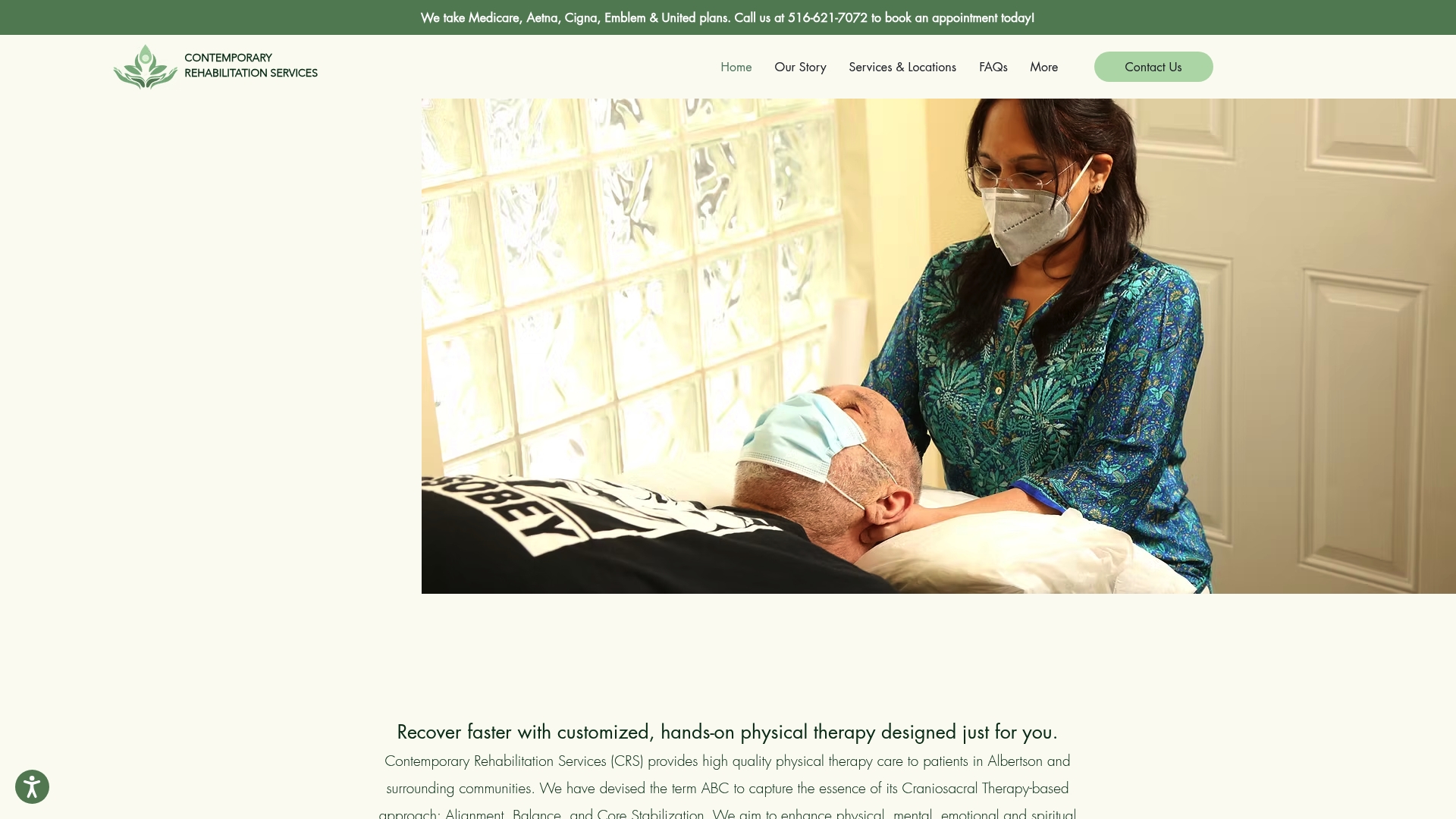
To book a session, visit the main services page or review the full list of manual therapy and rehabilitation services. Bring a summary of your symptoms and any relevant imaging to your first appointment so your therapist can build a plan around your specific hip condition.
Sources
This guide draws on systematic review evidence for exercise therapy, clinical practice guideline reviews, and the AAFP summary on hip osteoarthritis management.
This article is general information, not a substitute for advice from a qualified doctor. Consult a qualified healthcare professional about your own circumstances before acting on anything here.
FAQ
What do physical therapists do for hip pain?
Physical therapists assess your movement, strength, and gait, then build an individualized program combining exercise, manual therapy, and education. This approach is supported by clinical guidelines that recommend exercise as first-line care for hip osteoarthritis and many other hip conditions.
What are some ways to relieve hip pain?
Gentle mobility stretches, targeted strengthening exercises like glute bridges and clamshells, and low-impact cardio such as walking or cycling can all reduce hip pain over time. Activity modification and proper footwear also reduce strain on the joint while you rehab.
Does heat help hip pain?
Heat can ease stiffness and muscle tension around the hip, making it easier to move comfortably before exercise. It works best as a complement to active treatment like exercise rather than as a standalone fix.
What could be causing pain in the side of my hip?
Pain on the outer side of the hip is often greater trochanteric pain syndrome, sometimes called hip bursitis, which involves tenderness over the bony point of the hip. A physical therapist can distinguish this from deeper joint issues like arthritis or a labral tear through a focused exam.
Recommended
Comments