
Manual Therapy for Arthritis: Ease Pain and Move Better
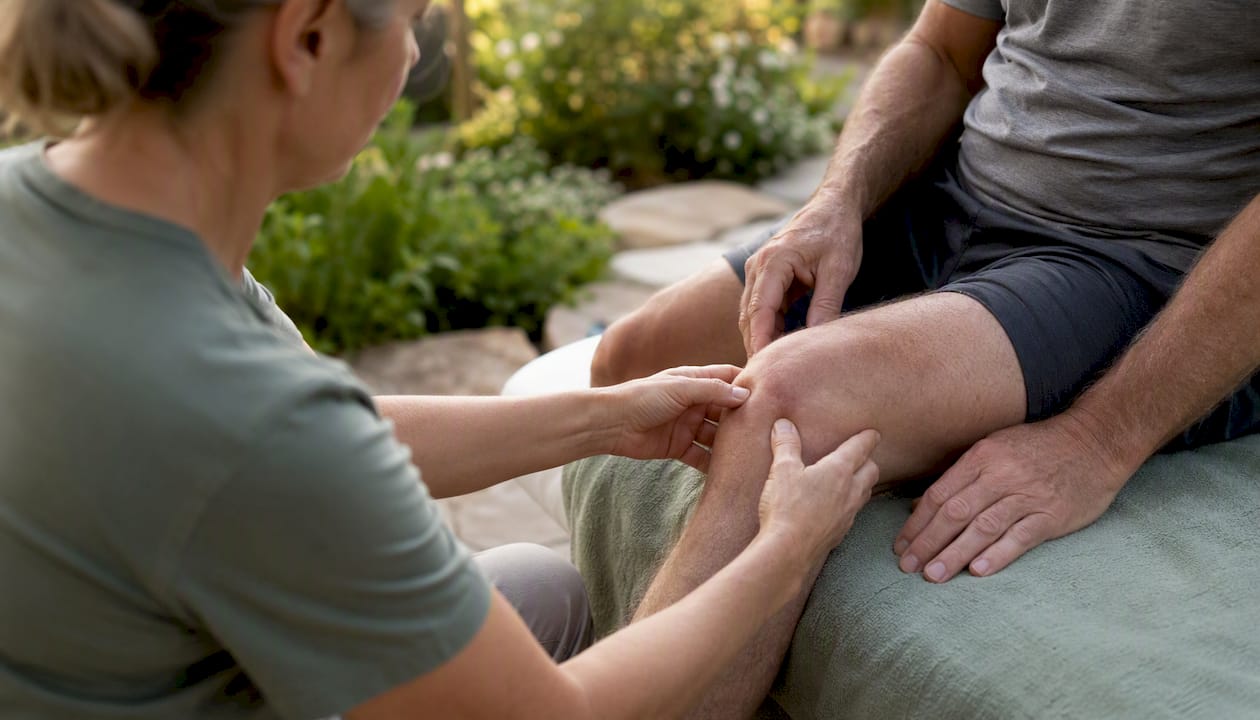
Manual therapy for arthritis provides meaningful short-term pain relief and improved joint mobility when a trained clinician delivers it as a focused adjunct to therapeutic exercise. It is not a cure, and it works best as part of a broader plan rather than as a standalone treatment. Here is what you can realistically expect:
Short-term pain reduction: Hands-on techniques reduce pain sensitivity within and immediately after a session, often enough to make movement more comfortable.
Improved range of motion: Gentle joint mobilization restores joint play that stiffness and guarding have limited.
A window for exercise: The relief created by manual techniques gives you a brief period when strengthening and range-of-motion exercises feel more tolerable and produce better results.
Follow-up exercise is non-negotiable: Without a progressive home or clinic exercise program, stiffness tends to return after the treatment cycle ends.
Pro Tip: Schedule your strengthening or range-of-motion exercises within one to two hours after a manual therapy session. Pain sensitivity is at its lowest during that window, so you will get more out of every rep.
Key Takeaways
Manual therapy for arthritis produces real short-term pain relief and improved mobility when delivered by a trained clinician as a structured adjunct to therapeutic exercise, with most protocols running several weeks.
Point | Details |
Short-term adjunct, not a cure | Manual therapy reduces pain and stiffness to enable exercise; it does not reverse joint damage. |
Average protocol is 6–8 weeks | Most evidence-based OA protocols average about seven weeks; exercise must continue after discharge. |
Exercise is the primary driver | Long-term functional gains come from progressive strengthening, not from manual therapy alone. |
Safety profile is favorable | Serious adverse events are rare; minor soreness for 24–48 hours after a session is normal. |
Contemporaryrehabservices | Offers in-person manual therapy and individualized exercise programs in Nassau County, accepting Medicare, Aetna, Cigna, Emblem, and United Healthcare. |
Table of Contents
What manual therapy for arthritis actually means
Manual therapy is a clinical term for hands-on techniques performed by a trained clinician, most commonly a licensed physical therapist (PT), to reduce pain, restore joint movement, and prepare the body for exercise. In arthritis care, the primary goals are to reduce pain sensitivity, restore joint play (the small, passive movements a joint needs to move freely), and create enough comfort that therapeutic exercise becomes possible.
The term covers a range of techniques, from very gentle oscillations to firmer mobilizations and soft-tissue work. What it does not cover is equally worth knowing.
Manual therapy is not a cure for arthritis, and it does not replace disease-modifying medications for inflammatory conditions like rheumatoid arthritis. Its clinical value lies in reducing pain and stiffness enough to make exercise accessible, not in reversing joint damage.
Research published in PMC confirms that manual therapy produces short-term reductions in pain intensity and can change neurophysiological markers, including reductions in nociceptive reflexes and shifts in inflammatory mediators, that plausibly explain the immediate pain relief patients feel. A broad meta-analysis across 88 studies also found manual therapy interventions were associated with reductions in pain and improvements in physiological and psychological outcomes, suggesting the benefits extend beyond the joint itself.
The three main mechanisms behind these effects are:
Neurophysiological modulation: Hands-on input changes how the nervous system processes pain signals, reducing guarding and improving perceived safety of movement.
Local mechanical effects: Mobilization restores small accessory joint movements that stiffness has restricted, improving the mechanics of the joint during activity.
Contextual and therapeutic alliance factors: The clinical environment, the therapist’s communication, and the patient’s expectations all contribute to the overall response, which is why skilled clinicians pair technique with clear education.
For readers who want a broader look at how these benefits of manual therapy translate to everyday pain relief and mobility, that context is worth exploring alongside the technique-specific details below.
Common techniques you will encounter in clinic
Clinicians tailor their approach to your specific joint, the type of arthritis you have, and how irritable the joint is on any given day. The following are the techniques most commonly used for arthritis populations.
Joint mobilization (Grades I–V): Graded oscillatory movements applied to a joint. Grades I and II are small, gentle movements used when a joint is inflamed or highly irritable; they primarily modulate pain. Grades III and IV are larger movements aimed at stretching a stiff joint capsule. Grade V is a high-velocity thrust (manipulation) used selectively and only when inflammation is not active. During mobilization, most patients feel gentle pressure and movement; some feel a mild ache that resolves quickly.
Soft tissue mobilization: Hands-on pressure and movement applied to muscles, tendons, and connective tissue around a joint. It reduces muscle guarding and improves circulation in the surrounding tissue. Patients typically feel moderate pressure, similar to a firm massage, with relief of tightness afterward. For a detailed breakdown of soft tissue techniques and what to expect during recovery, that resource covers the specifics well.
Myofascial release: Sustained, low-load pressure applied to the fascia (the connective tissue that wraps muscles) to release restrictions. It is particularly useful when muscle tension around a joint is limiting movement. Sessions feel slow and deliberate, with a gradual sense of release rather than immediate sharp relief.
Muscle energy techniques (MET): The patient gently contracts a muscle against the therapist’s resistance, then relaxes, allowing the therapist to move the joint further into range. MET is useful for restoring range of motion in hip and knee arthritis and tends to feel collaborative rather than passive.
Trigger-point therapy: Sustained pressure on specific tender points within a muscle that refer pain to other areas. Common in shoulder and neck arthritis presentations where surrounding muscle tension amplifies joint pain.
Dry needling: Fine needles inserted into trigger points to release muscle tension and reduce pain. Performed by PTs with specific post-graduate training, it is often used alongside joint mobilization when muscle guarding is a significant barrier to movement.
Therapists modulate the grade and speed of mobilizations based on joint irritability. Low-grade oscillations are appropriate for inflammatory arthritis presentations; firmer techniques are reserved for capsular restrictions in osteoarthritis where inflammation is not active. Clinicians providing these techniques typically hold a PT license with advanced manual therapy certifications, an Orthopedic Clinical Specialist (OCS) designation, or equivalent post-graduate training in manual therapy.
What the research says about effectiveness
The evidence base for hands-on therapy for arthritis is genuinely encouraging for short-term outcomes, though it comes with important caveats about study quality and long-term durability.
Clinical reviews recommend manual therapy as a short-term adjunct to therapeutic exercise for osteoarthritis, with many protocols averaging about seven weeks. The same reviews note that evidence for manual therapy alone, without exercise, is limited. That distinction matters practically: the research supports the combination, not the technique in isolation.
For knee osteoarthritis specifically, a systematic review of manual therapy in knee OA found that manual techniques can reduce pain and improve function, though the included studies vary in quality and methodology. In rheumatoid arthritis, a randomized clinical pilot study found that postisometric relaxation and joint mobilization may reduce knee pain and improve function, with the important caveat that the small sample size limits broader conclusions. A separate randomized crossover study of weekly low-grade hand mobilization in RA found the approach feasible, safe, and associated with reductions in pain and improved imaging signs, again in a small sample.

A broader evidence review published in Manuelle Medizin found generally positive effects for musculoskeletal conditions but highlighted inconsistent terminology and variable methods across studies, reinforcing the need for individualized clinical reasoning rather than a one-size-fits-all protocol.
Evidence strength by joint and condition:
Joint / Condition | Evidence Strength | Key Finding |
Moderate (systematic review) | Reduced pain and improved function short-term when combined with exercise | |
Hip osteoarthritis | Moderate (guideline-level review) | Clinically and cost-effective combined with exercise versus usual care |
Hand OA / RA | Preliminary (small RCTs) | Feasible and safe; pain reduction in small samples |
Spinal / other joints | Moderate (general musculoskeletal) | Positive effects for pain; evidence quality varies by study |
A meta-analysis across 88 studies found manual therapy interventions were associated with reductions in pain VAS scores and improvements in physiological markers including lower systolic blood pressure and heart rate, suggesting benefits that extend beyond the treated joint.
The honest summary: manual therapy produces real short-term gains for arthritis pain and mobility, particularly at the knee and hip, and the evidence for hand mobilization in RA is promising. Long-term benefit depends on pairing treatment with progressive exercise.
What a typical course of treatment looks like
Knowing what to expect from a course of manual therapy helps you plan, stay consistent, and judge whether you are making progress.
Session structure and frequency:
Each session typically begins with a brief reassessment of your pain, stiffness, and function since the last visit.
Hands-on treatment runs approximately 20–45 minutes and may include joint mobilization, soft tissue work, or a combination of techniques tailored to that day’s presentation.
Guided therapeutic exercises follow the hands-on portion while pain sensitivity is reduced.
The session closes with education on home exercises and activity modifications.
Most patients attend one to three sessions per week during the active treatment phase.
Typical course duration and outcomes:
Most clinical protocols run approximately 6–8 weeks, with evidence reviews citing an average of about seven weeks for osteoarthritis protocols.
Short-term outcomes include measurable reductions in pain (tracked on a numeric rating scale or visual analog scale) and gains in range of motion.
Functional improvements, such as easier stair climbing or reduced morning stiffness, often follow pain relief by one to two weeks.
Clinicians track progress using pain scales (NRS/VAS), range-of-motion measurements, and functional tests such as the WOMAC (Western Ontario and McMaster Universities Osteoarthritis Index) or timed performance tests.
Expect a meaningful check-in at weeks three to four. If pain and function have not shifted by then, the plan should be revised.
Maintaining gains after treatment:
Without a consistent home exercise program, stiffness tends to return after the treatment cycle ends. The manual therapy component creates the conditions for exercise to work; the exercise is what sustains the result. Patients who continue a progressive strengthening program after discharge consistently maintain more of their functional gains.

Pro Tip: Perform your home range-of-motion or strengthening exercises within one to two hours of your clinic session. That post-treatment window is when your nervous system is most receptive to new movement patterns.
Who should be cautious and what side effects to expect
Manual therapy has a favorable safety profile compared with many medications used for arthritis, but it is not appropriate for everyone in every situation.
Absolute contraindications (manual therapy should not proceed):
Active joint infection or septic arthritis
Unstable fracture at or near the treatment site
Uncontrolled inflammatory flare with significant joint swelling and heat
Severe osteoporosis with high fracture risk at the target site
Recent joint replacement (specific precautions apply; always confirm with your surgeon before starting)
Relative contraindications (proceed with caution and modified technique):
Active but controlled inflammatory arthritis (low-grade mobilization may still be appropriate)
Anticoagulant therapy (soft tissue work requires adjusted pressure)
Neurological signs such as numbness, tingling, or weakness that have not been evaluated
Common minor side effects:
Temporary muscle soreness or joint aching for 24–48 hours after a session
Mild fatigue following treatment
These minor effects are normal and typically resolve on their own. Survey data referenced in clinical reviews confirms that serious adverse events from manual therapy are rare in the general population, particularly when a trained clinician has screened for contraindications. The hand mobilization crossover study in RA reported no adverse events, supporting the safety of low-grade techniques when applied carefully.
Red flags that require you to contact your clinician or physician promptly: severe or rapidly worsening pain after a session, significant new swelling, any neurological change (numbness, weakness, loss of coordination), or systemic symptoms such as fever. These are not typical post-treatment responses and need evaluation.
Every clinician should screen for contraindications before the first session, document their findings, and obtain informed consent. If your therapist skips this step, that is itself a red flag.
Why manual therapy works best as part of a larger plan
Manual therapy alone has limited long-term evidence for arthritis. The clinical rationale for combining it with other interventions is straightforward: hands-on treatment reduces pain and stiffness enough to make exercise possible, and exercise is the primary driver of long-term functional gains. Evidence reviews confirm that manual therapy plus exercise can be clinically and cost-effective for hip, knee, and hand osteoarthritis, while manual therapy alone does not carry the same evidence base.
A well-rounded arthritis management plan typically includes:
Individualized therapeutic exercise: Strengthening the muscles around an arthritic joint reduces load on the joint surface and improves stability. This is the single most evidence-supported long-term intervention for osteoarthritis.
Joint protection education: Learning how to modify daily activities, use assistive devices when appropriate, and pace activity reduces cumulative joint stress.
Weight management: For lower-limb arthritis, reducing body weight directly reduces joint load. Even modest reductions produce measurable symptom improvements.
Appropriate medication management: Disease-modifying drugs for RA, and analgesics or anti-inflammatories for OA, are managed by your physician and should be coordinated with your therapy plan.
Manual therapy as the short-term facilitator: Use it to open the window for exercise, not to replace it.
The practical implication for your schedule: during the active treatment phase, plan your home exercises on the same days as your clinic sessions, ideally within a couple of hours of treatment. As the course progresses and your pain tolerance improves, your exercise program should become progressively more demanding, with manual therapy sessions tapering as exercise takes over. For context on how physical therapy fits into chronic disease management over the long term, that framing is worth reviewing alongside your treatment plan.
How to choose a clinician who can actually help you
Not every physical therapist has the same level of training in manual therapy, and the quality of your care depends heavily on who is delivering it.
Credentials and experience to look for:
A current state PT license is the baseline requirement.
Advanced manual therapy certification from a recognized post-graduate program (such as the American Academy of Orthopaedic Manual Physical Therapists, AAOMPT) indicates specific training in hands-on techniques.
An Orthopedic Clinical Specialist (OCS) designation from the American Board of Physical Therapy Specialties signals advanced clinical competence in musculoskeletal care.
Experience treating arthritis populations specifically, not just general musculoskeletal injuries.
Familiarity with both inflammatory (RA) and mechanical (OA) presentations, since the approach differs significantly between them.
Questions to ask before or at your first visit:
How do you adjust your technique when a joint is actively inflamed versus when it is stiff but not inflamed?
What outcome measures will you use to track my progress?
How long do you expect the course of treatment to last, and what will I need to do at home?
Do you coordinate with my rheumatologist or primary care physician if needed?
Red flags to watch for:
Promises of a cure or permanent pain elimination
Aggressive, forceful techniques applied during an active inflammatory flare
No exercise program provided alongside hands-on treatment
No outcome measurement or progress check-in after the first few sessions
Dismissal of your concerns about pain during treatment
Insurance and logistics:
Confirm before your first appointment that the clinic accepts your insurance plan. Ask specifically whether manual therapy is covered under your plan’s physical therapy benefit, since coverage varies. Ask about telehealth options for follow-up visits and home exercise guidance, which can reduce travel burden during a longer course of treatment. For older adults, physical therapy options for seniors and Medicare coverage details are worth reviewing before booking.
What a structured clinic protocol looks like in practice
A well-organized clinic protocol for arthritis gives you a clear roadmap from the first visit to discharge. Here is how a structured course typically unfolds.
Intake and assessment (session 1):
Full subjective history: arthritis type, duration, current medications, prior treatments, functional goals.
Physical examination: joint range of motion, strength, palpation for tenderness and swelling, neurological screen.
Baseline outcome measures recorded: pain NRS, ROM measurements, WOMAC or functional performance test.
Informed consent and contraindication screening documented.
Weeks 1–2 (pain modulation and ROM restoration):
Primary focus: reduce pain sensitivity and restore basic joint play using low-to-moderate grade mobilizations and soft tissue techniques.
Gentle active-assisted range-of-motion exercises performed in clinic immediately after hands-on work.
Home program: low-load range-of-motion exercises once or twice daily, activity pacing guidance.
Reassessment at end of week two: if pain has not shifted, technique selection is revised.
Weeks 3–6 (progressive strengthening and return to function):
Manual therapy grades progress as tolerated; soft tissue work continues to address compensatory muscle tension.
Clinic exercises shift toward progressive resistance training targeting muscles around the affected joint.
Functional tasks (stairs, sit-to-stand, grip tasks for hand OA) introduced and progressed.
Home program intensity increases; manual therapy frequency may taper to once per week.
Discharge and follow-up:
Final outcome measures compared to baseline: pain NRS, ROM, functional test.
Independent home exercise program established with clear progression criteria.
Patient educated on when to return (significant flare, new symptoms, functional decline).
Coordination note sent to referring physician or rheumatologist if appropriate.
Clinicians revise the plan whenever progress stalls, a new symptom emerges, or the patient’s goals shift. Outcome tracking is not a formality; it is the mechanism that keeps the plan honest.
A clinician’s perspective on realistic expectations
The most common misconception patients bring to a first session is that manual therapy will fix the arthritis itself. What it actually does is reduce the pain and stiffness that are preventing you from moving, and movement is what drives long-term improvement.
Patients often expect physical therapy to be painful, particularly when a joint has been sore for months or years. In practice, most manual therapy used for arthritis is gentle and aimed at reducing guarding rather than forcing joint motion. A session should not leave you in significantly more pain than you arrived with. If it does, the technique grade needs to be adjusted.
Shared decision-making matters here. A good clinician explains what they are doing and why, adjusts based on your feedback, and treats your tolerance as a clinical signal rather than an obstacle. The grade of mobilization is always calibrated to your joint’s irritability on that specific day, not to a fixed protocol. Some sessions call for lighter work; others allow more. That responsiveness is a sign of clinical skill, not inconsistency.
The patients who get the most out of a course of manual therapy are the ones who commit to the exercise component between sessions. The hands-on work opens the door; the exercise is what you walk through it.
Contemporaryrehabservices offers hands-on arthritis care in Nassau County
If you are ready to move from reading about manual therapy to actually experiencing it, Contemporaryrehabservices in Albertson, NY offers in-person manual therapy, individualized exercise prescription, and telehealth follow-up for patients across Nassau County and Queens. The clinic’s therapy services include joint mobilization, myofascial therapy, neuromuscular re-education, and craniosacral therapy, all tailored to your specific presentation and goals.
Contemporaryrehabservices accepts Medicare, Aetna, Cigna, Emblem Health, United Healthcare, and cash payments, so coverage is rarely a barrier to getting started. To schedule an evaluation at the Albertson clinic or to request a phone consultation, contact the clinic directly. At your first visit, you will receive a full assessment, a clear explanation of the recommended approach, and a realistic picture of what a course of treatment can achieve for your specific joints and goals.
Sources
The following sources underpin the clinical claims in this article. Each is worth reading if you want to go deeper on a specific aspect of the evidence.
The evidence base for manual therapy in arthritis is genuinely encouraging for short-term outcomes, and the safety profile is favorable when care is delivered by a trained clinician. That said, no single study or review settles every clinical question. If you want to discuss specific findings with your care team, bringing the relevant source to your appointment is a practical way to have that conversation.
This article provides general information about manual therapy and arthritis. It is not a substitute for professional medical or physical therapy advice. Consult a qualified clinician or your physician to confirm whether these approaches are appropriate for your specific condition.
Recommended
Comments