
Personalized Physical Therapy: Tailored Care for Recovery
- tjdontplay
- 7 days ago
- 12 min read
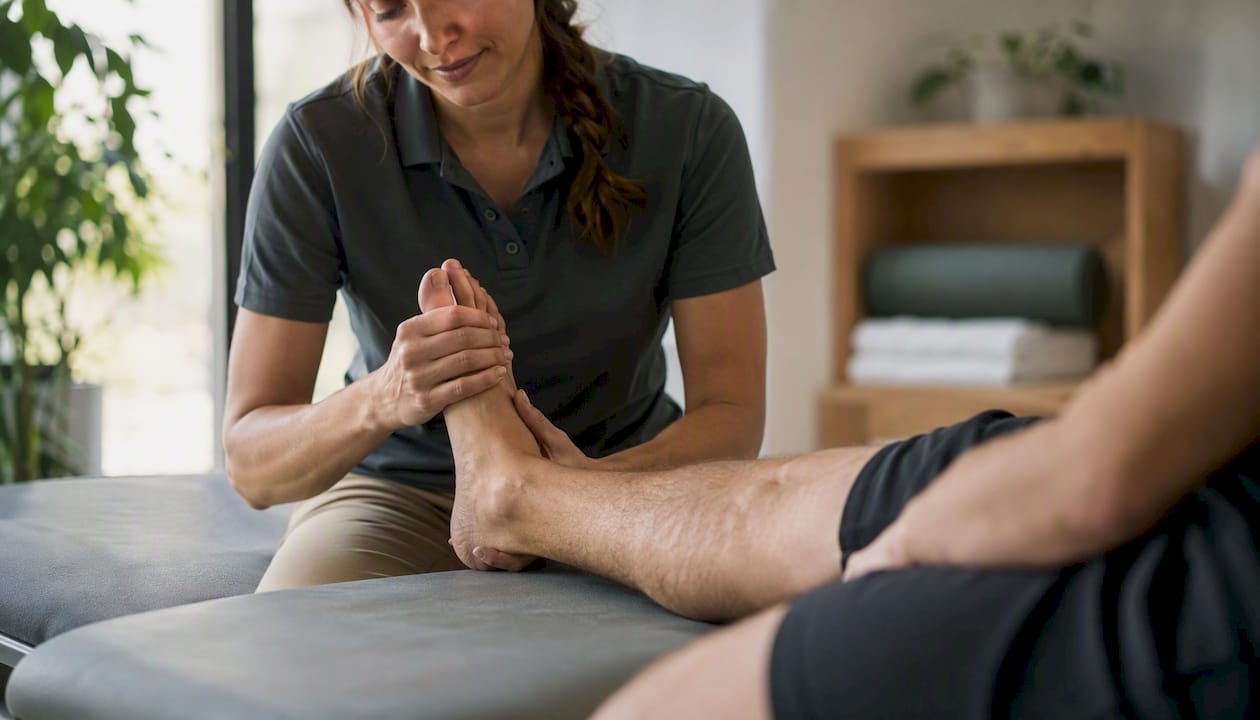
Personalized physical therapy is a one-on-one, clinician-directed model where your therapist evaluates your specific condition, sets measurable goals with you, and builds a treatment plan targeting the root cause of your pain or movement problem rather than following a generic protocol. Every session is built around you.
The difference this makes is real and practical:
Faster functional recovery because treatment targets your actual deficits, not an average patient’s
Meaningful pain reduction through hands-on techniques matched to your tissue and movement patterns
Fewer total visits when goals are set clearly and progress is tracked at every session
Better long-term outcomes because you leave with a home program you understand and can maintain
Higher satisfaction from knowing your therapist knows your case, not just your diagnosis code
One-on-one, hour-long visits and objective goal tracking are the clearest signs that a clinic is delivering genuinely individualized care rather than supervised exercise in a crowded gym.
Key Takeaways
Personalized physical therapy produces better outcomes than protocol-driven care because it targets your specific deficits, tracks measurable progress, and builds a home program you can sustain after discharge.
Point | Details |
One-on-one model matters | Hour-long visits with the same DPT every session are the clearest sign of genuinely individualized care. |
Goals drive the plan | SMART goals set at the first visit determine modality choice, dosage, and discharge criteria throughout your care. |
Patient adherence is decisive | Consistent home program completion between sessions is one of the strongest predictors of recovery outcomes. |
Insurance coverage varies | Verify in-network status, visit caps, and preauthorization requirements with your insurer before your first appointment. |
Contemporaryrehabservices | Boutique one-on-one PT in Albertson, NY, accepting Medicare, Aetna, Cigna, Emblem, and UnitedHealthcare. |
Table of Contents
What personalized physical therapy actually looks like, step by step
Individualized programs restore movement and function through assessment-driven plans, manual techniques, and exercise prescription. That process follows a clear sequence every time.
Comprehensive evaluation. Your therapist takes a detailed history, reviews any imaging or surgical notes, and runs movement and strength tests to identify the root cause of your problem.
Objective baseline measures. Range of motion, strength, balance, and validated pain or function scales are recorded so progress can be measured against a real starting point.
Collaborative goal setting. You and your therapist agree on short-term and long-term goals tied to the daily activities that matter most to you, whether that is returning to running, lifting your child, or sleeping through the night.
Individualized plan design. The therapist selects specific modalities, exercise progressions, and session frequency based on your evaluation findings and goals, not a standard protocol.
Hands-on treatment and active exercise. Each session combines manual therapy, targeted exercise, and patient education. You are not handed a printout and pointed to a machine.
Home program instruction. You leave each visit with a clear, manageable set of exercises or self-care strategies that extend the work done in the clinic.
Reassessment and plan adjustment. Objective measures are repeated at regular intervals. If you are progressing faster or slower than expected, the plan changes accordingly.
This model stands in clear contrast to protocol-driven or assistant-led “open gym” models, where patients rotate through preset exercise stations with minimal one-on-one contact. Brief, goal-focused care with a clear discharge plan prevents overtreatment and matches care intensity to what each patient actually needs.
Which conditions benefit most from a tailored approach
Personalized care is not reserved for complex cases. These are the conditions where an individualized plan consistently makes the biggest difference:
Pelvic floor dysfunction and postpartum recovery (diastasis recti, incontinence, pelvic pain)
Post-surgical rehabilitation (joint replacement, rotator cuff repair, spinal surgery)
Vestibular disorders and concussion rehab (dizziness, balance deficits, post-concussion symptoms)
Chronic neck and back pain (including disc-related and postural conditions)
Orthopedic injuries (sprains, tendinopathies, fractures, sports injury personalized care)
Scar tissue management (post-surgical or post-traumatic adhesions limiting movement)
Neurological and mobility concerns (Parkinson’s disease, stroke recovery, multiple sclerosis)
Two examples show how the tailored element changes the plan. A postpartum patient with diastasis recti needs core loading progressions that avoid increasing intra-abdominal pressure early on, a detail a generic back-pain protocol misses entirely. A patient recovering from rotator cuff repair needs a phase-specific program tied to their surgeon’s healing timeline, not a standard shoulder exercise sheet. For neurological conditions like Parkinson’s, individualized PT approaches address gait, balance, and functional mobility in ways that generic exercise classes cannot replicate.
Core treatment approaches your therapist may use
Clinicians draw from a range of modalities and combine them based on your evaluation findings. Here is what each one does and when it is typically used:
Manual therapy (joint mobilization, soft tissue work): Hands-on techniques that restore joint mobility and reduce muscle guarding. Used for stiff joints, post-surgical tissue, and pain-sensitized areas.
Neuromuscular re-education: Retrains the nervous system to recruit muscles in the right sequence. Common after injury, surgery, or neurological events.
Therapeutic exercise prescription: Progressive, individualized loading programs that rebuild strength, endurance, and movement control.
Dry needling: Fine needles placed into trigger points to reduce muscle tension and pain. Requires specific training and is not appropriate for patients on blood thinners or with needle phobia.
Manual lymphatic drainage: Gentle techniques that reduce post-surgical or post-traumatic swelling. Often used after joint replacement or mastectomy.
Craniosacral and visceral therapy: Gentle hands-on work addressing the craniosacral rhythm and organ mobility. Used for chronic pain, headaches, and pelvic floor conditions.
Vestibular rehabilitation exercises: Gaze stabilization and balance retraining for dizziness and concussion recovery.
Telehealth follow-up: Video-based sessions for home program review, movement coaching, and progress checks between in-person visits.
A note on safety: Dry needling, craniosacral therapy, and manual lymphatic drainage each have specific contraindications. Always tell your therapist about blood-thinning medications, active infections, recent surgeries, or implanted devices before treatment begins. If your condition involves recent fracture, active cancer, or cardiovascular instability, physician clearance before starting PT is appropriate.
What to expect at your first personalized PT visit
Your first appointment has one clear purpose: establish an accurate clinical picture, set meaningful goals, and begin a plan that fits your life. One-to-one sessions follow a treatment plan and build toward measurable patient goals across repeated visits, and that process starts on day one.
Intake and history (10–15 minutes). Your therapist reviews your medical history, current medications, prior treatments, and the specific story of your problem.
Movement and physical assessment (20–25 minutes). Posture, range of motion, strength, neurological screening, and special tests relevant to your condition.
Hands-on treatment (15–20 minutes). Many clinicians begin treatment at the first visit, using manual therapy or gentle movement work to give you immediate relief and gather more information.
Goal setting and plan overview (5–10 minutes). You and your therapist agree on realistic short-term and long-term goals and discuss how many visits per week are likely needed.
Home program instruction (5–10 minutes). You receive one or two exercises or self-care strategies to start before your next visit.
What to bring and how to prepare:
Referral or prescription from your physician (if required by your insurer)
Relevant imaging reports (X-ray, MRI, CT) and surgical notes
Insurance card and a photo ID
A list of current medications
Comfortable, loose-fitting clothing that allows access to the area being treated
Athletic footwear if your problem involves gait or lower extremity function
Questions worth asking at the first visit: Will I see the same therapist every session? How will progress be measured? What does a typical home program look like? How many visits do you anticipate?
Pro Tip: Write down your top three functional goals before you arrive, such as “walk two miles without pain” or “return to tennis.” Therapists can build a more precise plan when they know what daily activities matter most to you.
Benefits you can expect and what the evidence shows
The core promise of tailored physical rehabilitation is straightforward: less pain, better movement, and a return to the activities that define your daily life. Individualized therapy tailors treatment to patient values and goals and typically follows a brief, goal-oriented course, which keeps care focused and avoids unnecessary visits.
Expected outcomes for common conditions:
Acute musculoskeletal injury (sprain, strain): Measurable pain reduction and improved range of motion observed in a brief course of visits; return to full activity occurs over a short to moderate number of visits depending on severity.
Post-surgical recovery (joint replacement, rotator cuff): Early milestones (swelling control, basic range of motion) within the first 2–4 weeks; functional strength and return to daily tasks over 8–16 weeks.
Chronic pain conditions: Meaningful functional improvement is often seen after several therapy sessions when the plan addresses movement patterns, not just symptom management.
Vestibular and concussion rehab: Many patients experience symptom improvement after a moderate number of sessions of targeted vestibular exercises.
What the evidence supports: Major health systems describe individualized rehab programs as grounded in evidence-based assessment and progressive exercise. The clinical consensus is that matching treatment to the individual, rather than applying a standard protocol, produces better adherence and more durable results. Where the strongest evidence exists is in manual therapy combined with exercise for musculoskeletal pain; vestibular rehab for dizziness; and structured post-surgical protocols. For some specialty areas like craniosacral therapy, the evidence base is more practice-based than trial-driven.
Costs, insurance coverage, and billing basics for U.S. patients
Physical therapy billing in the United States runs through three main channels: insurance reimbursement, out-of-pocket payment, and concierge or flat-fee arrangements. Most patients use insurance, but the details vary significantly by plan.
Key billing points to confirm before your first visit:
Verify in-network status. An out-of-network clinic can cost two to three times more per visit. Call your insurer directly and confirm the specific clinic’s provider ID, not just the therapist’s name.
Check your visit cap. Many commercial plans limit PT to 20–60 visits per calendar year. Medicare has no hard visit cap but requires documented medical necessity at each visit.
Ask about preauthorization. Some plans require prior authorization before PT begins. Missing this step can result in denied claims even for medically necessary care.
Confirm who is treating you. Insurance reimbursement rates differ between a licensed Doctor of Physical Therapy (DPT) and a physical therapy assistant (PTA). Ask whether your sessions will be billed under the supervising DPT or a PTA.
Ask about telehealth coverage. Many major insurers now cover telehealth PT visits, but coverage rules vary. Confirm whether virtual follow-up sessions are covered under your plan.
Request a written fee schedule. Any reputable clinic will provide one before your first visit.
Pro Tip: Ask the clinic’s billing coordinator for the CPT codes they use most frequently for your condition. Then call your insurer and verify coverage for those specific codes before your first appointment. This takes 10 minutes and prevents surprise bills.
How clinicians build and adapt your individualized treatment plan
A well-built plan starts with objective data, not intuition. Clinicians combine your assessment findings, your stated goals, and the best available evidence to design a program that can be measured and adjusted. Understanding the PT treatment planning process helps you participate more actively in your own care.
The plan-building process follows these steps:
Set SMART goals. Goals are Specific, Measurable, Achievable, Relevant, and Time-bound. Example: “Achieve 150 degrees of shoulder flexion within 6 weeks to return to overhead work.”
Select modalities and dosage. The therapist chooses techniques based on your tissue irritability, healing stage, and functional deficits, then sets a starting dosage (sets, reps, frequency, intensity).
Establish objective measures. Common tracking tools include goniometry (range of motion), manual muscle testing, the Numeric Pain Rating Scale, and validated functional scales like the DASH (upper extremity) or LEFS (lower extremity).
Set a reassessment schedule. Most clinicians formally reassess every 4–6 visits. If you are not progressing, the plan changes before more visits are wasted.
Progress the program. As you improve, exercise difficulty, load, and complexity increase systematically. Staying at the same level too long is a sign the plan is not being individualized.
Plan for discharge. A good plan includes clear discharge criteria from the start, so you know what “done” looks like and can transition to independent self-management.
A simple example: a patient with chronic low back pain sets a goal of walking 30 minutes without pain within 8 weeks. Interim measures at week 4 include pain score, lumbar flexion range, and a timed walking test. Discharge criteria include achieving the walking goal, demonstrating correct movement patterns, and completing the home program independently.
How to evaluate a clinic or therapist before you book
The three criteria that matter most are credentials, visit model, and outcomes tracking. A clinic that scores well on all three is worth your time and your insurance benefits.
Credentials to confirm:
Doctor of Physical Therapy (DPT) degree, not just a PT license
Specialty certifications relevant to your condition (OCS for orthopedics, WCS for women’s health, CCTT for concussion, PRPC for pelvic floor)
Board certification through the American Board of Physical Therapy Specialties (ABPTS)
Questions to ask before booking:
Will I see the same therapist at every visit?
How long is each session, and is it one-on-one the entire time?
How do you measure progress, and how often do you formally reassess?
Do you provide a written home program?
What outcome measures do you use for my condition?
Red flags to watch for:
Sessions shorter than 45 minutes with minimal hands-on contact
Rotating through different therapists or aides at each visit
No formal reassessment or measurable goals discussed at the first visit
Pressure to purchase supplements, devices, or non-clinical products
Modality-heavy treatment (ultrasound, electrical stimulation) with no active exercise or manual therapy
Knowing the right questions to ask before you book puts you in a much stronger position to find care that actually fits your needs.
What you need to do for personalized PT to work
Your engagement and adherence to the home program are among the strongest predictors of how well you recover. The therapist builds the plan; you execute it between sessions.
Practical strategies that make a real difference:
Schedule your sessions consistently. Irregular attendance breaks the progression of your program and forces your therapist to spend time re-establishing baselines instead of advancing your care.
Do your home program as prescribed. Even 10–15 minutes of targeted exercise daily compounds significantly over a 6–8 week course of care.
Log your symptoms and exercises. A simple notebook or phone note tracking pain level, exercise completion, and any new symptoms gives your therapist the data needed to adjust your plan.
Communicate changes promptly. If a new symptom appears, an exercise causes sharp pain, or your daily activity level changes significantly, tell your therapist at the next visit rather than waiting.
Ask questions. Understanding why you are doing each exercise improves adherence. If an instruction is unclear, ask for clarification.
A simple tracking template to use between visits:
Date and session number
Pain level before and after exercise (0–10 scale)
Exercises completed (yes/no for each)
Any new or worsening symptoms
Questions for your therapist
A structured rehabilitation checklist can help you stay organized across the full course of your recovery, from the first visit through discharge.
How Contemporaryrehabservices delivers personalized care in Albertson, NY
Contemporaryrehabservices is a boutique physical therapy clinic located in Albertson, NY, serving patients across Nassau County and Queens. The clinic is built around a one-on-one model: every session is an hour long, with a licensed Doctor of Physical Therapy present and hands-on for the full visit.
What the clinic offers:
Manual therapy (joint mobilization, myofascial release, craniosacral therapy, visceral therapy)
Neuromuscular re-education and therapeutic exercise prescription
Pelvic floor rehabilitation and postpartum care
Post-surgical recovery programs
Vestibular and concussion rehabilitation
Scar tissue management and manual lymphatic drainage
Virtual physical therapy options for follow-up and home program support
Accepted insurance plans: Medicare, Aetna, Cigna, Emblem Health, and UnitedHealthcare. Cash payment is also accepted for patients without coverage or those who prefer a direct-pay arrangement.
Contemporaryrehabservices also serves patients in Williston Park, NY and surrounding Nassau County communities. Outcome measures are integrated into routine care: range of motion, strength, and validated functional scales are tracked at each reassessment so you and your therapist can see exactly how your recovery is progressing.

Why patient-centered care produces more durable results
The conventional wisdom in rehabilitation is that more treatment equals better outcomes. The evidence points in a different direction. Brief, goal-focused care with a clear discharge plan consistently outperforms open-ended treatment in outpatient settings, because it keeps both the therapist and the patient accountable to measurable progress. When a plan has no defined endpoint, sessions drift toward maintenance rather than recovery.

What actually separates good personalized PT from average PT is not the modalities used. It is whether the therapist treats the person in front of them or the diagnosis on the referral. Two patients with identical MRI findings can have completely different functional deficits, daily demands, and recovery timelines. A plan built around the MRI serves neither of them well.
The clinics that produce the best outcomes share one trait: they measure progress objectively, adjust the plan when the data says to, and discharge patients with the confidence and tools to manage their own health independently. That is the model worth seeking out, and it is the standard Contemporaryrehabservices holds itself to.
Ready to start your recovery at Contemporaryrehabservices
If you have been living with pain, recovering from surgery, or dealing with a movement problem that has not responded to generic treatment, one-on-one care built around your specific goals is a different experience. Contemporaryrehabservices offers in-person and virtual therapy services at its Albertson, NY clinic, with accepted coverage through Medicare, Aetna, Cigna, Emblem Health, and UnitedHealthcare.
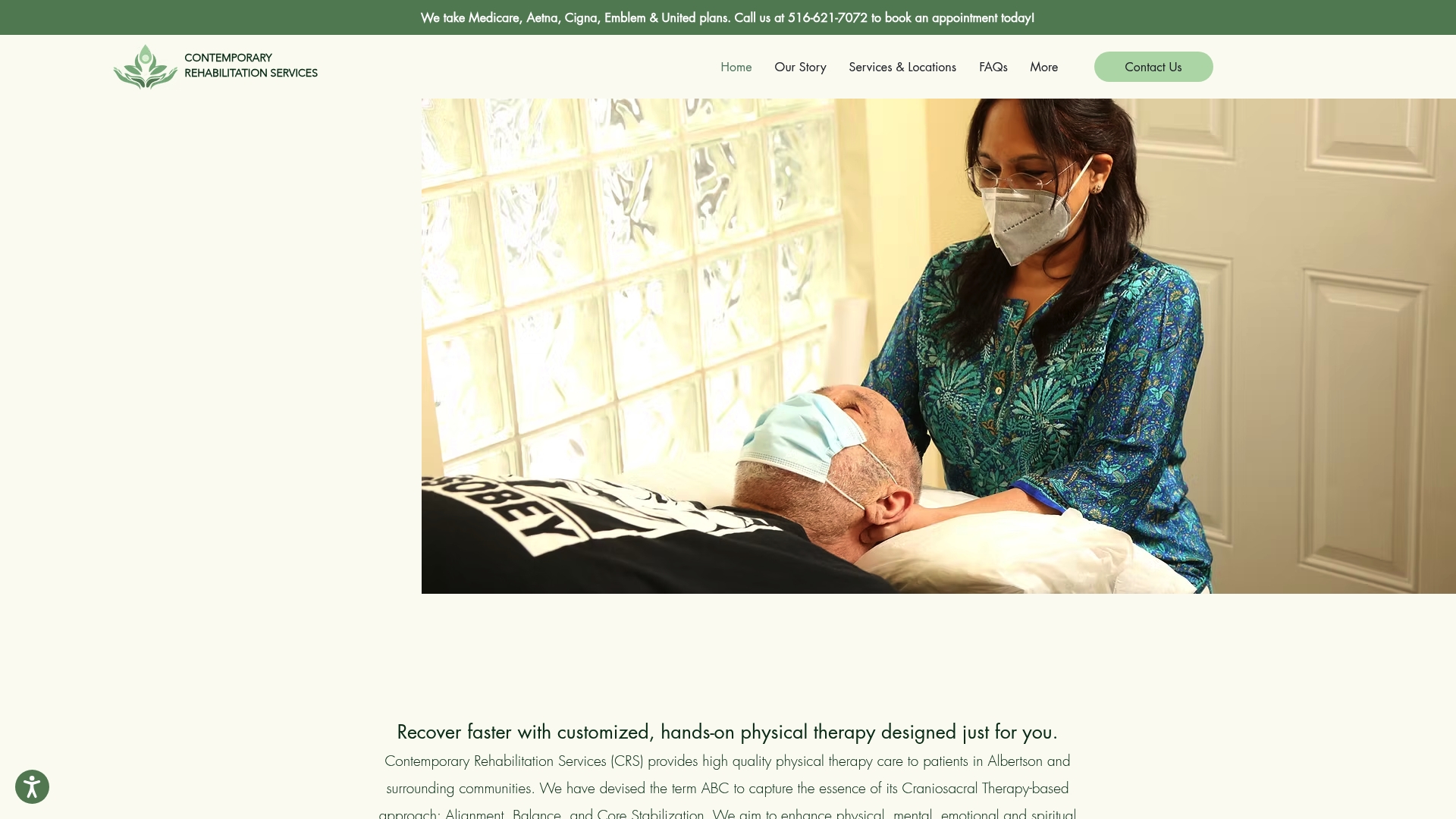
Serving patients across Nassau County and Queens, the clinic provides hour-long, one-on-one sessions with a Doctor of Physical Therapy for every visit. Specialties include pelvic floor care, post-surgical recovery, vestibular rehab, chronic pain, and manual therapy. Cash payment is available for patients who prefer a direct-pay arrangement.
To get started, contact Contemporaryrehabservices to schedule an initial evaluation or request an insurance verification before your first visit. You can also review the Albertson location details for directions, hours, and contact information. Bring your insurance card, any relevant imaging, and your top three functional goals. Your therapist will handle the rest.
Sources
Verify your specific insurance coverage, visit limits, and preauthorization requirements directly with your insurer and the clinic before scheduling. This article provides general information and is not a substitute for professional medical or clinical advice.
Recommended
Comments