
Physical therapy facts that empower older adults in Queens & Nassau
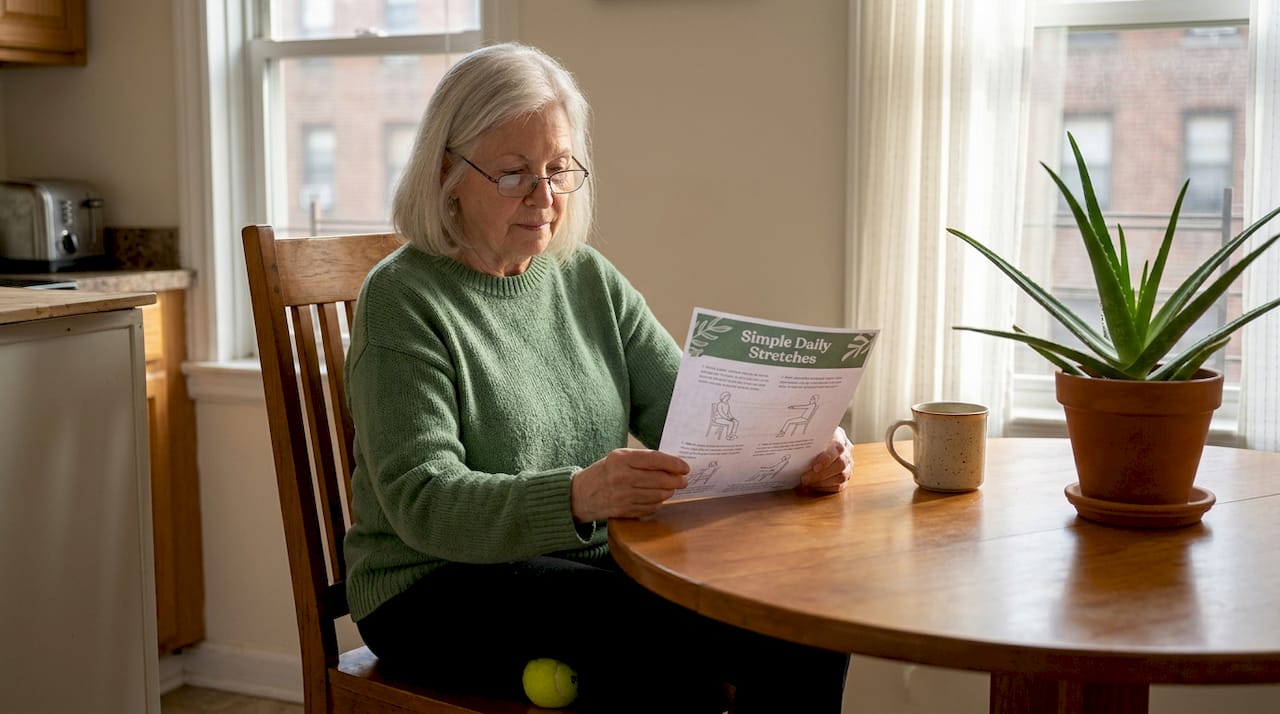
Choosing the right physical therapy can feel overwhelming, especially when you’re dealing with a new diagnosis, recovering from surgery, or trying to prevent a fall at home. For older adults in Queens and Nassau County, the confusion deepens when conflicting advice, insurance restrictions, and uncertainty about what PT can actually do all pile up at once. The good news is that research-backed facts can cut through the noise. Understanding what physical therapy truly offers, and what it doesn’t, helps you make smarter decisions and get real results from every session you attend.
Table of Contents
Core facts every older adult should know about physical therapy
How physical therapy works: Treatments, settings, and what to expect
Physical therapy and insurance: What Medicare and private plans really cover
Physical therapy facts: Common myths busted and quick tips for better results
The overlooked truth about physical therapy for older adults: It’s not just about recovery
Find local support: Physical therapy options in Queens & Nassau County
Key Takeaways
Point | Details |
Fall risk reduction | Targeted PT exercise reduces falls for older adults by up to 36% and saves on healthcare costs. |
Modest gains for chronic pain | Physical therapy provides some improvement for chronic pain, but expectations should be realistic and other options considered if progress stalls. |
Insurance updates | Medicare and private plans differ, but maintenance PT is now covered—know your benefits to get the care you need. |
Myth-busting | You don’t have to be ‘improving’ to continue PT—preserving ability is a valid goal covered by insurance. |
Choose local care | Find PT that meets your medical and insurance needs with trusted clinics in Queens and Nassau County. |
Core facts every older adult should know about physical therapy
With those challenges in mind, let’s clarify what the latest studies say are the most foundational facts about physical therapy for older people.
Physical therapy is not a one-size-fits-all service. For older adults specifically, it serves some of its most powerful roles in fall prevention, post-surgical recovery, and maintaining independence at home. Many people assume PT is only useful right after an injury. That’s simply not true.
Here are the most important research-backed truths:
Balance and strength training are proven fall fighters. According to clinical guidelines from the APTA Geriatrics division, structured fall reduction exercises reduce fall rates by roughly 25 to 36 percent in older adults. This is not a small number. One in four Americans over 65 falls each year, and falls are a leading cause of injury-related hospitalizations.
Multifactorial approaches work best. Exercise alone is effective, but combining PT with home environment adjustments, medication reviews, and vision checks produces even better outcomes.
PT after surgery is not just for the hospital. Both outpatient and home-based PT have proven effective for older adults recovering from procedures like hip or knee replacement.
PT use is linked to major Medicare savings. Studies show that higher use of physical therapy saves Medicare $4,000 to $8,000 per person annually by preventing hospitalizations, reducing medication dependency, and avoiding costly procedures.
“The strongest evidence supports structured exercise programs that include balance training, strength work, and volitional step training as first-line tools for reducing falls in community-dwelling older adults.” — APTA Geriatrics Clinical Practice Guidelines
Understanding rehabilitation basics is the first step to using PT wisely. When you know what it’s designed to do, you stop treating it as a last resort and start using it as a proactive tool. Learning how PT supports faster healing early in the process also shapes how well you recover in the long run.
How physical therapy works: Treatments, settings, and what to expect
But what actually happens in PT sessions, and how does effectiveness vary by condition? Let’s break down your options.
A typical PT session is more structured than most people expect. It’s not just stretching or riding a stationary bike. A skilled physical therapist assesses your movement patterns, identifies weaknesses, and builds a plan targeted to your specific condition and goals. Sessions generally include:
Therapeutic exercise instruction — guided strength, flexibility, and balance movements tailored to your body
Manual therapy — hands-on techniques to reduce stiffness and improve joint movement
Patient education — learning about your condition, what to avoid, and how to move safely at home
Pain management techniques — such as electrical stimulation, heat, or ice applied to relieve discomfort during healing
For managing chronic pain, PT is often recommended as a first-line option. However, it’s important to set realistic expectations. Research shows that PT provides modest improvements in chronic low back pain compared to approaches like cognitive behavioral therapy (CBT), with small gains seen after 10 weeks that generally remain stable at one year. Modest doesn’t mean worthless. For many older adults, even modest gains in function mean the difference between staying home safely and needing assisted living.
Here’s a quick look at how PT effectiveness varies by condition:
Condition | Expected PT benefit | Typical timeline |
Fall prevention | 25–36% fall rate reduction | 8–12 weeks |
Post-hip/knee surgery | Restored function and strength | 6–12 weeks |
Chronic low back pain | Modest functional improvement | 10+ weeks |
Stroke recovery | Improved mobility and coordination | Ongoing, months |
Balance disorders | Reduced dizziness, safer walking | 4–8 weeks |
Shoulder or rotator cuff pain | Pain reduction, restored range | 6–10 weeks |
For knee pain recovery, PT is particularly effective when it’s started early and maintained consistently. Many people in Nassau County and Queens also find that doing PT exercises at home between clinic visits significantly accelerates their results.
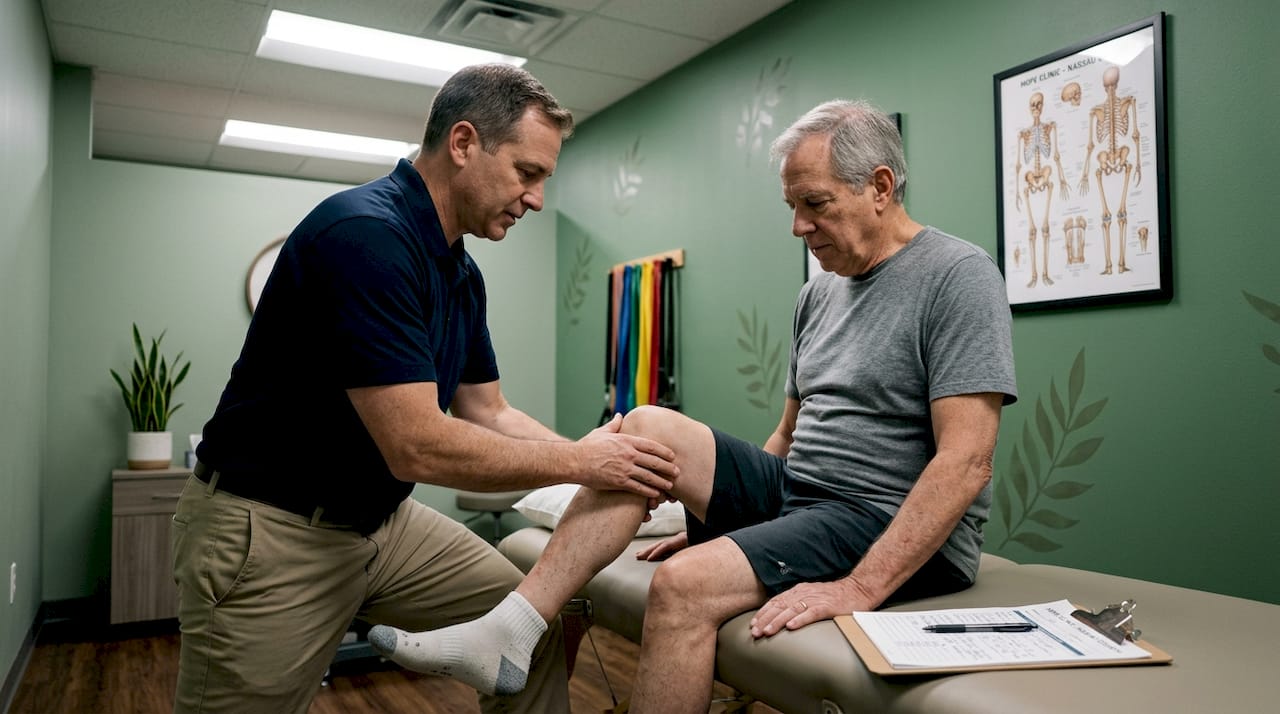
It’s also worth knowing that for some types of chronic pain, alternatives to PT exist and may work alongside or complement your therapy plan. Talking openly with your therapist and physician about all your options leads to better outcomes.
Pro Tip: Showing up consistently and using proper technique matters far more than whether you attend a clinic or do sessions at home. A strong home exercise program, followed correctly, often produces results equal to or better than inconsistent clinic attendance.
Physical therapy and insurance: What Medicare and private plans really cover
Knowing how therapy works, insurance coverage shapes what you can access and how long you can continue.
This is where many older adults in Queens and Nassau County run into frustration. You may have heard that Medicare stops covering PT once you “plateau” or stop improving. That was true once. It is no longer accurate.
Following the landmark Jimmo v. Sebelius settlement, Medicare now covers maintenance PT to prevent or slow deterioration, even if you are not actively improving. If you have a condition like Parkinson’s disease, multiple sclerosis, or advanced arthritis, you can continue PT to preserve your current level of function. That’s a significant shift that many people, and even some providers, still don’t fully understand.
Here’s how Medicare and private insurance compare for older adults:
Feature | Medicare | Private insurance |
Covers maintenance PT | Yes, post-Jimmo settlement | Varies by plan |
Annual visit limits | No hard cap, uses medical necessity | Often has set visit limits |
Documentation requirements | Strict, requires ongoing justification | Generally less rigorous |
Referral or prescription needed | Often required | Varies by plan |
Out-of-pocket costs | 20% after deductible | Varies, copays common |
Covers home PT | Yes, if homebound | Varies |
Private insurance is often more flexible on visit limits and documentation compared to Medicare, but Medicare covers medically necessary PT broadly when properly documented. Knowing how to navigate both systems protects your access to care.
Here are the steps to get PT approved under Medicare or private insurance:
Get a diagnosis in writing. Your doctor must document why PT is medically necessary for your specific condition.
Ask your therapist to set measurable goals. Medicare and most private plans want to see clear functional targets, not vague goals like “feeling better.”
Request a plan of care. Your therapist creates this; it is required for insurance authorization.
Track progress at each session. Documentation of small improvements or maintenance of function keeps coverage active.
Appeal if coverage is denied. Both Medicare and private insurers have formal appeals processes. Denials are sometimes overturned, especially for maintenance therapy under Medicare.
Pro Tip: If your Medicare claim for PT is denied because you haven’t “improved,” cite the Jimmo settlement directly in your appeal. This ruling legally obligates Medicare to cover maintenance therapy when it prevents further decline.
Choosing your PT path wisely also means understanding which insurance you have and what your plan specifically allows. Our team at Contemporary Rehab Services accepts Medicare, Aetna, Cigna, Emblem, and United Healthcare plans, making it easier to start without financial surprises.
Physical therapy facts: Common myths busted and quick tips for better results
Finally, let’s clear up persistent myths and offer simple steps to get the most out of your therapy.
There are a few stubborn misconceptions about PT that hold people back from getting the care they need. Let’s name them directly.
Myth 1: You have to keep getting better to keep going. As explained above, maintenance therapy is now covered under Medicare. If PT keeps you stable and safe at home, that is a valid and covered goal.
Myth 2: PT is only for people who had surgery. Physical therapy is effective for a wide range of conditions, including arthritis, balance disorders, chronic pain, neurological conditions, and even post-COVID fatigue.
Myth 3: All PT is the same. A generalist PT clinic and a clinic specializing in geriatric care offer very different experiences. For older adults in Nassau County, finding a therapist familiar with age-related conditions makes a real difference.
Myth 4: Results will be dramatic and fast. PT tends to produce gradual, cumulative gains. Expecting overnight results leads people to quit too early. Healing through PT is a process built on repetition, patience, and progressive challenge.
Here are practical tips to get more out of every PT visit:
Show up prepared. Wear comfortable clothing, bring a list of your current medications, and note any pain changes since your last session.
Do your home exercises. Most PT gains come from the daily work you do between sessions, not just the 45 minutes in the clinic.
Communicate pain clearly. Don’t push through sharp or new pain without telling your therapist. Adjustments are always possible.
Set personal goals beyond “less pain.” Think about what you want to do, like walking to the mailbox, climbing stairs, or carrying groceries. Specific goals guide better treatment.
Attend consistently. Missing sessions resets progress more than most people realize, especially in the early weeks.
Pro Tip: Before each session, write down one specific thing you want to be able to do better by the end of the month. Share it with your therapist. This simple habit turns a vague therapy program into a personally meaningful one with a clear target.
The overlooked truth about physical therapy for older adults: It’s not just about recovery
With facts and misconceptions set straight, it’s time for a fresh look at what success means for older adults in physical therapy.
Most people, and many families, walk into PT expecting a clear improvement arc: start weak, end strong. When progress slows or plateaus, they assume the therapy has stopped working and it’s time to quit. This is one of the most costly misunderstandings in geriatric care.
For older adults, the real goal of PT is often not recovery. It’s preservation. Staying independent. Avoiding a fall that sends you to the emergency room. Keeping your balance strong enough to live at home rather than transition to a care facility. These outcomes don’t always show up in measurable strength scores, but they represent enormous wins, both for the individual and for the healthcare system.
Research and policy have recognized this shift. The Jimmo settlement didn’t happen by accident. It reflected a growing understanding that for older adults, staying stable through PT is just as valuable as getting stronger. Slow decline is a success. Avoiding rehospitalization is a success. Sleeping in your own bed, in your own home, six months longer than you otherwise would have is absolutely a success.
We see this every day at our clinic in Albertson. Families sometimes ask us, “Is it worth continuing if they’re not really improving?” Our answer is always the same: if PT is keeping your loved one safe, mobile, and at home, it is working. The goal line just moved, and that’s okay.
Find local support: Physical therapy options in Queens & Nassau County
Inspired to take the next step toward safe recovery and independence? Here’s how you can find trusted physical therapy near you.
At Contemporary Rehab Services, we work with older adults across Queens and Nassau County every day, helping them recover from surgery, manage chronic conditions, and stay active in their communities. We accept Medicare, Aetna, Cigna, Emblem, and United Healthcare plans, so insurance doesn’t have to be a barrier to getting started.
We have convenient locations close to you. You can explore our Searingtown PT services, check out PT options in Albertson, or find Herricks PT locations near your neighborhood. Our boutique clinic model means you’ll work with experienced therapists who know your name and your goals, not a rotating cast of assistants in a crowded gym setting. Call us today or visit our website to schedule your first visit and start building a safer, more independent life.
Frequently asked questions
Does Medicare cover physical therapy even if my condition isn’t improving?
Yes, after the Jimmo settlement, Medicare covers PT to maintain current function or slow decline, not just for active improvement.
How many PT visits does private insurance allow compared to Medicare?
Private insurance typically offers more flexibility and may allow more visits than Medicare, which relies on medical necessity documentation and ongoing justification.
What PT treatments help most with fall prevention for seniors?
Regular balance, strength, and specific step training exercises reduce fall rates for older adults by 25 to 36 percent, making them the most evidence-backed approach.
Can PT help with chronic lower back pain?
PT provides modest functional improvements for chronic low back pain, especially when practiced consistently and paired with other treatments like education and activity modification.
Is outpatient or in-home PT better after surgery?
Both settings are effective after surgery for older adults; the most important factor is consistency and adherence to your personalized treatment plan, regardless of where sessions occur.
Recommended
Comments