
Physical Therapy for Seniors: Top 10 Options in 2026
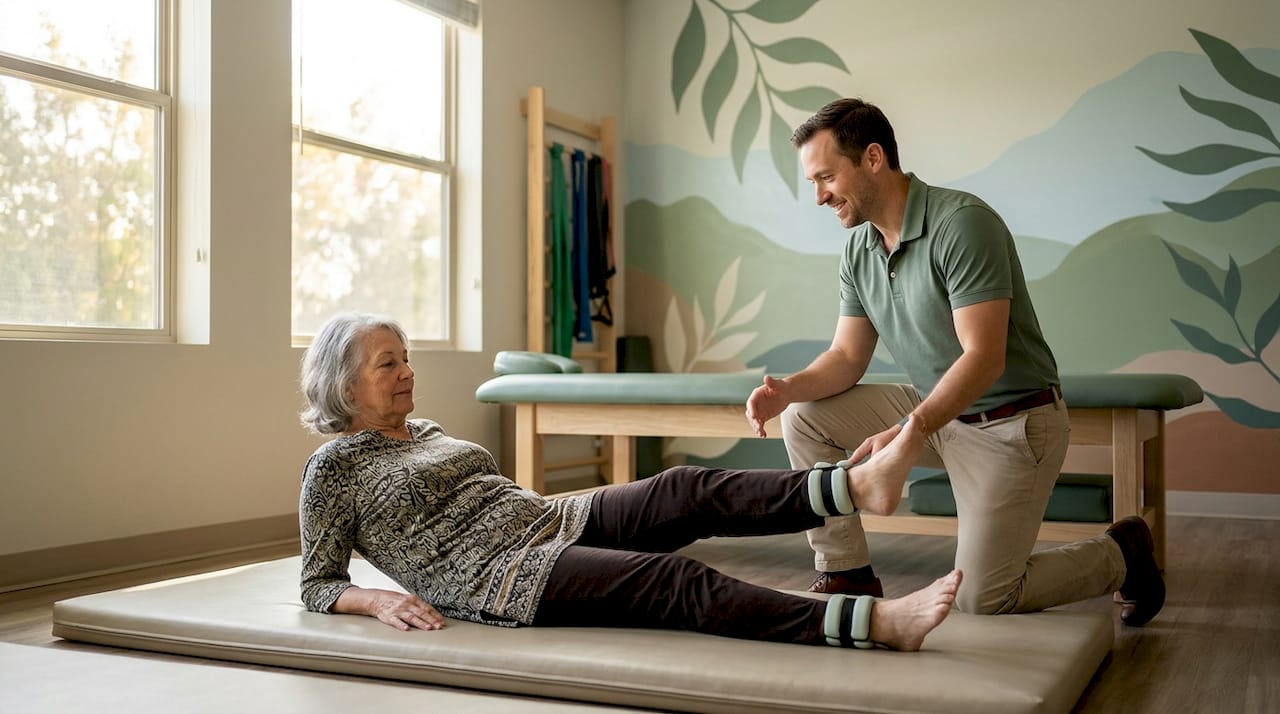
Physical therapy for seniors is specialized, evidence-based treatment designed to improve mobility, reduce chronic pain, and preserve independence through targeted exercises and hands-on interventions. Known formally as geriatric physical therapy, it addresses the unique physical challenges that come with aging, including joint stiffness, muscle weakness, balance problems, and post-surgical recovery. Medicare covers these services when medically necessary, and programs range from outpatient clinic visits to home-based and telehealth options. If you are in Queens or Nassau County, Contemporaryrehabservices offers personalized senior PT programs that accept Medicare, Aetna, Cigna, Emblem, and United Healthcare plans.
1. Physical therapy for seniors: what it is and why it works
Geriatric physical therapy is not generic exercise instruction. It is a clinically structured program built around your specific functional deficits, health conditions, and daily life goals. A licensed physical therapist evaluates how you move, identifies what is limiting you, and designs a plan to fix it.
PT plans anchored to real-life tasks like climbing stairs, preparing meals, or getting up from a chair produce better outcomes than programs focused only on symptom relief. That connection to daily function is what separates geriatric PT from general fitness. When your therapy goal is “walk to the mailbox without pain,” every exercise in your plan has a purpose you can feel.
2. Resistance and strength training
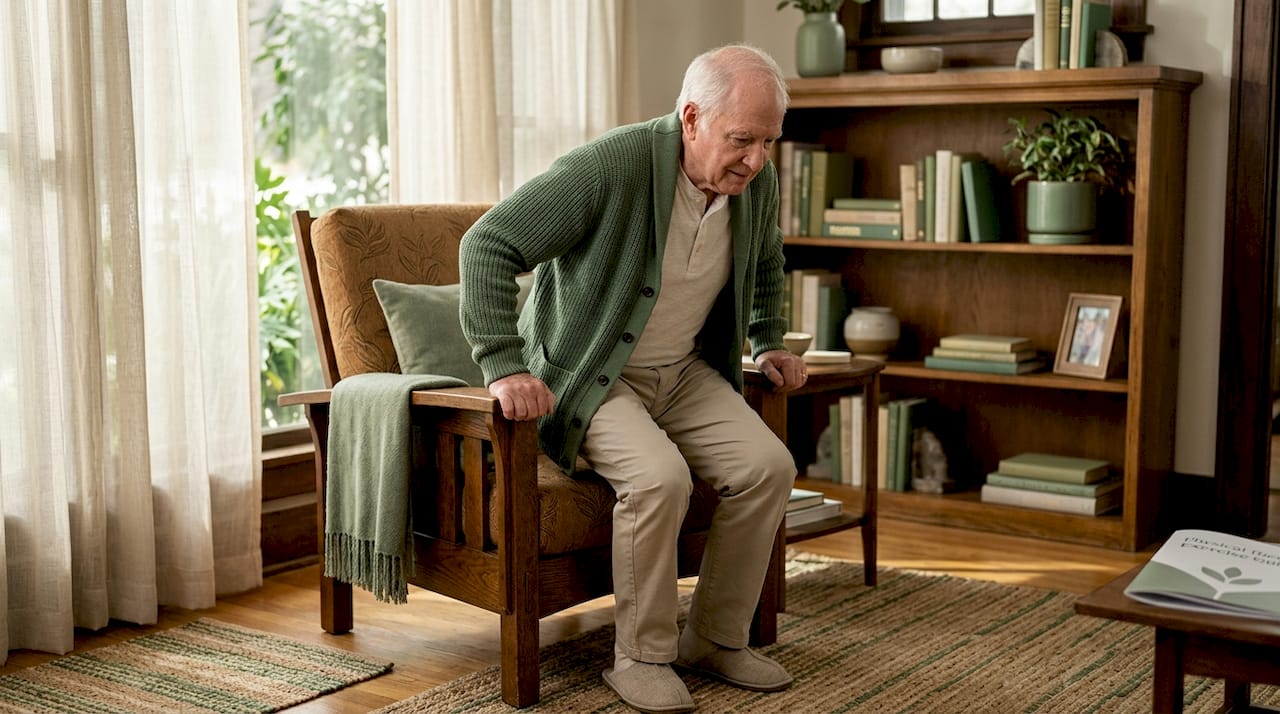
Strength training is the foundation of most senior PT programs. It rebuilds muscle mass lost through aging (a process called sarcopenia), supports joint stability, and directly reduces fall risk. Therapists typically prescribe resistance bands, light free weights, or bodyweight exercises like sit-to-stand repetitions.
MSD Manual recommends lighter resistance loads with 12 to 20 repetitions per set for safety in older adults. Higher repetitions at moderate intensity build endurance and strength without overloading joints or raising injury risk. For seniors with osteoporosis or recent fractures, a therapist will modify loading to protect bone integrity while still producing strength gains.
3. Balance training for seniors
Balance training reduces the risk of falls, which are the leading cause of injury-related hospitalization in adults over 65. Common techniques include single-leg standing, tandem walking (heel-to-toe), and standing on foam surfaces to challenge your stability system.
One important nuance: balance training is skill-specific, meaning it primarily improves the exact tasks you practice. Strength and flexibility training tend to produce broader fall-prevention benefits. The most effective programs combine all three rather than relying on balance drills alone. Your therapist will assess your fall history and gait pattern before selecting the right mix.
Pro Tip: Ask your therapist to include the Timed Up and Go (TUG) test at your first visit. This 30-second assessment measures your fall risk and gives both of you a clear baseline to track progress against.
4. Flexibility and range-of-motion therapy
Tight muscles and stiff joints make everyday movements painful and inefficient. Flexibility therapy uses guided stretching, passive range-of-motion exercises, and techniques like proprioceptive neuromuscular facilitation (PNF) to restore joint mobility. PNF is a contract-and-relax method that produces faster flexibility gains than static stretching alone.
For seniors with hip or knee osteoarthritis, improved range of motion directly translates to less pain during walking and stair use. Flexibility work also reduces the compensatory movement patterns that develop when one joint is stiff, which protects surrounding joints from overuse injury.
5. Multi-component graded exercise programs
Multi-component programs combine aerobic conditioning, resistance training, balance work, and flexibility into a single structured plan. These are the most clinically validated programs for reversing frailty in older adults.
A 2026 randomized controlled trial found that a TUG-based graded exercise program reversed frailty status in 21.2% of community-dwelling older adults, with improvements in walking speed and mood and no adverse events reported. That result matters because frailty reversal is not just about fitness. It reduces hospitalization risk and extends the years you can live independently. Programs like this are graded by your current functional capacity, so they are safe whether you are mildly deconditioned or significantly frail.
6. Home-based physical therapy
Home-based PT brings a licensed therapist to your home or delivers exercises through a structured self-management program. It removes transportation barriers and allows the therapist to assess your actual living environment, identifying fall hazards and recommending modifications.
Home-based exercise interventions for adults 65 and older improve muscle strength, balance, and fall rates, according to the Community Preventive Services Task Force. Medicare covers home health PT when you meet homebound criteria and a physician orders the service. For seniors recovering from hip replacement or stroke, home-based PT is often the most practical and effective starting point.
7. Telehealth physiotherapy
Telehealth PT delivers real-time video sessions with a licensed therapist, typically combined with a printed or app-based home exercise program. It works best for seniors who are medically stable and have a caregiver or family member available to assist.
Telehealth physiotherapy combined with in-home support improves mobility, reduces falls, and increases independence in older adults, based on a six-month study with weekly coaching sessions. The key word is “combined.” Telehealth alone is less effective than telehealth paired with a trained support person who can guide exercises safely in real time.
8. Aquatic therapy
Aquatic therapy uses the buoyancy and resistance of water to allow movement that would be too painful or difficult on land. It is particularly effective for seniors with severe knee or hip osteoarthritis, rheumatoid arthritis, or post-surgical swelling.
Water reduces joint load by up to 90% when you are submerged to neck level, making it possible to perform walking, squatting, and resistance exercises with minimal pain. Aquatic therapy sessions are typically held in a heated pool at a physical therapy clinic or hospital. Contemporaryrehabservices can connect you with appropriate therapy types based on your specific condition and comfort level.
9. Group versus individual PT sessions
Individual PT sessions give you one-on-one attention from a licensed therapist who can adjust your program in real time. Group sessions, offered at many senior centers and outpatient clinics, provide social engagement and are often lower cost.
Research supports both formats, but individual sessions are better suited for seniors with complex medical histories, recent surgery, or significant functional limitations. Group programs like Otago Exercise Program or SilverSneakers work well for maintenance and fall prevention once you have completed an initial individual course of care. The right choice depends on where you are in your recovery and how much direct supervision your condition requires.
10. Outpatient clinic-based PT
Outpatient PT at a dedicated clinic gives you access to specialized equipment, including parallel bars, electrical stimulation units, ultrasound therapy devices, and resistance machines. It is the most common setting for senior PT and the format most widely covered by Medicare Part B.
Medicare Part B covers outpatient PT when medically necessary and ordered by a provider, paying 80% after a $283 deductible in 2026. You are responsible for the remaining 20% coinsurance. Once cumulative spending reaches $2,480, your therapist must add a KX modifier to each claim to certify continued medical necessity. Keeping your documentation current prevents claim denials and interruptions to your care.
Pro Tip: Before your first outpatient visit, use the PT eligibility guide from Contemporaryrehabservices to confirm your Medicare or insurance coverage. Knowing your benefits in advance prevents billing surprises.
How to choose the right senior PT program
Choosing the right program starts with a clear medical picture. Your primary care physician or specialist should document your functional limitations and order PT with specific goals. That documentation also protects your Medicare coverage.
Consider these four factors when evaluating your options:
Your primary condition. Joint pain, stroke recovery, and balance disorders each call for different PT specialties. Ask whether the clinic has therapists with geriatric certification (GCS credential).
Your functional goals. Therapy tied to daily living tasks produces better outcomes than vague goals like “get stronger.” Tell your therapist exactly what you want to be able to do.
Program location and format. Outpatient, home-based, and telehealth each have distinct advantages. Choose based on your mobility, transportation access, and caregiver support.
Insurance coverage. Confirm that the clinic accepts your plan before scheduling. Contemporaryrehabservices accepts Medicare, Aetna, Cigna, Emblem, and United Healthcare, which covers most seniors in Queens and Nassau County.
The 5Ms framework used in geriatric PT addresses mobility, medication, mentation, multicomplexity, and mental health together. This matters because treating mobility in isolation misses the full picture. A good geriatric PT program coordinates with your other providers to keep your care safe and consistent.
Safety tips before and during senior PT
Stopping exercise immediately is the right call if you experience chest pain, light-headedness, heart palpitations, or sudden shortness of breath. These are warning signs that require medical evaluation before you continue.
Additional safety guidelines worth following:
Start at a lower intensity than you think you need. Overexertion in the first week is the most common cause of early dropout.
Use functional outcome measures like the TUG test or Berg Balance Scale to track progress. These tools give your therapist objective data to adjust your program safely.
Exercise-based interventions reduce falls in care facility residents by 32%, but only when exercise is sustained. Stopping PT after a short course eliminates most of the benefit.
High-risk individuals, including those with severe osteoporosis, recent fractures, or cardiac conditions, should complete supervised sessions before attempting any home exercise independently.
Pro Tip: Keep a simple exercise log noting what you did, how you felt, and any pain levels on a 1 to 10 scale. Bring it to every session. Therapists use this information to progress your program at the right pace.
For detailed guidance on exercising safely outside the clinic, the home exercise safety guide from Contemporaryrehabservices covers the most common mistakes and how to avoid them.
Key takeaways
Geriatric physical therapy produces lasting results only when programs are tailored to individual function, sustained beyond the initial course of care, and coordinated with the full picture of a senior’s health.
Point | Details |
Functional goals drive outcomes | PT tied to real tasks like stair climbing or meal prep outperforms generic exercise programs. |
Multi-component programs reverse frailty | Combining aerobic, strength, balance, and flexibility work produced frailty reversal in 21.2% of participants in a 2026 RCT. |
Medicare Part B covers outpatient PT | Coverage pays 80% after a $283 deductible in 2026; KX modifier required after $2,480 in cumulative spending. |
Sustained exercise is non-negotiable | Short-term PT without ongoing activity does not reduce falls long-term; adherence after discharge is critical. |
Safety screening prevents setbacks | Stop exercise for chest pain, dizziness, or palpitations; use TUG and Berg Balance Scale to track progress objectively. |
Why I think most seniors start PT too late
I have worked with hundreds of older adults across Queens and Nassau County, and the pattern I see most often is this: someone waits until a fall, a surgery, or a pain flare forces them into PT. By that point, they have already lost months or years of functional capacity that would have been far easier to preserve than to rebuild.
The uncomfortable truth about geriatric physical therapy is that it works best as a proactive tool, not a reactive one. When you start PT while you are still mostly functional, the goals are modest and achievable. You improve your gait, strengthen your hips, and build the balance reserves that protect you from falls before they happen. When you start PT after a hip fracture or a prolonged hospital stay, you are fighting to recover ground you already lost.
The other thing I have observed is that seniors who treat PT as a short-term fix tend to lose their gains within six months. Ongoing exercise adherence after discharge is what separates people who stay independent at 80 from those who do not. The supervised sessions are the starting point, not the finish line. The best outcomes I have seen come from patients who leave the clinic with a clear home program, a realistic schedule, and the confidence to stick with it.
If you are on the fence about starting, I would encourage you to read through the physical therapy facts for older adults we have put together for the Queens and Nassau County community. The evidence is clear. The earlier you start, the more you preserve.
— Tj
Start your personalized senior PT plan at Contemporaryrehabservices
Contemporaryrehabservices is a boutique physical therapy clinic serving Albertson, Queens, and Nassau County, with programs specifically designed for older adults. The clinic accepts Medicare, Aetna, Cigna, Emblem, and United Healthcare, so most seniors can access care without significant out-of-pocket cost.
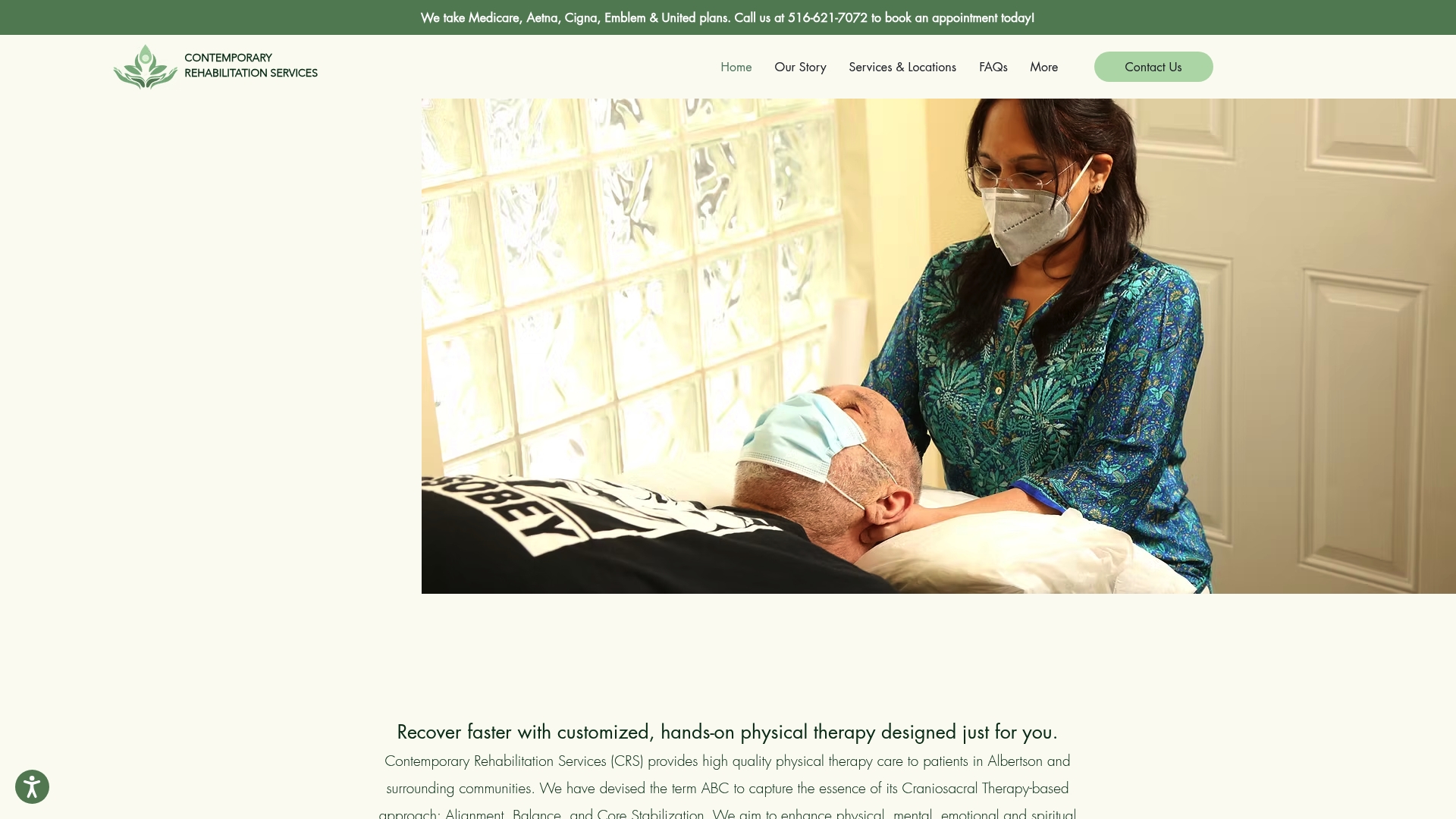
Whether you need outpatient sessions at a fully equipped clinic or prefer a program closer to home, Contemporaryrehabservices offers senior-focused therapy treatments tailored to your functional goals and medical history. Locations in Albertson and Searingtown make access straightforward for residents across Nassau County. Contact the clinic today to schedule an evaluation and get a plan built around what you actually want to do.
FAQ
What does physical therapy for seniors actually involve?
Geriatric physical therapy involves a licensed therapist evaluating your movement, strength, and balance, then building a customized exercise and treatment plan. Sessions typically include strength training, flexibility work, balance drills, and hands-on manual therapy based on your specific condition.
How often should seniors attend physical therapy?
Most seniors benefit from two to four sessions per week during an active course of care, followed by a structured home exercise program. Frequency depends on your condition, functional goals, and what your physician orders.
Does Medicare pay for senior physical therapy?
Medicare Part B covers outpatient PT when medically necessary, paying 80% of approved costs after the $283 annual deductible in 2026. You pay the remaining 20% coinsurance, and your therapist must document medical necessity throughout your care.
Is physical therapy safe for seniors with multiple health conditions?
Yes, when delivered by a therapist trained in geriatric care. The 5Ms geriatric framework guides therapists to account for medications, cognitive status, and complex conditions when designing a safe and effective program.
How long does it take to see results from senior PT?
Most seniors notice measurable improvements in strength, balance, or pain levels within four to six weeks of consistent therapy. Functional gains like improved walking speed or stair confidence often appear sooner, particularly when goals are specific and exercises are performed regularly between sessions.
Recommended
Comments