
Post Concussion Physical Therapy: What Actually Helps You Heal
- tjdontplay
- 4 days ago
- 13 min read
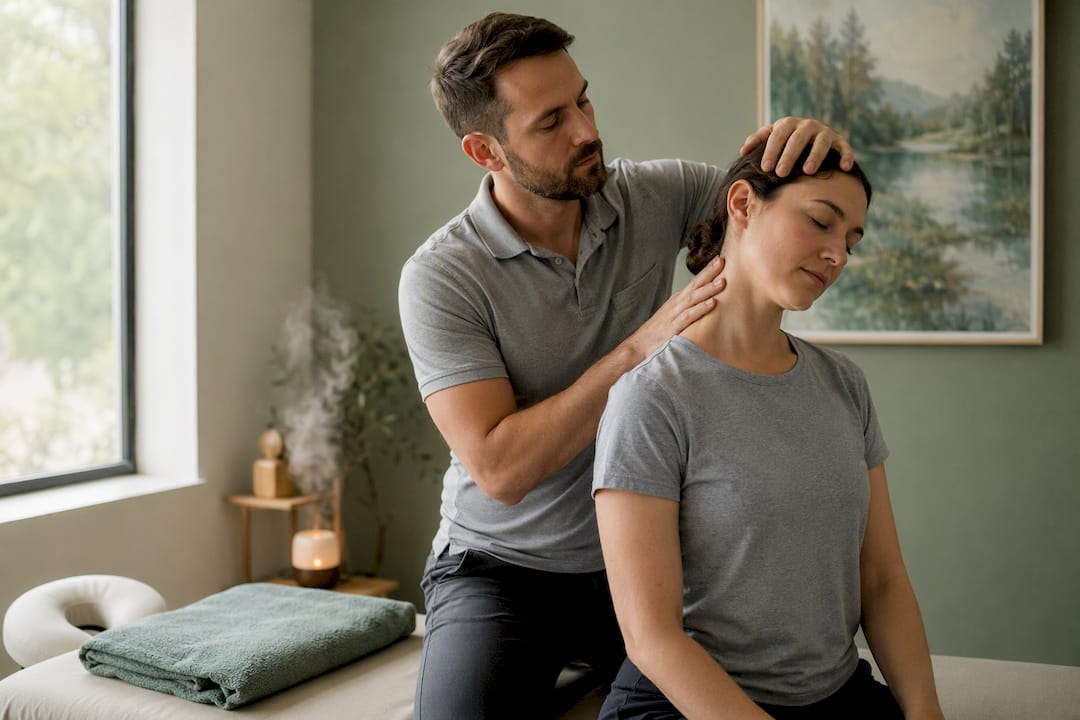
Physical therapy helps most people recovering from a concussion, especially when dizziness, blurred vision, neck pain, or exercise intolerance lingers past the first couple of weeks; learn more about concussion services for assessment and return-to-activity guidance. The clinical evidence is clear on this: randomized trials show that early, targeted rehabilitation outperforms strict rest for getting people back to normal life faster.
Here’s your actionable next step. If it has been more than two to three weeks since your injury and you’re still dealing with balance problems, dizziness, headaches triggered by screens or exercise, or neck stiffness, ask your physician for a referral to a physical therapist trained in concussion care. Don’t wait for symptoms to resolve on their own if they haven’t budged in that window.
Rest for 24 to 48 hours after the injury, then gradually reintroduce light activity
Watch for vestibular, visual, cervical, or exertional symptoms that don’t improve
Seek PT evaluation earlier if a specific system (balance, vision, neck) is clearly affected
Never push through symptoms that spike and stay elevated
Quick fact: Current guidelines recommend just 24 to 48 hours of relative rest before easing back into symptom-guided activity, not the extended bed rest once considered standard care.
Key Takeaways
Post-concussion physical therapy works best when it targets specific vestibular, visual, cervical, and exertional impairments through objective testing rather than generic rest-based advice.
Point | Details |
Rest briefly, then move | Limit rest to 24 to 48 hours, then ease into symptom-guided light activity per current guidelines. |
Watch for the 2 to 3 week mark | Roughly 15% to 20% of patients have symptoms past three weeks and should seek PT evaluation. |
Target the right system | Vestibular, oculomotor, cervical, and exertional impairments each need distinct, specific interventions. |
Progress by symptoms, not dates | Recovery moves through six stages based on tolerance, not a fixed calendar timeline. |
Get evaluated locally | Contemporary Rehab Services offers concussion-focused evaluation with insurance and cash-pay options across its Long Island locations. |
Table of Contents
What Is Post-Concussion Syndrome and When Does It Call for Physical Therapy?
What Symptoms Does Concussion Physical Therapy Actually Treat?
When Should You Start PT, and What Does the Recovery Timeline Look Like?
What Happens During a Concussion PT Evaluation and Treatment Session?
How Do Therapists Track Your Progress and Clear You to Return?
What Are the Warning Signs That Need Urgent Medical Attention?
How Contemporary Rehab Services Approaches Post-Concussion Care
Ready to Start Concussion Physical Therapy? Here’s How to Book
What Is Post-Concussion Syndrome and When Does It Call for Physical Therapy?
A concussion is a mild traumatic brain injury caused by a blow or jolt that disrupts normal brain function temporarily. Most people feel better within one to two weeks. But when symptoms drag on longer, clinicians start using the term post-concussion syndrome, or PCS, to describe the persistent cluster of headaches, dizziness, brain fog, sleep disruption, and mood changes that won’t quit.
You are not imagining it if your symptoms outlast what everyone told you to expect. About 15% to 20% of people with a concussion have symptoms that persist beyond three weeks, which is enough people that most concussion clinics build their entire referral process around catching this group early.
So when does physical therapy actually enter the picture? Two scenarios trigger a referral:
Symptoms persist beyond roughly two to three weeks with no clear improvement
Clear, targeted impairments show up early, even before the three-week mark (vestibular dizziness, double vision, neck pain, or symptoms triggered by exertion)
The second scenario matters more than people realize. You don’t have to wait out a symptom timeline if your physician spots an obvious vestibular or cervical problem in week one. The 2020 concussion clinical practice guideline from the Academy of Neurologic Physical Therapy recommends physical therapy specifically for people with physiologic, vestibulo-ocular, or cervicogenic subtypes of PCS, and it recommends starting sooner rather than later once those subtypes are identified.
Here’s how the care pathway typically unfolds: your primary care physician or an emergency provider makes the initial diagnosis, monitors you through the first days, and refers you to physical therapy if symptoms persist or specific impairments emerge. From there, a concussion-trained physical therapist evaluates which systems are affected and builds a plan around that. If cognitive or emotional symptoms are prominent, you may see a neuropsychologist or counselor alongside your PT, since concussion recovery is rarely a one-clinician job when it drags on.
What Symptoms Does Concussion Physical Therapy Actually Treat?
Physical therapy after a concussion is not generic exercise. It targets specific, identifiable systems that get disrupted by the injury, and a good evaluation figures out exactly which ones are causing your symptoms.
Vestibular dysfunction: dizziness, room-spinning vertigo, or a sense of being off-balance, often worse when you turn your head quickly
Oculomotor and visual problems: blurred vision, trouble tracking moving objects, double vision, or eye strain reading a screen
Cervical (neck) impairment: neck stiffness, cervicogenic headaches that start at the base of the skull, and poor neck-position awareness
Exertional intolerance: headache, dizziness, or fatigue that appears once your heart rate climbs, even with light cardio
Balance and gait deficits: unsteadiness walking, especially on uneven ground or in crowded, visually busy spaces
Picture someone who can sit quietly and feel mostly fine, but the moment they turn their head to check a blind spot while driving, the room tilts. That’s a vestibular pattern, and gaze stabilization exercises target it directly.
Or consider someone whose headaches only show up after twenty minutes of reading. That’s often an oculomotor issue, not a general headache disorder. Someone else might feel fine at rest but get hit with a wave of nausea and head pressure the moment they try to jog. That’s exertional intolerance, and it responds well to structured, sub-symptom threshold aerobic training rather than avoidance.
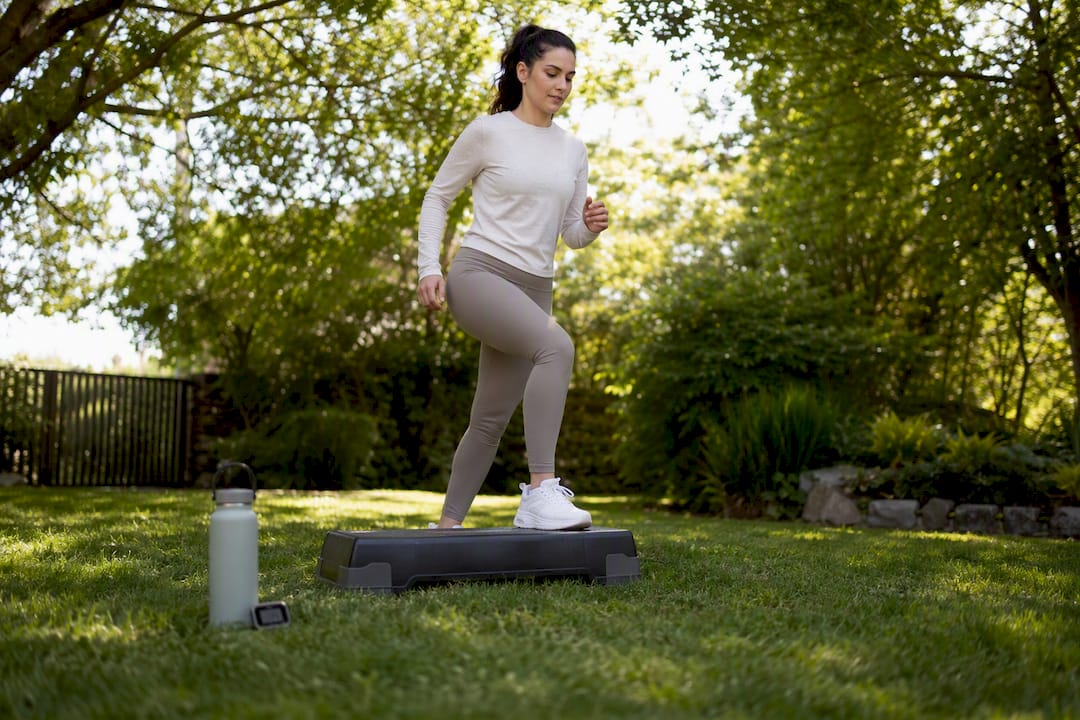
A stiff, painful neck after a concussion is easy to write off as unrelated, but cervicogenic headaches mimic post-concussion headaches closely enough that manual therapy for the neck sometimes resolves symptoms that everyone assumed were purely neurological.

Here’s the part that trips people up: these systems overlap constantly. Someone with neck involvement often has secondary dizziness because the neck feeds into your sense of balance. Someone with vestibular dysfunction often develops visual symptoms because the eyes and inner ear work as a team. This is exactly why a targeted physical exam, not a generic questionnaire, matters so much in balance disorder evaluation and post-concussion care generally. A therapist who only checks one system can miss the actual driver of your symptoms.
What Treatments Do Concussion Physical Therapists Use?
Once your evaluation identifies which systems are involved, treatment gets specific. Here’s what each major intervention category looks like in practice.
Vestibular rehabilitation retrains your brain to interpret signals from your inner ear correctly again. It typically combines gaze stabilization drills, habituation exercises that gradually expose you to movements that trigger mild dizziness, and balance retraining. The goal isn’t to avoid the dizziness trigger forever. It’s to desensitize your system to it in controlled doses.
Gaze stabilization exercises are one of the most common starting points, and the steps usually look like this:
Hold a small target (often a letter on a card) at arm’s length, directly in front of your eyes
Keep your eyes fixed on the target while turning your head side to side, slowly at first
Increase speed only once you can do it without your vision blurring or symptoms spiking
Progress to standing on an unstable surface while performing the same head movements
Add walking with head turns once seated versions are tolerated well
Cervical manual therapy addresses the neck component directly. A therapist uses joint mobilization, soft tissue work, and targeted strengthening to restore normal neck mobility and improve your neck’s positional awareness, which often reduces cervicogenic headache frequency. If your neck injury is complex or involves radiating symptoms, some of the same manual therapy principles used for spinal injuries apply here too.
Sub-symptom threshold aerobic training is where a lot of the newer evidence has focused, and it’s arguably the most misunderstood intervention. Instead of telling patients to avoid exercise until symptom-free, clinicians use objective exertional testing (often a treadmill or stationary bike protocol like the Buffalo Concussion Treadmill Test) to find the exact heart rate at which symptoms begin to appear. You then train just below that threshold, and the ceiling gets raised gradually as your tolerance improves.
Here’s how that prescription actually works step by step:
Complete a graded exertional test where intensity increases in stages until symptoms emerge
The therapist notes the heart rate at symptom onset and sets your training zone about 10% below it
You exercise at that heart rate for short sessions several times a week
Retesting every one to two weeks re-establishes your threshold as it climbs
Intensity and duration increase in step with each new threshold
Balance and gait training rounds out the picture, using progressively harder surfaces, dual-task challenges (like walking while counting backward), and dynamic movement drills to rebuild the coordination that concussions frequently disrupt. If you want a sense of what these progressions look like in practice, structured balance and stability programs follow a similar logic of increasing difficulty only as tolerance improves.
Pro Tip: A well-designed sub-symptom threshold program should never rely on guesswork. Ask whether your clinic uses objective exertional testing to set your heart-rate target rather than just telling you to “go until it feels uncomfortable.” That distinction is the difference between a program grounded in data and one based on a hunch.
The evidence backing this approach isn’t thin. Systematic reviews and randomized trials consistently show that structured, sub-symptom aerobic exercise combined with vestibular and oculomotor rehabilitation shortens recovery time compared to rest-based approaches, and the ANPT clinical practice guideline confirms that starting these interventions early is both safe and effective for the majority of patients.
When Should You Start PT, and What Does the Recovery Timeline Look Like?
The old advice to rest in a dark room until every symptom disappears has been retired. CDC guidance now recommends just one to two days of rest before gradually easing back into normal activity, and extended isolation tends to backfire by causing deconditioning and anxiety on top of the original injury.
Recovery generally moves through six stages, and progression through them depends on how your symptoms respond, not a fixed date on a calendar:
Relative rest (24 to 48 hours): limited screen time, reduced cognitive load, no strenuous activity
Light aerobic activity: walking or stationary cycling at a low intensity, staying well below symptom threshold
Sport-specific or task-specific movement: activities that mimic your normal routine without contact or high cognitive demand
Non-contact training drills: more complex coordination and cognitive load added back in
Full-contact practice or full work/school demands: cleared once tolerance is confirmed through testing
Full return to sport, work, or school without restriction
Cleveland Clinic frames this staged approach as symptom-driven rather than time-driven, meaning two people with the same injury date can be at very different stages depending on how their body responds. Pushing through a bad stretch of symptoms to “stay on schedule” is one of the most common mistakes people make, and it usually sets recovery back further than it advances it.
What to expect by timeframe:
0 to 2 weeks: Most symptoms begin improving. If not, or if specific vestibular, visual, or cervical impairments appear, this is when a PT referral typically happens.
2 to 6 weeks: This is the window where persistent symptoms officially move you into PCS territory, and active rehabilitation becomes the primary treatment strategy rather than rest.
Beyond 6 weeks: If progress stalls despite consistent therapy, referral to a specialty concussion clinic or additional imaging may be warranted to rule out other contributing factors.
What Happens During a Concussion PT Evaluation and Treatment Session?
Your first visit looks different from a typical physical therapy evaluation, mostly because concussion assessment requires testing systems that don’t show up on an X-ray.
Initial evaluation flow:
Detailed history covering the injury mechanism, symptom timeline, and prior concussions
Symptom inventory scoring current severity across categories like headache, dizziness, and fog
Objective testing, including the Vestibular/Ocular Motor Screening (VOMS), balance assessments, cervical range-of-motion and strength testing, and often an exertional test like the Buffalo Concussion Treadmill Test (BCTT)
Goal setting based on what matters to you, whether that’s returning to a desk job, a classroom, or competitive sport
A typical treatment session usually includes:
Manual therapy for the neck if cervical involvement is present
Guided vestibular or oculomotor exercises, progressed from the prior visit
Graded aerobic work at your current heart-rate threshold
A home exercise program to keep progress moving between visits
The VOMS test measures how your eyes and vestibular system respond to specific movements, flagging exactly which motions provoke symptoms. The BCTT establishes your safe exercise heart-rate zone. Balance assessments track how steady you are on different surfaces over time. Together, these tests replace guesswork with numbers your therapist can track visit to visit.
How Do Therapists Track Your Progress and Clear You to Return?
Recovery tracking in concussion PT relies on both how you feel and what the tests show, and the two don’t always move at the same pace.
Symptom severity scores, tracked at every visit to catch trends before you’d notice them yourself
VOMS scores showing reduced provocation with the same eye and head movements over time
Balance test improvements, often measured on progressively unstable surfaces
Exertional tolerance, tracked as the heart rate at symptom onset climbs visit over visit
Functional milestones like tolerating a full school day or a full shift at work without symptom flare
A concrete example makes this clearer. If your first exertional test showed symptoms appearing at 65% of your predicted maximum heart rate, and eight weeks later that number is 85%, that’s a measurable, meaningful sign your brain’s tolerance for exertion has recovered substantially. That’s the kind of number a clinic can point to instead of just asking “how do you feel today?”
This is also where physical therapy coordinates with the rest of your life. For students, therapists often communicate directly with school staff about return-to-learn accommodations like reduced homework or extended test time. For working adults, similar coordination happens with employers around modified duties or reduced hours. For athletes, a formal return-to-sport protocol usually requires clearance from both a physician and objective testing benchmarks before full contact resumes, which mirrors the kind of structured progress tracking used in broader athletic rehabilitation programs.
What Are the Warning Signs That Need Urgent Medical Attention?
Most concussion symptoms improve steadily with time and appropriate rehabilitation, but certain signs mean you need medical evaluation right away, not a wait-and-see approach.
Worsening headache that doesn’t respond to rest or medication
Repeated vomiting or increasing nausea
New weakness, numbness, or difficulty speaking
Worsening confusion, unusual drowsiness, or trouble waking up
Balance problems severe enough to cause falls
Seizures of any kind
If any of these show up, seek emergency care immediately rather than waiting for your next scheduled appointment. During rehabilitation itself, a simpler rule applies: if an exercise causes symptoms to spike and they don’t settle back down within a reasonable time, stop and scale back the intensity before trying again. A brief, mild symptom increase during controlled vestibular retraining is expected and even intentional in some exercises. A sharp spike that lingers is your body telling you to back off, not push through.
How Contemporary Rehab Services Approaches Post-Concussion Care
At Contemporary Rehab Services, concussion rehabilitation starts with a full evaluation of the vestibular, visual, cervical, and cardiovascular systems, because treating a concussion generically rarely works. Sessions are available both in-person and virtually, and treatment plans often combine vestibular rehabilitation with craniosacral therapy, manual therapy for the neck, and individualized exercise progressions built around your specific symptom triggers.
Coverage is not a barrier here. The clinic accepts Medicare, Aetna, Cigna, Emblem, and United Healthcare, along with direct cash payment for patients without in-network coverage.
Your first visit typically includes:
A detailed intake covering your injury history and current symptom pattern
Objective testing of balance, eye movement, and neck mobility
A personalized treatment plan with clear, measurable goals
A home program you can start using immediately
If your symptoms fit the profile described throughout this guide, whether that’s lingering dizziness, neck pain, or exercise intolerance that hasn’t resolved on its own, a concussion-focused evaluation at the Albertson clinic is a reasonable next step toward figuring out exactly what’s driving your symptoms.
A Clinician’s Perspective on What Actually Moves the Needle
The biggest gap in concussion recovery isn’t access to information. It’s the tendency to treat every case the same way, either with blanket rest that goes on too long or with a rush back to normal activity without any objective measure of readiness. What consistently produces better outcomes is symptom-guided progression built on real testing, not a generic timeline pulled from a pamphlet. Recovery under supervised, individualized physical therapy is measurable, and that measurability is exactly what makes it safe to push forward with confidence instead of fear.
Ready to Start Concussion Physical Therapy? Here’s How to Book
If lingering dizziness, neck pain, or exercise intolerance is keeping you from getting back to normal, Contemporary Rehab Services offers something most standalone gyms or generic rehab centers can’t: a concussion-focused evaluation that combines vestibular testing, cervical manual therapy, and craniosacral techniques under one roof, with insurance already worked out ahead of time.
Sessions are billed through Medicare, Aetna, Cigna, Emblem, and United Healthcare, with cash-pay options available if you’re between plans or out of network. Virtual visits are available for patients who want to start with an initial consultation before coming in for hands-on treatment. Clinic locations serve patients throughout the area, including Russell Gardens, Plandome Heights, Great Neck Plaza, and Great Neck Estates.
Bring a list of your current symptoms, any documentation from your physician or emergency visit, and your insurance card to your first appointment. From there, the evaluation team builds a plan around your specific impairments rather than a one-size-fits-all protocol. Request an appointment at the Albertson clinic to get evaluation scheduled and start working toward measurable, trackable progress.
Key Guidelines and Evidence Behind This Guide
Academy of Neurologic Physical Therapy concussion clinical practice guideline: the primary evidence source for PT-specific treatment recommendations
Ohio State post-concussion syndrome clinical practice guideline: defines PCS diagnostic criteria and persistent-symptom prevalence
CDC concussion response guidance: the basis for current rest and gradual return-to-activity recommendations
Cleveland Clinic’s six stages of concussion recovery: outlines symptom-guided staged progression
PMC systematic review evidence on concussion rehabilitation: supports early aerobic exercise and vestibular rehab over rest alone
Frequently Asked Questions
How soon after a concussion should physical therapy start? Physical therapy typically starts once symptoms persist beyond two to three weeks, or sooner if a clear vestibular, visual, or cervical impairment shows up early in recovery.
Can physical therapy make concussion symptoms worse? Some vestibular exercises intentionally provoke mild, temporary symptoms to retrain your system, but a properly dosed program should never leave you significantly worse for an extended period. Symptoms that spike and don’t settle mean the intensity needs to come down.
What is the difference between concussion recovery and post-concussion syndrome? Most people recover within one to two weeks with standard care. Post-concussion syndrome refers to symptoms lasting beyond three weeks, which affects roughly 15% to 20% of people with a concussion and often benefits from targeted physical therapy.
Does insurance cover post-concussion physical therapy? Many plans cover it, including Medicare, Aetna, Cigna, Emblem, and United Healthcare at clinics like Contemporary Rehab Services, though coverage details vary by plan and should be confirmed before your first visit.
How long does concussion physical therapy usually take? Duration depends on symptom severity and which systems are affected, ranging from a few weeks for mild vestibular or cervical involvement to several months for more complex, multi-system post-concussion syndrome cases.
This article is general information, not a substitute for advice from a qualified doctor. Consult a qualified healthcare professional about your own circumstances before acting on anything here.
Sources
Recommended
Comments