
PT Patient Education: What It Means for Your Recovery
- tjdontplay
- Jun 5
- 8 min read
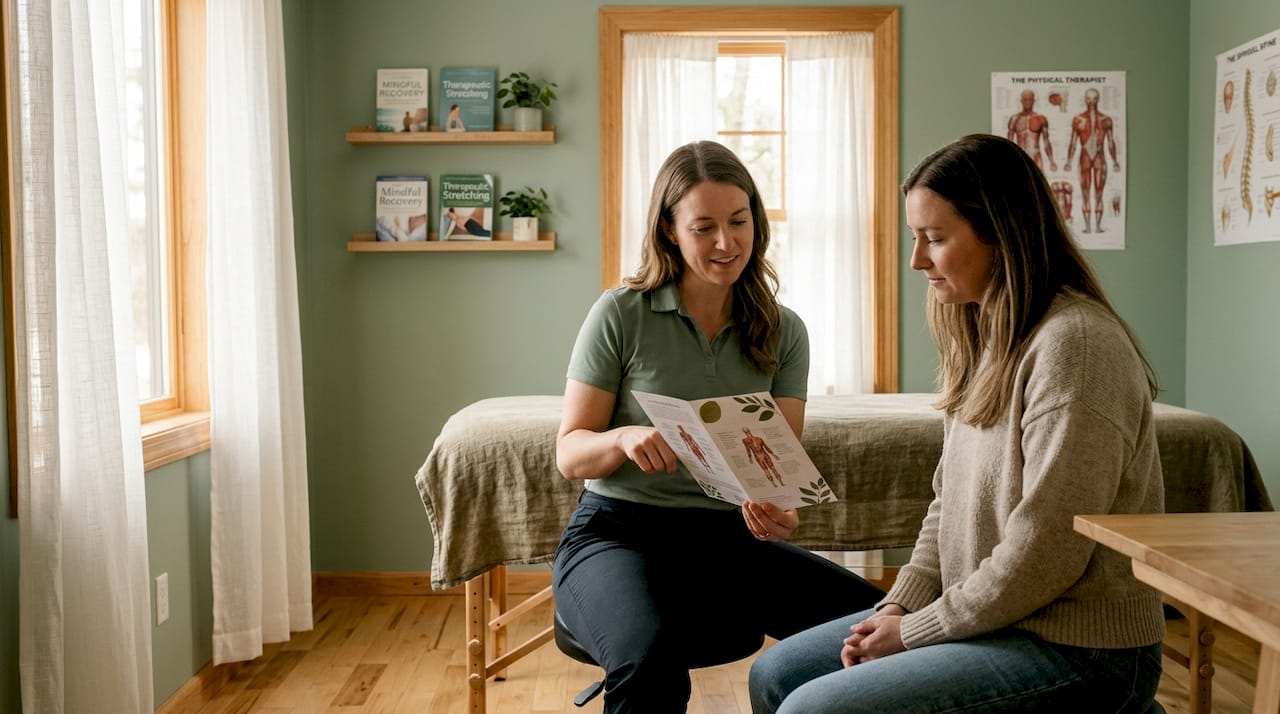
PT patient education is defined as a planned, structured learning process in which a physical therapist teaches patients about their condition, treatment options, and self-management strategies, then verifies true comprehension through methods like teach-back or demonstration. This separates genuine education from simply handing someone a pamphlet. When done well, patient education in PT gives you the knowledge and confidence to take an active role in your own recovery, not just follow instructions passively. At Contemporaryrehabservices in Albertson, NY, this process is woven into every stage of care.
What is PT patient education and what does it include?
Physical therapy patient education covers a wide range of topics, all tailored to your specific diagnosis, goals, and learning style. The core purpose is to make sure you understand what is happening in your body, why your PT is recommending certain treatments, and what you can do between sessions to support your progress.
Common topics covered in PT education include:
Your diagnosis explained in plain language. Your therapist describes the condition, what structures are involved, and what is causing your symptoms.
Treatment options and what to expect. You learn why specific exercises or manual techniques are being used and what results are realistic.
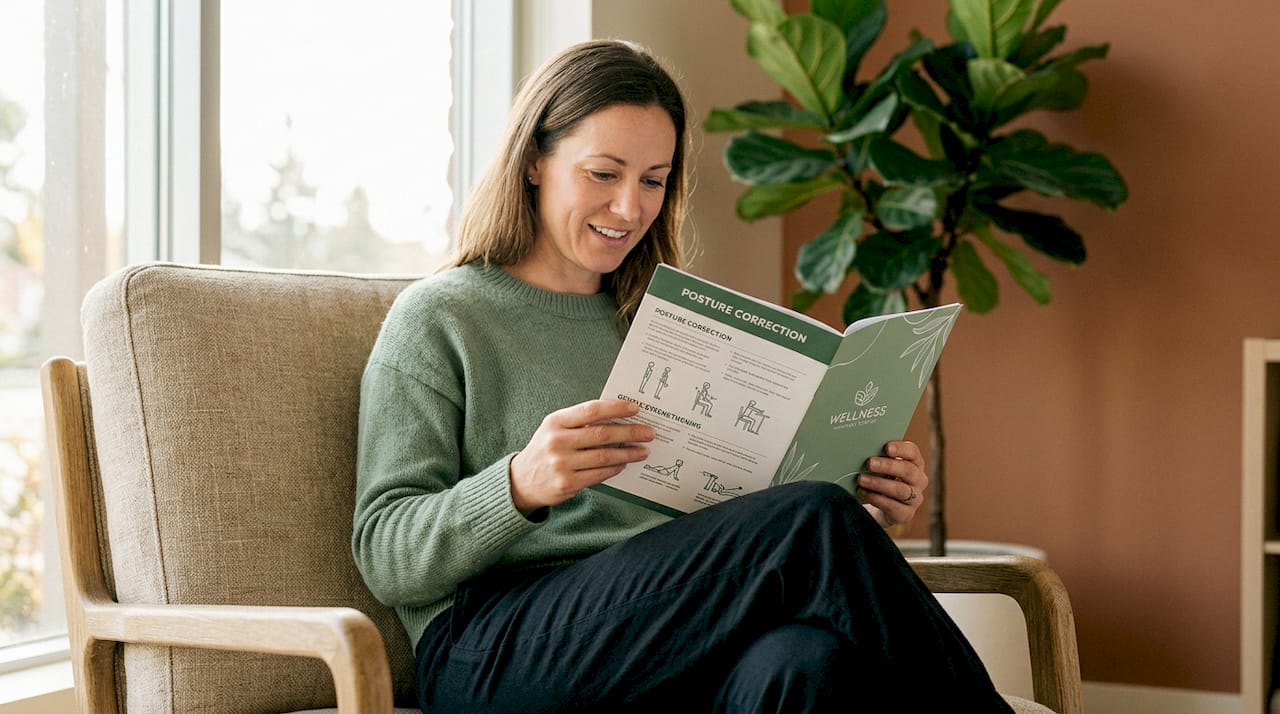
Posture and movement correction. Your PT shows you how daily habits may be contributing to your pain and how to change them.
Home exercise guidance. Written or visual instructions help you practice safely on your own between visits.
Symptom management strategies. This includes pacing, activity modification, and recognizing warning signs that need attention.
The format matters as much as the content. PT education resources are delivered through verbal explanation, printed handouts, infographics, and downloadable materials. The American Physical Therapy Association’s pelvic health division, for example, provides committee-reviewed downloadable handouts that demonstrate how multi-format delivery improves accessibility and engagement.
A study comparing novice and experienced PTs found that clinician experience shapes content emphasis significantly. Experienced therapists tend to prioritize posture correction, movement coaching, and pacing. Newer clinicians often rely more heavily on continuing education courses to fill knowledge gaps. This means the education you receive can vary depending on who is treating you, which is worth keeping in mind.
Pro Tip: Ask your PT directly: “What should I do at home if my symptoms flare up?” A good answer tells you a lot about the depth of education you can expect throughout your care.
How does patient education affect your PT outcomes?
The evidence on physical therapy education is both encouraging and nuanced. A 2025 meta-analysis of 69 randomized controlled trials involving 6,773 patients found moderate-certainty evidence that therapeutic patient education combined with rehabilitation reduces short-term pain and disability in adults with subacute and chronic musculoskeletal conditions. That same review found large reductions in kinesiophobia, the fear of movement that often keeps people from recovering fully. Fear of re-injury is one of the most underappreciated barriers to recovery, and education directly addresses it.
“Education combined with rehabilitation produces reliable short-term outcome improvements. Standalone education efficacy remains uncertain.” — JOSPT 2025 Systematic Review
The picture is more complicated for chronic low back pain specifically. A separate 2025 meta-analysis of 8,152 patients found no statistically significant differences in pain or disability when education was added to physiotherapy for chronic nonspecific low back pain (p=0.4 for pain, p=0.9 for disability). This does not mean education is useless for back pain patients. It means education works best as part of an integrated treatment plan, not as a substitute for hands-on rehabilitation.
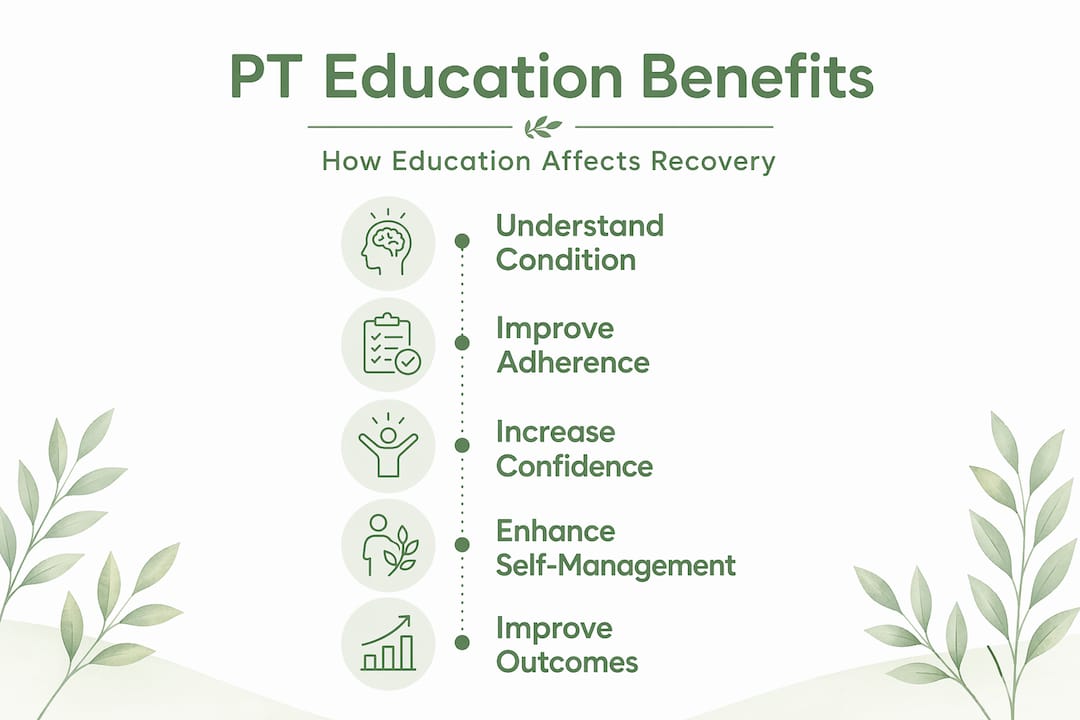
The role of education in physical therapy rehabilitation is clearest when it targets adherence and self-efficacy. Patients who understand their condition are more likely to complete their home exercise programs, attend follow-up sessions, and make the lifestyle adjustments that support long-term recovery. Education builds the foundation that makes every other intervention more effective.
What evaluation methods confirm you actually learned something?
Most people, when asked “Do you understand?”, say yes. This is why a simple yes-or-no question is one of the least reliable ways to confirm patient learning. Effective PT education uses structured evaluation methods to check whether understanding is real and whether it translates into behavior.
Teach-back. Your PT asks you to explain the information back in your own words. If you can describe why you are doing a specific exercise and what to watch for, your therapist knows the message landed. Teach-back methods go further by presenting realistic scenarios: “What would you do if your pain increased after this exercise?” This tests application, not just recall.
Physical skill demonstration. For movement-based education, you perform the technique while your therapist observes. This catches errors that verbal confirmation would miss entirely.
Scenario-based problem solving. Your PT presents a real-life situation related to your condition and asks how you would handle it. This reveals whether you can transfer knowledge to daily life.
Behavior follow-up over time. At your next visit, your therapist checks whether your home exercise adherence, posture habits, or activity levels actually changed. Long-term behavior is the truest measure of effective education.
A 2026 VA systematic review found that teach-back interventions produce moderate increases in adherence and large increases in self-efficacy in physical therapy contexts. Self-efficacy, your confidence in your ability to manage your condition, is one of the strongest predictors of long-term recovery success.
Clinicians also use standardized tools to measure patient engagement and confidence. The Patient Activation Measure (PAM), the Health Education Impact Questionnaire (heiQ), and the Self-Efficacy for Managing Chronic Disease scale (SEMCD) each provide structured data on how well a patient understands and manages their condition. These tools move education quality from a subjective impression to a measurable outcome.
Pro Tip: If your PT never asks you to demonstrate or explain anything back, ask them to walk through your home program with you. Saying “Can I show you how I’ve been doing this?” opens the door to real feedback.
How clinician experience shapes the education you receive
Not all physical therapy education is delivered equally, and the gap between novice and experienced clinicians is real. Research comparing the two groups found significant differences in educational content emphasis, with p-values below 0.05 confirming the differences are not random.
Experienced PTs tend to focus on:
Correcting posture and movement patterns that drive ongoing pain
Teaching pacing strategies so patients avoid the boom-and-bust cycle of overdoing activity then crashing
Addressing patient beliefs and perceptions about their condition, since fear and catastrophizing directly affect outcomes
Providing detailed self-management plans that extend beyond the clinic
Newer therapists, by contrast, often rely more heavily on continuing education courses to develop their educational approach. This is not a criticism. It reflects the natural learning curve of clinical practice. But it does mean that patients working with less experienced clinicians may receive more general information and less individualized coaching.
Choosing the right physical therapist involves asking about their approach to self-management education, not just their manual therapy techniques. If your therapist cannot clearly explain what you should be doing between sessions and why, that is a gap worth addressing directly. Patients who actively request detailed self-management instructions consistently report better outcomes, regardless of clinician experience level.
Key takeaways
Patient education in PT works best when it is integrated with hands-on rehabilitation, verified through teach-back, and tailored to your specific condition and learning style.
Point | Details |
Education requires verification | Teach-back and demonstration confirm real understanding, not just passive listening. |
Combined with rehab, education reduces pain | A 2025 meta-analysis of 69 RCTs found moderate evidence for short-term pain and disability reduction. |
Chronic low back pain is a nuanced case | Adding education to PT for chronic nonspecific LBP showed no significant pain improvement in a large 2025 review. |
Clinician experience affects content quality | Experienced PTs emphasize posture, pacing, and patient beliefs more than novice therapists. |
Self-efficacy is the real target | Teach-back produces large increases in patient confidence, which predicts long-term recovery success. |
Why I think most patients underestimate what education can do for them
I have seen patients arrive at their first session expecting to be stretched and sent home with a sheet of exercises. When education is done right, it changes that expectation completely. The patients who recover fastest are almost never the ones who simply follow instructions. They are the ones who understand why they are doing each exercise, what their body is telling them, and how to adjust when something does not feel right.
The research backs this up, but the research also shows something that does not get discussed enough. Education is not a magic layer you add on top of treatment. For chronic low back pain, adding education to an already solid PT program did not move the needle on pain scores in a large 2025 review. That finding surprised a lot of clinicians. What it actually tells me is that education has to be woven into the treatment itself, not delivered as a separate lecture at the start of a session and then forgotten.
The other thing I have learned is that patients who ask questions get better education. Therapists, like all clinicians, respond to engaged patients. If you ask your PT to explain why a specific exercise matters, you will get a more thorough answer than if you stay quiet. That is not how it should be, but it is how it often works in practice. You deserve faster recovery through informed participation, and the best way to get it is to show up as an active participant, not a passive recipient.
— Tj
How Contemporaryrehabservices approaches patient education
At Contemporaryrehabservices, patient education is not a handout at the end of your session. It is built into every visit at both the Albertson, NY clinic and the Searingtown location, serving patients across Nassau County and Queens. Therapists use teach-back, movement demonstrations, and individualized home programs to make sure you leave each visit with real understanding, not just instructions.
Contemporaryrehabservices accepts Medicare, Aetna, Cigna, Emblem, and United Healthcare plans, so getting access to quality education-integrated care is straightforward. Whether you are managing a new injury or a chronic condition, the goal is the same: give you the knowledge and confidence to recover well and stay well. Explore the full range of therapy services available and take the first step toward informed, active recovery.
FAQ
What is PT patient education in simple terms?
PT patient education is the structured process of teaching you about your condition, treatment plan, and self-management strategies during physical therapy. It goes beyond information delivery by verifying that you actually understand and can apply what you have learned.
Does patient education actually improve physical therapy outcomes?
A 2025 meta-analysis of 69 randomized controlled trials found that education combined with rehabilitation reduces short-term pain, disability, and fear of movement in adults with subacute and chronic musculoskeletal conditions. Results vary by condition, and education works best when integrated with hands-on treatment.
What is the teach-back method in PT?
Teach-back asks you to explain information back to your therapist in your own words or demonstrate a skill, rather than simply answering yes to “Do you understand?” Research shows it produces large increases in patient self-efficacy and moderate improvements in adherence.
What topics does PT patient education typically cover?
PT education covers your diagnosis, treatment rationale, posture and movement correction, home exercise guidance, and symptom management strategies. The specific content is tailored to your condition and adjusted based on your therapist’s clinical experience and your learning needs.
Why does education quality vary between physical therapists?
A published study found significant differences in how novice and experienced PTs approach patient education, with experienced clinicians placing greater emphasis on posture correction, pacing, and addressing patient beliefs. Asking your PT specific questions about self-management is the most reliable way to get thorough, individualized education regardless of their experience level.
Recommended
Comments