
What Is Physical Function? Your Guide to Daily Independence
- 1 day ago
- 9 min read

Physical function is defined as your capacity to perform the essential physical tasks required for daily life, from basic self-care like bathing and dressing to more complex activities like cooking, managing finances, and getting around your community. Clinically, this concept is captured through two categories: Activities of Daily Living (ADLs) and Instrumental Activities of Daily Living (IADLs). Understanding your own physical function is the first step toward protecting your independence, whether you are recovering from an injury, managing a chronic condition, or simply trying to stay active and capable as you age.
What is physical function and why does it matter?
Physical function is the ability to perform daily tasks that range from basic self-care to complex instrumental activities, shaped by the interaction between your personal capacity and the demands of your environment. It is not the same as fitness or athletic ability. A person can be physically fit by gym standards and still struggle to carry groceries up a flight of stairs after a knee injury.
The distinction matters because physical function focuses on daily living capacities, not peak performance. Clinicians use the term “functional capacity” interchangeably with physical function to describe this real-world ability. When your functional capacity declines, the consequences show up in your daily routine before they show up in a lab result.
Functional declines predict falls, hospitalization, and mortality risk, which means that monitoring physical function is not just a quality-of-life concern. It is a direct health indicator. For adults in Queens and Nassau County managing conditions like arthritis, diabetes, or post-surgical recovery, understanding this connection is genuinely empowering.
What are examples of physical function and why do they matter?
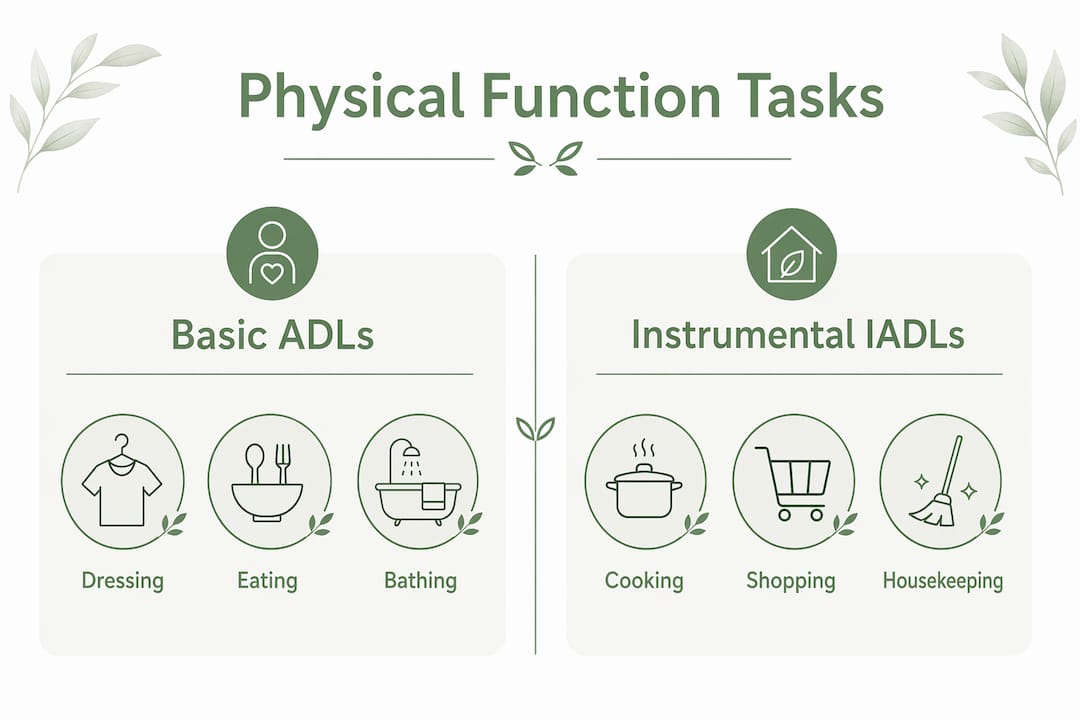
Physical function covers a wide spectrum of real-world tasks. Breaking them into two categories makes it easier to understand where your own strengths and gaps may lie.
Basic ADLs are the most fundamental self-care tasks:
Bathing and personal hygiene
Dressing and undressing
Toileting and continence management
Eating and feeding yourself
Transferring (moving from bed to chair, for example)
Basic mobility and walking indoors
Instrumental ADLs are more complex tasks that require coordination, planning, and often physical endurance:
Preparing meals
Managing medications
Handling finances and paperwork
Housecleaning and laundry
Using transportation
Shopping for groceries
The reason these categories matter is practical. Decline in ADLs and IADLs results in increased dependence and reduced quality of life. Losing the ability to cook your own meals or manage your medications independently has a direct impact on your safety, your social life, and your sense of self.
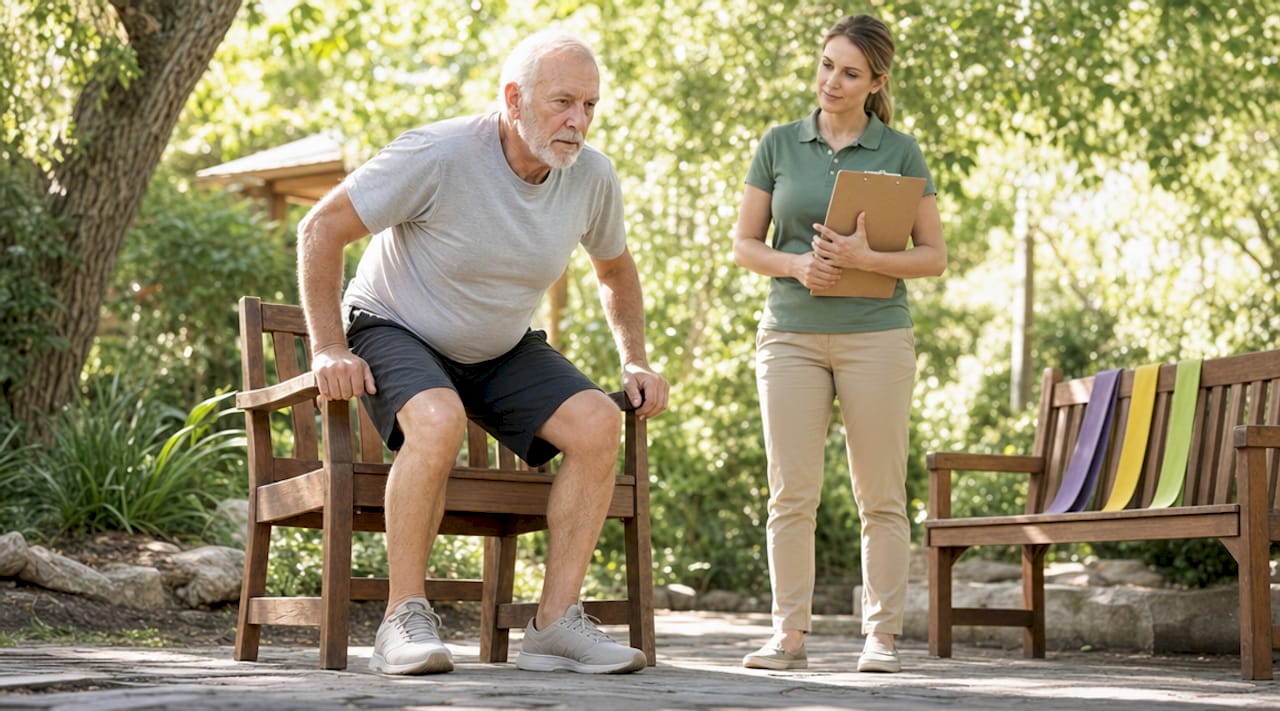
Physical function also affects mobility and fall risk. Someone who struggles to rise from a chair without using their arms is showing a measurable functional deficit, even if they feel “fine” overall. That deficit increases fall risk, which is one of the leading causes of injury-related hospitalization in adults over 65.
Pro Tip: If you are unsure where your physical function stands, pay attention to tasks that used to feel automatic but now require extra effort or planning. That shift is often the earliest signal of functional decline.
How is physical function assessed: objective tests versus self-report?
Assessment is where physical function moves from a concept to a clinical tool. Two main approaches exist: objective performance tests and patient-reported outcome measures (PROs). Both have real value, and the most accurate picture comes from using them together.
Objective performance tests
Clinical guidelines prioritize rapid, low-cost tests such as the 5-time chair stand, gait speed measurement, and the Timed Up and Go (TUG) test. These take under 20 minutes and predict one-year mortality outcomes, making them powerful screening tools. The 5-time chair stand measures lower body strength and balance. Gait speed measures how quickly you walk a short distance. The TUG measures how long it takes to stand, walk three meters, turn, and sit back down.
Patient-reported outcome measures
PROs like the PROMIS-29 Physical Function scale ask you to rate your ability to perform specific tasks. These capture your lived experience, including pain, fatigue, and confidence, which objective tests cannot fully measure. Combining objective tests with patient-reported outcomes provides a comprehensive view of physical function that neither method achieves alone.
Assessment Type | What It Measures | Strengths | Limitations |
Objective tests (TUG, chair stand, gait speed) | Physical performance under standardized conditions | Detects decline the patient may not notice | Does not capture pain, fatigue, or confidence |
Patient-reported outcomes (PROMIS-29) | Self-perceived ability to perform daily tasks | Reflects lived experience and personal priorities | May mask actual decline due to self-adjustment |
Combined approach | Full clinical picture of function | Most accurate and patient-centered | Requires trained clinician to interpret |
Objective tests reveal measurable decline often masked by patient self-adjustment, which is why clinical assessment matters even when you feel you are managing well. Many people unconsciously modify their routines to avoid tasks they find difficult, which hides the true extent of functional loss.
Pro Tip: Ask your physical therapist to include both a performance test and a self-report measure at your first visit. That combination gives you a baseline to measure real progress against.
What factors affect physical function and how does it decline?
Physical function does not decline in a straight line, and it is rarely caused by one thing alone. Understanding what drives decline helps you take targeted action.
Biological factors include:
Aging, which reduces muscle mass, bone density, and joint flexibility
Chronic musculoskeletal conditions like osteoarthritis and osteoporosis
Neurological conditions including Parkinson’s disease and stroke
Circulatory conditions such as heart failure and peripheral artery disease
Sarcopenia, the age-related loss of muscle mass and strength
Psychological and cognitive factors include:
Chronic pain, which limits movement and reduces motivation to stay active
Fatigue, which reduces endurance for both ADLs and IADLs
Depression and anxiety, which are strongly associated with reduced physical activity
Cognitive decline, which affects the planning and sequencing needed for complex tasks
Environmental factors include:
Home layout barriers such as stairs, narrow doorways, and poor lighting
Lack of access to safe outdoor walking areas
Absence of social support or caregiving assistance
Nearly 50% of adults over 75 have functional limitations impacting independence, linked to musculoskeletal and neurological conditions. That statistic reflects how common functional decline is, but it also means there is a large population for whom targeted intervention can make a meaningful difference.
Injury and illness can also cause sudden, dramatic drops in physical function. A hip fracture, a cardiac event, or even a prolonged hospitalization can strip away months or years of functional capacity in a matter of days. Functional assessments detect pre-frailty even in younger adults recovering from injury or illness, not only the elderly. This is why physical function assessment belongs in recovery plans at every age.
How can you improve or maintain your physical function?
The good news is that physical function responds well to the right interventions. You do not need to be an athlete to make meaningful gains. You need a plan that matches your current condition and progresses at the right pace.
Start with a professional assessment. Before you begin any exercise program, know your baseline. A physical therapist can identify specific deficits in strength, balance, and mobility that a general fitness routine will not address. Physical therapy in rehabilitation uses patient-centered methods to restore function based on your individual clinical picture.
Follow an individualized, progressive exercise program. Exercise prescriptions must be tailored to individual clinical status for best outcomes in preserving function. A program that works for a healthy 60-year-old may be inappropriate for someone managing heart failure or recovering from a total knee replacement. Progression matters too. Gradual increases in resistance, duration, or complexity keep the body adapting without causing injury.
Address balance and fall prevention directly. Balance training is one of the most evidence-supported interventions for maintaining physical function in older adults. Balance improvement exercises targeting stability and fall prevention are a core component of any functional rehabilitation program.
Modify your environment. Remove trip hazards, add grab bars in the bathroom, improve lighting, and consider assistive devices like canes or reachers if they help you stay active safely. Environmental modifications extend your functional independence without requiring physical improvement alone.
Support recovery with nutrition and rest. Adequate protein intake supports muscle repair and maintenance. Poor sleep accelerates functional decline. These lifestyle factors work alongside exercise, not instead of it.
Pro Tip: If you are managing a chronic condition like arthritis or diabetes in Nassau County, look for a physical therapy clinic that accepts your insurance plan. Contemporaryrehabservices accepts Medicare, Aetna, Cigna, Emblem, and United Healthcare, which removes a common barrier to getting started.
Key takeaways
Physical function is the measurable capacity to perform daily tasks, and protecting it requires early assessment, individualized exercise, and consistent attention to the factors that drive decline.
Point | Details |
Definition of physical function | Physical function is your capacity to perform ADLs and IADLs shaped by personal ability and environment. |
Assessment combines two methods | Objective tests like the TUG and self-report tools like PROMIS-29 together give the most accurate picture. |
Decline has multiple causes | Aging, chronic conditions, pain, fatigue, and environmental barriers all reduce functional capacity. |
Exercise is the primary intervention | Individualized, progressive exercise is the most evidence-supported way to preserve or restore physical function. |
Early detection changes outcomes | Identifying functional decline before it becomes severe prevents falls, hospitalization, and loss of independence. |
Why I think most people wait too long to address physical function
Most people I work with come in after something goes wrong. A fall. A surgery. A diagnosis. By that point, functional decline has often been building quietly for months or years. The person has been compensating without realizing it, taking the elevator instead of the stairs, skipping the grocery run, asking someone else to carry the laundry.
The uncomfortable truth is that physical function is easier to maintain than it is to restore. Once you lose significant muscle mass or balance confidence, the road back is longer and harder than it needed to be. I have seen patients in their 50s with the functional profile of someone 20 years older, simply because no one had ever assessed them or given them a reason to pay attention.
The other misconception I encounter regularly is the idea that physical function is just about strength. Functional capability is more than strength. It is the ability to manage environmental demands with minimal fatigue or pain. Someone can have strong legs and still struggle to walk a full grocery store aisle because of pain or endurance deficits. Treating function means treating the whole picture.
My recommendation is simple. Do not wait for a crisis. Get a baseline assessment, understand where you stand, and build a plan that keeps you ahead of decline rather than chasing it. Routine physical function tests are one of the most underused tools in preventive health, and they are far more informative than a standard annual checkup.
— Tj
How Contemporaryrehabservices can help you move better
If you are ready to understand and improve your physical function, Contemporaryrehabservices in Albertson, NY is built for exactly that. The clinic serves Queens and Nassau County with individualized physical therapy programs designed around your specific functional goals, whether you are recovering from surgery, managing a chronic condition, or simply working to stay independent and active.
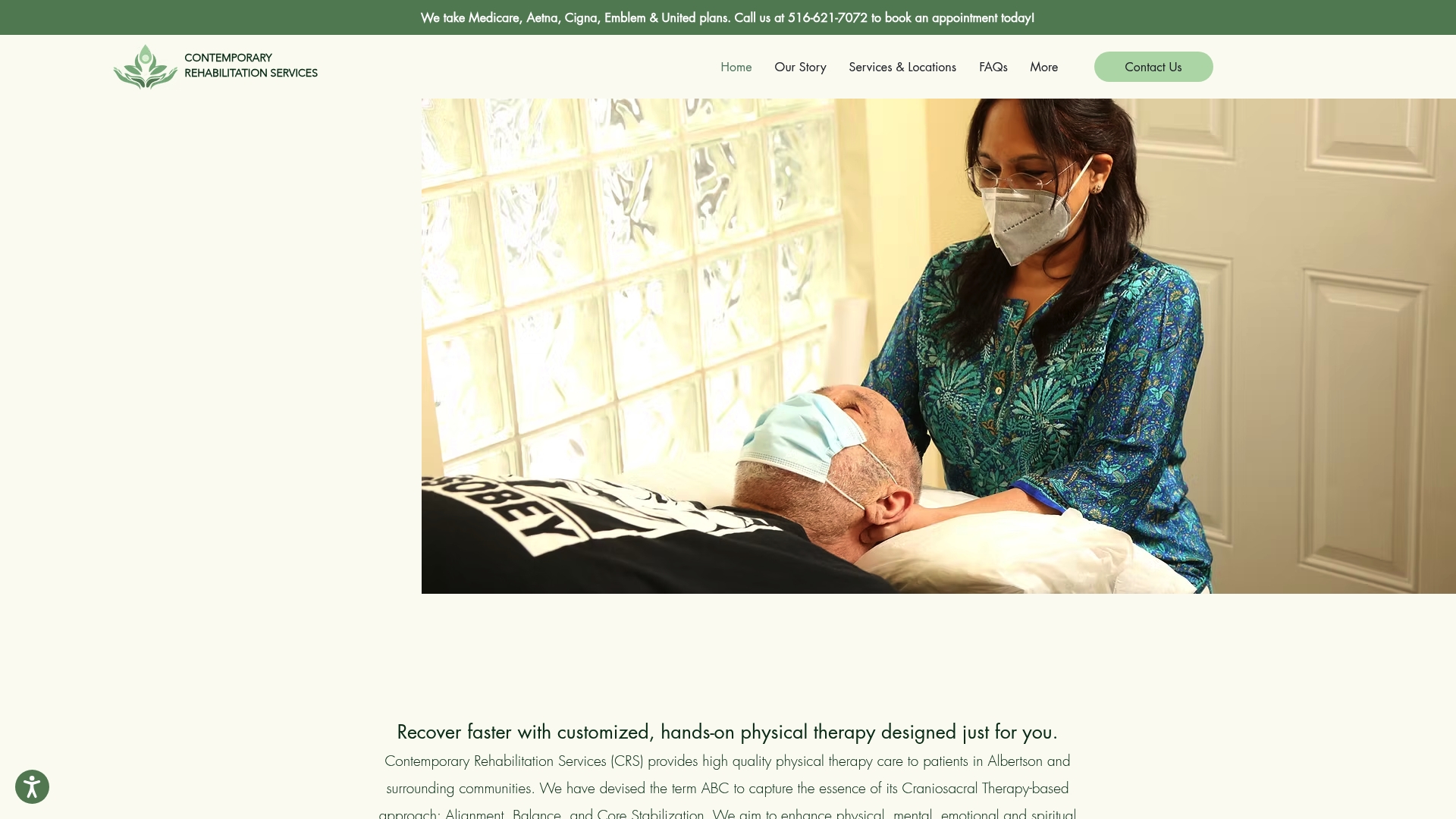
The team at Contemporaryrehabservices conducts thorough functional assessments, builds progressive exercise programs, and works with you on the real-world tasks that matter most to your daily life. The clinic accepts Medicare, Aetna, Cigna, Emblem, and United Healthcare, so insurance is rarely a barrier. Explore the full range of therapy services available or book a visit at the Albertson location to take the first step toward better function today.
FAQ
What is the definition of physical function?
Physical function is defined as the capacity to perform essential physical tasks required for daily life, including both basic self-care activities (ADLs) and more complex tasks like cooking and managing finances (IADLs). It reflects the interaction between your personal physical capacity and the demands of your environment.
How is physical function measured clinically?
Clinicians use objective performance tests like the Timed Up and Go, 5-time chair stand, and gait speed, often combined with patient-reported outcome measures like the PROMIS-29 scale. Together, these tools provide a complete picture of both measurable ability and lived experience.
What causes physical function to decline?
Physical function declines due to aging, chronic conditions like arthritis and heart disease, injury, cognitive changes, chronic pain, fatigue, and environmental barriers. Declines in physical function may also be driven by underlying inflammation or mood disorders that limit movement over time.
Can physical function be improved after injury or illness?
Yes. Individualized exercise programs tailored to your clinical status are the most effective way to restore physical function after injury or illness. Physical therapy accelerates recovery by targeting specific deficits in strength, balance, and mobility.
At what age should I start monitoring my physical function?
Functional assessment is relevant at any age, particularly after injury or illness. Pre-frailty can be detected in younger adults recovering from surgery or prolonged illness, not only in older populations. Starting early gives you a baseline and the best chance of preventing significant decline.
Recommended
Comments