
Rehabilitation Milestones List: Your Complete Recovery Guide

What are rehabilitation milestones and why do they matter?
A rehabilitation milestones list is a structured set of measurable progress markers that show how far you have come in recovering from an injury, surgery, stroke, or addiction. These checkpoints serve two purposes at once: they tell your care team whether your treatment plan is working, and they give you something concrete to aim for each week. Without them, recovery can feel like wandering without a map.
Milestones fall into three broad categories:
Physical milestones: pain reduction, restored range of motion, strength gains, and return to functional tasks
Psychological milestones: emotional stability, motivation, reduced anxiety, and sustained sobriety
Functional milestones: walking unaided, returning to work, resuming daily activities independently
Recovery timelines vary widely by condition, but research generally organizes them into three phases: acute stabilization lasting several days, an intensive early recovery phase spanning several months, and a stabilization phase lasting about half a year or more with possible improvement continuing over time. Knowing where you are within that arc helps you and your therapist set realistic expectations and celebrate real progress.
Standardized milestones also protect you from stopping therapy too soon. Pain relief feels like the finish line, but it is usually the halfway point.
Stages of rehabilitation and what to expect at each one
Recovery does not happen all at once. It moves through distinct stages, each with its own goals and common challenges. Understanding what each phase demands helps you prepare mentally and physically before you get there.

Early stage (days 1–14)
The priority here is stabilization and protecting the injured area while beginning gentle movement. Early rehab initiation, ideally within 24–48 hours of medical stabilization, is one of the strongest predictors of a successful outcome. Key goals at this stage include:
Controlling pain and swelling
Restoring basic range of motion
Preventing muscle atrophy through gentle, supervised movement
Establishing a baseline for functional assessment
For stroke patients, this phase also involves neurological evaluation and beginning motor-skill exercises to reconnect brain pathways with affected limbs.
Mid stage (weeks 2–12)
Strength, balance, and coordination become the focus. Patients move from protected movement to progressive loading. In orthopedic rehab, this often means progressing from partial to full weight-bearing. In stroke recovery, the initial months are considered the critical period because rehabilitation efforts work in sync with the brain’s natural recovery processes. Goals at this stage include:
Building muscular strength and endurance
Improving balance and proprioception (your body’s sense of position)
Increasing independence with daily activities
Addressing psychological barriers such as fear of reinjury
Long-term stage (months 3–18+)
Full function restoration and relapse prevention define this phase. Patients work toward returning to work, sport, or pre-injury activity levels. Neurological recovery after stroke predominantly occurs within the first three months but can extend meaningfully up to 18 months with intensive therapy. For addiction recovery, this stage involves building the life structure that supports sustained sobriety.
Pro Tip: Do not judge your recovery by how you feel on a single bad day. Track your weekly averages for pain, strength, and activity tolerance instead. Trends matter far more than daily fluctuations.
How clinicians measure and recognize your progress
Feeling better is encouraging, but objective measurement is what guides clinical decisions. Your therapist uses specific tests and assessments to confirm that you have genuinely reached a milestone, not just had a good week.
Common physical assessments include:
Range of motion testing: a goniometer measures joint angles before and after treatment
Manual muscle testing: grades strength on a 0–5 scale across affected muscle groups
Single-leg hop test: assesses functional strength and confidence in the injured limb, commonly used before return to sport
Timed Up and Go (TUG) test: measures mobility and fall risk in older adults or stroke patients
Functional Independence Measure (FIM): scores a patient’s ability to perform daily tasks without assistance
Psychological and behavioral milestones are recognized differently. In addiction recovery, sustained sobriety at 24 hours, 30 days, 60 days, and 90 days of sobriety are widely acknowledged checkpoints. Clinicians also watch for reduced catastrophizing, improved sleep, and willingness to engage in social activities as signs of emotional progress.
Signs that progress has stalled and reassessment is needed include persistent pain that does not respond to treatment, a plateau in strength or range of motion lasting more than two to three weeks, increased reliance on pain medication, or a return of psychological symptoms like withdrawal and avoidance. Recovery is rarely a straight line, and a plateau is not failure. It is a signal to adjust the plan.
Key physical and psychological milestones across rehab types
The specific checkpoints you will encounter depend on your diagnosis and the phase of recovery you are in. The table below organizes common milestones by rehab type and stage.

Rehab Type | Early Stage Milestones | Mid Stage Milestones | Long-Term Milestones |
Orthopedic (knee, hip, shoulder) | Pain and swelling controlled; passive range of motion improved | Full weight-bearing; notable strength improvements | Return to sport or work; single-leg hop test passed |
Stroke recovery | Sitting balance achieved; basic limb movement returning | Walking with or without assistive device; self-care independence | Community ambulation; return to driving or employment |
Cardiac rehab | Stable heart rate during light activity; wound healing | Completing supervised exercise sessions; reduced fatigue | Resuming full daily activities; independent home exercise |
Addiction recovery | Medical detox completed over several days; withdrawal symptoms managed | Multiple sobriety milestones over initial months; peer support engagement | Longer-term sobriety milestones; stable housing and sense of purpose |
Beyond the physical markers, emotional and psychological milestones carry real weight in predicting lasting recovery. Research shows that a significant proportion of patients following physical trauma experience depression or emotional instability, and addressing those symptoms alongside physical therapy is not optional. It is part of the treatment.
The SAMHSA four-dimensional recovery model organizes psychological readiness into four areas: physical and emotional health, stable living conditions, meaningful daily activities, and supportive relationships. Reaching milestones in all four dimensions, not just the physical ones, predicts whether recovery will hold over time.
Functional milestones that often signal readiness for return to work or sport include:
Passing a sport-specific functional test (e.g., agility drills, cutting movements)
Achieving 90% or greater strength symmetry between limbs
Completing a full workday simulation without significant pain or fatigue
Demonstrating safe stair climbing, lifting, and carrying
For ankle injuries specifically, a step-by-step ankle rehab progression from protected weight-bearing through proprioceptive training to sport-specific drills illustrates how tightly sequenced these milestones need to be.
Common challenges that can slow your progress
Recovery rarely goes exactly as planned. Knowing the most common obstacles in advance means you are less likely to be derailed by them.
Physical setbacks are the most visible. A secondary injury, a fall, or a flare-up of inflammation can set back weeks of progress. Stopping therapy too early is one of the leading causes of reinjury, because pain reduction alone does not mean the underlying tissue has fully healed or that strength has been restored.
Psychological barriers are just as disruptive and often less recognized. Depression, anxiety, and loss of motivation are common after serious injury or during addiction recovery. Fear of pain or reinjury can cause patients to avoid movements their body is actually ready for, creating a cycle of deconditioning.
Complacency after early wins is a subtle but real risk. Patients who feel dramatically better after the first few weeks sometimes reduce their effort or attendance, not realizing that the mid-stage work is where lasting function is built. Common challenges to watch for include:
Skipping home exercise programs because pain has decreased
Comparing your pace to someone else’s recovery
Avoiding psychological support because physical symptoms have improved
Underreporting pain to appear more recovered than you are
Clinicians address these challenges by adjusting exercise intensity, introducing new functional goals, and scheduling regular reassessments. If you notice your progress has plateaued for more than two weeks, bring it up at your next session rather than waiting for your therapist to notice.
Why recognizing and celebrating your progress matters
Acknowledging milestones is not just feel-good encouragement. It has a measurable effect on motivation and long-term commitment to recovery. Peer-support programs in addiction recovery have long used structured celebrations, including tokens for 30, 60, and 90 days of sobriety and annual anniversary recognition, as tools for reinforcing psychological rebuilding.
The same principle applies in physical rehabilitation. When a patient walks unaided for the first time after a hip replacement or completes a full flight of stairs after knee surgery, naming that moment matters. It shifts the internal narrative from “I am still recovering” to “I am making real progress.”
Your support system plays a direct role here. Family members, friends, and peer groups who acknowledge your achievements reinforce the behavior that produced them. Practical ways to recognize progress include:
Keeping a weekly log of what you could not do before that you can do now
Sharing milestones with your care team at each session
Setting a small personal reward for reaching a defined goal (completing six weeks of consistent therapy, for example)
Participating in a peer support group where shared milestones are celebrated openly
Even small gains deserve recognition. Reducing pain from a 7 to a 4 on a 10-point scale, or sleeping through the night without waking from discomfort, are genuine wins. Treating them as such builds the psychological momentum that carries you through the harder phases ahead.
How to track your rehabilitation milestones effectively
Tracking your own progress gives you agency in your recovery and makes your therapy sessions more productive. When you walk in with specific observations, your therapist can make better decisions.
Simple, consistent tracking methods include:
Daily pain journal: rate your pain on a 0–10 scale at the same time each day, and note what activity preceded it
Movement log: record which exercises you completed, how many repetitions, and how the affected area felt afterward
Functional checklist: note weekly whether you can perform specific tasks (climbing stairs, carrying groceries, sleeping on the affected side) that you could not do before
Mood and energy tracking: a brief note on your emotional state and energy level helps identify patterns that physical data alone misses
Share this tracking with your therapist at every visit. Objective data from your daily life fills in the gaps between clinic appointments and helps your care team spot a plateau before it becomes a setback. A patient’s guide to evaluating therapy results can help you understand what your numbers actually mean in clinical terms.
Set short-term goals that align with your next milestone, not the final one. If your long-term goal is returning to tennis, your short-term goal this week might be completing a single-leg balance exercise for 30 seconds without support. That specificity keeps effort focused and progress visible.
Pro Tip: Bring your tracking log to every appointment and ask your therapist to review it with you. Patients who actively share their self-monitored data tend to have more targeted treatment adjustments and clearer timelines for the next phase.
Patience is not passive. Consistent effort through the frustrating plateaus is what separates patients who reach full function from those who stop short of it. Progress is not always visible week to week, but the cumulative effect of steady work compounds over months.
Contemporaryrehabservices supports your recovery at every milestone
Tracking milestones on paper is one thing. Having a skilled care team that adjusts your plan at every checkpoint is another entirely.
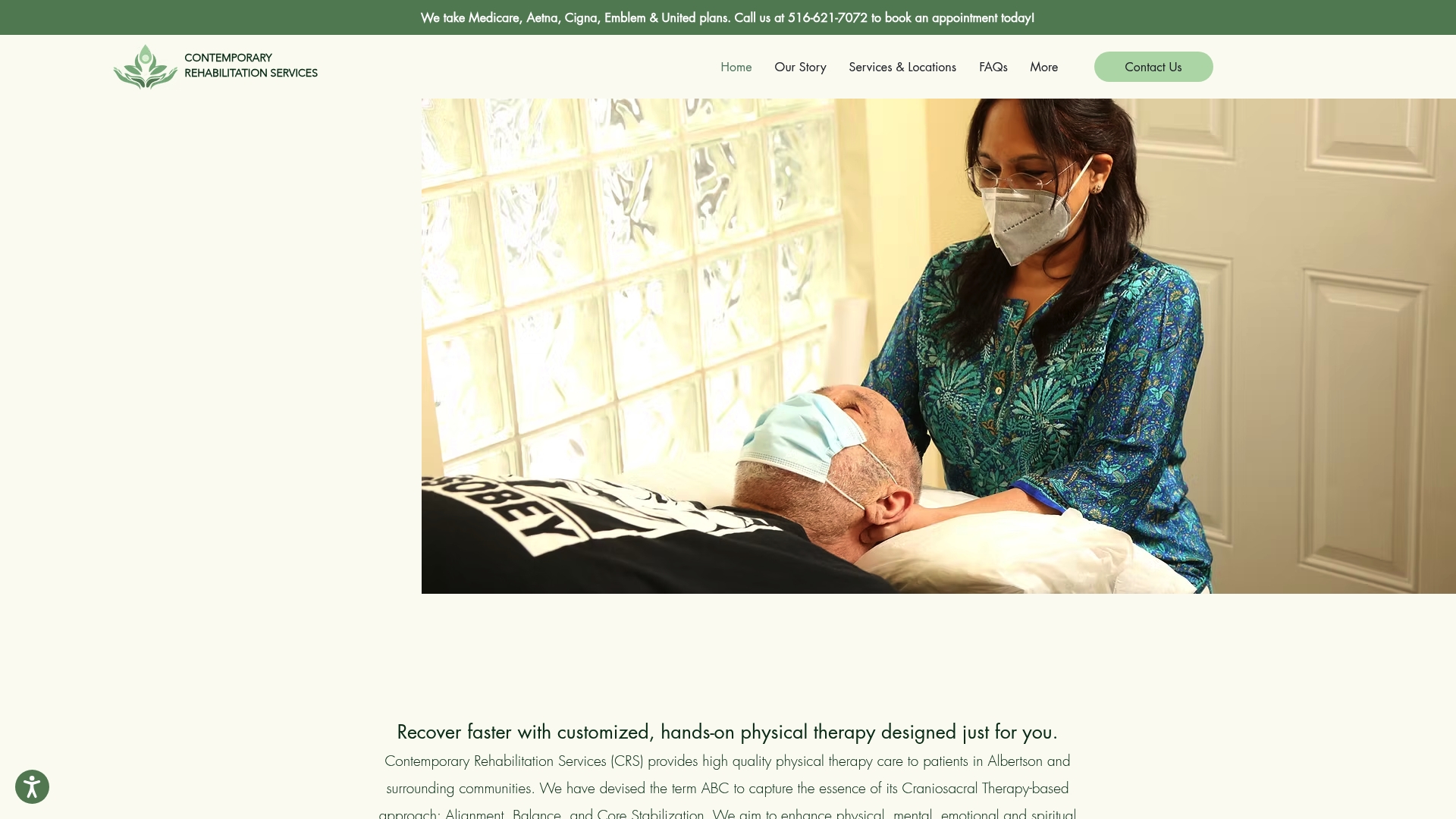
Contemporaryrehabservices is a boutique physical therapy clinic in Albertson, NY, serving patients across Queens and Nassau County. The clinic accepts Medicare, Aetna, Cigna, Emblem, and United Healthcare plans, so insurance coverage is rarely a barrier to getting started. What sets the practice apart is the personalized attention that comes with a smaller clinic: your therapist knows your history, tracks your milestones session by session, and adjusts your program based on real functional data rather than a generic protocol.
Whether you are recovering from orthopedic surgery, a stroke, a sports injury, or a cardiac event, the team at Contemporaryrehabservices builds your recovery plan around the specific physical therapy milestones that matter for your condition and your life. You are not handed a sheet of exercises and sent home. You are guided through each phase with the clinical oversight that makes the difference between partial and full recovery.
Ready to start tracking your progress with a team that knows exactly what to look for? Schedule your evaluation at Contemporaryrehabservices and take the first concrete step toward your next milestone.
Key Takeaways
Rehabilitation milestones are measurable checkpoints across physical, psychological, and functional domains that guide both patient progress and clinical decision-making throughout recovery.
Point | Details |
Recovery follows three phases | Acute stabilization (3–10 days), intensive recovery (1–6 months), and stabilization (6–12 months) with gains possible up to 18 months. |
Objective measures guide care | Pain scale scores, range of motion, strength symmetry, and functional tests confirm milestone achievement more reliably than how you feel on a given day. |
Psychological milestones matter equally | Many patients after physical trauma experience depression or emotional instability; treating both mind and body is part of effective rehabilitation. |
Stopping early causes reinjury | Pain reduction is not the endpoint. Continuing therapy through strength rebuilding prevents the setbacks that come from quitting too soon. |
Contemporaryrehabservices tracks every step | The Albertson, NY clinic builds milestone-based plans for patients across Queens and Nassau County, accepting Medicare, Aetna, Cigna, Emblem, and United Healthcare. |
Recommended
Comments