
Physical Therapy for Stroke Recovery: What to Expect
- tjdontplay
- 6 days ago
- 12 min read
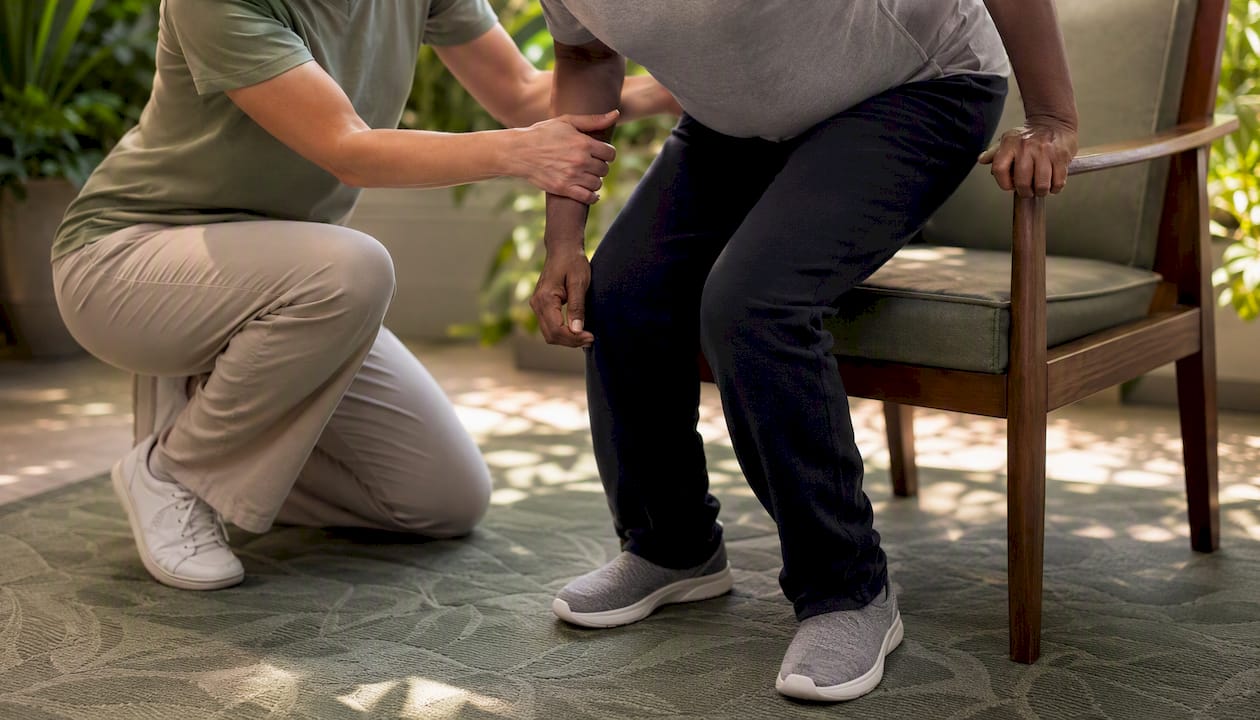
Physical therapy is one of the most evidence-backed tools available for recovering function after a stroke. It helps you regain mobility, rebuild strength, relearn movement patterns, and reduce the risk of complications like contractures and falls. Here is the bottom line before you read further:
Physical rehabilitation versus no rehabilitation shows consistent benefit for daily activities and motor function across dozens of trials, even though evidence certainty remains low for many specific outcomes.
Task-specific, goal-directed practice produces better functional gains than generic repetition. What you practice matters as much as how often you practice.
Intensity is a key driver of recovery. Higher doses of therapy generally produce better results, and starting early gives you the best window for neuroplastic change.
Progress is real but gradual. The largest gains typically come in the first weeks to months after stroke, and individual outcomes vary based on stroke severity, location, and how much therapy you receive.
Recovery is not a straight line, and no two strokes are identical. What you can count on is that consistent, well-structured post-stroke rehabilitation gives you the best possible chance at regaining independence.
Key Takeaways
Physical therapy is an essential, evidence-backed component of stroke recovery that improves daily function, motor control, and independence when started early and delivered at adequate intensity.
Point | Details |
Start PT as early as possible | Therapy within 48 hours of stroke onset helps prevent contractures and maximizes the neuroplastic window. |
Intensity and task specificity drive gains | Guidelines recommend up to 3 hours/day, 5 days/week; goal-directed, repetitive practice outperforms generic exercise. |
Recovery timeline varies widely | Largest gains occur in the first weeks to months; meaningful progress continues beyond 6 months with consistent practice. |
Choose a neurological PT | Ask about stroke experience, measurable goals, outcome measures, and home program support before committing. |
Contemporaryrehabservices serves Nassau County and Queens | The clinic offers in-person and virtual PT, accepts Medicare and major insurers, and builds individualized stroke rehab programs. |
Table of Contents
What does stroke recovery physical therapy actually target?
Stroke physical therapy focuses on restoring safe movement, rebuilding motor control, and preventing the secondary complications that can set recovery back. A physical therapist works specifically on mobility, gait, balance, transfers (moving from bed to chair, for example), and the neuromuscular re-education needed to retrain movement patterns the brain has lost or disrupted.
The main clinical goals are:
Restore safe, independent mobility and transfers
Improve gait mechanics and walking endurance
Rebuild strength and motor control in affected limbs
Prevent contractures, muscle shortening, and deconditioning
Reduce fall risk and improve balance
Support return to daily activities and community participation
Physical therapy differs from occupational therapy, which focuses on fine motor skills, hand function, and daily activities like dressing and cooking. Speech-language therapy addresses communication, swallowing, and cognition. All three disciplines work in parallel, not in sequence.
Pro Tip: When you meet your physical therapist for the first time, ask specifically whether your sessions will include goal-directed, functional task practice. Therapists who build sessions around real-world tasks you want to accomplish tend to produce better outcomes than those who rely on generic exercise lists.
When does PT begin, and where does it happen?
Therapy should begin as soon as you are medically stable. According to the Merck Manual’s clinical guidance, patients can often begin sitting up and starting passive range-of-motion work within 48 hours of stroke onset. Early movement helps prevent contractures, pressure injuries, and deconditioning.
Rehab happens across several settings as you progress:
Acute hospital or stroke unit: Therapy begins here, often within the first day or two. Sessions are short and focused on bed mobility, sitting balance, and preventing complications.
Inpatient rehabilitation facility (IRF): For patients who can tolerate intensive therapy (typically 3 hours per day), an IRF provides the most concentrated early rehab environment.
Skilled nursing facility (SNF): For patients who need rehab but cannot yet tolerate IRF intensity, an SNF offers a step-down option with daily therapy.
Outpatient clinic: Once you are safe at home, outpatient PT continues to build strength, gait, and function. Sessions typically run 2–3 times per week.
Home health: For patients with limited mobility or transportation barriers, a therapist visits you at home to work on functional tasks in your actual environment.
Telerehabilitation: Virtual PT sessions have expanded access significantly, particularly for follow-up care, home program coaching, and patients in areas with limited clinic access.
Insurance and Medicare basics: Medicare Part A covers inpatient rehab (hospital and IRF stays) with cost-sharing after deductibles. Medicare Part B covers outpatient PT, though prior authorization requirements and therapy caps can limit access. Private insurers like Aetna, Cigna, and United Healthcare have their own authorization processes. Checking your specific plan before discharge is worth doing early.
The CDC confirms that PT, occupational therapy, and speech therapy are all core components of stroke rehabilitation and provides patient-facing guidance on accessing services.
Which PT approaches have the strongest evidence?
The main interventions used in stroke physical therapy include functional task training, neurophysiological approaches, constraint-induced movement therapy (CIMT), neuromuscular electrical stimulation (NMES), mirror therapy, robotic-assisted therapy, and telerehabilitation. Evidence strength varies across these.
Intervention | What It Is | Best Evidence Signal | Certainty |
Functional task training | Repetitive practice of real-world tasks (standing, walking, reaching) | ADL and motor function gains vs. other approaches | Low to moderate |
Neurophysiological approaches (e.g., Bobath) | Facilitation and inhibition techniques to normalize tone | Some motor benefit; less consistent than task training | Low |
CIMT | Restraining the stronger limb to force use of the affected arm | Upper limb motor gains in higher-functioning patients | Moderate |
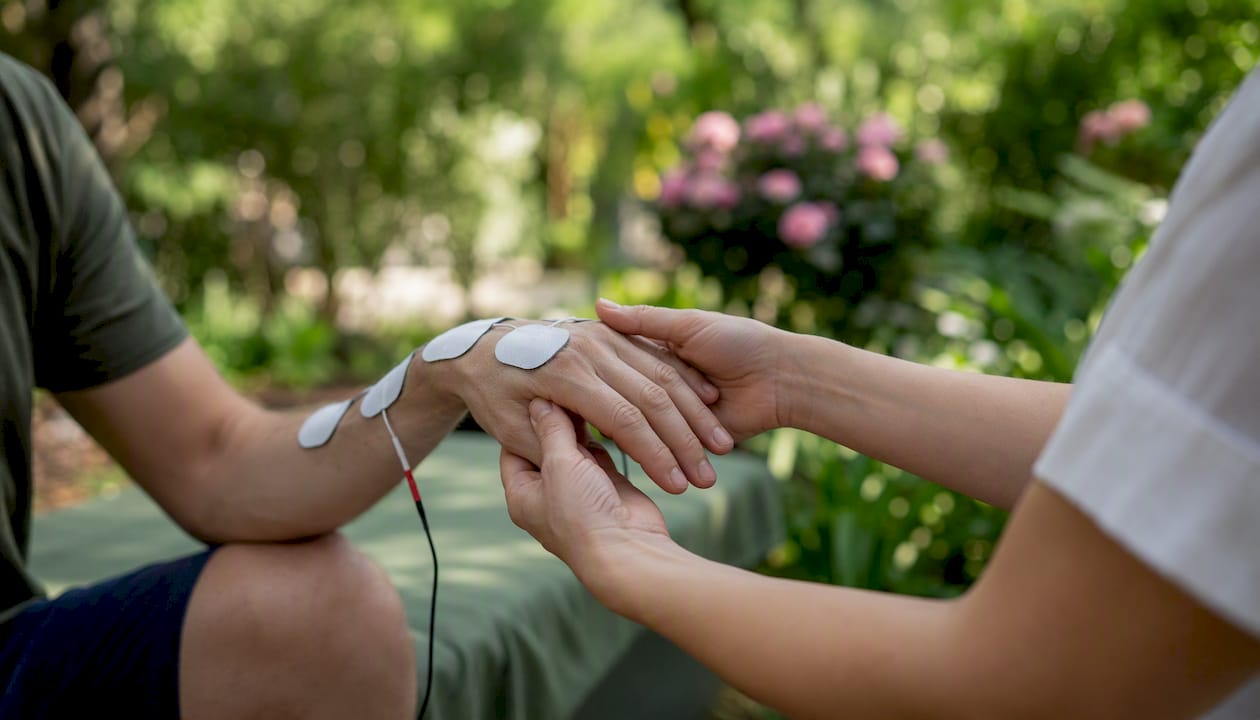
NMES / neuromuscular re-education | Electrical stimulation to activate weakened muscles | Upper limb recovery, especially when applied early and broadly | Low to moderate |
Mirror therapy | Visual illusion of normal limb movement to stimulate motor cortex | Arm and hand function improvements | Low |
Robotic-assisted therapy | Devices guiding repetitive limb movement | Motor function; useful for high-repetition delivery | Low to moderate |
Telerehabilitation | Remote PT delivery via video | Comparable outcomes to in-person for some patients | Low |
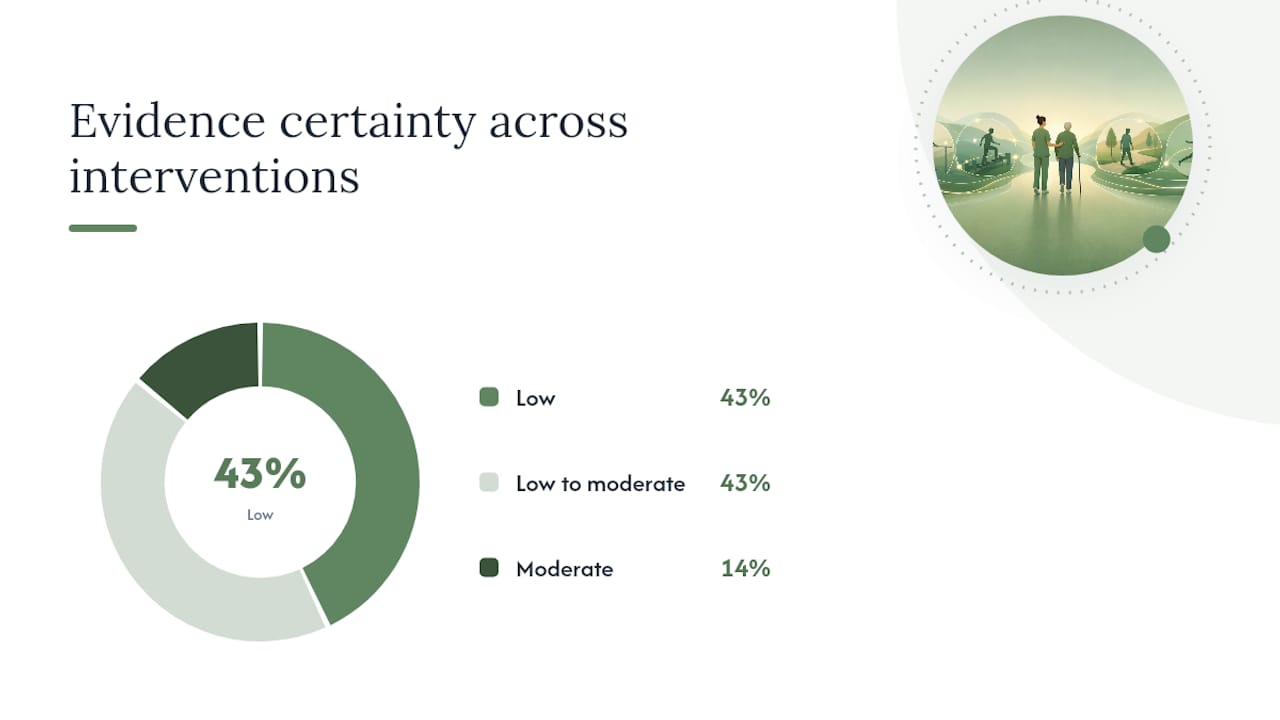
Functional task training specifically showed an ADL improvement of SMD 0.58 (95% CI 0.29 to 0.87) across 22 studies and 1,535 participants compared to other approaches, though evidence certainty is low to very low for some outcomes.
For upper limb recovery after stroke, NMES can be an effective adjunct when applied with appropriate parameters and targeting larger portions of the upper limb rather than only wrist and finger extensors. Heterogeneity in published protocols remains a limitation, so outcomes vary.
Pro Tip: Ask your therapist whether your sessions are high-repetition, progressively challenging, and tied to specific goals you have named. Those three features, not the specific technique used, are the strongest predictors of meaningful functional gains.
What kind of recovery can you realistically expect?
Recovery varies more than most people expect, and that variability is not a failure. The largest neuroplastic changes tend to happen in the first weeks to months after stroke, but meaningful gains are possible well beyond six months with continued, structured practice.
A general timeline looks like this:
Acute phase (days 1–14): Focus is on medical stability, preventing complications, and early mobility. Goals include sitting balance, safe transfers, and beginning to bear weight.
Subacute phase (weeks 2–12): The most intensive rehab period. Goals shift to standing, walking with or without an assistive device, and beginning upper limb recovery after stroke.
Chronic phase (beyond 3–6 months): Progress slows but does not stop. Goals focus on community mobility, endurance, and refining function for independence.
How long does it take to regain strength? Meaningful strength gains can appear within weeks of starting therapy, but full recovery of motor function may take months to years, and some deficits may be permanent depending on stroke location and severity.
Can you get back to normal? Some people do recover fully, particularly after mild strokes. Others reach a new functional baseline that allows independence with some adaptations. The honest answer is that no one can predict your ceiling at the outset.
Outcomes depend on stroke severity and location, how quickly therapy began, total therapy dose, presence of other health conditions, and your engagement with home practice between sessions. A comprehensive review of PT interventions found that additional rehabilitation beyond usual care tends to produce added benefit, and the greater the amount of extra rehab, the greater the possible gain.
How much PT do you actually need?
More therapy, delivered with purpose, generally produces better results. UK and European guidelines recommend at least 3 hours of therapy per day on 5 days per week for inpatient upper-limb rehab, a target that reflects the intensity research consistently links to better outcomes.
Dosing reality check: A systematic review of upper-limb intervention trials found the median tested dose in research studies was about 45–60 minutes per session, once daily, multiple days per week. Many researchers argue this is too low, and some evidence suggests 2 or more hours per day may be needed to drive clinically meaningful arm recovery.
In practice, three dosing scenarios are common:
Early inpatient intensive plan: 2–3 hours of combined PT and OT daily, 5–7 days per week, during the acute and subacute phases.
Outpatient plan: 2–3 PT sessions per week, each lasting 45–60 minutes, supplemented by a daily home program.
Home-exercise augmentation: Daily practice of 20–30 minutes of therapist-prescribed exercises between clinic visits to increase total weekly dose without additional insurance costs.
Insurance and authorization limits frequently reduce the dose patients actually receive below what guidelines recommend. Discussing this gap openly with your therapist and case manager helps you plan supplemental home practice to close it.
Who is on your rehab team and what does each person do?
Stroke rehabilitation works best as a team effort. The core multidisciplinary team coordinates recovery across physical, functional, and communication domains so that gains in one area support progress in another.
Physical therapist (PT): Mobility, gait, balance, transfers, and fall prevention.
Occupational therapist (OT): Daily activities like dressing, bathing, and cooking; fine motor and upper limb dexterity.
Speech-language pathologist (SLP): Communication, language, swallowing, and cognitive-communication skills.
Physiatrist: A physician specializing in rehabilitation medicine who oversees the medical rehab plan, manages spasticity, and coordinates the team.
Nursing staff: Daily medical care, medication management, skin integrity, and reinforcing therapy goals during off-hours.
Case manager or social worker: Coordinates discharge planning, insurance authorization, durable medical equipment (DME), and community support services.
Discharge planning typically begins within the first days of an inpatient stay. Your case manager will assess home safety, arrange any needed equipment (grab bars, a walker, a shower chair), and connect you with outpatient or home health services before you leave the facility.
How do you choose the right physical therapist for stroke rehab?
Picking a PT with neurological and stroke-specific experience makes a measurable difference in the quality of your program. Here are the questions worth asking before or at your first appointment:
Do you have experience treating stroke survivors? Ask specifically about neurological PT, not just general orthopedic rehab.
How will you set measurable goals for my recovery? A good answer names specific functional outcomes, not vague improvements.
How often will I be seen, and for how long per session? Frequency and dose matter. Expect a clear plan, not a “we’ll see how it goes.”
What outcome measures do you use to track progress? Tools like the Fugl-Meyer Assessment, the Berg Balance Scale, or the 10-Meter Walk Test are standard in neurological PT.
Will I receive a home exercise program? Home practice between sessions is non-negotiable for maximizing recovery.
Do you coordinate with my OT, SLP, and physician? Team communication prevents conflicting advice and gaps in care.
Do you accept my insurance? Confirm Medicare, Aetna, Cigna, Emblem, or United Healthcare acceptance before your first visit.
Do you offer telehealth sessions? Useful for follow-up visits or when transportation is difficult.
Red flags include therapists who offer no measurable goals, use the same exercise routine for every patient, are unclear about billing, or show no interest in coordinating with the rest of your care team. Neurological PT expertise is a specific skill set, and it is reasonable to ask about it directly.
How to get more out of every PT session
Small adjustments in how you approach therapy can meaningfully accelerate your progress. The single most important habit is arriving with a clear sense of what you want to accomplish, not just showing up and following instructions.
Practical tips that make sessions more productive:
Write down one or two functional goals before each session (e.g., “I want to walk to the mailbox without holding the wall”).
Track your repetition counts. Volume matters, and knowing your numbers helps you and your therapist push the right amount.
Tell your therapist immediately if something causes sharp pain or unusual fatigue. Pushing through the wrong kind of discomfort slows recovery.
Use simple assistive devices your therapist recommends, even if they feel awkward at first. They protect you while your strength rebuilds.
Ask for a written home program after each session update, not just verbal instructions.
A short sample home-practice plan (discuss with your therapist before starting): Ten sit-to-stand repetitions from a firm chair in the morning; five minutes of supported weight shifting side to side while standing at a counter; ten repetitions of reaching for an object at shoulder height with your affected arm; a five-minute slow walk with your assistive device in the afternoon. These four tasks take under 20 minutes total and directly reinforce what you practice in the clinic.
Pro Tip: Ask your therapist to apply progressive overload to your home program, meaning the tasks should get slightly harder each week as you improve. A static home program that never changes stops driving neuroplastic adaptation within a few weeks.
For more clinic-tested strategies, the guide on maximizing PT sessions covers practical approaches that apply directly to stroke rehab.
Safe home exercises and when to stop immediately
Continued practice at home reinforces the gains you make in the clinic. The key is keeping exercises safe, purposeful, and matched to your current level.
Three evidence-informed exercises to discuss with your therapist:
Sit-to-stand progressions: Rise from a firm chair without using your hands (or with minimal support). This builds leg strength, hip control, and the functional movement you use dozens of times daily. Use a chair with armrests initially for safety.
Supported weight shifts: Stand at a kitchen counter and slowly shift your weight from one foot to the other. This trains balance reactions and prepares you for walking. Keep the counter within reach.
Heel-to-toe steps: Walk slowly along a hallway, placing one foot directly in front of the other. This challenges dynamic balance and gait control. Have a wall or railing nearby.
Fall prevention steps to put in place at home:
Remove loose rugs and floor clutter from main pathways.
Install grab bars in the bathroom and near the toilet.
Wear supportive, non-slip footwear at all times, even indoors.
Use your prescribed assistive device consistently, not just when you feel unsteady.
Have a caregiver or family member nearby during early home practice sessions.
For a broader set of balance progressions, the balance exercises guide covers stability and fall prevention in detail.
Stop immediately and call 911 or seek emergency care if you experience: sudden new weakness or numbness, sudden vision changes, difficulty speaking or understanding speech, severe headache with no known cause, chest pain, or sudden severe dizziness. These may signal a second stroke or another medical emergency.
A realistic perspective on recovery and what progress actually looks like
Recovery after stroke is not about returning to an exact prior version of yourself. It is about rebuilding function, confidence, and independence in ways that are meaningful to your daily life. Therapists who work in neurological rehab measure progress with tools like the Fugl-Meyer Assessment for motor function, the Berg Balance Scale for fall risk, and gait speed tests like the 10-Meter Walk Test. These tools matter because they capture small, real gains that patients often dismiss as insignificant.
A patient who improves their gait speed by 0.1 meters per second may not feel dramatically different, but that gain can represent the difference between safely crossing a street and not. Progress in stroke rehab is often incremental and cumulative. Focusing on function and independence rather than perfect restoration keeps motivation grounded in what is actually achievable and worth celebrating.
Contemporaryrehabservices offers stroke rehab in Nassau County and Queens
If you or someone you care for is navigating recovery after a stroke, Contemporaryrehabservices provides in-person and virtual physical therapy at its boutique clinic in Albertson, NY, serving Nassau County and Queens. Services relevant to stroke recovery include neuromuscular re-education, manual therapy, joint mobilization, and individualized rehabilitation programs built around your specific functional goals, not a generic protocol.
The clinic accepts Medicare, Aetna, Cigna, Emblem, and United Healthcare, as well as cash payments, which removes one of the most common barriers to getting started. Telehealth sessions are available for patients who prefer virtual follow-up or have transportation limitations. Every program begins with a thorough evaluation and a measurable goal-setting conversation so you know exactly what you are working toward and how progress will be tracked.
To schedule an evaluation or check insurance coverage, visit the Albertson location page or explore all available services to find the right fit for your recovery needs.
Sources
This article is general information, not a substitute for advice from a qualified doctor. Consult a qualified healthcare professional about your own circumstances before acting on anything here.
Recommended
Comments