
The role of physical therapy in your recovery journey

Most people think physical therapy is something you do after a sports injury or a major surgery. That narrow view leads a lot of people in Queens and Nassau County to miss out on treatment that could genuinely change their daily lives. The role of physical therapy goes well beyond injury recovery. It helps manage chronic pain, restore balance, improve strength after illness, and reduce the need for long-term medications. Whether you are covered by Medicare, Aetna, Cigna, Emblem, or United Healthcare, understanding what physical therapy actually does, and how to access it, puts you in a much stronger position to recover fully and live independently.
Table of Contents
How physical therapy supports rehabilitation and pain management
Insurance coverage and costs for physical therapy in Queens and Nassau County
Working with your physical therapist: evaluation, treatment, and tracking progress
Specialized therapy options: craniosacral therapy and balance training
Why understanding physical therapy’s broader role matters for your recovery
Find expert physical therapy services in Queens and Nassau County
Key Takeaways
Point | Details |
Physical therapy’s role | It improves movement, reduces pain, and restores daily function beyond just treating symptoms. |
Medicare coverage | Medicare Part B covers outpatient physical therapy with patient cost-sharing after deductible. |
Customized care | Therapists tailor plans based on thorough evaluations and patient progress tracking. |
Specialized therapies | Options like craniosacral and vestibular therapy address specific needs beyond general PT. |
Active participation | Tracking progress and communicating with your therapist enhances recovery outcomes. |
Understanding the core role of physical therapy
Physical therapy is a rehabilitation healthcare treatment. Range-of-motion, strengthening, balance, ambulation, and transfer training are the techniques physical therapists use to help you stand, walk, climb stairs, and perform the movements your daily life depends on. That is a broader scope than most people expect.
Physical therapists do not apply a generic program to every patient. They assess your specific condition, your strength and flexibility deficits, and how those deficits affect what you can and cannot do. Then they build a treatment plan around your functional goals, whether that means getting back to a daily walk around your neighborhood in Albertson or being able to carry groceries without pain.
Here is a quick look at the core types of physical therapy techniques used in practice:
Range-of-motion exercises: Restore normal joint movement after injury, surgery, or prolonged inactivity
Strengthening exercises: Rebuild muscle support around joints to reduce strain and prevent re-injury
Balance and coordination training: Improve stability, especially critical for older adults or anyone recovering from neurological events
Ambulation training: Guided practice with walking, sometimes using assistive devices, to restore safe and confident movement
Conditioning: Gradually rebuild endurance and overall physical capacity
Transfer training: Teach safe techniques for moving from a bed to a chair or in and out of a car, which matters enormously for independence
These are not just exercises. They are carefully sequenced interventions. A therapist adjusts the difficulty and focus based on how you respond, session by session. You can also learn about physical therapy exercises at home to maintain progress between clinic visits.
How physical therapy supports rehabilitation and pain management
With the core methods clear, it becomes easier to see why physical therapy is used across such a wide range of conditions. Physical therapists evaluate how you move, tailor a plan to your needs, and may combine strengthening, stretching, balance training, hands-on joint mobilization, and home exercise instruction. That combination is what makes PT so effective for both recovery and ongoing pain management.
Here is where physical therapy consistently delivers results:
Post-surgical recovery: After joint replacement or spinal surgery, PT restores movement and teaches you how to use the repaired area safely
Chronic pain management: Conditions like arthritis, lower back pain, and fibromyalgia respond well to structured movement therapy, which addresses the physical cause rather than masking symptoms
Neurological recovery: Stroke or Parkinson’s patients use PT to retrain movement patterns and maintain functional independence
Fall prevention: Balance training significantly lowers fall risk, a critical concern for older adults in Nassau County managing osteoporosis or generalized deconditioning
Post-illness recovery: After extended illness or hospitalization, general deconditioning is common. PT rebuilds strength systematically
One underappreciated point: physical therapy can delay or even eliminate the need for surgery or long-term medication by addressing the underlying movement and strength problems driving pain. That is not a minor benefit. It is a reason to consider PT early, not as a last resort.
Pro Tip: If you are managing chronic pain and relying heavily on over-the-counter pain relievers, ask your doctor whether a physical therapy referral makes sense. PT targets the source of the pain, not just the sensation.
Understanding injury recovery with physical therapy in detail can help you set realistic expectations before your first visit. You can also review physical therapy tips for recovery to get ahead of common pitfalls.

Insurance coverage and costs for physical therapy in Queens and Nassau County
Coverage is often where people feel most uncertain. The good news is that physical therapy is well-covered under both Medicare and most private insurance plans, provided a few key conditions are met.
Here are the steps that determine your coverage:
Establish medical necessity: Your physical therapy must be deemed medically necessary by a qualified provider. Vague goals like “general fitness” do not qualify. Specific functional deficits do.
Get a referral or order: Medicare and most private insurers require a physician or qualified provider to order or certify the therapy.
Choose a participating provider: Your clinic must be enrolled with your insurance plan to avoid out-of-network costs.
Understand your cost-sharing: Know your deductible, copay, and any visit limits before you start.
Medicare Part B covers outpatient physical therapy when it is medically necessary and ordered by a qualified provider. Beneficiaries generally pay 20% coinsurance after meeting the Part B deductible.
Here is a quick comparison of typical coverage structures:
Insurance type | Coverage basis | Typical patient cost | Visit limits |
Medicare Part B | Medical necessity | 20% coinsurance after deductible | No hard cap if medically necessary |
Aetna | Medical necessity, in-network | Varies by plan, often $20–$50 copay | May apply; check your plan |
Cigna | Medical necessity, in-network | Varies by plan | May apply; check your plan |
Emblem Health | Medical necessity, in-network | Varies by plan | May apply; check your plan |
United Healthcare | Medical necessity, in-network | Varies by plan | May apply; check your plan |
Pro Tip: Call your insurance company before your first appointment and ask two specific questions: “Is this provider in-network?” and “What is my physical therapy benefit and cost-sharing?” Spending five minutes on that call can prevent billing surprises later.
If you want more guidance on choosing physical therapy and insurance options, that resource breaks down the decision clearly.
Working with your physical therapist: evaluation, treatment, and tracking progress
Knowing what to expect from your therapy sessions makes the whole process less stressful and much more productive. The first step is what is known as a physical therapy evaluation, which is a structured assessment your therapist uses to understand your condition before any treatment begins.
A strong evaluation covers these areas:
Patient history: Your symptoms, how they started, what makes them better or worse, and how they affect your daily activities
Objective tests: Range-of-motion measurements, strength testing, balance assessments, and functional movement screens
Baseline documentation: Recorded starting points that allow the therapist and your insurance to measure real progress over time
Goal setting: Specific, measurable functional goals you and your therapist agree on together
Tracking measurable functional progress is not just good clinical practice. It is how insurance-covered care stays authorized. Therapists must document that you are improving toward functional goals, and your input between visits makes that documentation more accurate.
That last point is worth emphasizing. You are not a passive participant in your therapy. What you observe between sessions, how far you walked without pain, whether you could manage the stairs without holding the railing, is genuinely useful clinical data. Write it down. Bring it to your next appointment.
Pro Tip: Keep a simple daily log of one or two functional tasks that matter to you, like how many steps you took or whether you could put on your shoes without sitting down. Sharing that with your therapist at each visit helps them adjust your plan and supports continued insurance authorization.
For more direction on choosing the right physical therapy path, that resource addresses common questions patients have before starting care.
Specialized therapy options: craniosacral therapy and balance training
Beyond general rehabilitation, some patients benefit from therapies that target very specific symptoms. Two worth understanding are craniosacral therapy and vestibular (balance) therapy.
Vestibular therapy uses specific head and body movements to reposition crystals in the inner ear that cause vertigo, and balance training significantly reduces fall risk, especially for older adults and those with osteoporosis. These are not fringe treatments. They are evidence-supported approaches your physical therapist can provide.
Here is a breakdown of specialized options:
Craniosacral therapy: This technique involves gentle, light-touch manipulation of the head, spine, and sacrum (the base of the spine). It is used to relieve tension, reduce pain, and improve the functioning of the central nervous system. Patients dealing with chronic headaches, jaw pain, or neck tension often find it helpful alongside traditional physical therapy.
Vestibular therapy: If you experience dizziness, vertigo, or a sense of unsteadiness, a vestibular physical therapist can perform specific maneuvers to address the inner ear cause. The Epley maneuver, for example, repositions displaced calcium crystals in the ear canal to stop the room-spinning sensation of benign paroxysmal positional vertigo (BPPV).
Balance and fall prevention training: Structured balance work strengthens the muscles and neurological pathways that keep you upright. For seniors in Nassau County, this type of training can be genuinely life-changing, reducing the risk of serious falls and the hospitalizations that often follow.
Sports rehabilitation: Physical therapy in sports settings focuses on biomechanical correction and sport-specific strength to return athletes to performance safely while reducing re-injury risk.
You can learn more about these specialized approaches through craniosacral therapy services available locally.
Why understanding physical therapy’s broader role matters for your recovery
Here is something most articles on physical therapy do not say plainly: the way you think about your therapy directly affects your outcome.
Most patients arrive thinking of PT as a series of appointments where something is done to them to reduce their pain. That framing leads to passive participation, which produces passive results. Physical therapy’s core role in rehabilitation is structured training of function, targeting range-of-motion, strength, balance, and walking to restore daily activities and prevent decline. That is a training process, not a treatment you receive.
The more productive framing is this: your therapist designs the program, guides the progression, and monitors your response. You do the work and bring the data. That partnership is what produces lasting recovery.
There is also a longer-term consideration that rarely gets discussed. Physical therapy targets underlying movement limitations rather than just treating symptoms in the moment, which is how it helps avoid or delay medications and surgery. For people in Queens and Nassau County managing conditions on Medicare or private insurance, this means that investing genuinely in your PT program can reduce your overall healthcare costs and your reliance on ongoing medical interventions.
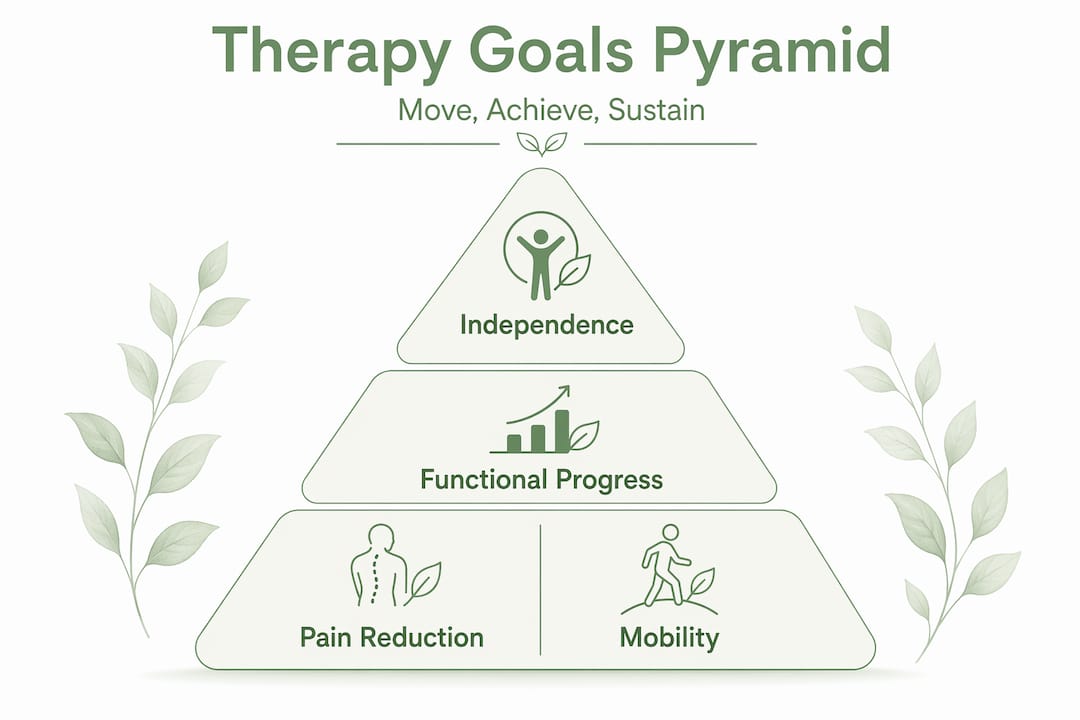
Functional goals matter more than pain scores. Pain is subjective and variable. But whether you can walk two blocks, climb your apartment stairs, or pick up your grandchild, those are clear, meaningful measures of progress. When you and your therapist focus on those goals, motivation stays higher and the results tend to follow. Learn more about what expert physical therapy benefits look like in practice.
Find expert physical therapy services in Queens and Nassau County
Now that you understand what physical therapy actually does and how to navigate your insurance coverage, the next step is finding a clinic that delivers it well.
Contemporary Rehabilitation Services is a boutique physical therapy clinic in Albertson, NY, serving patients across Queens and Nassau County. We accept Medicare, Aetna, Cigna, Emblem Health, and United Healthcare, so coverage is rarely a barrier. Our therapists specialize in rehabilitation, pain management, and craniosacral therapy, and every treatment plan is built around your specific functional goals. Whether you need care in Williston Park, at our Albertson location, or closer to Searingtown, we are here to guide you through each step of your recovery with the attention and expertise your condition deserves.
Frequently asked questions
What conditions can physical therapy help with?
Physical therapy helps with injuries, post-surgical recovery, chronic pain, balance issues, neurological conditions like stroke, and specialized problems like dizziness or urinary incontinence. It is far more versatile than most people expect.
Does Medicare cover physical therapy sessions?
Yes. Medicare Part B covers outpatient PT when it is medically necessary and ordered by a qualified provider, with patients typically paying 20% coinsurance after meeting the Part B annual deductible.
How can I prepare for my first physical therapy evaluation?
Come ready to describe how your condition affects specific daily tasks, not just where it hurts. The more clearly you can describe what you cannot do, the more precisely your therapist can build a plan around restoring it.
What makes craniosacral therapy different from regular physical therapy?
Craniosacral therapy uses gentle, light-touch manipulation of the head, spine, and sacrum to relieve pain and nervous system tension, making it useful for conditions like chronic headaches or jaw pain where traditional hands-on techniques may be too forceful.
How can I maximize my physical therapy outcomes?
Tracking functional changes between visits, consistently doing your home exercises, and reporting specific progress or setbacks to your therapist allows them to keep adjusting your program for faster, more durable results.
Recommended
Comments