
The Role of PT for Overuse Injuries: Recovery Guide
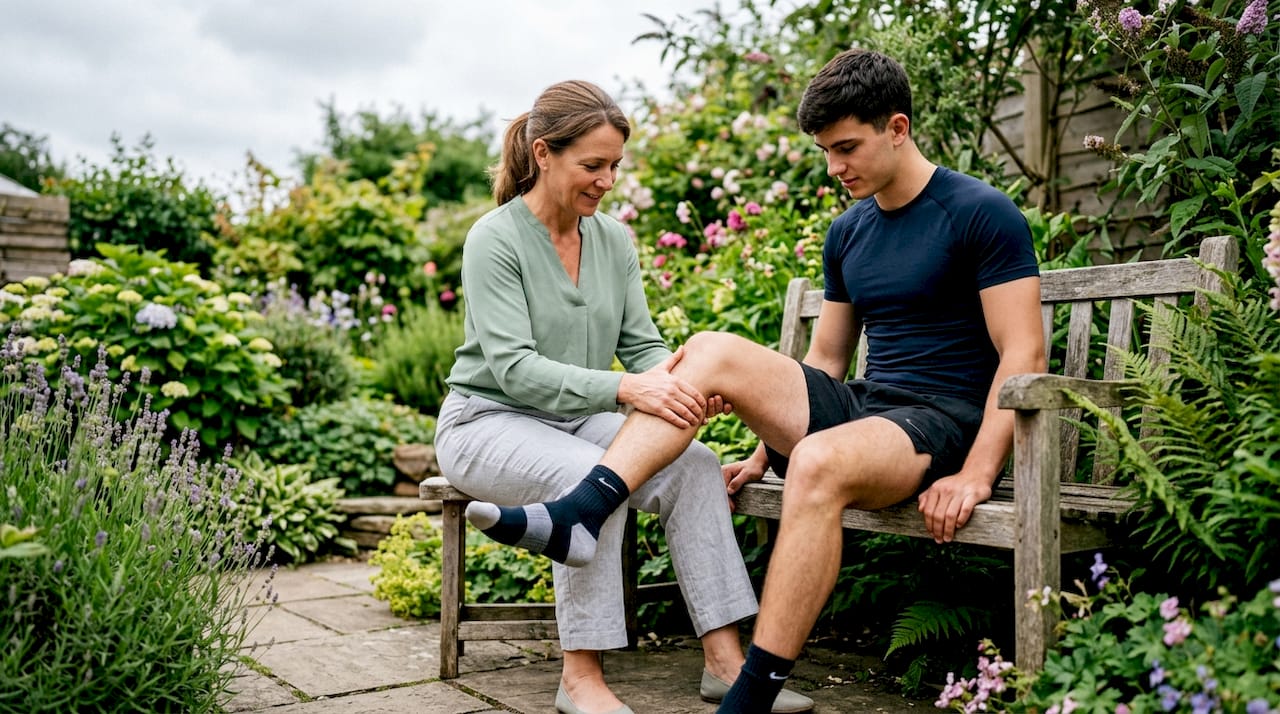
Physical therapy is defined as the clinical process of restoring movement, correcting biomechanical dysfunction, and rebuilding tissue capacity after injury or chronic stress. The role of PT for overuse injuries goes far beyond rest and ice. Modern physical therapy applies biomechanical assessment, progressive tissue loading, and movement retraining to address the root causes of repetitive stress conditions. Clinicians at Contemporaryrehabservices in Albertson, NY work with patients across Queens and Nassau County to deliver exactly this kind of active, evidence-based care. If you are dealing with tendinopathy, stress fractures, or chronic joint pain from repeated movement, physical therapy is the most direct path to lasting recovery.
How does physical therapy prevent overuse injuries?
Physical therapy prevents overuse injuries by identifying biomechanical imbalances before they become structural damage. Early PT intervention catches muscle weakness, movement asymmetries, and poor loading patterns that quietly accumulate stress on tendons, bones, and joints. Catching these problems early keeps you training consistently and reduces your long-term injury risk significantly.
Regular physiotherapy intervention lowers the incidence of overuse syndromes in athletes by correcting biomechanical imbalances early. That finding matters because most overuse injuries do not appear suddenly. They develop over weeks or months of repeated, unaddressed mechanical stress.
Prevention through physical therapy includes several specific mechanisms:
Biomechanical screening: A physical therapist evaluates how you move during sport-specific or daily tasks, identifying faulty patterns that overload specific tissues.
Load management education: You learn how to structure training volume, intensity, and recovery so your tissues adapt rather than break down.
Neuromuscular re-education: Targeted exercises retrain muscle firing sequences, reducing compensatory movement that shifts stress onto vulnerable structures.
Exercise modification: Your therapist adjusts your current program to maintain fitness while reducing tissue overload during vulnerable periods.
Movement pattern correction: Gait retraining, landing mechanics, and posture adjustments reduce cumulative stress on the knee, hip, and ankle.
Load management and recovery-oriented training maintain training consistency and reduce injury risk over time. Consistency is the real goal. Staying healthy long enough to build fitness is more valuable than any single training block.
Pro Tip: Ask your physical therapist for a movement screen before you increase training volume. Identifying a hip weakness or ankle restriction early costs you one session. Ignoring it can cost you an entire season.
What are the key physical therapy treatments for overuse injuries?
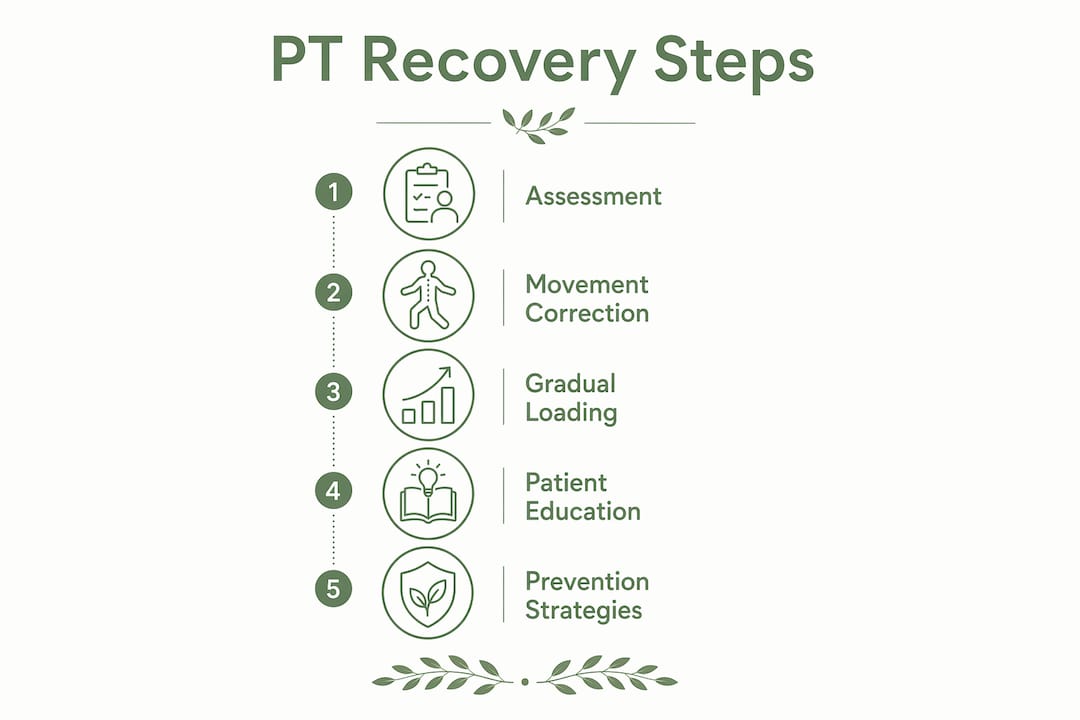
Modern PT treatment protocols for overuse injuries now emphasize biomechanical analysis and progressive tissue loading over passive symptom management. This shift is significant. Passive treatments like ultrasound or heat alone do not rebuild tissue capacity. Active rehabilitation does.
The core treatments used in overuse injury rehabilitation follow a logical progression:
Manual therapy: Joint mobilization and soft tissue release reduce pain and restore mobility in the early stages. Manual therapy techniques address restricted joints and tight fascial tissue that contribute to abnormal loading patterns.
Isometric loading: Sustained muscle contractions against resistance provide immediate pain relief in tendon conditions like patellar or Achilles tendinopathy. Isometric exercises calm the nervous system’s pain response while beginning to load the tissue safely.
Eccentric loading: Slow, controlled lengthening contractions drive tendon remodeling. Eccentric protocols are among the most researched and effective treatments for chronic tendinopathy, producing structural changes in collagen organization over 8–12 weeks.
Progressive functional loading: Once pain-free tolerance improves, your therapist advances you through sport-specific or task-specific loading. This stage rebuilds the tissue’s capacity to handle real-world demands.
Return-to-activity planning: Gradual return-to-activity plans with activity modification are essential after rest periods. Full participation resumes only when you are pain-free during daily activities like stair climbing and light jogging.
Gradual loading improves symptoms and patient education on posture and training schedules aids recovery. Education is not a soft add-on. It is a core treatment component that reduces recurrence.
Pro Tip: Do not skip the isometric phase of tendon rehab because you feel better quickly. Tendons heal slowly. Structural remodeling takes weeks longer than pain relief, and returning too soon is the most common cause of setbacks.
How does PT address biomechanical and movement dysfunction?
Physical therapy addresses dysfunction in the entire kinetic chain, not just the site of pain. Treatment often focuses on areas distant from pain, such as hip weakness contributing to a knee injury. This is one of the most counterintuitive and important principles in overuse injury rehabilitation.
The kinetic chain describes how forces travel through your body during movement. A stiff ankle changes how your knee absorbs impact. A weak hip allows your femur to rotate inward, increasing stress on the patella. Treating only the painful structure misses the upstream problem entirely.
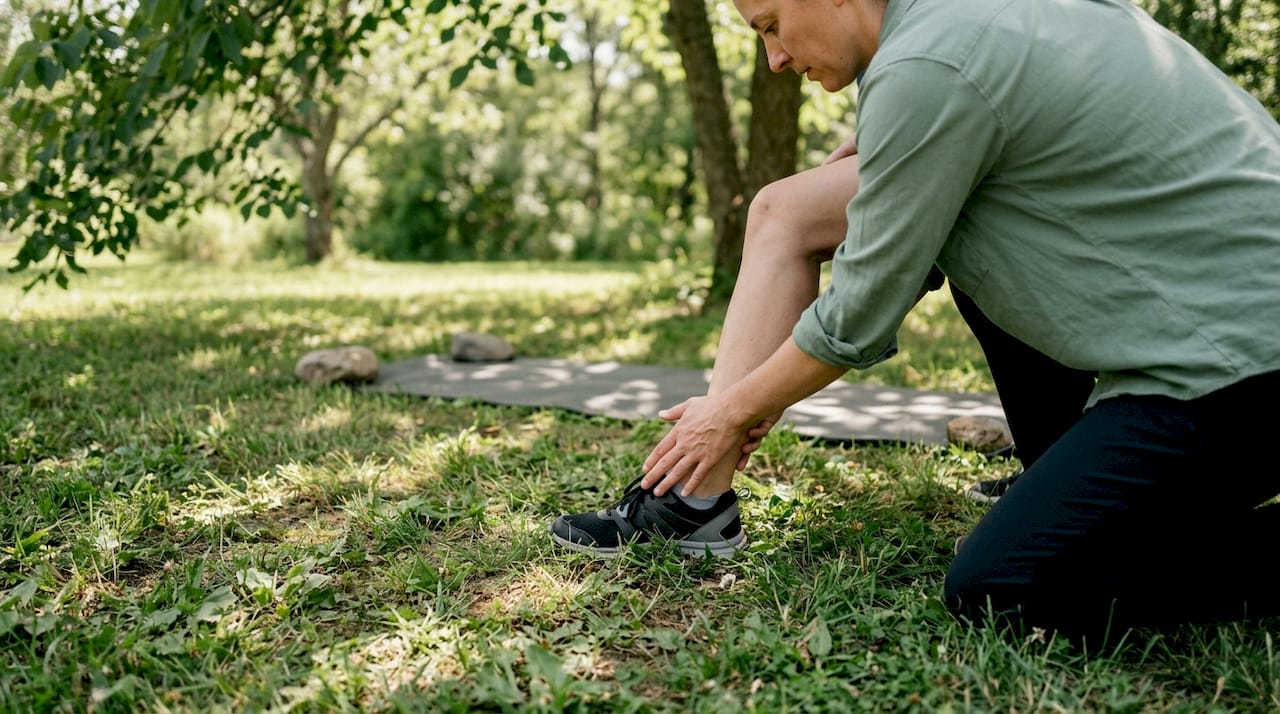
A thorough biomechanical assessment at Contemporaryrehabservices evaluates the following areas:
Assessment Area | What the therapist looks for | Why it matters |
Hip strength and stability | Glute activation, single-leg control | Weak hips increase knee and lower back stress |
Ankle mobility | Dorsiflexion range, subtalar motion | Restricted ankles alter gait and knee loading |
Foot mechanics | Arch collapse, toe-off pattern | Poor foot mechanics shift load to the shin and knee |
Trunk control | Core activation during movement | Poor trunk control increases spinal and hip overload |
Shoulder mechanics | Scapular position, rotator cuff timing | Faulty shoulder patterns drive elbow and wrist injuries |
Functional movement analysis guides both assessment and treatment planning. Your therapist observes how you squat, lunge, run, or throw, then identifies which movement faults correlate with your symptoms. This process produces a customized therapy plan built around your individual mechanics, not a generic protocol.
Physical therapy for overuse injuries focuses on the entire movement chain, identifying impairments in joints and muscles far from the pain site to correct dysfunctional patterns. Correcting those upstream faults is what separates a lasting recovery from a temporary one.
What strategies help prevent overuse injury recurrence?
Long-term management of overuse injuries depends on changing the habits and training patterns that created the problem in the first place. Patient education on posture and training schedules is a core part of effective rehabilitation. Without it, the same injury returns within months of resuming full activity.
Physical therapists provide practical strategies that protect you well beyond your last clinic visit:
The 10% rule: Increase weekly training volume by no more than 10% at a time. This principle applies to running mileage, lifting weight, and sport-specific repetitions. Exceeding it overwhelms tissue repair capacity.
Strength balance training: Address muscle imbalances between left and right sides, and between opposing muscle groups like quadriceps and hamstrings. Imbalances are a primary driver of repetitive stress.
Mobility maintenance: Daily stretching and joint mobility work preserve the range of motion gains made during therapy. Stiffness returns quickly without consistent effort.
Recovery scheduling: Build rest days and lower-intensity sessions into your weekly plan. Individualized load modification and recovery are critical to effective injury management.
Equipment and technique review: Worn footwear, poorly fitted equipment, or flawed technique silently accumulates stress. Your therapist can identify these factors and recommend corrections or referrals.
Coach and trainer collaboration: Physical therapists work alongside coaches to design a safe return-to-sport progression. Sports PTs design return-to-sport programs that advance from rehabilitation through sport-specific training in a structured sequence.
The goal is not just to recover from this injury. The goal is to build a body and a training approach that makes the next injury less likely. That requires education, habit change, and ongoing movement quality work, not just a course of clinic visits.
Key Takeaways
Physical therapy for overuse injuries works by correcting biomechanical root causes, applying progressive tissue loading, and educating patients to sustain recovery and prevent recurrence.
Point | Details |
Prevention starts early | PT identifies biomechanical imbalances before they cause structural damage, reducing injury risk. |
Active loading drives healing | Eccentric and isometric protocols rebuild tendon capacity more effectively than passive treatments alone. |
Pain site is rarely the cause | Kinetic chain assessment targets hip, ankle, and trunk dysfunction that drives injury at distant sites. |
Education prevents recurrence | The 10% rule, strength balance, and recovery scheduling protect patients after discharge. |
Return to activity needs structure | Full participation resumes only when patients are pain-free in daily functional tasks like jogging. |
Why I believe most overuse injuries are preventable programming failures
Overuse injuries are often caused by programming failures where tissue repair is overwhelmed by unaccustomed mechanical stress without adequate recovery time. After working with patients across Nassau County, that finding matches what I see every week. Most overuse injuries are not bad luck. They are the predictable result of doing too much, too soon, without addressing existing movement faults.
What frustrates me is how often patients arrive after months of self-managing with rest alone. Rest removes the stress but does nothing to correct the biomechanical problem that caused the injury. The moment they return to activity, the same pattern repeats. That cycle is entirely avoidable with early physical therapy intervention.
The patients who recover best are the ones who treat PT as a movement education process, not just a pain relief service. They leave understanding their body’s load tolerance, their movement compensations, and how to train around vulnerabilities. That knowledge is more protective than any single exercise or modality.
Therapists view overuse injuries as preventable programming failures best managed by individualized load balancing and movement optimization. I agree completely. The best outcome is a patient who does not need to come back for the same injury twice.
— Tj
Physical therapy for overuse injuries at Contemporaryrehabservices
Contemporaryrehabservices offers specialized physical therapy programs designed specifically for patients dealing with overuse injuries and chronic musculoskeletal pain. The clinic serves patients across Queens and Nassau County from its Albertson, NY location, accepting Medicare, Aetna, Cigna, Emblem, and United Healthcare plans.
Each program begins with a full biomechanical assessment to identify movement faults and tissue overload patterns. From there, therapists build a progressive rehabilitation plan using manual therapy, eccentric loading, and neuromuscular retraining tailored to your specific condition and goals. Whether you are a weekend runner, an active adult, or an athlete returning to sport, the team at Contemporaryrehabservices Herricks delivers care that addresses the root cause, not just the symptom. Contact the clinic to schedule your initial evaluation and start building a recovery plan that lasts.
FAQ
What is the role of PT for overuse injuries?
Physical therapy addresses overuse injuries by correcting biomechanical imbalances, applying progressive tissue loading, and retraining movement patterns that cause repetitive stress. The goal is to restore function and reduce the risk of recurrence, not just relieve pain temporarily.
How long does physical therapy take for overuse injuries?
Recovery timelines vary by injury severity and tissue type, but most overuse injury rehabilitation programs span several weeks to several months. Tendon remodeling through eccentric loading protocols typically requires 8–12 weeks of consistent work before structural improvement occurs.
Can physical therapy prevent overuse injuries from developing?
Yes. Early physical therapy intervention identifies muscle imbalances, faulty movement patterns, and poor load management before tissue damage occurs. Correcting these factors significantly reduces the likelihood of developing a clinical overuse injury.
What treatments do physical therapists use for tendinopathy?
Physical therapists use isometric loading for immediate pain relief, followed by eccentric loading protocols to drive tendon remodeling. Manual therapy and progressive functional loading are added as pain-free tolerance improves.
When should I see a physical therapist for a suspected overuse injury?
See a physical therapist as soon as you notice persistent pain during or after activity that does not resolve with a few days of rest. Early intervention prevents minor tissue stress from progressing into a more serious and longer-lasting injury.
Recommended
Comments