
What does PT treat? Your guide to pain and rehab
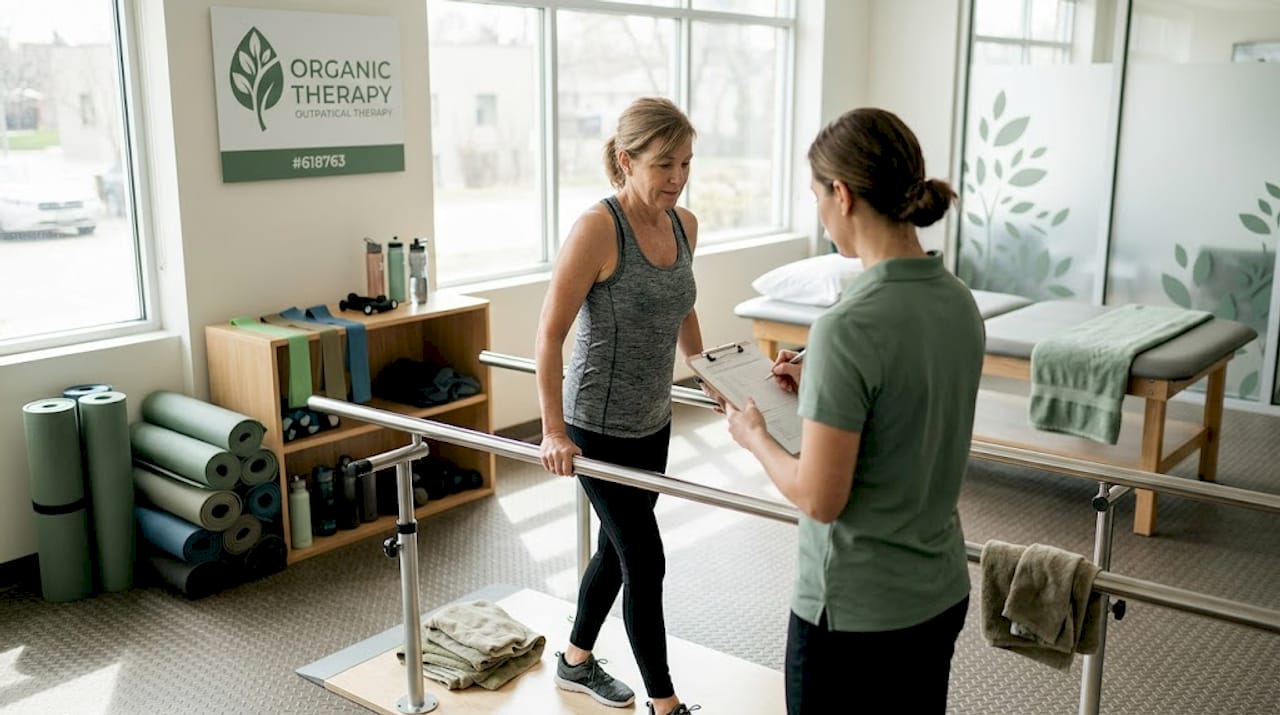
If you think physical therapy is only for athletes recovering from sports injuries, you’re not alone — but you’re missing most of the picture. Physical therapy (PT) is a primary treatment for musculoskeletal, neurological, and chronic conditions, covering everything from back pain and arthritis to stroke recovery and heart disease. Whether you’re dealing with a new injury or a condition you’ve been managing for years, understanding what does PT treat can open doors to real, lasting relief without relying on medications or surgery. This guide breaks it all down clearly, especially if you’re located in Queens or Nassau County and looking for answers.
Table of Contents
Specialized physical therapy approaches for complex conditions
Physical therapy compared to other treatment options for pain
Starting physical therapy in Queens and Nassau County: what to expect
Why active movement is the key to lasting recovery in physical therapy
Find expert physical therapy services in Queens and Nassau County
Key Takeaways
Point | Details |
Broad treatment scope | Physical therapy treats various conditions including musculoskeletal, neurological, and chronic diseases. |
Early intervention benefits | Starting PT early often leads to quicker recovery and less reliance on surgery or opioids. |
Individualized care | PT plans are tailored to each patient’s needs and progress to restore function safely. |
Active treatment vital | Active exercises and home programs are essential for lasting pain relief and mobility. |
Direct access available | You can start physical therapy without a doctor’s referral in Queens and Nassau County. |
Common conditions physical therapy treats
Physical therapy addresses a much broader range of conditions than most people realize. The idea that it’s only for sprained ankles or post-game soreness is one of the most common misconceptions we hear. In reality, PT treats back and neck pain, arthritis, post-surgical recovery, sports injuries, balance disorders, and neurological and chronic illnesses.
Here’s a closer look at the physical therapy conditions that respond well to PT care:
Musculoskeletal pain: This includes low back pain, neck pain, shoulder injuries, knee pain, and arthritis. These are the most common reasons people seek physical therapy for pain relief, and they often see significant improvement within a few weeks of consistent treatment.
Post-surgical rehabilitation: After a hip replacement, knee replacement, or spinal procedure, your body needs guided recovery. Physical therapists teach you how to move safely, rebuild strength, and regain independence. Without this step, patients often plateau or re-injure themselves.
Sports injuries: Sprains, strains, tendonitis, rotator cuff tears, and ACL injuries are all standard territory for PT. Physical therapy for sports injuries also focuses on correcting movement patterns that caused the injury in the first place, not just healing the damage.
Neurological conditions: Stroke survivors, people with Parkinson’s disease, and those with multiple sclerosis (a condition affecting the nervous system) regularly benefit from physical therapy. The goal is improving mobility, balance, and independence in daily life.
Chronic conditions: Conditions like COPD (a lung disease affecting breathing), heart disease, and chronic pain syndromes are all areas where PT plays a measurable role in improving quality of life.
Balance and coordination disorders: Falls are a leading cause of injury among adults over 65. Physical therapists assess your balance and create targeted programs to significantly reduce fall risk.
The breadth of what can physical therapy help with is genuinely surprising. Physical therapy in rehabilitation is not just recovery from injury. It’s about rebuilding your ability to live the life you want.
How physical therapy treats pain and restores function
Now that you know PT covers many conditions, let’s detail how physical therapists approach treatment. The process is more structured and personalized than most people expect.
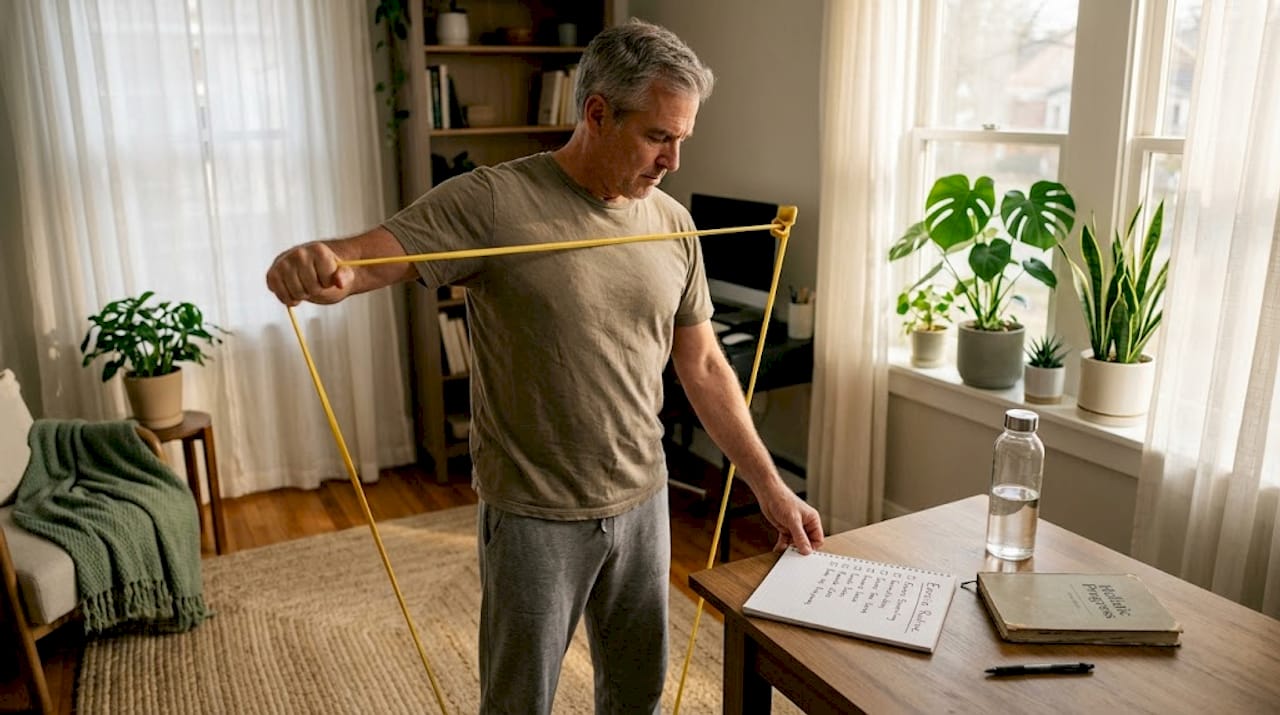
A typical session does not begin with exercises. It starts with listening. Your therapist gathers your health history, asks about your daily activities, and identifies what is limiting you most. Then comes the physical assessment, which looks at strength, range of motion, posture, and movement quality. From there, your treatment plan is built around evaluation, personalized goals, guided exercise, manual therapy, and education.
Here’s what the process generally looks like, step by step:
Initial evaluation: Your therapist measures where you are right now. How far can your shoulder move? Does your knee buckle under load? These baselines guide everything that follows.
Goal setting: Your goals matter here. Returning to the gym, walking without pain, picking up your grandchildren — these shape the plan.
Hands-on treatment: Manual therapy (joint mobilization, soft tissue techniques) relieves pain and restores movement. This is not massage. It is targeted, purposeful work.
Therapeutic exercise: Progressive exercise builds strength, improves stability, and teaches your body to move correctly. These exercises evolve as you improve.
Patient education: You learn why you hurt, what to avoid, and what helps. This knowledge prevents future problems, which is something a prescription alone cannot give you.
One important fact many people don’t know: patients who see a PT first have reduced opioid use and faster recovery for knee and back pain. Starting PT early — rather than cycling through medications and waiting — produces better outcomes in less time. You can access Herricks physical therapy services without needing to wait for a specialist appointment.
Pro Tip: Ask your therapist for a written list of home exercises after your first session. Patients who practice between visits consistently recover faster than those who only work during appointments.
Specialized physical therapy approaches for complex conditions
Understanding the general approach, let’s explore how different physical therapy specialties address specific patient needs — particularly for chronic pain and neurological conditions.
Chronic pain is not just about a body part that hurts. It involves changes in how the brain processes pain signals. That is why the most effective approach combines PT with psychology and pain medicine. An interdisciplinary approach combining PT with pain medicine and psychology helps retrain the brain and body together. Without that collaboration, chronic pain patients often cycle through temporary relief without real progress.
For neurological conditions like stroke or Parkinson’s disease, physical therapists use specific techniques designed to stimulate the nervous system. Balance training, gait retraining (teaching the body how to walk again), and coordination exercises are all part of the picture. The key insight here is that the brain can reorganize itself, especially with consistent, guided movement.
One of the most common barriers to recovery is fear. Many people with back pain, for example, stop moving because they believe movement will cause more damage. This is almost never true. Physical therapy rebuilds tolerance to movement gradually, avoiding the increased stiffness and weakness that come from rest alone.
Here is how specialized PT works for complex cases:
Neurological PT: Targets stroke, Parkinson’s, and traumatic brain injury with balance, coordination, and functional movement training.
Chronic pain programs: Use graded activity (slowly increasing what your body does) to restore function without triggering fear or flare-ups.
Post-cardiac PT: Guides heart disease patients through safe levels of cardiovascular activity to improve endurance and reduce risk.
Vestibular rehabilitation: Treats dizziness and vertigo by retraining your inner ear’s balance system.
Condition | Specialized approach | Key outcome |
Stroke | Gait retraining, balance work | Regain walking ability |
Chronic back pain | Graded activity, pain education | Return to daily function |
Parkinson’s disease | Coordination and mobility drills | Reduce fall risk |
COPD | Breathing and endurance exercises | Improve stamina |
Pro Tip: If you or a loved one has a neurological condition, ask specifically for a therapist trained in neurological physical therapy. Not every PT clinic has this specialization, and it makes a real difference in outcomes.
Physical therapy compared to other treatment options for pain
With these specialized methods in mind, let’s compare how physical therapy stacks up against other treatment options.
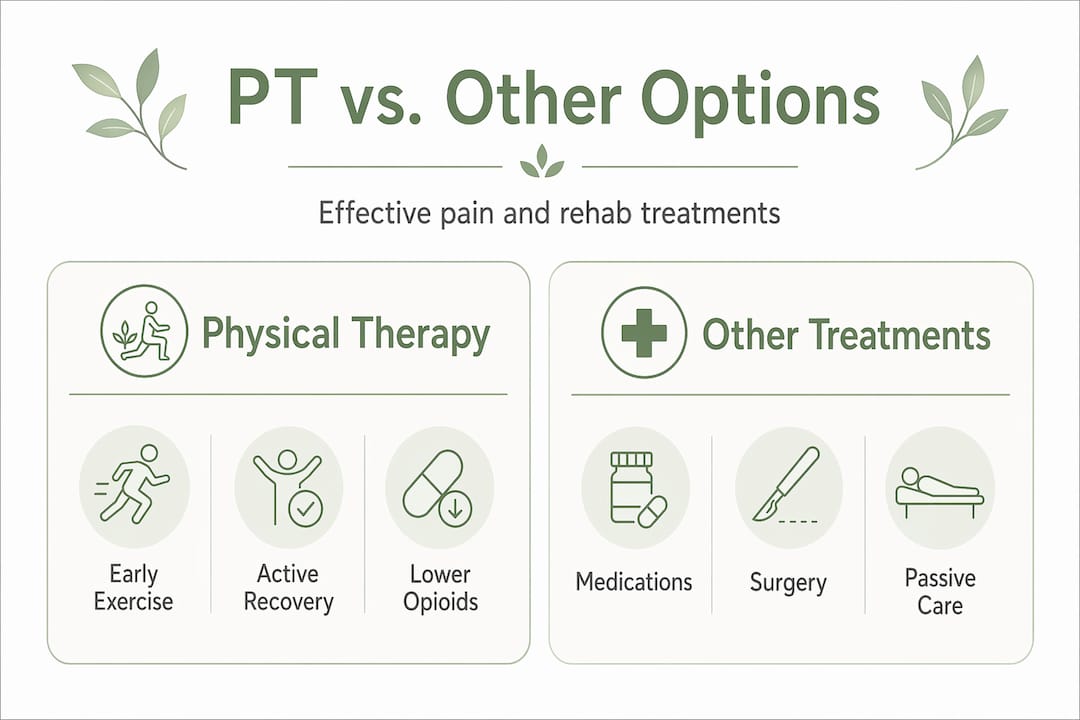
Surgery and opioid medications both have their place in medicine. But neither should be the first step for most musculoskeletal or chronic pain conditions. PT is a safe, evidence-based alternative to surgery and opioids, with lower overall costs and faster recovery for most common pain conditions.
Consider what each path typically involves:
Treatment option | Risk level | Cost | Long-term outcomes |
Physical therapy | Low | Moderate | High, especially with home exercise |
Opioid medication | High (addiction risk) | Low to moderate | Poor for long-term pain management |
Surgery | High (complications) | Very high | Variable, often requires PT anyway |
Watchful waiting | Low | Minimal | Often worsens without intervention |
Physical therapy conditions that tend to respond especially well, often avoiding surgery altogether, include:
Knee osteoarthritis
Rotator cuff injuries (without full tears)
Lumbar disc problems
Plantar fasciitis
Sciatica
The financial case is compelling too. PT vs surgery and medication shows consistently that early physical therapy reduces total healthcare spending over time, largely by preventing the need for more invasive interventions.
Starting physical therapy in Queens and Nassau County: what to expect
Knowing how PT compares to other options, the natural next question is: how do you actually start? The good news is that it is simpler than most people think.
All U.S. states allow direct access to physical therapy without a physician referral. You do not need to wait for a doctor’s appointment or navigate a referral process. You can call a clinic and book your first visit today.
Here is what to expect when you get started:
First visit: Your therapist will conduct a thorough initial evaluation, reviewing your health history, assessing movement and strength, and working with you to set clear goals.
Ongoing sessions: Each visit builds on the last. You will do exercises, receive hands-on treatment, and learn strategies to manage symptoms between sessions.
Home program: You will receive exercises to practice at home. These are not optional. They are where a significant portion of your recovery happens.
Progress tracking: Your therapist re-evaluates your progress regularly and adjusts the plan based on how your body responds.
Starting early matters. The longer pain or movement dysfunction goes unaddressed, the more the brain and body adapt in unhelpful ways. In Queens and Nassau County, you have access to physical therapy services that accept Medicare, Aetna, Cigna, Emblem, and United Healthcare, so insurance concerns should not stand in the way of getting care.
Pro Tip: Bring a list of any medications you take and note any previous injuries or surgeries before your first visit. This saves time and helps your therapist build a more accurate picture of your health right away.
Why active movement is the key to lasting recovery in physical therapy
Here is something we see consistently: patients walk in expecting to be treated passively. They want heat packs, massage, and someone to fix them. That is understandable. But it is also why so many people feel temporary relief and then slide back to where they started.
The real recovery happens through active participation. Active progressive exercises and the “homework” your therapist prescribes are the critical factors for long-term recovery and preventing future flare-ups. The hands-on work your therapist does in the clinic is valuable. But it is the consistent effort between visits that builds resilience.
Fear of movement is one of the biggest obstacles we see in physical therapy for pain relief. People with chronic back pain, for example, often avoid bending, lifting, or twisting because they associate those movements with pain. But avoiding movement increases stiffness, weakens muscles, and reinforces the nervous system’s pain response. Gradual, guided re-exposure to movement is not just safe — it is medically necessary.
The therapists who get the best results are not the ones who do the most to a patient. They are the ones who teach the patient to do more for themselves. That philosophy is what separates short-term symptom management from genuine, lasting active therapy benefits. If your current approach to pain only works while you’re in the clinic, that’s not recovery. That’s maintenance.
Find expert physical therapy services in Queens and Nassau County
If you’ve been living with pain, recovering from surgery, or managing a chronic condition, you don’t have to navigate it alone. Contemporary Rehabilitation Services is a boutique physical therapy clinic serving Queens and Nassau County with convenient locations designed to make high-quality care accessible.
At Herricks physical therapy and Searingtown physical therapy, our licensed physical therapists create fully individualized treatment plans. Whether your needs involve orthopedic rehab, neurological recovery, or chronic pain management, we tailor every session to where you are right now and where you want to be. We accept Medicare, Aetna, Cigna, Emblem, and United Healthcare. Explore the full range of CRS therapy services and take the first step toward feeling like yourself again.
Frequently asked questions
What types of conditions can physical therapy treat?
Physical therapy treats musculoskeletal issues, neurological disorders, chronic illnesses, post-surgical recovery, and balance problems. PT is effective for arthritis, stroke, COPD, and many other conditions beyond injuries.
Do I need a doctor’s referral to start physical therapy?
No. Direct access allows patients to see a physical therapist without a physician’s referral in all 50 states and Washington, D.C.
How does physical therapy help reduce the need for surgery or opioids?
By addressing pain and mobility early through exercise and education, PT can often prevent surgery and reduce opioid dependence. Early PT reduces opioid use and surgery risks while offering safer, more cost-effective care.
What should I expect during my first physical therapy visit?
Your therapist will review your health history, assess your movement and strength, discuss your goals, and develop a personalized treatment plan. Initial evaluations typically last 45 to 60 minutes.
How important are home exercises in physical therapy recovery?
Extremely important. Active progressive exercises and the homework your therapist prescribes are among the most critical factors for lasting recovery and preventing future pain flare-ups.
Recommended
Comments