
What Is Pelvic Therapy? Benefits and What to Expect
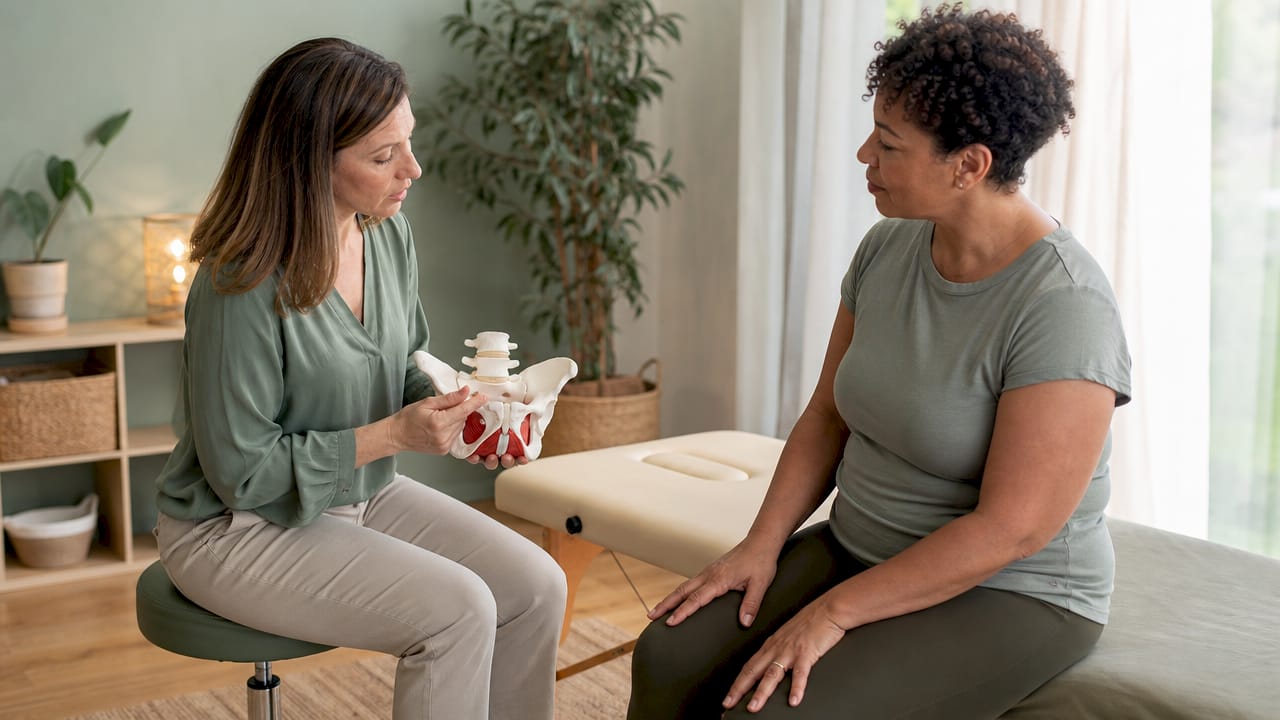
Pelvic therapy is defined as specialized physical therapy that targets the muscles, ligaments, and connective tissue of the pelvic floor to treat pain, weakness, or tightness. The clinical term is pelvic floor physical therapy, and it addresses conditions ranging from urinary incontinence and pelvic organ prolapse to chronic pelvic pain and sexual dysfunction. If you are dealing with leakage, pressure, or pain in your pelvic region, you are not alone, and you are not out of options. This form of therapy is evidence-based, non-surgical, and far more effective than most patients expect before their first session.
What is pelvic therapy and how does it differ from regular PT?
Pelvic floor physical therapy is a specialized, non-surgical treatment that focuses on the muscles supporting the bladder, bowel, and uterus, addressing both weak and tight muscles. Regular physical therapy targets muscles you can see and easily access, like your shoulder or knee. Pelvic floor therapy works on a group of muscles you cannot see, sitting like a hammock at the base of your pelvis, and requires a therapist with advanced training in internal assessment and treatment.
The distinction matters because the wrong approach can make symptoms worse. A therapist who only knows how to strengthen muscles may prescribe Kegel exercises to every patient. However, Kegel exercises can worsen pain in patients with high-tone muscles, where the problem is excessive tightness, not weakness. That nuance is exactly why pelvic floor therapy requires a specialist, not a generalist.
Pelvic therapy also sits within a broader physical therapy rehabilitation framework, meaning your therapist considers your whole body, not just one region. Posture, breathing mechanics, and hip mobility all influence pelvic floor function.
How does a pelvic therapist assess your condition?
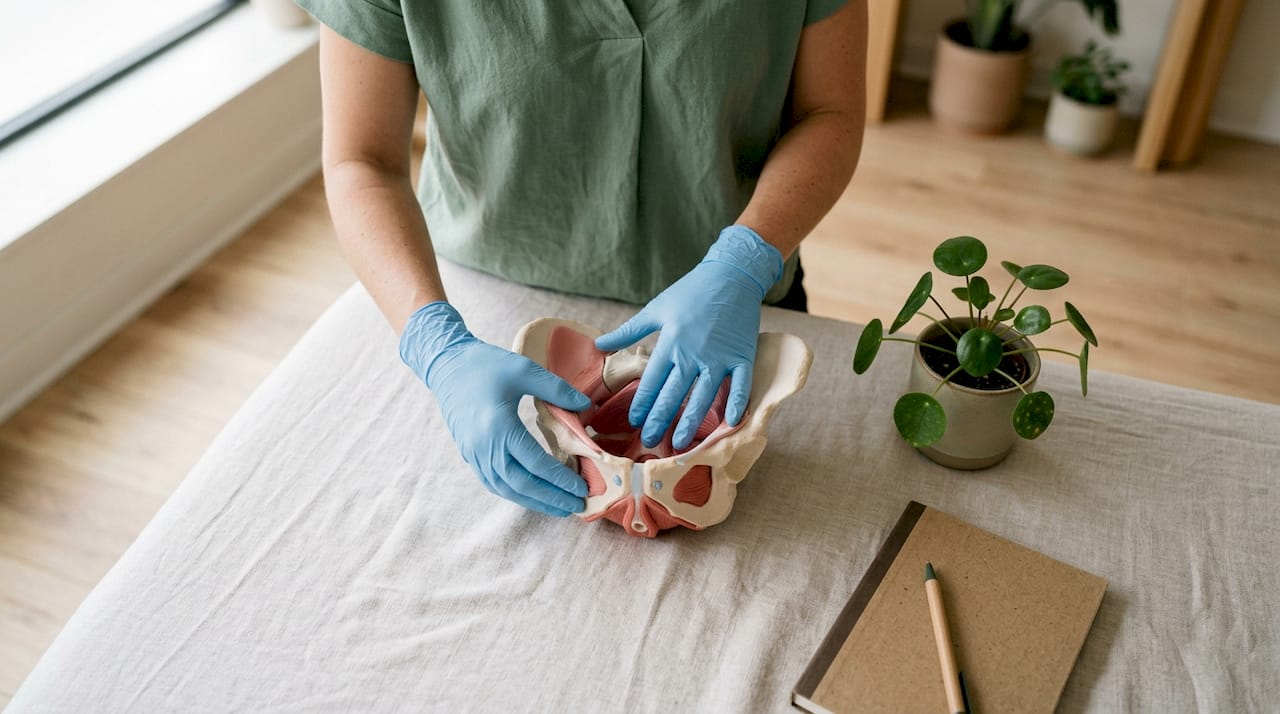
A thorough assessment is what separates effective pelvic therapy from guesswork. Comprehensive evaluation includes breathing patterns, posture, spine and hip mobility, plus internal exams that measure muscle coordination and tension. Your first session is largely diagnostic, and it gives your therapist the information needed to build a treatment plan specific to your body.
The assessment typically covers:
Postural and movement screening: Your therapist checks how you stand, breathe, and move, since poor posture directly loads the pelvic floor. Learn more about how posture connects to pain in this PT posture guide.
External palpation: The therapist examines the muscles around your hips, tailbone, and abdomen for tension or trigger points before any internal work begins.
Internal examination: A vaginal or rectal exam allows the therapist to directly assess muscle tone, strength, and the presence of trigger points. This is standard clinical practice, not optional.
Functional testing: You may be asked to cough, bear down, or contract specific muscles so the therapist can observe how your pelvic floor responds under real conditions.
Internal vaginal or rectal examinations are standard for accurately assessing muscle tone and trigger points, and therapists are trained to prioritize patient comfort throughout. You always have the right to pause or decline any part of the exam. A good therapist explains every step before performing it.
What treatment techniques are used in pelvic floor therapy?
Pelvic floor therapy uses several well-established techniques, and your therapist will select the right combination based on your assessment findings. Treatment methods include manual therapy, such as myofascial release and trigger point therapy, biofeedback with sensors, and targeted exercises that can begin safely as early as the second trimester of pregnancy.
Here is a breakdown of the core techniques:
Myofascial release: The therapist applies gentle, sustained pressure to tight connective tissue to reduce tension and restore movement. This is one of the most effective tools for chronic pelvic pain.
Trigger point therapy: Direct pressure is applied to specific knots in the pelvic muscles to release them. The sensation is similar to pressing on a sore muscle, and relief often follows quickly.
Biofeedback: Sensors measure muscle activity and display it on a screen in real time. This technique teaches you to contract or relax specific muscles with precision, which is especially useful when patients cannot feel what their pelvic floor is doing.
Therapeutic exercise: Exercises are prescribed based on whether your muscles are weak or tight. Strengthening exercises rebuild coordination and endurance. Relaxation exercises, sometimes called down-training, reduce excessive muscle tone.
Electrical stimulation and dry needling: These physical therapy modalities are used when appropriate to reduce pain, improve nerve signaling, or release stubborn muscle tension.
The table below shows how technique selection depends on the underlying muscle problem:
Muscle condition | Primary goal | Common techniques used |
Weak or underactive muscles | Strengthen and coordinate | Therapeutic exercise, biofeedback |
Tight or overactive muscles | Relax and lengthen | Myofascial release, down-training, trigger point therapy |
Poor neuromuscular control | Improve awareness | Biofeedback, electrical stimulation |
Localized pain or trigger points | Reduce pain | Trigger point therapy, dry needling, manual therapy |
Pro Tip: If you have been told to do Kegels for pelvic pain and your symptoms are getting worse, tell your therapist immediately. Tight pelvic muscles need relaxation, not more contraction.
Manual therapy techniques used in pelvic floor therapy follow the same evidence base as those used in orthopedic rehabilitation. The difference is the location and the specialized training required to apply them safely.
Who benefits from pelvic therapy and when should you seek it?
Pelvic floor therapy is not just for women who have given birth. Pelvic therapy benefits men after prostate surgery and children with chronic incontinence, demonstrating broad applicability across ages and genders. The pelvic floor is a universal structure, and dysfunction can affect anyone.
You should consider seeking pelvic therapy if you experience any of the following:
Urinary leakage: Any involuntary loss of urine during coughing, sneezing, laughing, or exercise is a sign of pelvic floor dysfunction, not a normal part of aging.
Urinary urgency or frequency: Feeling a sudden, intense urge to urinate or needing to go more than eight times per day points to bladder control problems that therapy can address.
Pelvic or tailbone pain: Persistent pain in the pelvis, hips, tailbone, or lower abdomen, especially pain that worsens with sitting, is a common indicator.
Pain during intercourse: Dyspareunia, or painful sex, is frequently caused by tight or overactive pelvic muscles and responds well to pelvic floor therapy.
Bowel dysfunction: Constipation, straining, or fecal leakage can all stem from pelvic floor muscle problems.
Pelvic organ prolapse: A feeling of pressure or heaviness in the vaginal area may indicate that pelvic organs have shifted downward due to weakened support muscles.
Children dealing with bedwetting or daytime accidents can also benefit. Physical therapy for kids follows the same principles, adapted for younger patients with age-appropriate techniques and communication.
Pro Tip: Do not wait until symptoms severely limit your daily life. Pelvic floor dysfunction caught early responds faster to treatment and requires fewer sessions overall.
Pelvic therapy aims to improve quality of life by preventing surgery or optimizing surgical outcomes through muscle strengthening. For many patients, consistent therapy eliminates the need for surgical intervention entirely.
What to expect from pelvic therapy sessions
Your first session will feel more like a conversation and assessment than active treatment. The therapist gathers your full history, explains what the evaluation involves, and answers your questions before touching anything. Expect the first appointment to last 60–90 minutes.
Here is what a typical course of pelvic therapy looks like:
Session 1: Full intake, postural and movement assessment, external and internal examination, and initial treatment if appropriate.
Sessions 2–4: Hands-on manual therapy, introduction of biofeedback or electrical stimulation, and a home exercise program tailored to your findings.
Sessions 5 and beyond: Progressive exercise advancement, reassessment of symptoms, and gradual reduction in session frequency as you improve.
Symptoms may worsen temporarily after early therapy sessions due to muscle tension release before long-term relief sets in. This is normal and expected, similar to how a tight muscle feels sore after a deep stretch. Communicate any increase in symptoms to your therapist so they can adjust the intensity.
Physical therapists perform vaginal exams to assess muscle strength and pain while prioritizing patient comfort throughout. If you feel uncomfortable at any point, you can stop. Your therapist will never proceed without your consent.
Home exercises are a critical part of recovery. What you do between sessions determines how quickly you progress. Most patients see meaningful improvement within 6–8 sessions when they follow their home program consistently.
Key Takeaways
Pelvic floor physical therapy is the most effective non-surgical treatment for pelvic pain, incontinence, and dysfunction, and it works by addressing the specific muscle problem, whether weakness or tightness, through targeted clinical techniques.
Point | Details |
Specialized assessment is required | Evaluation includes posture, breathing, and internal exams to identify whether muscles are weak or tight. |
Technique depends on muscle tone | Tight muscles need relaxation therapy; weak muscles need strengthening. Kegels are not always the answer. |
Broad patient population | Women, men after prostate surgery, and children with incontinence all benefit from pelvic floor therapy. |
Temporary discomfort is normal | Early sessions may increase soreness as muscle tension releases before lasting relief begins. |
Home exercises drive results | Consistent adherence to a home program between sessions is the strongest predictor of recovery speed. |
Why I believe pelvic therapy is one of the most underused treatments in rehabilitation
Patients come to me embarrassed, having lived with leakage or pain for years because no one told them there was a non-surgical solution. That hesitation is understandable. Pelvic therapy sounds unfamiliar, and the idea of an internal exam makes many people anxious. But pelvic floor therapy is routine, evidence-based rehabilitation, no different in principle from treating a rotator cuff or a knee after surgery.
What I find most striking is how often patients have been told to simply manage their symptoms, take medication, or prepare for surgery, when a course of targeted physical therapy could have resolved the problem without any of that. The pelvic floor responds to skilled manual therapy and exercise the same way any other muscle group does.
The key is finding a therapist with proper training and the patience to listen. A rushed evaluation leads to a generic treatment plan, and generic plans do not work for pelvic dysfunction. Personalized care, built on a thorough assessment, is what produces real results. If your symptoms are affecting your sleep, your relationships, or your ability to exercise, that is reason enough to make the call.
— Tj
Pelvic therapy at Contemporaryrehabservices
Contemporaryrehabservices is a boutique physical therapy clinic in Albertson, NY, serving patients across Queens and Nassau County. The clinic’s therapists specialize in individualized treatment plans built on thorough assessments, not one-size-fits-all protocols.
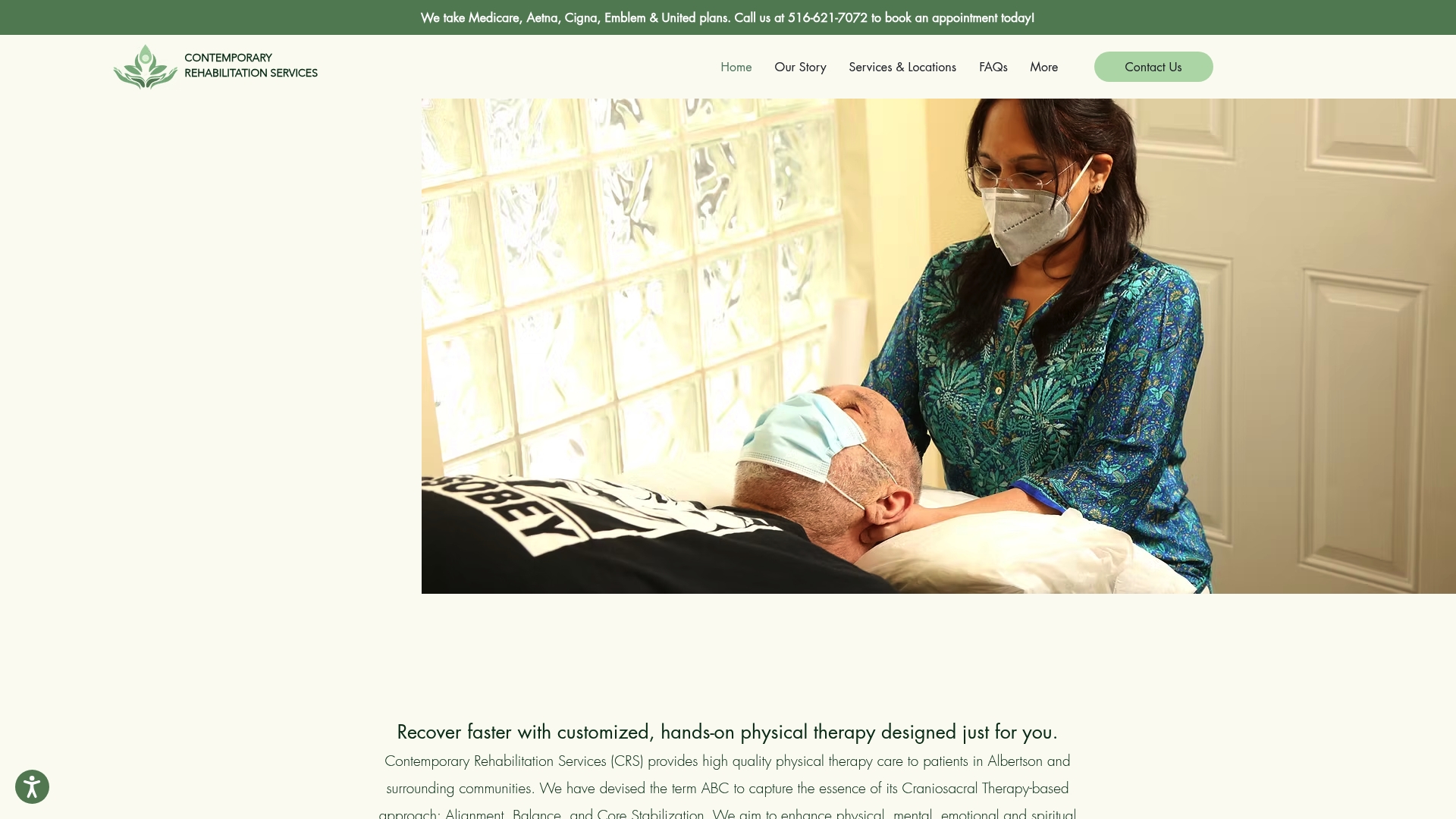
Contemporaryrehabservices accepts Medicare, Aetna, Cigna, Emblem, and United Healthcare plans, making specialized pelvic care accessible without financial barriers. Whether you are managing incontinence, recovering from prostate surgery, or dealing with chronic pelvic pain, the team builds a plan around your specific findings. Review the full range of pelvic therapy services available at Contemporaryrehabservices and take the first step toward lasting relief.
FAQ
What is pelvic floor therapy used to treat?
Pelvic floor therapy treats urinary and bowel incontinence, pelvic organ prolapse, chronic pelvic pain, painful intercourse, and post-surgical rehabilitation for conditions like prostate surgery. It addresses both weak and overactive pelvic muscles depending on the diagnosis.
Does pelvic therapy involve internal exams?
Yes. Internal vaginal or rectal exams are standard clinical practice for accurately assessing muscle tone, strength, and trigger points. Therapists are trained to prioritize patient comfort, and you can pause or stop the exam at any time.
How many pelvic therapy sessions will I need?
Most patients see meaningful improvement within 6–8 sessions when they follow their home exercise program consistently. The exact number depends on the severity and duration of your symptoms.
Can men benefit from pelvic floor therapy?
Pelvic floor therapy benefits men, particularly after prostate surgery, by addressing urinary leakage and pelvic muscle weakness. The pelvic floor is a universal muscle group, and dysfunction can affect people of any gender.
Are Kegel exercises always recommended in pelvic therapy?
No. Kegel exercises can worsen pain in patients with high-tone, overactive pelvic muscles. A trained therapist determines whether you need strengthening or relaxation exercises based on your individual assessment findings.
Recommended
Comments