
Therapeutic Massage: What It Is and How It Heals
- tjdontplay
- a few seconds ago
- 7 min read
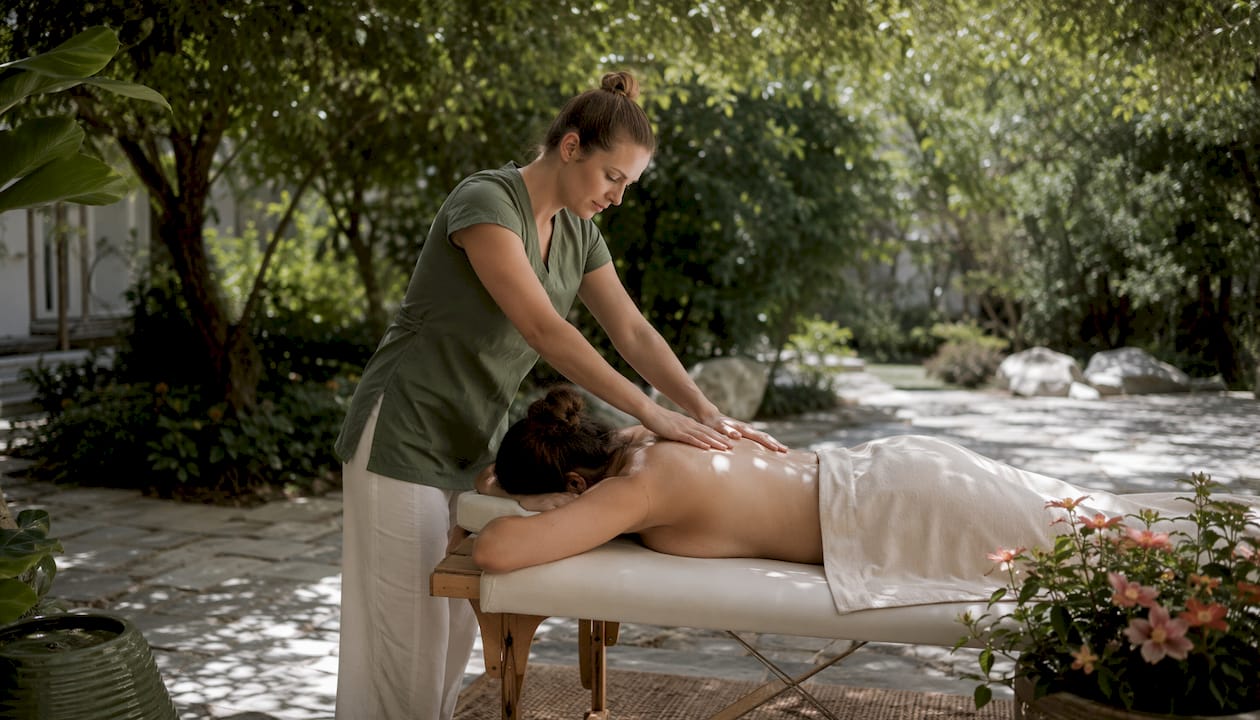
What is therapeutic massage, and how does it differ from a spa treatment?
Therapeutic massage is a clinically focused practice in which a licensed therapist uses skilled touch to manipulate soft tissues, including muscles, tendons, and connective tissue, to treat medical conditions and relieve pain. It is not the same as a relaxation or spa massage. Where a spa session aims to help you unwind, therapeutic massage targets a specific clinical problem, whether that is chronic neck pain, a sports injury, fibromyalgia, a TMJ disorder, or recovery after surgery.
The distinction matters because the approach, pressure, and goals are entirely different. A licensed massage therapist working clinically will assess your condition, adapt techniques to your pathology, and focus on resolving symptoms rather than providing a general sense of calm. Sessions typically run 30–90 minutes, and the therapist may spend the entire time on one region of your body if that is where the problem lives.
Key elements that define therapeutic massage:
Performed by a licensed massage therapist trained in anatomy and pathology
Targets a specific medical condition or area of dysfunction
Adapts pressure and technique to the individual patient’s needs
Integrated into mainstream evidence-based medicine alongside physical therapy and other treatments
Conditions commonly addressed include fibromyalgia, TMJ disorders, sports injuries, and postoperative recovery
No standard one-size-fits-all routine; every session is tailored
What are the real health benefits of therapeutic massage?
The physical benefits of therapeutic massage go well beyond muscle relaxation. Skilled soft tissue work relaxes muscles, improves circulation, and supports lymphatic drainage, all of which help your body shift out of the high-stress pain cycle that slows healing. Better circulation means more oxygen and nutrients reaching injured tissue, which speeds recovery after an injury or procedure.
Physical benefits
Reduced pain in muscles, joints, and connective tissue
Increased range of motion, especially after injury or surgery
Faster tissue healing through improved blood and lymph flow
Relief from headaches and sleep problems linked to muscle tension
Support for conditions like musculoskeletal disorders and rheumatism
Mental and emotional benefits
Therapeutic massage also produces real mental health gains. The physical relaxation it creates triggers a parasympathetic response, meaning your nervous system shifts from “fight or flight” to “rest and digest.” Anxiety drops, sleep improves, and the overall stress load on your body decreases.
A 2014 study published in the Annals of Family Medicine found that 60-minute therapeutic massage sessions two or three times a week for four weeks relieved chronic neck pain better than no massage or fewer or shorter sessions.
A separate study in Complementary Therapies in Clinical Practice showed that four weekly hand massage sessions reduced hand pain, improved grip strength, and led to better sleep and lower anxiety compared to a control group. The evidence is consistent: regular, targeted sessions produce measurable results for both body and mind.
What types of therapeutic massage techniques are available?
The National Center for Complementary and Integrative Health recognizes several distinct therapeutic massage modalities, each suited to different conditions and patient needs. Understanding the options helps you and your therapist choose the right approach.
Swedish massage: The foundation of most Western massage training. Uses long, flowing strokes, kneading, and circular movements to relax muscles and improve circulation. A good starting point for most patients.
Sports massage: Designed for athletes and active individuals. Focuses on muscles used in specific sports, addresses overuse injuries, and supports faster recovery between training sessions.
Neuromuscular therapy: Targets trigger points, which are tight knots in muscle tissue that refer pain to other areas. Particularly effective for chronic pain conditions and nerve-related discomfort.
Clinical massage: A goal-directed approach used to accomplish specific outcomes such as releasing muscle spasms, reducing scar tissue, or restoring mobility after surgery.
Shiatsu: A Japanese technique using finger pressure on specific points along energy pathways. Often used for stress-related symptoms and musculoskeletal pain.
Tuina: A Chinese therapeutic technique combining massage with acupressure. Addresses both structural and systemic conditions.
Pressure levels vary widely across these modalities. Lighter touch can be more effective than heavy pressure for conditions like fibromyalgia or chronic fatigue syndrome, where deep work can trigger muscle spasm rather than relief. Your therapist will adjust based on your response, not on a fixed protocol.
What should you expect during a therapeutic massage session?
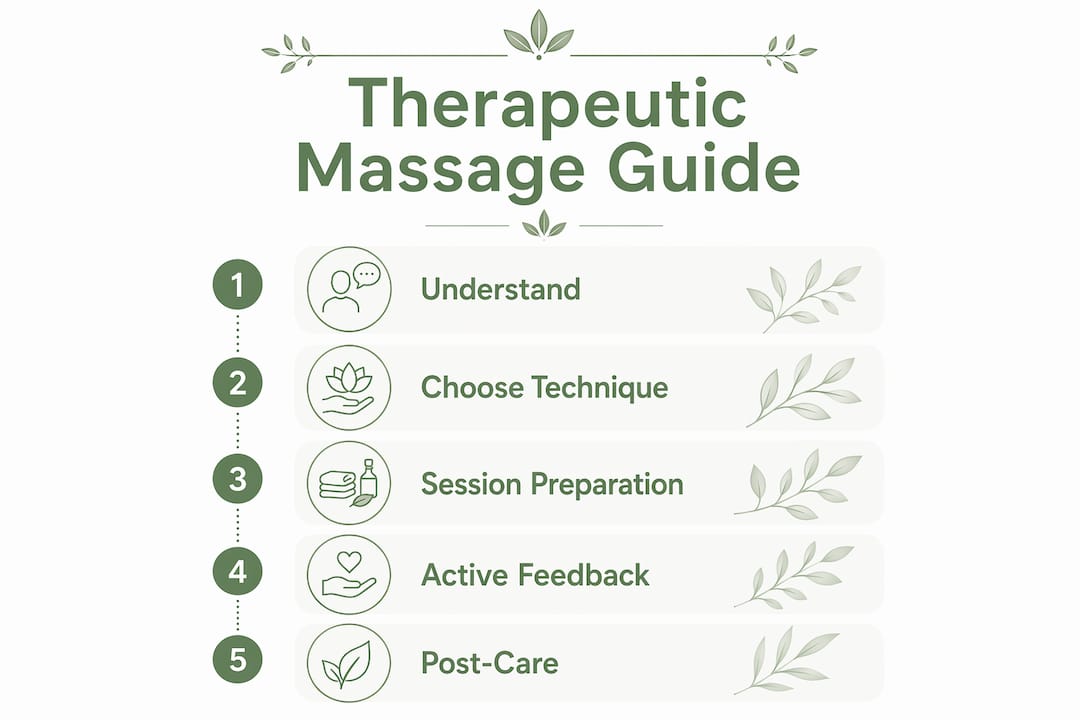
Your first therapeutic massage session will feel different from a spa visit. The therapist begins with a brief intake, asking about your medical history, current symptoms, and treatment goals. From there, the session is built around your specific problem, not a general routine.
Sessions run 30–90 minutes depending on clinical need
The therapist may focus entirely on one area, such as a frozen shoulder or the muscles around the jaw
Pressure will vary, and you may feel tenderness or a deeper sensation than you are used to
Real-time feedback from you is part of the treatment, not an interruption
The goal is symptom resolution, not full-body relaxation
Active communication during the session is treated as a clinical tool. If pressure feels too intense or triggers sharp pain, telling your therapist immediately allows them to adjust and keep your nervous system in a healing state rather than a guarded one. Muscle spasm triggered by excessive pressure can set back your progress, so speaking up protects your results.
Pro Tip: Before your session, write down your top two or three symptoms and where you feel them most. Giving your therapist specific locations and pain patterns at the start saves time and helps them focus where it counts.

Who should consider therapeutic massage, and when should you avoid it?
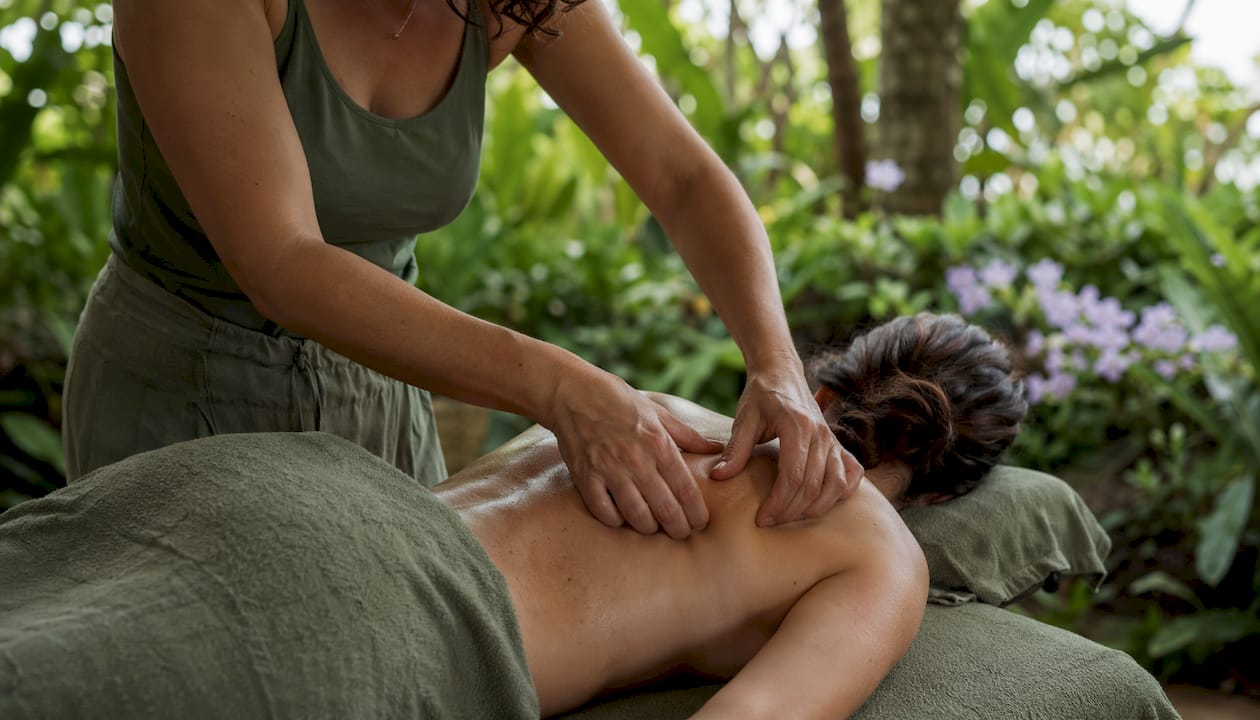
Therapeutic massage works well for a broad range of conditions. If you are managing chronic pain, recovering from an injury, dealing with fibromyalgia, or working through TMJ-related muscle tension, it is worth discussing with your healthcare provider. Soft tissue mobilization is also commonly used after surgery to reduce scar tissue and restore mobility.
That said, therapeutic massage is not appropriate for everyone in every situation. Certain medical conditions make massage unsafe, and applying pressure in the wrong circumstances can cause real harm.
Conditions that may benefit from therapeutic massage:
Chronic neck, back, or joint pain
Sports injuries and overuse syndromes
Fibromyalgia and chronic fatigue syndrome
TMJ disorder and jaw-related muscle tension
Postoperative recovery and scar tissue management
Stress-related headaches and sleep difficulties
Medical contraindications (avoid massage in these situations):
Thrombocytopenia or other bleeding disorders
Active infections or inflamed skin
Phlebitis or blood clots
Certain heart conditions and infectious diseases
Always disclose your full medical history to your massage therapist before the session begins. If you have an active health condition, consult your physician first. A qualified therapist will not proceed without understanding your medical background, and you should not proceed with one who does.
Pro Tip: Ask your physical therapist or primary care physician for a referral to a licensed massage therapist. A warm handoff between providers means your massage therapist receives relevant clinical context before your first session.
How do you choose a qualified massage therapist?
Licensure is the starting point, not the finish line. In the United States, massage therapists must be licensed by their state, which requires completing an accredited training program and passing a licensing exam such as the MBLEx (Massage and Bodywork Licensing Examination). Verify your therapist’s license through your state’s licensing board before booking.
Beyond the license, look for a therapist with specific training in the condition you are treating. A therapist who specializes in sports injuries will approach a post-marathon knee differently than one whose background is primarily relaxation work. Ask directly about their experience with your condition and what techniques they typically use. A good therapist will answer clearly and without hesitation.
Your physical therapist is often the best referral source. At Contemporaryrehabservices, our licensed clinicians in Albertson, NY work with patients across Nassau County and Queens, and we regularly coordinate care to make sure therapeutic massage fits within a broader treatment plan. If you are unsure where to start, our therapy services include guidance on finding the right approach for your specific needs. We accept Medicare, Aetna, Cigna, Emblem, and United Healthcare plans.
How often should you get therapeutic massage, and for how long?
Frequency depends on your condition and treatment goals, but the clinical evidence points toward consistency over occasional sessions. Research published in the Annals of Family Medicine found that twice or three times weekly for four weeks produced significantly better outcomes for chronic neck pain than less frequent treatment. For acute injuries or post-surgical recovery, your therapist may recommend more frequent sessions early on, tapering as you improve.
For ongoing conditions like fibromyalgia or chronic low back pain, a maintenance schedule of once or twice a month can help sustain the gains from an initial treatment course. Session length typically runs 60 minutes for most clinical goals, though a focused 30-minute session on a single problem area can be equally effective when the issue is localized. Talk with your therapist and your physician together to set a schedule that fits both your clinical needs and your schedule.
Ready to find out whether therapeutic massage is right for your recovery? Contemporaryrehabservices offers physical therapy in Albertson, NY with licensed clinicians who can assess your condition and coordinate the right treatment approach. We serve patients throughout Nassau County and Queens, and we accept most major insurance plans including Medicare, Aetna, Cigna, Emblem, and United Healthcare.
Key Takeaways
Therapeutic massage is a clinically targeted treatment that uses skilled soft tissue manipulation to reduce pain, improve mobility, and support recovery from specific medical conditions.
Point | Details |
Clinical focus, not relaxation | Therapeutic massage targets a specific medical condition, not general stress relief. |
Evidence-backed frequency | Sessions two or three times weekly for four weeks significantly reduced chronic neck pain in clinical research. |
Technique varies by condition | Lighter pressure often works better for fibromyalgia; deeper work suits sports injuries and scar tissue. |
Communication is part of treatment | Real-time feedback during sessions helps the therapist adjust pressure and improve outcomes. |
Contraindications are real | Avoid massage with active infections, bleeding disorders, phlebitis, or certain heart conditions. |
Recommended