
Why PT for Wellness: Your Complete 2026 Health Guide
- tjdontplay
- May 23
- 8 min read

Most people only think about physical therapy after something goes wrong. A torn ligament, a surgery, a car accident. But that framing misses the bigger picture entirely. Understanding why PT for wellness matters means recognizing that physical therapy is just as valuable before a crisis as it is after one. Physical therapists help maximize movement, manage pain, and prevent injury long before problems escalate. This guide breaks down the full scope of PT’s role in your health, from prevention and chronic disease management to mental well-being and active living.
Table of Contents
Key takeaways
Point | Details |
PT is not just for recovery | Physical therapy actively prevents injury and supports long-term health, not just post-injury care. |
Prevention starts before pain | Early PT identifies movement imbalances before they become chronic problems. |
Mental health benefits are real | PT improves mood, reduces anxiety, and supports better sleep through guided movement. |
Direct access saves time | You can see a physical therapist without a doctor’s referral in all 50 states. |
PT complements your full lifestyle | Physical therapy integrates with fitness, work habits, and daily routines for lasting wellness. |
Why PT for wellness goes beyond injury care
Physical therapy is a licensed healthcare profession focused on restoring and optimizing how your body moves. Most people picture it as something reserved for post-surgical rehab or sports injuries. The reality is much broader than that.
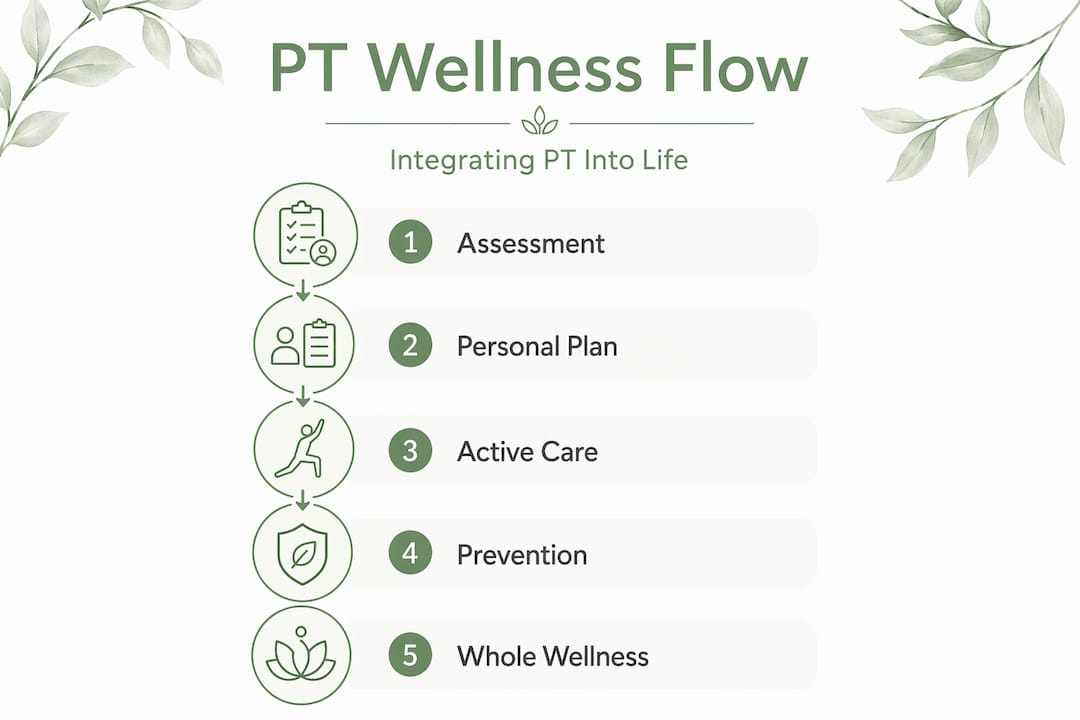
A physical therapist assesses your strength, mobility, flexibility, posture, and balance. From that picture, they build a personalized plan targeting your specific weaknesses and goals. That plan might involve hands-on manual therapy, targeted exercises, movement re-education, or ergonomic coaching. The scope is wide on purpose.
The role of PT in wellness goes well beyond fixing what is broken. PT addresses how you move through daily life, whether you sit at a desk for eight hours, carry groceries up stairs, or train for a half-marathon. When your movement patterns are efficient and your body is strong, you are far less likely to develop the kinds of chronic pain and dysfunction that erode quality of life over time.
Pro Tip: If you are managing a chronic condition like arthritis or diabetes, ask your doctor about a PT referral. PT helps manage chronic disease symptoms by building strength and endurance, which directly improves daily function and quality of life.
Physical therapy also takes a genuinely holistic view. A skilled therapist considers your stress levels, sleep habits, work environment, and fitness goals alongside your physical symptoms. That integration is what separates PT from a simple exercise prescription. It connects physical health to your broader life. To understand more about what this looks like in practice, read about physical therapy in rehabilitation and how it extends well beyond the treatment table.
Preventive benefits that protect your body long-term
This is where the case for PT as a wellness tool becomes especially compelling. Prevention is the most undervalued reason to see a physical therapist, and it is also the one that saves the most pain, money, and downtime in the long run.
Here is how PT delivers real preventive value:
Movement screening and imbalance correction. A physical therapist can identify asymmetries in your gait, posture, or muscle activation that you would never notice yourself. These small imbalances often lead to overuse injuries, back pain, or joint wear over time. Catching them early means correcting them before they become a problem.
Personalized strengthening programs. Weak glutes, tight hip flexors, poor shoulder stability. These are common patterns in people with sedentary lifestyles. Preventive PT addresses musculoskeletal strain from sedentary work by building strength in vulnerable areas before injury strikes.
Body mechanics and ergonomic education. PT teaches you how to lift, sit, bend, and move in ways that protect your spine and joints. This is especially valuable if your job involves repetitive motion, heavy lifting, or prolonged sitting.
Balance and fall prevention training. Posture and balance training reduces fall risk and supports independence, especially for adults over 60. Falls are the leading cause of injury-related deaths in older Americans, and PT directly addresses that risk.
Support for chronic disease prevention. Physical activity reduces cardiovascular disease risk, type 2 diabetes, and certain cancers while improving bone strength and cognitive function. PT helps you build and maintain the activity levels that drive those benefits.
Pro Tip: You do not need to be injured or in pain to book a PT appointment. Many physical therapists offer wellness and movement assessments specifically designed for prevention. Think of it like a dental check-up for your body.
The importance of PT for health becomes clear when you consider what happens without preventive care. Small problems compound. A tight hip leads to compensated movement. Compensated movement leads to knee pain. Knee pain leads to inactivity. Inactivity leads to weight gain, reduced cardiovascular health, and declining function. PT interrupts that chain early.
How PT supports mental health and overall well-being
The connection between physical therapy and mental health is grounded in physiology, not wishful thinking. Movement triggers the release of endorphins, the brain’s natural mood lifters. When PT gets you moving in structured, progressive ways, your mental state responds.
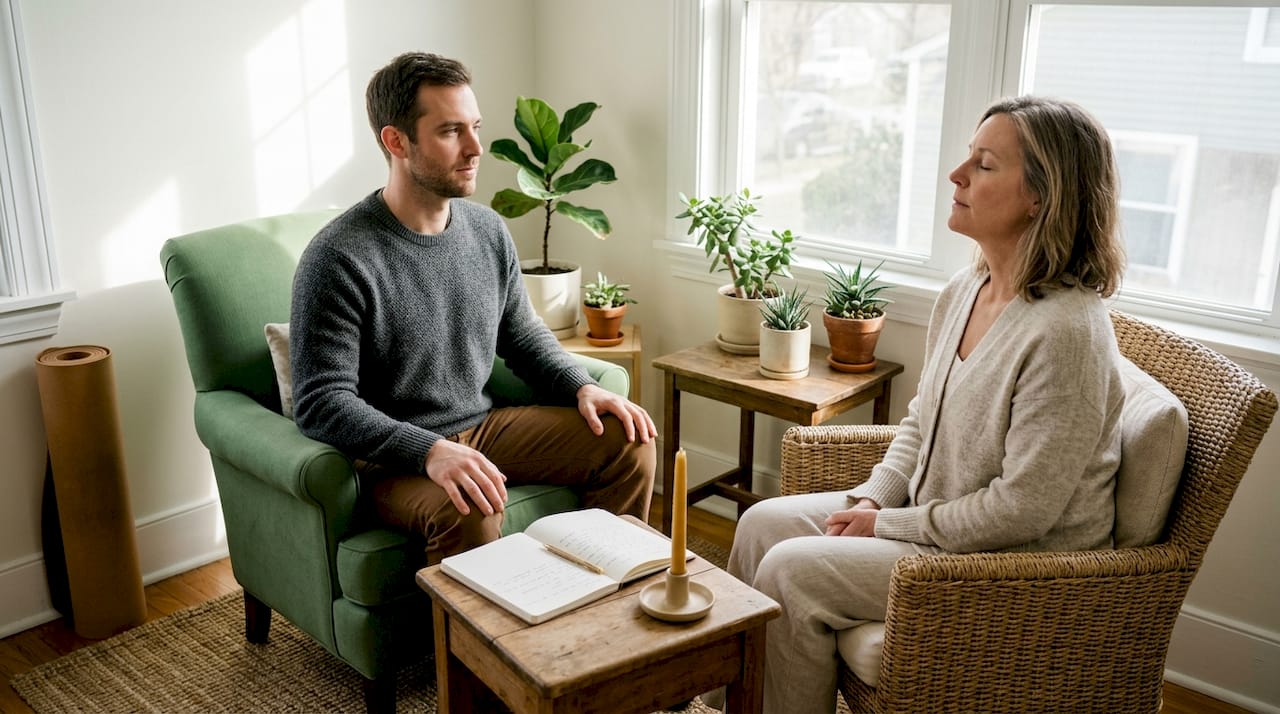
PT improves mood, reduces anxiety, and supports better sleep quality through exercise-based interventions. For people dealing with chronic pain, this matters enormously. Pain and anxiety are deeply linked. When PT reduces physical pain, anxiety often drops with it.
Here are the mental health benefits most closely tied to PT:
Improved sleep. Regular physical activity from PT sessions directly improves sleep duration and quality. Better sleep affects every other aspect of health, from immune function to emotional regulation.
Reduced stress. Therapeutic exercise and breathing techniques used in PT activate the parasympathetic nervous system, which counters the body’s stress response.
Enhanced cognitive function. Movement increases blood flow to the brain. Regular aerobic activity supports cognitive function and reduces the risk of cognitive decline as you age.
Greater sense of control. Chronic pain often makes people feel helpless. PT gives you tools, knowledge, and a plan. That shift from passive suffering to active participation is itself therapeutic.
PT for overall well-being means treating the person, not just the body part. When you work with a physical therapist who understands that mental and physical health are inseparable, you get care that addresses both without needing two separate appointments.
PT’s role in fitness and daily lifestyle integration
One of the clearest answers to why physical therapy helps wellness is how smoothly it integrates with the rest of your life. PT is not a standalone event. It is something that shapes how you exercise, work, and move every single day.
Lifestyle Area | How PT Contributes | Example |
Fitness training | Customized conditioning to prevent overtraining injuries | Runner with IT band issues gets corrective hip work |
Workplace health | Ergonomic coaching for desk workers | Adjusted monitor height and sitting posture reduces neck pain |
Active aging | Strength and balance programs for older adults | Senior improves stability and reduces fall risk |
Sports performance | PT improves athletic performance through strength and coordination work | Weekend athlete addresses shoulder weakness before rotator cuff tear |
Chronic condition management | Guided activity programs for diabetes or heart disease | Patient builds cardiovascular endurance safely with PT oversight |
The CDC recommends 150 to 300 minutes of moderate aerobic activity weekly for substantial health benefits. Yet only 25% of U.S. adults meet those guidelines. That gap is not just about motivation. It is often about not knowing where to start, fear of injury, or pain that discourages movement. PT closes that gap with a guided, personalized approach.
Home exercise programs are a standard part of PT care. Your therapist gives you specific movements to do between sessions, which means the benefits extend well beyond the clinic walls. For practical guidance on supporting your wellness between visits, explore these physical therapy tips for faster recovery that you can apply at home.
Comparing PT to other wellness approaches
Understanding the role of PT in wellness in 2026 means knowing how it fits alongside other options, and when it is the right choice.
Approach | Primary Focus | Best For | PT Difference |
Physical therapy | Movement, function, pain, prevention | Injury, chronic conditions, prevention | Medical-grade movement assessment and rehabilitation |
Personal training | Fitness, strength, conditioning | Healthy individuals improving fitness | No clinical diagnosis or pain management scope |
Chiropractic | Spinal alignment, joint manipulation | Acute back and neck pain | PT addresses full movement system, not just alignment |
Massage therapy | Soft tissue tension, relaxation | Muscle soreness and stress relief | PT builds lasting strength, not just temporary relief |
Why choose physical therapy for recovery and wellness specifically? Because PT is the only approach that combines clinical assessment, evidence-based treatment, and progressive rehabilitation into one plan. A personal trainer cannot evaluate why your knee hurts. A massage therapist cannot prescribe a home exercise program for fall prevention.
You can access physical therapy directly in all U.S. states without a physician referral. That means no waiting weeks for a doctor’s appointment just to get cleared for PT. You can self-refer and start addressing an issue within days. This direct access model is a significant shift in how preventive care works.
Signs that a PT consultation would benefit you include persistent joint or muscle discomfort, a recent increase in activity level, a history of falls, recovering from illness that has reduced your strength, or simply wanting a professional movement assessment before starting a new exercise program.
My perspective on PT as a true wellness partner
I have worked with patients across a wide range of needs, and the pattern I keep seeing is this: the people who benefit most from PT are often the ones who came in before things got serious. They did not wait for surgery or a stress fracture. They noticed something felt off and got it looked at.
What I have learned is that most people underestimate how much silent dysfunction they are carrying. Poor movement patterns, tight hips, weak core stability. These things do not hurt yet, but they are quietly building toward something that will. PT catches those issues while the correction is still simple.
The hardest challenge I see is convincing people that they deserve preventive care, not just reactive care. There is a cultural tendency to push through discomfort until it becomes a genuine crisis. I understand that impulse. But by the time pain forces the issue, you have often missed the easiest window to fix it.
If you are in the Queens or Nassau County area and you have been sitting on a nagging discomfort or simply want to move better, I genuinely encourage you to take a step toward getting that assessed. The return on a few PT sessions is hard to overstate. Explore what expert physical therapy can do for your healing and decide for yourself.
— Tj
Start your wellness journey with Contemporaryrehabservices
Contemporaryrehabservices is a boutique physical therapy clinic serving Albertson, Queens, and Nassau County, NY. They accept Medicare, Aetna, Cigna, Emblem, and United Healthcare plans, which means cost is rarely a barrier to getting started.
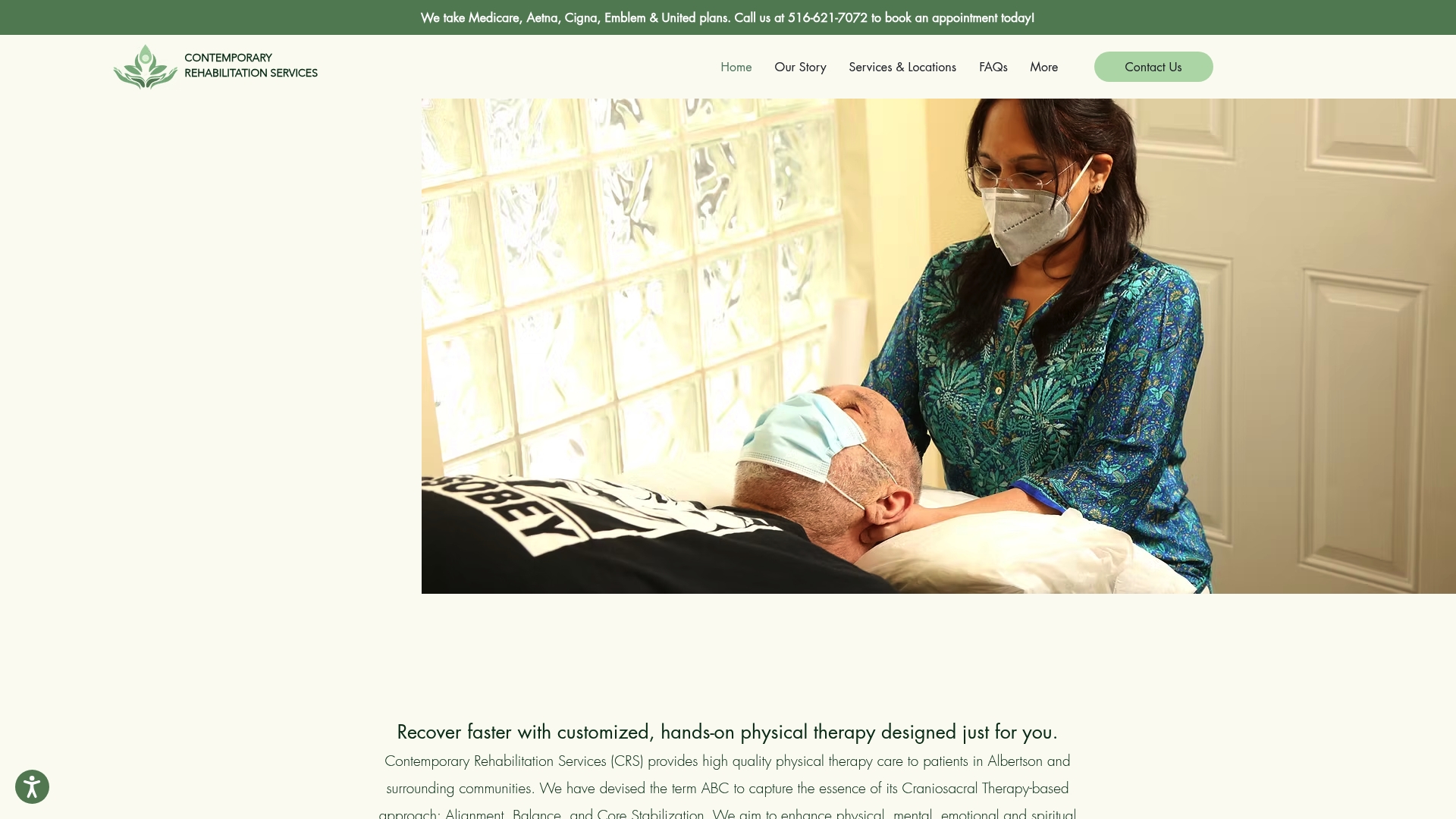
Their team specializes in wellness-focused PT programs tailored to each patient’s goals, whether that means preventing injury, managing a chronic condition, recovering from surgery, or simply moving better through daily life. Each plan is built around you, not a template. Services span manual therapy, therapeutic exercise, balance training, and ergonomic coaching. You can explore the full range of therapy services at CRS to see what fits your needs. Ready to take the first step? Visit the Albertson PT clinic or the Searingtown location to schedule your consultation and start building a healthier, more resilient version of yourself today.
FAQ
What is the role of PT in wellness?
Physical therapy supports wellness by improving movement, strength, balance, and posture while helping prevent injury and manage chronic conditions. It addresses both physical function and long-term health outcomes.
Can I see a physical therapist without a doctor’s referral?
Yes. Direct access to PT is available in all 50 U.S. states, meaning you can schedule an appointment and start care without waiting for a physician’s referral.
How does physical therapy help with mental health?
PT-based exercise releases endorphins that improve mood, reduces anxiety, and promotes better sleep. These mental health benefits are a consistent and well-documented result of guided physical activity.
Is PT only useful after an injury?
No. Physical therapy is equally effective as a preventive tool, identifying movement imbalances and building strength before injuries occur. Many people use PT for general wellness and fitness support.
How often should I see a physical therapist for wellness?
Frequency depends on your goals and current health status. A one-time movement assessment may be enough to get a preventive exercise plan, while ongoing conditions or specific goals may call for regular sessions over several weeks.
Recommended
Comments