
Ataxia Physical Therapy: What It Involves and What to Expect

Physical therapy is a core part of ataxia care. A therapist looks at how you stand, walk, reach and move through your day, then builds a program to improve balance and coordination where possible and to keep you safe and independent where full recovery is not realistic. If you or someone you love is living with ataxia, including cerebellar ataxia, this guide explains what the process looks like, what the evidence supports, and how to prepare. We also cover dystonia, a different movement disorder that readers often ask about alongside it.
Ataxia can feel overwhelming at first. Walking becomes unsteady, hands miss their target, and everyday tasks take more concentration. The good news is that you do not have to guess your way through it. A structured, individualized plan gives you something concrete to practice.
TL;DR
Ataxia physical therapy combines two ideas: restorative work to improve movement, and compensatory strategies (walking aids, environment changes, movement retraining) to make daily life safer.
Guidelines favor early referral and regular, often challenging practice, because even with chronic or progressive conditions some functional improvement is possible.
A good evaluation checks posture, transfers, walking and daily tasks, uses standard ataxia measures, and screens for weakness, pain, fatigue and deconditioning.
Dystonia is a different problem (involuntary muscle contractions), so the therapy approach differs. Ask your neurologist for a diagnosis and clearance before starting either.
We offer in-person and telehealth physical therapy in Albertson, serving Queens and Nassau County.
Table of Contents
What ataxia is, in plain words
Ataxia is a loss of coordination. It is not a single disease. It is a sign that the parts of the nervous system responsible for smooth, accurate movement, most often the cerebellum at the back of the brain, are not working as they should. Think of the cerebellum as the part that fine-tunes every movement so it lands where you meant it to.
When it is affected, you may notice:
A wide, unsteady walk, or feeling like you are on a boat
Difficulty with buttons, handwriting, eating or typing
Slurred or uneven speech
Eye movement problems
Needing to hold on to walls or furniture
Cerebellar ataxia can come from stroke, head injury, certain medications or alcohol, autoimmune conditions, or inherited and degenerative disease. Your neurologist determines the cause. Physical therapy does not replace that workup, but it works alongside it.
How physical therapy helps with ataxia
Physiotherapy guidance from Ataxia UK describes a combined approach: restorative and compensatory strategies aimed at improving gait, balance, trunk control and coordination, which in turn reduces activity limitations and supports participation in daily life. The same guidance stresses early referral and consistent training, often at a high intensity.
That language matters for what you should expect. Therapy is not passive. It is practice, and the practice is chosen to challenge you just enough.
Restorative work
Restorative work aims to improve the movement itself. Examples include practicing tasks that challenge your stability, strength and flexibility training, and gait training. The principle is that the nervous system can learn, and repetition of well-performed movement is how it learns.
Compensatory work
Compensatory work makes life easier and safer while the underlying problem remains. According to the same guidance, this can include orthotics, walking aids, movement retraining and optimizing the home environment. One practical example: when crossing a cluttered room, deliberately looking at where each foot will land can improve accuracy.
Most people need both. A person early in a stroke-related ataxia may lean heavily on restorative training. Someone with a slowly progressive condition may need a steady mix of training, equipment and home adjustments that changes over the years.
What realistic outcomes look like
The honest answer to “can you recover?” depends on the cause. A 2026 rehabilitation flyer from the National Ataxia Foundation explains that a progressive disease does not mean untreatable: rehabilitation can address activity limitations, participation, falls, deconditioning and other secondary complications, even though disease-modifying treatment is still limited for many degenerative ataxias.
In practical terms, goals often sound like this: walking to the mailbox with more confidence, getting up from a chair without gripping the table, feeding yourself more neatly, or going down fewer stairs on your backside. These are meaningful goals, and they are the ones we build plans around.

What a physical therapist assesses first
A thorough first visit is the foundation of everything else. Research on rehabilitation for ataxic patients describes assessing bed mobility, posture, sitting, standing, transfers, walking and daily activities such as dressing, grooming and eating. Some clinics also use the International Cooperative Ataxia Rating Scale (ICARS), which looks at posture and gait, limb movement, speech and eye movements.
The National Ataxia Foundation flyer recommends including the Scale for the Assessment and Rating of Ataxia (SARA) and, where appropriate, functional measures such as the 10-meter walk test, the 6-minute walk test, Timed Up and Go (TUG) and the 9-hole peg test. These give you and your therapist numbers to track, so progress is visible rather than a matter of impression.
Ruling out other contributors
The same flyer advises screening for weakness, reduced power, pain, cardiopulmonary limitations, fatigue and deconditioning, so that these are not blamed on ataxia alone. This is good news in a practical sense: weakness and deconditioning can often be improved, and improving them frees up energy for the coordination work.
What to bring to your evaluation
A list of your medications and supplements
Your neurology notes, imaging reports or genetic testing results, if you have them
Any walking aids, braces or orthotics you use
Supportive shoes you wear daily
A short list of the three things you most want to do better
Your insurance card (we accept Medicare, Aetna, Cigna, Emblem and United Healthcare, as well as cash payment)
Strategies and exercises your therapist may use
Exact exercises depend on your evaluation, so we will not hand you a generic routine here. What we can describe are the categories that guidelines point to.
Dynamic task practice
This means practicing real movements that challenge your stability: reaching while standing, stepping over a line, turning, sit-to-stand transfers, stepping in different directions. The challenge is adjusted so you are working at the edge of your ability but not falling.
Strength and flexibility
Strong, flexible muscles give the nervous system a better platform to work from. Therapists often add leg, hip and trunk strengthening, because trunk control is one of the main things ataxia affects.
Gait training
Gait training works on step length, width, timing and turning. It may include a walker, cane or other aid chosen for your situation, not simply the most common option. For more on how walking practice is structured in our clinic, see our 8 to 12 week gait training program for seniors.
Balance work
Balance training is central, and it ranges from stable-surface standing tasks to more demanding practice as you improve. Our guides on balance improvement exercises for stability and fall prevention and what balance training is and why it matters explain the basics. If you want a second explanation of safe progressions for older adults, this overview of balance training for seniors covers the fall-prevention side. Because ataxia is a neurological cause of imbalance, your program should be set by a therapist who has evaluated you, and not copied from a general list.
Neuromuscular re-education
Neuromuscular re-education retrains the way the brain and muscles communicate through guided, repeated, quality-focused movement. We use it as part of individualized rehabilitation, and our article on neuromuscular re-education for stroke recovery shows how the approach works in another neurological condition.
Environment and equipment
Removing loose rugs, adding grab bars, improving lighting, rearranging frequently used items to waist height and choosing the right footwear all reduce falls. A home-environment review is one of the quickest wins in ataxia care.

Staying active for the long term
The National Ataxia Foundation flyer describes physical activity as both a rehabilitation goal and a treatment target, with therapists using behavior-change strategies such as physical activity coaching to support long-term participation. In other words, the work does not end when the visits do. A good therapist helps you build a routine you can keep.
Practicing safely at home
Home practice matters, because a few visits a week are not enough on their own. It also carries real risk if it is not matched to you. Ataxia UK’s guidance says exercise should be tailored to the person, with risk factors and safety assessed, and notes that physiotherapist supervision is essential for certain activities, such as video-game coordination training in children with ataxia who can walk unaided.
Some practical rules we share with patients:
Set up before you start. Practice next to a sturdy counter or in a doorway, with a clear floor and a chair behind you.
Have someone nearby for any standing or walking task until your therapist says otherwise.
Watch quality, not just numbers. Performance in cerebellar conditions can vary from one repetition to the next. A therapist quoted in the National Ataxia Foundation flyer notes that variability is a hallmark of cerebellar dysfunction, and that fatigue should be managed and repetitions with worsening movement quality avoided. When your movements start to degrade, rest.
Stop and call your care team if you have a fall, new weakness, new numbness, a sudden change in speech or vision, or chest pain or unusual breathlessness. Sudden new symptoms need emergency care, so call 911.
Use telehealth for check-ins. Virtual sessions let us watch your home setup, adjust your routine and review your technique between in-person visits.
Dystonia physical therapy: how it differs
Readers often search for ataxia and dystonia together because both affect movement, but they are different conditions. Ataxia is mainly a coordination problem. Dystonia involves involuntary muscle contractions that cause twisting, repetitive movements or abnormal postures. MedlinePlus notes there is no cure, and that doctors use medicines, Botox injections, surgery, physical therapy and other treatments to reduce muscle spasms and pain.
The Dystonia Medical Research Foundation explains that a movement disorder specialist may recommend non-drug approaches alongside traditional treatments, including physical and occupational therapy.
What does that look like in practice? For cervical dystonia, which affects the neck, one small published study of 20 people used motor learning exercises, stretching, mobilization and electrical stimulation alongside botulinum toxin treatment. Its authors describe botulinum toxin as the best therapeutic option, with physical therapy added for better results. It is a small study, so read it as an illustration of how therapists think about the problem, not a promise of results.
The differences in approach, in short:
Ataxia | Dystonia | |
Core problem | Poor coordination and balance | Involuntary, sustained muscle contractions |
Main therapy focus | Balance, gait, trunk control, task practice, safety | Posture, motor control, stretching, relaxation, retraining movement patterns |
Typical team | Neurologist, physical and occupational therapists, speech therapist | Movement disorder specialist, physical and occupational therapists, sometimes injections |
Role of equipment | Walking aids, orthotics, home changes | Supports and positioning tailored to the affected area |
If you have dystonia, a therapist should coordinate with your neurologist, particularly if you receive injections, because timing and treatment targets matter.
What to discuss with your clinician before starting
Before you begin therapy, bring these questions to your neurologist or primary care physician:
What is the likely cause, and is it stable or progressive? This shapes how we set goals.
Are there activity limits I should follow? For example, heart conditions, bone health, or blood pressure issues may change how hard you can train.
Which medications could affect my balance or alertness? Dizziness from medication needs to be known, not worked around.
Do I need other referrals? Occupational therapy, speech therapy, vision or vestibular care are often part of the picture. Our article on physical therapy for balance disorders and our guide to vestibular exercises for dizziness explain where related care fits.
What would a good result look like for me? Share your own goals.
Dizziness, vertigo and nausea can resemble or accompany ataxia, and they have separate causes. Tell us about them early.
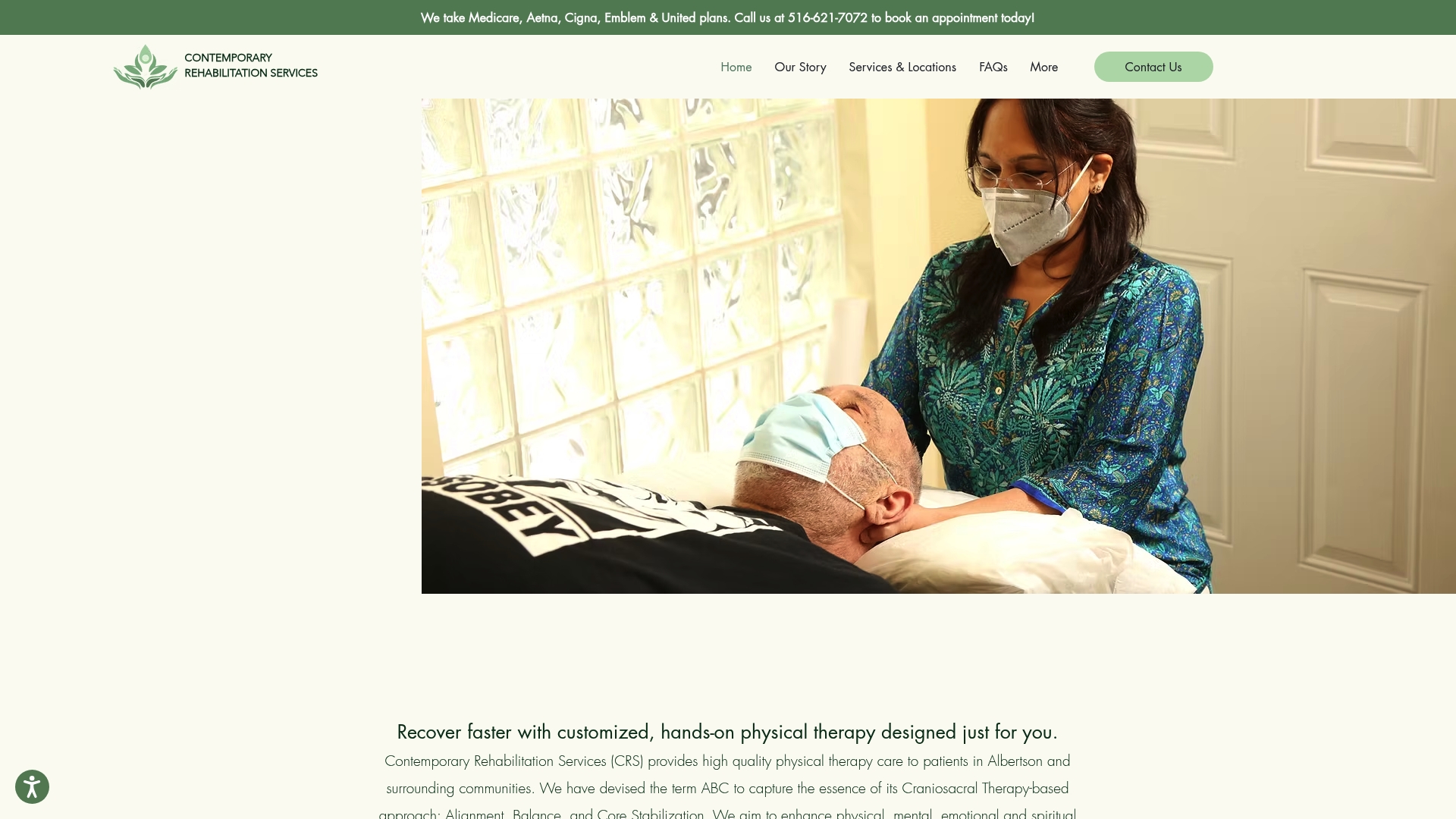
We see the same thing in many neurological patients: people are told what they can no longer do, and rarely given a plan for what they can work on. We believe a person with an coordination or movement disorder deserves one-on-one time with a therapist who watches how they move, asks what matters to them, and adapts the plan every few weeks. That is how we work. Our clinic is a boutique practice run by a mother-daughter team, so the person who evaluates you is the person who treats you. We blend hands-on manual therapy with neuromuscular re-education and individualized rehabilitation programs, and we use what we call our ABC Approach to keep each plan organized and practical. We do not promise that therapy will reverse a progressive condition, and no honest clinic should. What we do offer is careful assessment, skilled hands, steady coaching and a plan that fits your home, your schedule and your insurance. We think that combination is what keeps people moving, safe and more confident. CRS Wellness
Our perspective
Working with us in Albertson
We are a boutique physical therapy clinic in Albertson, NY, serving Queens and Nassau County, including nearby communities such as Mineola, Roslyn, Williston Park, Westbury and Carle Place. Our therapists provide individualized sessions in person and by telehealth, with manual therapy and neuromuscular re-education as part of the toolkit. We accept Medicare, Aetna, Cigna, Emblem and United Healthcare, and we also see patients on a cash basis.
When you are ready, book a physical therapy or telehealth session with us, or look at the full list of our hands-on services, including myofascial therapy, joint mobilization and craniosacral therapy. Please call or message us before your visit and we will tell you what to bring and how your insurance is handled.
If you also have a spinal injury or are recovering from another injury, our guides on the role of PT for spinal injuries and your rehabilitation checklist for injury recovery can help you prepare. For people whose walking problems come from Parkinson’s disease, see our page on Parkinson’s gait training.
Frequently asked questions
Can physical therapy cure ataxia?
No. Physical therapy cannot cure the underlying cause, especially in degenerative conditions. It can, however, improve function, reduce falls, address weakness and deconditioning, and help you stay active. Guidelines say that even with chronic or progressive cerebellar conditions, some functional improvement is possible with practice.
How often should I go?
There is no single answer. Guidelines favor early referral and consistent, often high-intensity training, so the plan usually pairs regular sessions with a home program. Your therapist will set the frequency after your evaluation and adjust it as you progress.
Is physical therapy for cerebellar ataxia different from other ataxias?
The core principles are shared: assess carefully, train balance, gait and coordination, build strength, and make daily life safer. Details differ with the cause, your level of function and whether the condition is stable or progressive. That is why we evaluate each person individually.
Can I do ataxia exercises at home without a therapist?
It is safer to have a therapist choose and check your exercises first. Home practice is valuable, but risks need to be assessed, and some activities should be supervised. Use a stable support, keep someone nearby, and stop when movement quality gets worse.
Does physical therapy help dystonia too?
It can be part of care, alongside treatments directed by a neurologist or movement disorder specialist. The approach differs from ataxia, focusing on posture, movement retraining, stretching and relaxation. Tell your therapist about any injections or medications so treatment can be coordinated.
Sources
Recommended
Comments