
Best Physical Therapy Alternatives to Consider in 2026
By Jeffrey Petersen, PT | Updated 2026
What are the best alternatives to capitalregionphysicaltherapy.com?
If you’re looking for physical therapy alternatives beyond a single clinic, you have more options than you might expect. The most effective choices include yoga, tai chi, chiropractic care, massage therapy, acupuncture, personal training, and guided online programs. Each takes a different approach to pain relief and recovery, and systematic reviews confirm that exercise, multidisciplinary rehabilitation, acupuncture, massage, and mind-body practices consistently improve both function and pain in chronic conditions.
Here is a quick overview of the main categories:
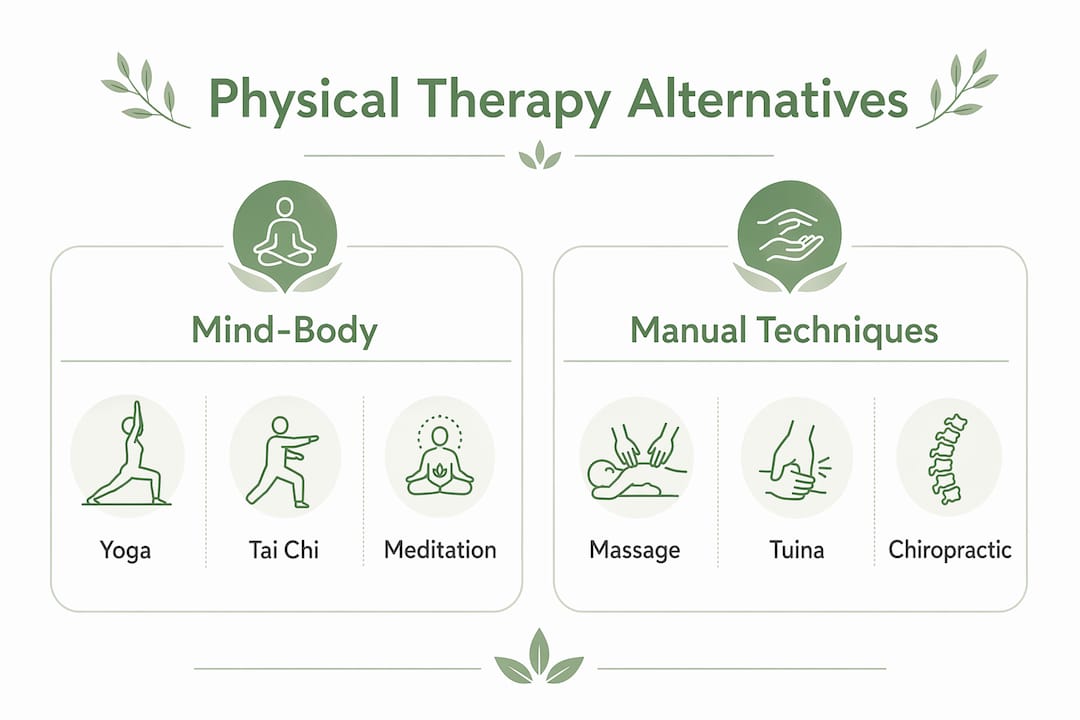
Yoga and tai chi: Gentle, movement-based practices that reduce chronic pain and improve balance
Chiropractic care: Spinal manipulation focused on joint alignment and short-term pain relief
Massage therapy: Soft tissue work that eases muscle tension and supports circulation
Acupuncture and dry needling: Needle-based techniques targeting pain pathways without medication
Personal training: Supervised exercise programs adapted for rehabilitation goals
Online and DIY programs: Self-guided therapy tools for patients with scheduling or access barriers
Hydrotherapy and chair exercises: Low-impact movement options for patients with limited mobility
One practical note: the name “Capital Region Physical Therapy” applies to more than one clinic in New York State. Before booking any appointment, confirm the exact location and contact details to avoid confusion or an unnecessary trip.

How each physical therapy alternative works
Understanding what each option actually does helps you match the right treatment to your situation. The therapies below differ in method, focus, and the conditions they address best.
Yoga: Combines controlled breathing, stretching, and posture work to reduce tension and build body awareness. Research shows yoga improves function and pain at both short and intermediate terms for chronic pain conditions. It suits patients managing low back pain, neck stiffness, or stress-related muscle tension.
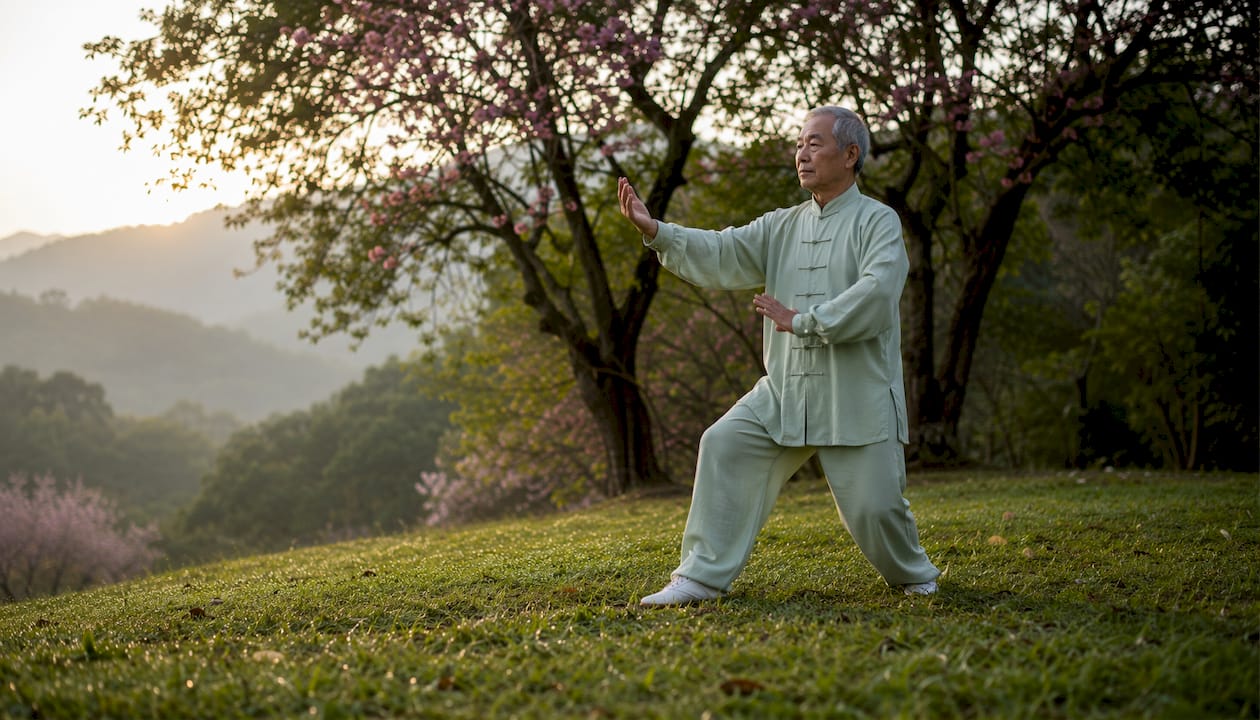
Tai chi: A slow, flowing movement practice that improves balance, coordination, and joint mobility. Studies show that tai chi outperforms exercise for function at short and intermediate terms in certain chronic pain populations. It is especially well-suited for older adults or anyone who cannot tolerate high-impact activity.
Chiropractic care: Focuses on spinal manipulation and joint adjustments to reduce pain quickly. The relief can be real, but it tends to be temporary. Chiropractic manipulation relief can be fleeting compared to the structural strengthening that physical therapy provides. For patients with recurring back or neck pain, chiropractic care works best as a complement to exercise-based treatment rather than a standalone solution. You can also explore how chiropractic care compares to physical therapy for specific joint and rib pain conditions.
Massage therapy: Targets soft tissue, muscle tension, and circulation. It can be an effective part of pain management, and physical therapists sometimes incorporate manual therapy techniques that share similarities with massage. The two are not identical, but both address tissue-level discomfort. Massage works well for muscle soreness, post-activity recovery, and stress-related pain.
Acupuncture and dry needling: Both use thin needles to stimulate specific points in the body. Acupuncture follows Traditional Chinese Medicine principles, while dry needling targets trigger points based on Western anatomy. Acupuncture improves function at short and intermediate terms for several chronic pain conditions. Neither requires medication, which makes them appealing for patients managing pain without opioids.
Tuina (Traditional Chinese massage): A manual therapy rooted in Traditional Chinese Medicine that uses rolling, kneading, and pulling techniques along specific points. A randomized clinical trial found that Tuina provides short-term pain relief comparable to physiotherapy for chronic low back pain, though physical therapy and combined treatment produced better long-term improvements in disability and quality of life. Tuina also addresses soft tissue injuries alongside acupuncture and mindfulness as part of a broader pain management plan.
Personal training: A certified trainer with rehabilitation experience can design exercise programs that rebuild strength, improve posture, and support recovery from injury. This option works well for patients who have completed formal physical therapy and want to maintain or build on their progress.
Online and DIY programs: Self-guided platforms and video-based programs offer structured exercise routines for patients with limited access to in-person care. These programs vary widely in quality, so look for ones developed or reviewed by licensed physical therapists.
Therapy | Primary focus | Best for | Evidence level |
Yoga | Flexibility, breathing, posture | Chronic pain, stress-related tension | Moderate (short and intermediate term) |
Tai chi | Balance, coordination, joint mobility | Older adults, low-impact needs | Moderate (short and intermediate term) |
Chiropractic care | Spinal alignment, joint adjustment | Acute back or neck pain | Short-term relief; limited long-term data |
Massage therapy | Soft tissue, circulation | Muscle soreness, recovery support | Moderate (short term) |
Acupuncture | Pain pathway stimulation | Chronic pain, headache, fibromyalgia | Moderate (short and intermediate term) |
Tuina | Manual meridian-based techniques | Chronic low back pain | Short-term comparable to PT; PT better long-term |
Personal training | Strength, conditioning | Post-PT maintenance, general rehab | Varies by program |
Online programs | Self-guided exercise | Access-limited patients | Varies by program quality |
When do alternatives make sense, and when is physical therapy the better choice?
The right answer depends on your condition, your goals, and how your body responds to treatment. Neither approach is universally better. What matters is matching the method to the situation.
Alternatives tend to work well when:
Your pain is mild to moderate and chronic rather than acute or post-surgical
You want to manage symptoms between formal treatment sessions
High-intensity exercise is not yet tolerable due to pain or mobility limits
You are looking for a sustainable long-term movement practice after completing physical therapy
You prefer a gentler, lower-impact approach such as tai chi or hydrotherapy
Physical therapy is usually the better choice when:
You are recovering from surgery or a significant injury
You have lost meaningful strength, range of motion, or functional ability
Your condition involves structural issues that require targeted biomechanical correction
Pain keeps returning despite trying alternatives on your own
You need a supervised, progressive program to rebuild stability around a joint
The VA’s guidance on chronic pain makes an important point: if you cannot tolerate high-intensity physical therapy, that is not failure. It simply means your body needs a modified approach, such as water-based exercise or tai chi, to build tolerance gradually. The goal is always to find movement that works for you, not to push through pain that signals harm.
Combining approaches often produces the best outcomes. A clinical trial comparing Tuina and physiotherapy found that the combined group showed greater quality-of-life improvements at five months than either treatment alone. Physical therapy for structural recovery, paired with yoga, tai chi, or massage for ongoing symptom management, gives you both the clinical foundation and the lifestyle practice to sustain it.
How to choose the right treatment for your situation
Choosing between physical therapy and its alternatives is not a one-size-fits-all decision. Several factors shape which option will actually help you recover and stay well.
Your diagnosis and severity: A herniated disc or post-surgical knee requires a different approach than mild chronic tension in your shoulders. The more structural or acute the problem, the more you need a licensed physical therapist directing your care.
Provider credentials: Physical therapists have advanced training and are licensed to evaluate and treat movement disorders. Chiropractors, acupuncturists, and massage therapists each have their own licensing requirements and scope of practice. Ask about credentials before starting any treatment.
Insurance coverage and cost: Physical therapy is covered by Medicare, Aetna, Cigna, Emblem, and United Healthcare plans at many clinics. Acupuncture coverage has expanded under Medicare in recent years, but massage therapy and personal training are often out-of-pocket expenses. Confirm your benefits before committing to a plan.
Location and access: Proximity matters for consistency. A treatment you can reach easily is one you will actually stick with. If travel is a barrier, online programs or home exercise plans supervised by a physical therapist may be a practical starting point.
Evidence and risk: Not all alternatives carry the same level of research support. Yoga, tai chi, acupuncture, and massage have moderate evidence behind them for specific chronic pain conditions. Some approaches, particularly those marketed with bold claims and no clinical backing, carry real risks. Ask your provider what the evidence says for your specific condition.
Your personal tolerance and preferences: If you find a movement practice enjoyable, you are far more likely to keep doing it. Sustainability matters as much as short-term effectiveness.
Pro Tip: Before starting any alternative therapy, share your full diagnosis and treatment history with both your physical therapist and the alternative provider. A coordinated plan, where both practitioners know what the other is doing, produces better outcomes than two separate tracks running in parallel.
If you are managing chronic neck or back pain and weighing your options, a licensed physical therapist can help you build a plan that integrates the most appropriate combination of treatments for your specific condition.
What the evidence and experts say about combining therapies
The research on physical therapy alternatives is clearer than it used to be, and the picture it paints is nuanced. No single modality works for everyone, but several have earned genuine clinical support.
A systematic review update confirms that exercise, multidisciplinary rehabilitation, acupuncture, cognitive-behavioral therapy, mindfulness, and massage most consistently improve function and pain beyond the course of therapy for specific chronic pain conditions.
The CDC’s guidance on nonopioid pain management reinforces this: complementary therapies like yoga, tai chi, and Tuina offer real pain management benefits, but they differ fundamentally from physical therapy in focus and method. Yoga and tai chi address the whole body through movement and breath. Physical therapy targets specific mechanical deficits with a structured, progressive plan. Both have value, and they address different parts of the recovery picture.
Medications are part of this conversation too. Pain medications can mask symptoms, but they do not address the underlying mechanical issue. Experts recommend pairing any pharmacologic treatment with active therapies like physical therapy exercises for the best outcomes. Medication that reduces pain enough to allow you to move and exercise is useful. Medication as a substitute for movement is not.
Key recommendations from clinical evidence and expert practice:
Use exercise and movement-based therapies as the foundation of any long-term pain management plan
Add complementary therapies like acupuncture or massage to address specific symptoms or improve adherence
Reserve surgery for cases where conservative care has genuinely failed
Tailor the intensity and type of movement to what the patient can actually tolerate and sustain
Reassess regularly, because what works at two months may need to change at five
The role of physical therapy in chronic disease management goes well beyond acute injury recovery. For patients managing conditions like arthritis, fibromyalgia, or chronic low back pain, a physical therapist can serve as the coordinator of a broader treatment plan that includes complementary therapies.
Contemporaryrehabservices, based in Albertson, NY and serving Queens and Nassau County, works with patients across this full spectrum. The clinic accepts Medicare, Aetna, Cigna, Emblem, and United Healthcare plans, and its therapists are trained to integrate manual therapy techniques alongside exercise-based rehabilitation. If you are weighing your options and want a personalized assessment, reaching out to a licensed physical therapist is the most reliable first step.
Ready to explore your options in Nassau County or Queens?
Contemporaryrehabservices offers one-on-one physical therapy at its Albertson, NY clinic, with coverage through Medicare, Aetna, Cigna, Emblem, and United Healthcare. Whether you need hands-on rehabilitation, guidance on integrating complementary therapies, or a gentle program suited to your current tolerance, the team can build a plan around your specific goals.
Serving patients across Nassau County and Queens, including Roslyn Heights, Roslyn Harbor, and surrounding communities. Visit the services overview to learn more or schedule a consultation.
Key Takeaways
Physical therapy alternatives work best when matched to your specific condition, tolerance, and goals, and they often produce the strongest outcomes when combined with professional physical therapy.
Point | Details |
Evidence supports multiple modalities | Exercise, acupuncture, massage, yoga, and multidisciplinary rehab consistently improve function and pain in chronic conditions. |
Chiropractic relief is often short-term | Spinal manipulation reduces pain quickly but lacks the structural strengthening that physical therapy provides for lasting results. |
Combined therapy improves quality of life | A clinical trial found that combining Tuina and physiotherapy produced greater quality-of-life gains at five months than either treatment alone. |
Intolerance to PT is not failure | Patients who cannot handle high-intensity therapy should explore gentler options like tai chi, hydrotherapy, or chair exercises. |
Credentials and insurance vary by provider | Physical therapy is covered by Medicare and major insurers; massage and personal training are often out-of-pocket expenses. |
Recommended
Comments