
Get Craniosacral Therapy Covered by U.S. Insurance: Bill Under CPT 97140

Most health insurance plans and Medicare do not cover craniosacral therapy as a standalone treatment. Major carriers like UnitedHealthcare classify it as investigational, and Medicare treats it as non-covered skilled therapy when billed on its own. Narrow exceptions exist through workers’ compensation, careful medical billing, and HSA or FSA reimbursement. The rest of this guide walks through why insurers say no, how billing codes change the outcome, and what you can do before your next appointment.
TL;DR:
Most insurance plans classify craniosacral therapy as investigational and do not cover it unless billed under recognized manual therapy or osteopathic codes.
Claim approval depends heavily on correct billing codes, provider credentials, and documentation proving medical necessity, especially for insurance-based reimbursement.
Coverage through health savings accounts or flexible spending accounts is possible when treatment is linked to a diagnosed condition with proper medical necessity documentation.
Filing appeals within plan deadlines and saving all denial correspondence can improve chances of reimbursement or approval on second review.
Standalone craniosacral therapy sessions by non-licensed providers rarely qualify for insurance reimbursement, making licensed physical therapists and osteopathic physicians the best options.
Table of Contents
Why Most Insurers and Medicare Exclude Craniosacral Therapy
Insurers deny craniosacral therapy claims almost automatically, and the reasoning is written directly into their policy manuals. UnitedHealthcare’s manipulative therapy policy lists craniosacral techniques among treatments it considers unproven for the conditions patients typically seek it for, from migraines to chronic pain. Geisinger’s coverage policy uses nearly identical language, excluding the therapy outright as investigational. Medica’s policy goes a step further, calling it investigative and specifying that standard coding won’t override the exclusion.
These aren’t arbitrary decisions. Insurers base medical necessity determinations on peer-reviewed clinical trials with measurable outcomes, and craniosacral therapy hasn’t produced the volume or quality of evidence that gets other manual therapies onto covered lists.
That evidence gap matters even more for Medicare beneficiaries, since Medicare and many state Medicaid programs generally follow the same standard and treat standalone craniosacral therapy as non-covered.
A few phrases show up across nearly every denial letter:
“Investigational” or “experimental,” meaning the treatment lacks sufficient clinical trial support
“Not medically necessary,” meaning the insurer doesn’t see objective proof it treats your specific diagnosis
“Unproven,” the term Geisinger and Medica both use in their formal exclusions
Pro Tip: If you see any of these three terms on a denial letter, don’t assume the conversation is over. The billing code your provider used, not the treatment name itself, often determines the real outcome.
When Coverage Can Actually Happen: Billing Paths That Work
Coverage rarely happens because an insurer changes its mind about craniosacral therapy. It happens because the claim gets coded and framed as something the plan already covers.
The most common workaround is billing under CPT 97140, the code for manual therapy techniques, which covers mobilization and manipulation performed by a licensed physical therapist as part of a broader treatment plan. When a licensed PT incorporates craniosacral technique within a session addressing a diagnosed condition like tension headaches or cervical strain, that portion of care sometimes rides through on codes the plan already recognizes. Osteopathic physicians have a similar option: cranial technique performed by a DO can be billed under osteopathic manipulative treatment (OMT) codes, which carry a stronger track record with payers than any standalone alternative therapy code. CPT 97139, the unlisted therapeutic procedure code, occasionally appears on claims but usually triggers manual review and requires extensive documentation to get paid.
The provider’s credential changes the odds substantially:
A licensed physical therapist billing manual therapy within a covered plan of care has the best shot at partial reimbursement
A DO billing cranial technique under OMT codes benefits from decades of payer familiarity with osteopathic billing
A massage therapist or non-licensed craniosacral practitioner billing standalone sessions almost never gets paid by a major medical plan
Workers’ compensation and personal injury protection (PIP) claims follow different rules entirely, since these programs often approve manual therapy, including craniosacral technique, when it’s part of documented injury recovery tied to a workplace incident or auto accident. If your case falls under either category, that path is worth raising with your case manager before you assume standard health insurance is your only option.
How to Maximize Your Chance of Reimbursement
A denial isn’t necessarily the end of the process. Insurers reverse initial decisions more often than most patients realize, but only when the paperwork supports the appeal.
Get a diagnosis code and referral first. A physician’s referral tying your symptoms to a billable diagnosis (migraine, cervical strain, TMJ dysfunction) gives the claim a medical foundation before treatment even starts.
Confirm prior authorization rules with your plan. Some HMO and EPO plans deny automatically without prior authorization on file, regardless of how the claim is coded.
Request a Letter of Medical Necessity from your provider. This should document objective findings, not just subjective complaint, and connect the treatment plan to your diagnosis.
Ask for a superbill after every session. This itemized receipt lists CPT codes, diagnosis codes, and provider credentials, which you’ll need for both insurance appeals and HSA/FSA claims.
Have your provider bill under covered manual therapy or OMT codes when clinically appropriate, rather than as a standalone alternative therapy line item.
File appeals within your plan’s deadline, typically 180 days, and attach the Letter of Medical Necessity along with any peer-reviewed literature your provider can point to.
Pro Tip: Save every denial letter. Plans sometimes approve on the second appeal using nothing but the original documentation plus a physician statement clarifying medical necessity.
What a Session Costs and How Tax-Advantaged Accounts Help
Out-of-pocket craniosacral therapy session costs vary by region, provider licensure, and session context, often falling within a moderate price range for manual therapy sessions.
Health Savings Accounts and Flexible Spending Accounts offer the most realistic path to partial cost recovery for most patients. FSA Store’s eligibility guidance confirms craniosacral therapy qualifies for HSA or FSA reimbursement when it treats a diagnosed medical condition and comes with a Letter of Medical Necessity. Limited-purpose FSAs, which restrict spending to dental and vision, don’t qualify at all, so check your specific account type first.
Submit your superbill directly to your HSA or FSA administrator along with the LMN
Expect the administrator to follow IRS Publication 502 standards when reviewing your claim
Reimbursement typically covers the full session cost when documentation is complete, since HSA/FSA approval isn’t tied to the same “investigational” standard your health plan uses
A partner guide on HSA and FSA eligibility for wellness devices walks through similar documentation requirements if you’re weighing other manual therapy tools alongside in-clinic sessions.
Questions to Ask Before You Book a Session
A five-minute phone call before your first appointment saves weeks of billing confusion later.
Ask your provider: Are you a licensed physical therapist, DO, or chiropractor, and which CPT codes will you use for billing?
Ask your provider: Can you supply a superbill and a Letter of Medical Necessity if I need one for insurance or my HSA?
Ask your insurer: Does my plan cover the specific CPT code my provider bills under, and does my plan type (HMO, PPO, or EPO) require prior authorization or a referral?
Ask your insurer: What’s my out-of-network reimbursement rate, and what are the exact steps and deadline for filing an appeal?
Keep records: Save every email, the name of each representative you speak with, and every reference number from calls to your insurer.
What CRS Wellness Has Learned Helping Patients Navigate This
Insurance coverage for craniosacral therapy is inconsistent by design, not by accident, and we’ve built our billing process around that reality rather than fighting it. CRS Wellness works within Medicare, Aetna, Cigna, Emblem, and United Healthcare plans, and our clinicians document medical necessity the way payers actually expect: objective findings, diagnosis-linked treatment plans, and physician referrals when a claim needs that extra weight behind it.
When a patient’s plan won’t cover craniosacral technique directly, we generate the superbills and documentation needed for HSA, FSA, or appeal submissions instead of leaving that burden entirely on the patient.
— CRS Wellness
Get Documented Manual Therapy Care With Insurance Support
A licensed physical therapy clinic that bills major insurance plans may increase the chance of partial reimbursement versus standalone craniosacral practitioners, who often face automatic denials.
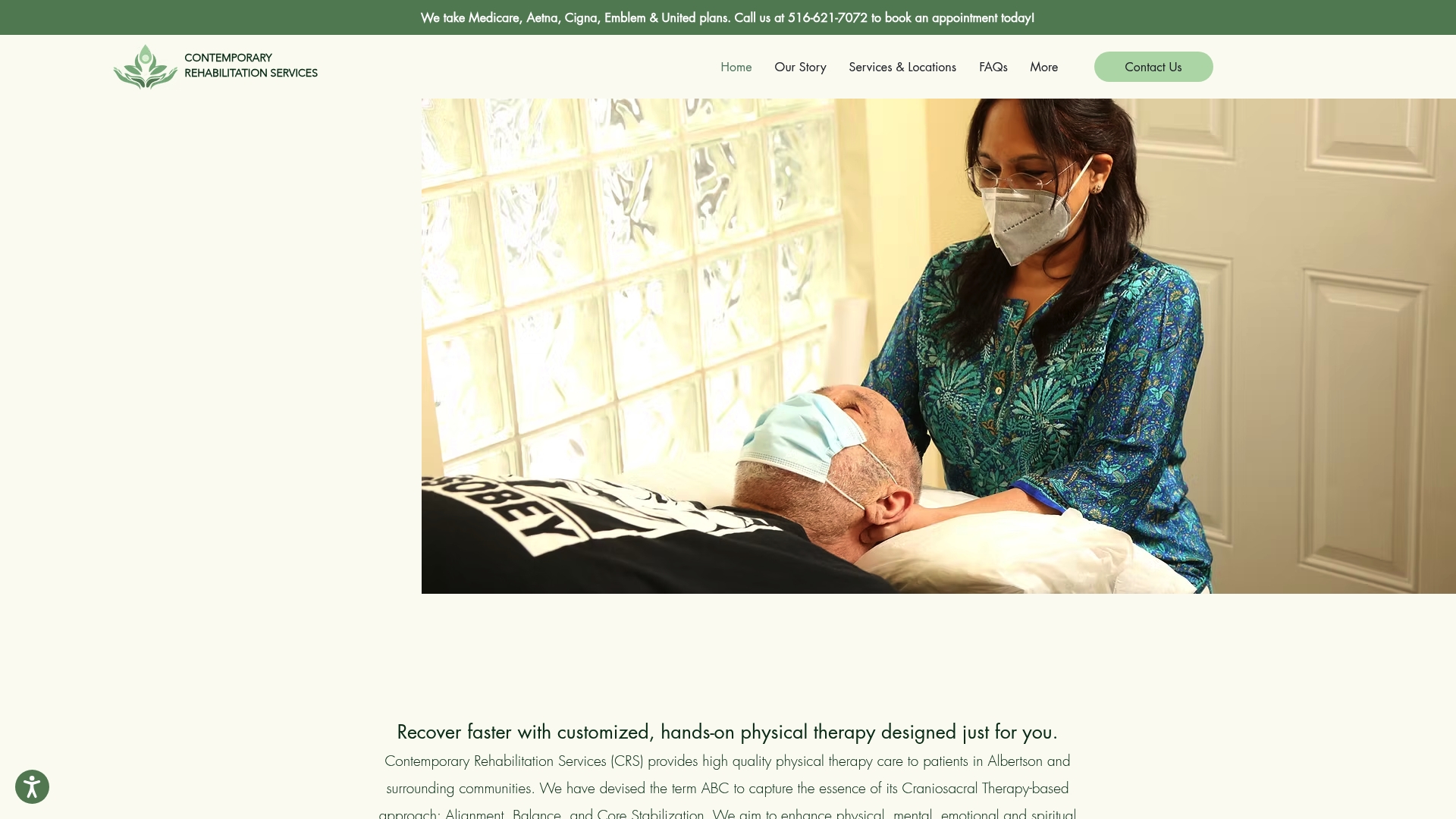
The team can assist with paperwork such as diagnosis-linked treatment plans, superbills for HSA or FSA reimbursement, and Letters of Medical Necessity based on objective clinical findings. If you’re in Nassau County or Queens and want to learn more about the therapy itself before booking, our in-depth explainer on craniosacral therapy covers what a session actually involves. Patients closer to Albertson can review our local craniosacral therapy services or head straight to our Albertson location page to check availability and book your first visit.
Primary Sources for Verifying Insurer Policy Language
This article is general information, not a substitute for advice from a qualified doctor. Consult a qualified healthcare professional about your own circumstances before acting on anything here.
Sources
Recommended
Comments