
How Craniosacral Therapy Helps Reduce Stress and Anxiety

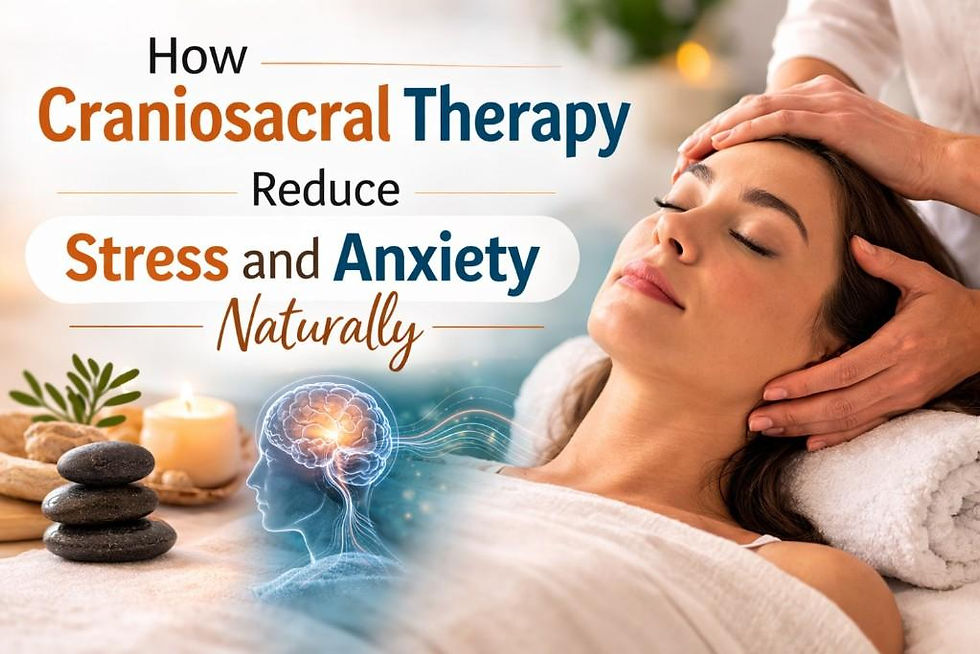
Stress and anxiety are common challenges that many people face today. Work pressure, family responsibilities, financial concerns, and a busy lifestyle can all contribute to emotional and physical tension. When stress continues for long periods, it can affect sleep, mood, focus, and overall health.
Many individuals are now exploring natural methods to support relaxation and emotional balance. One approach that has gained attention is craniosacral therapy. Many practitioners believe Craniosacral Therapy Reduce Stress by helping the body relax and by supporting the nervous system.
Craniosacral therapy is a gentle hands-on technique that focuses on the head, spine, and the tissues surrounding the nervous system. The therapy works by releasing tension in the body and supporting the natural movement of fluids around the brain and spinal cord.
This article explains how craniosacral therapy works, how it may help people manage stress and anxiety, and why many individuals include it as part of their overall wellness routine.
Understanding Stress and Anxiety
Stress is the body’s natural reaction to pressure or challenges. In small amounts, stress can be helpful because it keeps people alert and focused. However, when stress becomes constant, it may lead to anxiety and physical discomfort.
When the body experiences stress, it activates the “fight or flight” response. This response releases stress hormones that prepare the body to react quickly. Heart rate increases, muscles tighten, and breathing becomes faster.
While this response is useful in dangerous situations, long-term stress keeps the body in a constant state of tension. Over time, this may lead to symptoms such as:
Headaches
Muscle tightness
Fatigue
Sleep problems
Difficulty concentrating
Digestive issues
Because these symptoms affect both body and mind, many people look for therapies that support relaxation and recovery. One method that is often discussed is craniosacral therapy for stress relief.
What Is Craniosacral Therapy?
Craniosacral therapy is a gentle manual therapy that focuses on the craniosacral system. This system includes the brain, spinal cord, and the cerebrospinal fluid that surrounds them.
Therapists use light touch to examine the movement of this system and to identify areas of tension or restriction. The pressure used during therapy is very gentle and usually does not cause discomfort.
The goal is to release tension in the tissues and allow the body to function more smoothly. When the nervous system becomes more relaxed, many practitioners believe Craniosacral Therapy Reduce Stress and encourage a deeper sense of calm.
People who receive craniosacral therapy often report feeling relaxed and mentally clear after sessions.
Ways Craniosacral Therapy Help Reduce Stress and Anxiety
Stress can affect many parts of the body, including muscles, sleep patterns, digestion, and emotional health. Craniosacral therapy is often used as a natural stress relief therapy because it focuses on calming the nervous system and releasing deep tension in the body.
Through gentle hands-on techniques, this therapy supports relaxation and helps restore mind-body balance.
Below are several ways Craniosacral Therapy reduces stress and anxiety.
Reduces Chronic Pain
Ongoing pain can make everyday life difficult and can also increase emotional stress. When pain continues for a long time, the body remains tense and the nervous system stays in a constant alert state.
Craniosacral therapy works as a manual therapy for stress by gently releasing restrictions in the tissues surrounding the spine and nervous system. As pressure on sensitive areas decreases, many people experience reduced discomfort. When chronic pain becomes easier to manage, the body naturally enters a more relaxed state.
Reduces Chronic Fatigue
Chronic fatigue often develops when the body does not have enough time to recover from stress. Long-term exhaustion can affect concentration, productivity, and overall quality of life.
Craniosacral therapy encourages nervous system relaxation, allowing the body to move away from constant tension. When the body enters a deeper state of rest, it can support better energy balance. Some individuals feel lighter and more refreshed after sessions, which may help them manage daily activities with greater ease.
Decreases Anxiety
Anxiety is often linked to an overactive stress response in the body. When the nervous system remains alert for long periods, people may feel restless or overwhelmed.
Craniosacral therapy is sometimes described as a gentle therapy for anxiety because it promotes a calm environment where the body can slow down. By supporting relaxation and reducing nervous system tension, this approach may help individuals feel more grounded and emotionally stable.
Lessens Symptoms Associated with PTSD
People who have experienced traumatic events may carry physical and emotional tension long after the event has passed. This tension can affect how the body responds to stress. Craniosacral therapy supports holistic stress management by providing a calm and supportive treatment environment.
Gentle techniques allow the body to release stored tension gradually, which may help reduce some symptoms related to trauma and improve emotional balance over time.
Decreases Muscle Tension
Stress often causes muscles to tighten, especially in the neck, shoulders, and upper back. When this tension continues, it can lead to stiffness and discomfort. Craniosacral therapy focuses on relaxing these tight areas through slow and gentle touch.
As the body releases built-up tension, muscles may begin to feel softer and more flexible. This relaxation therapy can help people feel physically lighter and more comfortable.
Improves Quality of Sleep
Sleep plays a major role in stress recovery. However, many people find it difficult to sleep well when they are under constant pressure. Craniosacral therapy helps calm the nervous system, which can make it easier for the body to relax before bedtime.
As relaxation increases, people may find it easier to fall asleep and stay asleep throughout the night. Better sleep helps the body restore energy and cope with daily stress more effectively.
Reduces Sleep Apnea
Sleep apnea occurs when breathing repeatedly stops during sleep. In some cases, tension in the neck and surrounding tissues may contribute to restricted breathing. Craniosacral therapy helps release tight tissues around the head, neck, and airway.
By encouraging natural relaxation in these areas, breathing patterns may improve during sleep. This improvement may support deeper and more comfortable rest.
Reduces Migraines and Headaches
Stress-related headaches and migraines are common among people who experience long periods of tension. Craniosacral therapy works directly with the cranial bones, neck, and surrounding tissues.
By releasing restrictions in these areas, the therapy may help reduce pressure around the head. Some individuals notice fewer headaches and a decrease in migraine intensity as tension is gradually released.
Assists with Balance Difficulties
Balance relies on coordination between the brain, inner ear, and nervous system. When tension affects the head and spine, this communication may become less effective.
Craniosacral therapy supports healthy function in the craniosacral system, which surrounds the brain and spinal cord. As this system becomes more balanced, some people may notice improvements in coordination and stability.
Reduces Agitation Among Older Adults with Dementia
Older adults with dementia may experience restlessness, agitation, or confusion. Gentle therapies that promote relaxation can help create a more peaceful environment. Craniosacral therapy uses soft, calming touch that many older adults find comforting.
This relaxation-based approach may help reduce agitation and support a sense of calm for individuals living with dementia.
Reduces Symptoms of Digestive Problems
The digestive system is closely connected to the nervous system. When the body is under stress, digestion may slow down or become uncomfortable. Conditions such as indigestion, irritable bowel syndrome, acid reflux, and GERD may become more noticeable during stressful periods.
Craniosacral therapy supports nervous system relaxation, which helps the body move into a more balanced state. As the body relaxes, digestive processes may function more smoothly.
Benefits of Craniosacral Therapy for Stress and Anxiety
Many people include craniosacral therapy in their wellness routine because of its potential benefits. These may include:
Reduced muscle tension
Improved relaxation
Better sleep quality
Reduced anxiety symptoms
Improved focus and mental clarity
Increased sense of calm
Because the therapy focuses on the nervous system, these benefits may continue even after sessions end.
Who May Benefit from Craniosacral Therapy
Craniosacral therapy may be helpful for individuals who experience ongoing stress or anxiety.
People who often benefit from this therapy include:
Individuals with demanding jobs
People who experience frequent headaches
Those with sleep problems
Individuals dealing with emotional stress
People who spend long hours sitting or working on computers
Therapies that support relaxation can help the body recover from daily tension and maintain better balance.
Conclusion
Stress and anxiety can affect both mental and physical health. When the body stays under constant pressure, it becomes harder to relax and recover.
Craniosacral therapy offers a gentle approach that focuses on calming the nervous system and releasing tension in the body. By supporting natural relaxation processes, Craniosacral Therapy Reduce Stress and help individuals feel more balanced and comfortable.
If you are looking for professional care, we at Contemporary Rehabilitation Services provides specialized therapy services in New York, including craniosacral therapy, to help individuals manage stress, improve relaxation, and support overall well-being. With the right guidance and regular sessions, this therapy can be a helpful step toward better stress management and a healthier lifestyle.
Comments