
Recover from Injury: Your Complete Rehabilitation Guide

Recovery from injury follows a clear, proven path: immediate damage control with the PRICE protocol, followed by phased rehabilitation that rebuilds strength and confidence. The process works best when you treat physical and mental healing as equally important. Here is what that looks like in practice.
Key steps at a glance:
Protect the injured area from further harm right away
Rest initially, but shift to controlled movement within days, not weeks, since excessive rest risks turning acute pain into chronic pain
Ice the area for 15–20 minutes every 2–3 hours, always with a cloth barrier between ice and skin
Compress with a bandage to reduce swelling during the day
Elevate the injured limb above heart level whenever possible
Progress through four rehabilitation phases: acute protection, foundational movement, strength building, and return to full activity
Address fear, frustration, and anxiety alongside physical symptoms
Support healing with adequate protein, hydration, and anti-inflammatory foods
Set realistic goals and track small wins to stay motivated
Most minor sprains and strains start improving within two weeks, but you should avoid strenuous activity for up to eight weeks to prevent re-injury.
How to recover from injury: immediate care that actually works
The first few days after an injury set the tone for everything that follows. Getting this window right reduces swelling, controls pain, and protects tissue from additional damage.
The PRICE protocol from Mayo Clinic remains the gold standard for acute soft tissue injuries:
Protection: Use a brace, splint, or supportive footwear to shield the area from stress
Rest: Limit weight-bearing and activity, but avoid complete immobilization beyond the first day or two
Ice: Apply for 15–20 minutes every 2–3 hours; wrap the pack in a towel to protect your skin
Compression: A firm elastic bandage reduces fluid buildup; loosen it if you feel numbness or tingling
Elevation: Prop the limb on a pillow above heart level to drain excess fluid
Beyond PRICE, avoid heat, alcohol, and massage during the first 48 hours. Heat and alcohol both increase blood flow to the area, which worsens swelling rather than relieving it.
Pain medication deserves careful thought. Anti-inflammatory drugs like ibuprofen may actually blunt the inflammation your body needs to begin repair if used heavily in the first days. Acetaminophen (paracetamol) is a safer starting point for pain relief. Use the lowest effective dose, and treat pain as a signal, not just a problem to silence.
Pro Tip: Start gentle range-of-motion movements as soon as you can do so without sharp pain. Moving the joint through a pain-free range, even slightly, stimulates circulation and prevents stiffness from setting in.
Mental recovery strategies that support physical healing
Fear of re-injury, frustration with slow progress, and anxiety about returning to activity are all normal responses to being hurt. Left unaddressed, they can slow physical recovery and increase the risk of chronic pain.
Goal setting and optimism are two of the most evidence-backed psychological tools for injury recovery. Sports psychologists at Henry Ford Health recommend framing recovery as a series of small, achievable milestones rather than one distant finish line. That shift in perspective keeps motivation alive during the hardest weeks.
Practical mental strategies that work:
Set specific short-term goals: “Walk to the mailbox without limping” beats “get better soon” every time
Use visualization: Picture yourself moving freely and confidently; athletes use this technique to maintain motor patterns even when they cannot train physically
Accept pain as part of the process: Pain does not always mean damage; learning to distinguish normal recovery discomfort from warning pain reduces unnecessary fear
Stay as active as safely possible: Regular movement reduces anxiety and depression, which in turn supports physical healing
Use mindfulness or distraction: Focused breathing, guided meditation apps, or simply engaging in a hobby redirects attention away from pain without suppressing it
Talking to a sports psychologist or counselor is not a last resort. If fear of movement is stopping you from completing your rehab exercises, professional psychological support can break that cycle faster than willpower alone.
A phased rehabilitation framework for safe return to activity
Structured injury rehabilitation moves through four distinct phases, each building on the last. Skipping ahead is one of the most common reasons people re-injure themselves within months of returning to sport or work.
Phase 1: Acute protection
The goal here is to reduce pain and swelling while protecting the tissue. You might use crutches, a sling, or a brace. Gentle, pain-free movement is introduced early to prevent stiffness and maintain circulation. This phase typically lasts days to a couple of weeks depending on injury severity.
Phase 2: Foundational movement
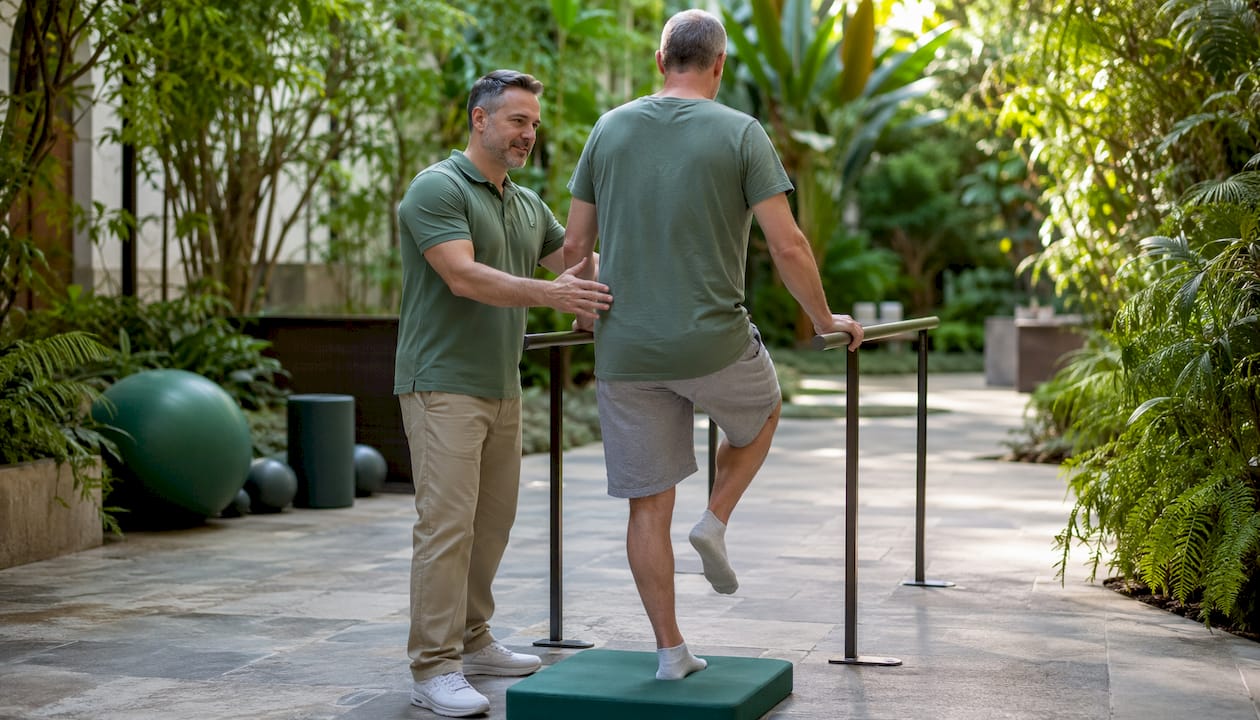
Once acute inflammation settles, the focus shifts to restoring basic movement patterns, balance, and coordination. Exercises at this stage are low-load and controlled. Think gentle walking, bodyweight squats, or shoulder circles, depending on the injury. A rehabilitation checklist can help you track progress through this phase systematically.
Phase 3: Strength building
This is where most people stall. Building muscle capacity around the injured area protects it from future stress, but it also requires confronting fear of movement. Psychological readiness matters as much as physical capacity here. Resistance exercises, progressive loading, and sport-specific drills are introduced gradually, guided by pain response rather than a fixed calendar.
Phase 4: Return to activity
The final phase focuses on restoring confidence and performance under real conditions. For athletes, this means sport-specific drills at increasing intensity. For others, it means returning to work tasks, lifting, or recreational activities without compensating or guarding. A physical therapist can help you build a post-injury training plan that makes this transition safe and sustainable.

Pro Tip: Work with your physical therapist to set load and progression criteria based on how your body responds, not just how many weeks have passed. Function and pain tolerance are better guides than a calendar.
Recovery guided by function rather than time produces better outcomes. Personalized plans from a licensed physical therapist account for your specific injury, fitness baseline, and daily demands in ways that generic timelines simply cannot. Learning about how physical therapy accelerates recovery can help you understand what to expect from each phase.
When should you seek medical help during recovery?
Self-care handles most minor injuries well, but certain symptoms signal that professional evaluation is needed right away. Delaying assessment in these cases can turn a manageable injury into a long-term problem.
Seek urgent medical attention if you notice any of the following:
Severe or worsening pain that does not respond to rest and basic care
Inability to bear weight or take more than a few steps
Large or increasing swelling and bruising beyond the first 24 hours
Visible deformity of the joint or limb
Numbness, tingling, or weakness in the injured area or beyond it
Fever, chills, or feeling hot and shivery, which may indicate infection
No improvement after treating yourself for several days
The NHS guidance on sprains and strains is clear: prompt assessment prevents complications and rules out fractures or ligament tears that require different treatment entirely. If something feels wrong beyond ordinary soreness, trust that instinct and get it checked.
Severe sprains and complex injuries can take months to heal fully. A healthcare provider can confirm the diagnosis, rule out fractures with imaging, and refer you to physiotherapy when needed.
Key Takeaways
Recovering from injury requires immediate damage control, phased rehabilitation, and consistent attention to both physical and mental health throughout the process.
Point | Details |
Start with PRICE | Apply Protection, Rest, Ice, Compression, and Elevation within the first 48 hours to control swelling and pain. |
Move early, move carefully | Excessive rest risks chronic pain; begin gentle, pain-free movement as soon as possible after the acute phase. |
Follow four rehab phases | Progress through acute protection, foundational movement, strength building, and return to activity in order. |
Address mental recovery | Goal setting, visualization, and staying active safely all reduce anxiety and improve physical outcomes. |
Know when to get help | Seek medical attention for severe pain, inability to bear weight, visible deformity, numbness, or signs of infection. |
Ready to recover with expert support?
If you are working through an injury and want a personalized plan from a licensed physical therapist, Contemporaryrehabservices is here to help. The clinic serves residents across Nassau County and Queens, NY, accepting Medicare, Aetna, Cigna, Emblem, and United Healthcare plans.
Whether you are in Russell Gardens, Great Neck Plaza, or anywhere nearby, the team at Contemporaryrehabservices can guide you through every phase of recovery, from acute care to full return to activity. Reach out today to schedule your first appointment.
Recommended
Comments