
Step-by-Step Craniosacral Therapy Guide for Pain Relief
- tjdontplay
- Apr 23
- 10 min read
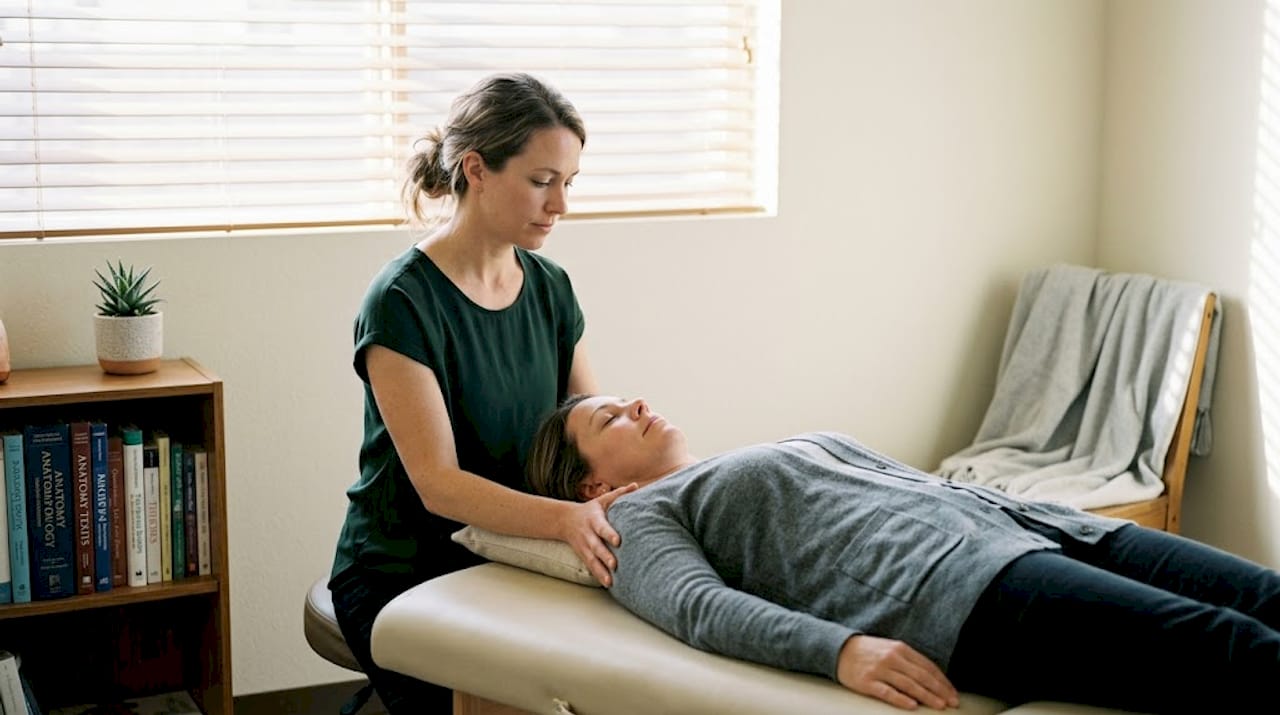
Picture this: you’ve been dealing with persistent neck pain, tension headaches, or that low-grade stress that just won’t quit. You’ve tried stretching, over-the-counter pain relievers, and maybe even a massage or two. Nothing sticks. That’s where craniosacral therapy (CST) comes in. It’s a gentle, hands-on approach that works with your body’s natural rhythms to ease pain and support overall wellness. This guide walks you through every step of the process, from understanding what CST actually is, to preparing for your first session, to tracking your results over time. Whether you’re in Queens or Nassau County, you’ll finish this article knowing exactly what to expect.
Table of Contents
Key Takeaways
Point | Details |
Gentle, structured therapy | Craniosacral therapy uses light touch to help relieve pain and support wellness. |
Evidence supports pain relief | RCTs show moderate benefit for headaches and chronic pain, especially as a complementary tool. |
Preparation boosts results | Arriving prepared and communicating openly with your therapist enhances session benefits. |
Progress varies by person | Some notice immediate relief while others see subtle changes over time. |
Understanding craniosacral therapy: Basics and benefits
Now that you know we’ll cover a step-by-step way to experience CST, let’s explore what the therapy actually involves and why people choose it.
Craniosacral therapy is a form of gentle, hands-on bodywork. A trained therapist uses light touch, typically no more than the weight of a nickel, to assess and release restrictions in the membranes and fluid surrounding your brain and spinal cord. The goal is to improve the movement of cerebrospinal fluid and reduce tension throughout your nervous system. If you want a deeper look at what craniosacral therapy is, that resource covers the full picture.
People seek out CST for a wide range of reasons. The most common include:
Chronic headaches and migraines, including cervicogenic headache (CGH) and tension-type headache (TTH)
Low back and neck pain that hasn’t responded well to other treatments
Stress and anxiety, especially when physical tension is part of the picture
TMJ disorder, which involves jaw pain and tightness around the temporomandibular joint
Post-concussion symptoms and general fatigue
Research backs up some of these uses. Headache frequency and intensity show meaningful reductions in randomized controlled trials (RCTs) for both CGH and TTH, and there is moderate evidence supporting CST for chronic non-oncologic pain, including low back and neck pain. Many people in Nassau County and Queens who have tried CST report feeling more relaxed, sleeping better, and experiencing fewer pain flare-ups.
That said, it’s important to be honest about the limitations. Some systematic reviews find heterogeneous or insufficient evidence, noting that positive results compared to placebo are not always statistically significant and calling for more rigorous trials. CST is not a miracle cure, and it works best as part of a broader care plan.
“Craniosacral therapy is most effective when patients approach it with realistic expectations and use it alongside other evidence-based treatments, not as a replacement for them.”
Think of CST as a complementary tool. It pairs well with physical therapy, exercise, and stress management strategies. If you’re curious about craniosacral therapy for stress, that’s a strong use case with growing support. The key takeaway here is that CST offers real potential, especially for headaches, back pain, and stress-related conditions, but it works best when you go in with clear goals and an open mind.
What you’ll need: Preparing for a craniosacral session
Once you understand the core benefits and limits of CST, it’s time to prepare for your session to get the most from every visit.
Good preparation makes a real difference. Knowing what to bring, how to dress, and what questions to ask helps you feel confident walking in the door. Here’s a quick overview of what a first session typically involves:
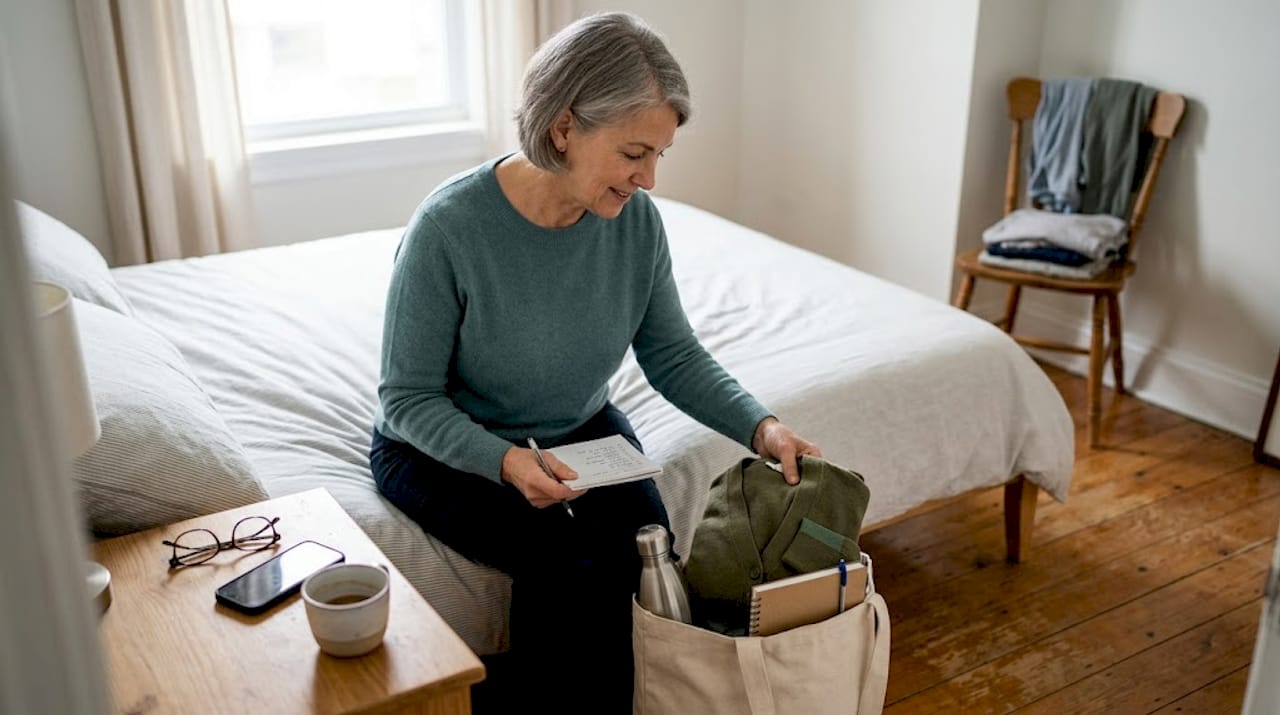
Item | Details |
Comfortable clothing | Loose, non-restrictive clothes; you remain fully clothed |
Health history form | Completed before or at your appointment |
List of current medications | Helps the therapist tailor the session safely |
Insurance card | We accept Medicare, Aetna, Cigna, Emblem, and United Healthcare |
Key questions | Prepared in advance to guide your consultation |
Before your session, a few simple steps can help you arrive in the best possible state:
Stay hydrated throughout the day. Proper hydration supports tissue mobility and helps your body respond to gentle manual therapy.
Eat a light meal one to two hours before your session. A heavy meal can make lying still uncomfortable.
Get a good night’s sleep before your appointment. Fatigue can make it harder to relax and notice subtle shifts during the session.
Limit caffeine on the day of your visit if possible. High caffeine intake can increase tension and make it harder to settle into the quiet, receptive state that CST works best in.
Arrive a few minutes early to complete any paperwork and decompress before the session begins.
One thing many people don’t realize is that there are different styles of CST. The two most common are Upledger and Biodynamic. Upledger CST is biomechanical, meaning the therapist actively assesses and corrects restrictions in the craniosacral system. Biodynamic CST takes a different approach, focusing on deeper listening to the body’s inherent rhythms and allowing the system to self-correct. Both can integrate somatoemotional release, which is the process of releasing emotional tension stored in the body’s tissues. When preparing for craniosacral therapy, it’s worth asking your provider which approach they use and why.
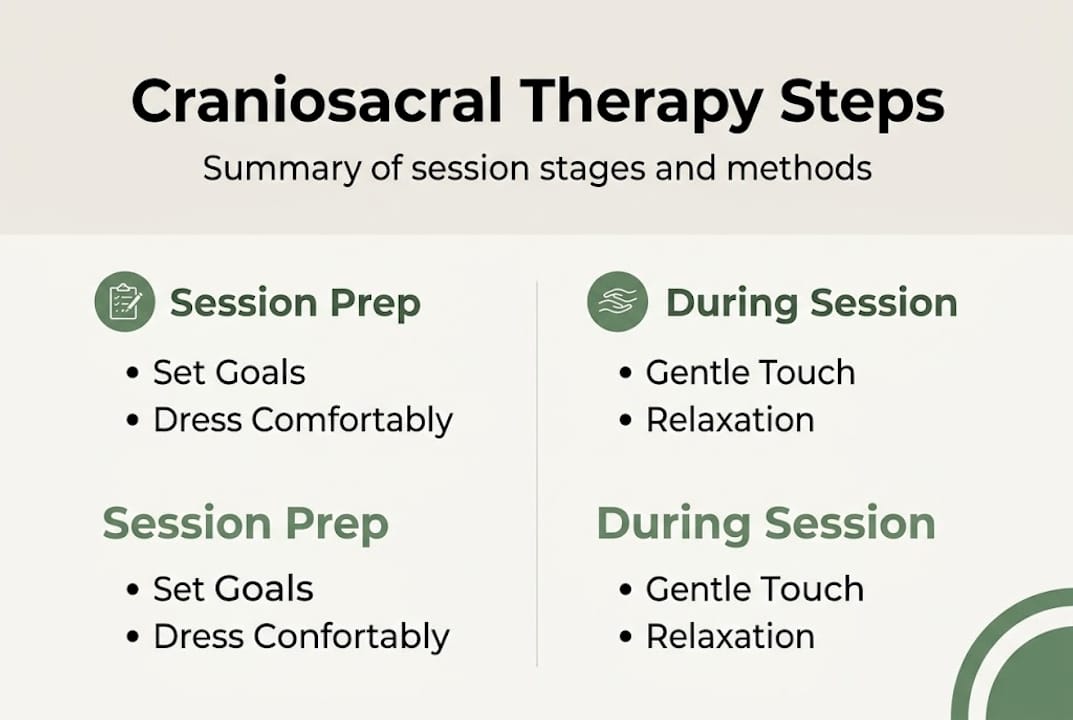
Pro Tip: Before your session, write down three specific goals. For example: “I want to reduce the frequency of my tension headaches,” “I want to feel less stressed at the end of the day,” or “I want to improve my neck mobility.” Sharing these with your therapist at the start of the session allows them to focus their techniques where they matter most to you.
Being honest about your health history is equally important. If you’ve had recent surgeries, injuries, or significant life stressors, let your therapist know. The more context they have, the more they can tailor the session to your actual needs.
The step-by-step craniosacral therapy process
With your preparation complete, it’s time to walk through the heart of craniosacral therapy, the session itself.
Understanding what to expect in CST removes the uncertainty and helps you relax more fully, which actually improves your results. Here’s how a typical session unfolds:
Introduction and consultation. Your therapist reviews your health history, discusses your goals, and explains what they’ll be doing. This is your chance to ask questions and voice any concerns.
Settling in. You lie fully clothed on a comfortable treatment table, usually on your back. The room is quiet and calm. Your therapist may ask you to take a few slow, deep breaths to help your nervous system shift into a more relaxed state.
Initial assessment. The therapist places their hands lightly on your feet, ankles, or the base of your skull to feel the craniosacral rhythm, the subtle movement of cerebrospinal fluid. This assessment helps them identify areas of restriction or imbalance.
Technique application. Using gentle, sustained pressure, the therapist works on specific areas, which may include your head, neck, spine, sacrum, and sometimes your limbs. Each hold lasts several minutes, allowing tissues to soften and release naturally.
Somatoemotional check-in. Some people experience emotional releases during this phase, such as a sudden sense of calm, a brief feeling of sadness, or warmth spreading through the body. This is normal and part of the process.
Wrap-up and aftercare advice. Your therapist ends the session gradually, giving your nervous system time to integrate the changes. They’ll share observations and recommend next steps, including how many sessions might be helpful.
Here’s a quick comparison of what you might experience depending on the style your therapist uses:
Feature | Upledger CST | Biodynamic CST |
Primary focus | Correcting mechanical restrictions | Listening to inherent body rhythms |
Touch style | Specific, directed holds | Soft, receptive contact |
Session feel | Structured, targeted | Deeply still, meditative |
Best for | Pain, structural issues | Stress, nervous system regulation |
Research supports the stress-reducing effects of CST beyond just relaxation. An oxytocin increase post-CST was documented in an RCT involving firefighters over five weeks, suggesting real physiological changes in the body’s stress response. Oxytocin is often called the “bonding hormone,” and higher levels are associated with reduced anxiety and better pain tolerance.
Pro Tip: During the session, if something feels uncomfortable or you want the therapist to adjust their touch, say so immediately. Honest feedback in real time helps the therapist refine their approach and makes the session more effective for you.
You can also explore the broader benefits of craniosacral therapy to understand how each technique connects to specific outcomes.
After the session: Tracking results and next steps
Completing your session is just the beginning. Let’s focus on how to track progress and make the most of your therapy.
The hours and days after a session are just as important as the session itself. Your body continues to integrate the changes, and paying attention to how you feel helps you and your therapist make smarter decisions about your care. Here are the key signs of progress to watch for:
Reduced pain intensity or frequency, especially in the head, neck, or back
Lower baseline stress levels, such as feeling calmer at work or at home
Improved sleep quality, including falling asleep faster or waking up less often
Greater mobility, particularly in the neck and shoulders
Improved mood and a general sense of ease in daily activities
Fewer headaches or shorter duration when they do occur
It helps to keep a simple journal. Rate your pain on a scale of 1 to 10 each morning, note your sleep quality, and jot down any moments of stress or calm. After three to four sessions, patterns become clear. This information is invaluable when you check in with your therapist to adjust your care plan.
Pain reduction in RCTs is documented across multiple studies, though meta-analyses note moderate quality evidence and call for larger trials. What this means practically is that CST shows real promise, especially as a complementary approach for stress and chronic pain, but individual results vary. Some people feel significant relief after one or two sessions. Others need a longer series before noticing consistent change.
“Tracking your own results is one of the most powerful things you can do to maximize the benefits of craniosacral therapy. It turns a passive treatment into an active partnership with your therapist.”
If you’re not seeing progress after four to six sessions, that’s a signal to reassess. Your therapist might recommend combining CST with other approaches. For example, pairing CST with CST for pain relief strategies from physical therapy often produces better outcomes than either approach alone. If you’re also dealing with structural issues like disc problems or muscle imbalances, a neck and back pain guide can help you understand how to layer treatments effectively.
The bottom line is that CST is a process, not a one-time fix. Consistency, honest communication with your therapist, and active tracking of your results are what separate people who get lasting relief from those who don’t.
The truth about craniosacral therapy: What most guides won’t tell you
After tracking your own results, it’s important to reflect on the bigger picture and what you should really expect from craniosacral therapy.
Most articles about CST either oversell it as a cure-all or dismiss it entirely because the research isn’t perfect. Neither view is accurate or helpful. The honest reality is that CST works very well for some people and only modestly for others, and that difference often comes down to the individual’s condition, their therapist’s skill, and how CST is integrated into a broader care plan.
We’ve seen patients in Albertson and across Nassau County experience profound relief from chronic headaches and stress-related tension after just a few sessions. We’ve also seen cases where CST alone wasn’t enough and needed to be combined with targeted physical therapy exercises. There’s no shame in that. The real value of CST lies in its ability to address the nervous system and soft tissue in a way that exercise and manual therapy alone sometimes can’t reach.
What we always tell our patients is this: don’t choose CST instead of physical therapy. Choose it alongside. The combination is where the real results happen. If you’re looking to reduce stress naturally and manage pain without relying solely on medication, CST is a genuinely valuable tool. Just make sure you’re working with a provider who understands both the science and the limits of what they’re offering.
Ready to experience craniosacral therapy near you?
If you’re curious to experience what a step-by-step craniosacral process can do for you, your next move is easy.
At our boutique clinic in Albertson, NY, we specialize in combining craniosacral therapy in Albertson with evidence-based physical therapy to give you the most complete care possible. We serve patients across Queens and Nassau County, and we accept Medicare, Aetna, Cigna, Emblem, and United Healthcare plans, so getting started is more accessible than you might think.
Whether your goal is pain relief, stress reduction, or simply better daily function, our team is ready to build a plan that fits your life. Take a moment to see all therapies we offer, or visit our main clinic page to learn more and schedule your first session. You don’t have to keep managing pain on your own.
Frequently asked questions
How quickly can I feel results from craniosacral therapy?
Some people notice relaxation or mild pain relief immediately after their first session, but most experience consistent benefits after a few visits. Headache frequency and intensity show measurable reductions in clinical trials, suggesting cumulative sessions build on each other.
Is craniosacral therapy safe for everyone?
CST is gentle and generally very safe for most people, but you should consult your provider if you have recent skull fractures, active bleeding, or certain neurological conditions. Some reviews note the need for more rigorous safety data, but adverse events in published studies are rare.
Can craniosacral therapy help with stress as well as pain?
Yes. An oxytocin increase post-CST was documented in an RCT, pointing to real physiological stress reduction, not just a placebo relaxation response. Many patients report feeling calmer and sleeping better after regular sessions.
What’s the difference between Upledger and Biodynamic craniosacral techniques?
Upledger CST is biomechanical and uses specific, directed holds to correct restrictions, while Biodynamic CST focuses on deep listening to the body’s natural rhythms and allowing self-correction. Your therapist can explain which approach suits your needs best.
How do I know if craniosacral therapy is working for me?
Track changes in your pain levels, sleep quality, stress, and mobility after each session. Pain reduction in RCTs shows measurable outcomes are possible, and regular check-ins with your therapist help you interpret your personal progress accurately.
Recommended
What Is Craniosacral Therapy - And Why More People Are Turning to It for Lasting Relief
How Physical & Craniosacral Therapy Helps Relieve Chronic Pain
Craniosacral Therapy in Albertson, NY | Natural Pain Relief on Long Island
What Do Craniosacral Therapists Actually Do - And Could This Treatment Help You?
Comments