
The Role of PT for Older Adults: A 2026 Guide
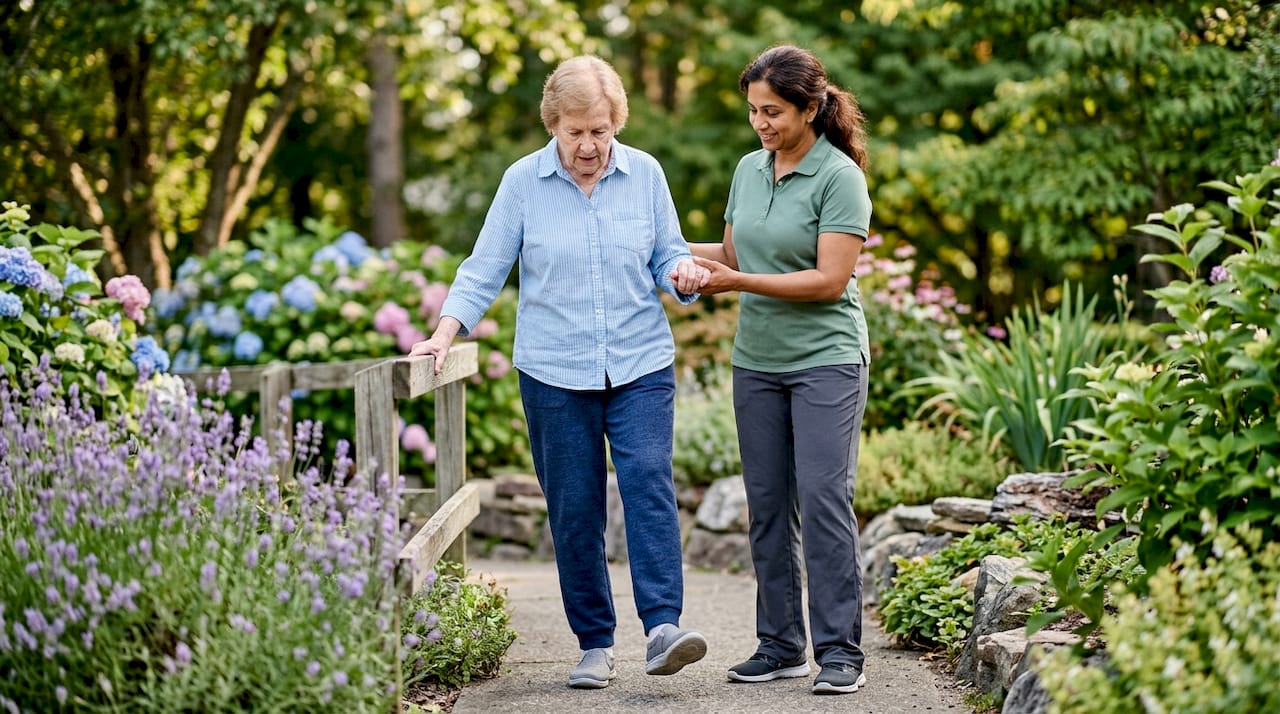
Physical therapy is defined as a clinical discipline that restores and maintains movement, strength, and function through targeted exercise and hands-on care. The role of PT for older adults goes far beyond rehabilitation after injury. It is a proactive tool for preserving independence, reducing fall risk, and managing chronic pain at every stage of aging. The American Physical Therapy Association (APTA) endorses geriatric physical therapy as a cornerstone of healthy aging, and recent 2026 evidence confirms that structured PT programs produce measurable improvements in physical health, psychological well-being, and social function.
What does physical therapy for older adults actually involve?
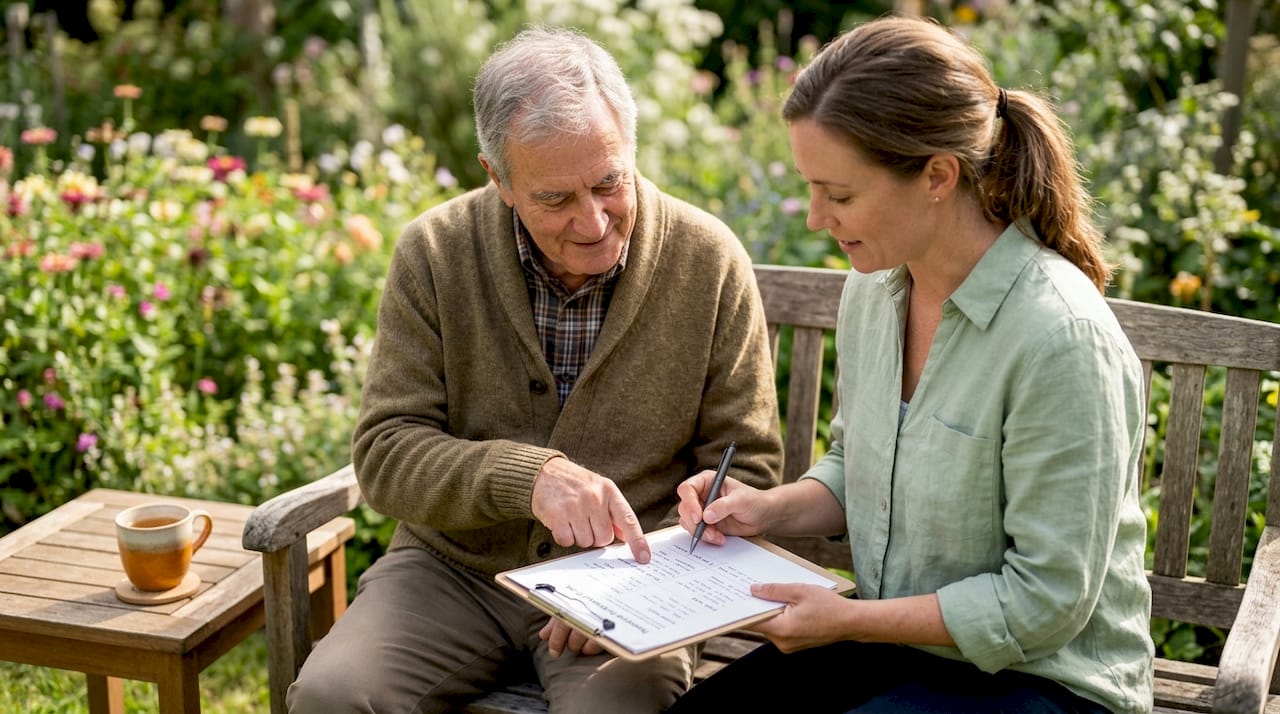
Geriatric physical therapy begins with a thorough evaluation. A licensed therapist assesses your strength, balance, flexibility, gait, and pain levels before recommending any treatment. That first session is also a diagnostic conversation. Your therapist reviews medications, medical imaging, and your daily activity goals to build a plan that fits your real life, not a generic template.
From that evaluation, the therapist creates a personalized treatment plan. The plan targets your specific conditions, whether that is osteoarthritis, post-surgical recovery, dizziness, or general deconditioning. No two plans look the same because no two patients age the same way.
A typical senior PT program draws from several evidence-based techniques:
Strength training: Resistance exercises rebuild muscle mass lost through aging, supporting joints and reducing injury risk.
Balance exercises: Targeted drills train the body’s stabilizing systems, directly lowering the chance of a fall.
Flexibility and range-of-motion work: Stretching and joint mobilization reduce stiffness and improve ease of movement.
Manual therapy: Hands-on techniques, including soft tissue massage and joint mobilization, reduce pain and restore mobility.
Functional training: Practicing real tasks like rising from a chair or climbing stairs builds confidence for daily life.
Goal setting is woven into every step. Therapists align treatment milestones with what matters most to you, whether that is walking to the mailbox, playing with grandchildren, or returning to a favorite activity.
Pro Tip: Bring a written list of your medications, any recent imaging results, and three specific daily activities you want to improve. That information helps your therapist build a more targeted plan from day one.
How does PT help seniors with mobility, balance, and fall prevention?
Falls are the leading cause of injury-related hospitalization among older adults, and physical therapy directly addresses that risk. Targeted progressive balance training prescribed by physical therapists reduces fall rates in older adults by up to 23%. That number represents real people staying on their feet and out of emergency rooms.
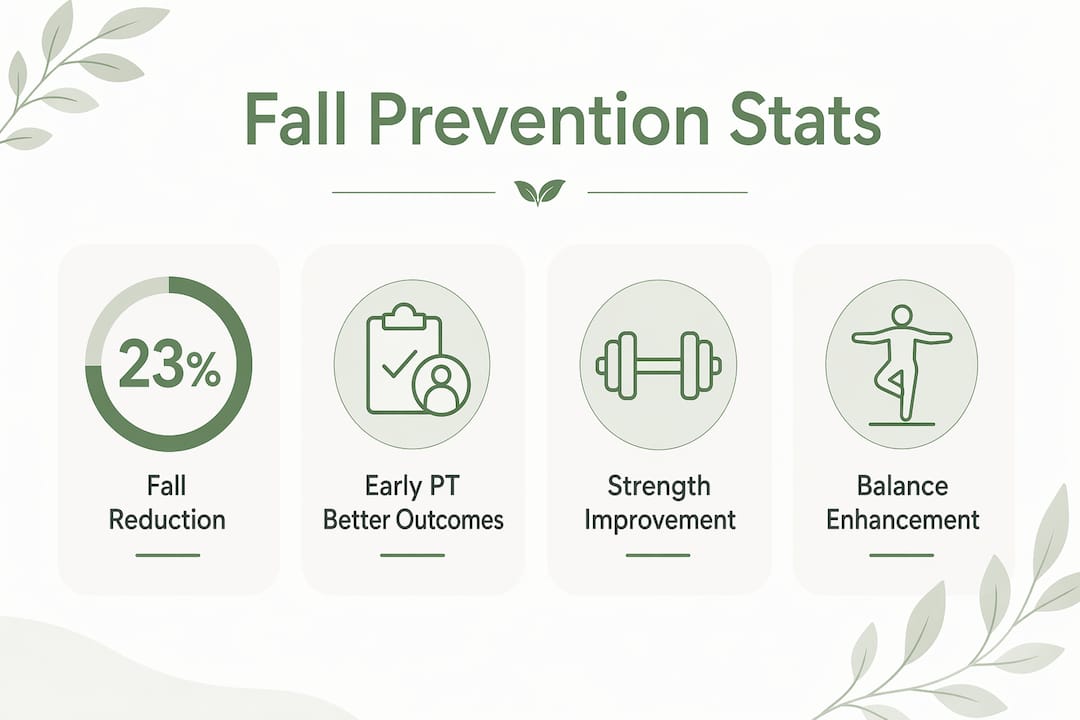
Early intervention matters even more when dizziness is involved. Patients who receive professional physical therapy within three months of a dizziness diagnosis have an 86% lower risk of falls up to 12 months later. Dizziness is often dismissed as a minor complaint, but untreated vestibular problems are a major driver of falls in older adults.
Beyond fall prevention, PT restores the quality of movement that makes daily life manageable. Strength and flexibility exercises improve the mechanics of walking, turning, and reaching. Patients who complete structured programs report greater confidence moving through their homes and communities, which itself reduces fall risk because hesitation and compensatory movements often cause accidents.
The table below summarizes key mobility and safety outcomes from PT interventions:
Outcome | Evidence |
Fall rate reduction | Up to 23% with progressive balance training |
Fall risk after dizziness PT | 86% lower risk when PT starts within 3 months of diagnosis |
Quality-of-life improvement | Physical health scores increased by 6.2 points in a 12-week program |
Functional independence | Consistent improvement across seniors with varying cognitive status |
Exercise interventions led by physical therapists improve functional independence, balance, and muscle strength even in older adults with cognitive or functional impairments. That finding matters because it means PT works for a wide range of patients, not just those who are already relatively healthy.
For caregivers in Queens and Nassau County, connecting a loved one with balance and fall prevention exercises early can prevent the kind of injury that changes everything.
Managing chronic pain and recovery through physical therapy in elder care
Chronic pain is one of the most common reasons older adults limit their activity, and limiting activity accelerates physical decline. Physical therapy breaks that pattern by treating the source of pain rather than masking it. Strengthening the muscles around a painful joint reduces the load on that joint, which directly decreases discomfort over time.
PT also supports recovery after major medical events. After joint replacement surgery, a stroke, or a neurological diagnosis like Parkinson’s disease, structured rehabilitation restores function that might otherwise be permanently lost. Therapists use a combination of therapeutic modalities and hands-on techniques to reduce stiffness, improve circulation, and rebuild neuromuscular control.
Key areas where PT manages pain and supports recovery include:
Arthritis: Gentle strengthening and range-of-motion exercises reduce joint pain without stressing inflamed tissue.
Post-surgical recovery: Guided rehabilitation after hip or knee replacement restores strength and mobility faster than rest alone.
Neurological conditions: PT addresses gait, coordination, and balance deficits caused by stroke or Parkinson’s disease.
Spinal pain: Core strengthening and postural correction reduce pressure on the spine, easing back and neck pain.
Preventive care is equally important. Many older adults avoid surgery when PT addresses the underlying weakness or movement dysfunction causing their pain. A therapist can identify mechanical problems early and correct them before they require more invasive treatment.
Pro Tip: If you are managing arthritis or post-surgical recovery, ask your therapist specifically about aquatic therapy. Water reduces joint load while allowing full range-of-motion exercise, making it one of the most effective options for painful conditions.
Physical therapists also make environmental adaptations that keep seniors safe and independent at home as muscle mass and bone density decline with age. That might mean recommending grab bars, adjusting furniture height, or teaching safer movement patterns for everyday tasks.
What stops seniors from starting PT, and how do you get past it?
Fear is the most common barrier. Many older adults worry that exercise will cause pain or injury, especially if they are already dealing with a painful condition. That fear is understandable, but it leads to a well-documented problem. Physical therapy helps break the cycle of inactivity where fear of pain or falling causes decreased activity, which worsens physical decline, which increases fear further.
Skilled therapists use incremental progression to address that anxiety directly. Sessions start at a level that feels safe and manageable, then build gradually as strength and confidence grow. Pain is never the goal. If something hurts, the therapist adjusts.
The second major barrier is timing. Many older adults wait until after a fall or a serious injury to seek help. Starting PT proactively, before severe mobility loss occurs, produces better outcomes than reactive treatment after a crisis. Early PT is simply more effective.
Here is how to prepare for a first appointment and reduce the anxiety around it:
Write down your health history. Include diagnoses, surgeries, and any medications you take regularly.
List your goals. Think about what activities you want to return to or protect. Specific goals help your therapist design a more useful plan.
Bring imaging if you have it. X-rays or MRI results give the therapist a clearer picture of your condition.
Ask questions freely. A good therapist welcomes questions about why each exercise is included and what it is meant to accomplish.
Expect a conversation, not just exercise. The first session is largely an evaluation. You will not be pushed to your limits on day one.
Caregivers play an important supporting role here. Encouraging a loved one to attend appointments and helping with transportation removes practical obstacles. The therapist leads the clinical progression. Your job as a caregiver is to provide encouragement and logistical support, not to coach the exercises at home.
Key Takeaways
Physical therapy is the most evidence-backed, non-surgical tool available to older adults for preserving mobility, preventing falls, and managing chronic pain.
Point | Details |
Early PT prevents falls | Starting therapy before injury or severe decline produces the best outcomes. |
Balance training works | Progressive balance exercises reduce fall rates by up to 23% in older adults. |
Pain management without surgery | PT strengthens muscles around painful joints, reducing discomfort and avoiding invasive procedures. |
Personalized plans matter | Every treatment plan is built around your specific conditions, goals, and daily activities. |
Caregivers support, therapists lead | Caregivers provide encouragement; clinical progression is the therapist’s responsibility. |
What I have seen PT do for older adults that most people underestimate
Working in physical therapy, the most striking thing I observe is not the clinical outcomes. It is the shift in confidence. Patients arrive cautious, sometimes frightened, and within a few weeks they move differently. Not just physically, but mentally. They stop bracing for a fall with every step. That change in how a person carries themselves is hard to measure, but it is real and it matters.
The piece of advice I give caregivers most often is this: do not wait for a fall to make the call. The patients who come in proactively, before a crisis, almost always do better than those who come in after one. A fall changes the psychology of movement in ways that take much longer to undo than the physical injury itself.
I also think the medical system undervalues what a 12-week structured program can accomplish. A well-designed PT program improved quality-of-life scores across physical, psychological, and social domains with strong statistical significance. That is not a minor benefit. That is a meaningful change in how a person experiences their daily life.
For older adults in Nassau County and Queens, the access question is real. Clinics that accept Medicare and major insurance plans remove one of the biggest practical barriers. If cost or coverage has been holding you back, it is worth checking what your plan covers before assuming PT is out of reach.
— Tj
Physical therapy at Contemporaryrehabservices: built for older adults
Contemporaryrehabservices is a boutique physical therapy clinic in Albertson, NY, serving older adults across Queens and Nassau County. The clinic accepts Medicare, Aetna, Cigna, Emblem, and United Healthcare plans, which means most seniors can access care without significant out-of-pocket cost.
Every patient at Contemporaryrehabservices receives a thorough initial evaluation and a treatment plan built around their specific conditions and goals. The clinical team specializes in geriatric physical therapy, including balance training, post-surgical rehabilitation, chronic pain management, and fall prevention. You can review the full range of therapy services offered and find the program that fits your needs. If you are local to the Herricks area, location-specific PT care is also available. Call to schedule an evaluation and take the first concrete step toward stronger, safer movement.
FAQ
What is the role of PT for older adults?
Physical therapy helps older adults maintain mobility, manage chronic pain, prevent falls, and recover from surgery or illness. It uses targeted exercise, manual therapy, and personalized plans to support independence at every stage of aging.
Why is PT for seniors important before a fall or injury?
Starting PT proactively produces better outcomes than waiting for a crisis. Early intervention addresses weakness and balance problems before they lead to injury.
How does PT reduce fall risk in older adults?
Progressive balance training prescribed by a physical therapist reduces fall rates by up to 23%. Patients treated for dizziness within three months of diagnosis have an 86% lower fall risk over the following year.
Does Medicare cover physical therapy for seniors?
Medicare covers physical therapy when it is medically necessary and provided by a licensed therapist. Contemporaryrehabservices accepts Medicare along with Aetna, Cigna, Emblem, and United Healthcare plans.
How long does it take to see results from geriatric physical therapy?
A 12-week PT program produces statistically significant improvements in physical health, psychological well-being, and social function. Many patients notice meaningful changes in strength and confidence within the first four to six weeks.
Recommended
Comments