
12–40 Min Home Program for Vertigo Physical Therapy Patients

Yes, physical therapy can diagnose and often resolve the most common causes of vertigo. Canalith repositioning maneuvers relieve symptoms for about 80% of people with BPPV after just one or two treatments, according to Mayo Clinic. Vestibular rehabilitation exercises also improve balance and reduce dizziness in people with vestibular hypofunction. We cover the assessments, treatments, and timelines below so you know what to expect.
TL;DR:
Canalith repositioning maneuvers like the Epley help 80% of BPPV patients after one or two treatments, with faster relief than exercises alone.
Diagnosis relies on bedside tests such as the Dix-Hallpike and head impulse test, with some cases requiring specialized equipment for confirmation.
Vestibular rehabilitation exercises improve balance and gait, typically taking four to six weeks for unilateral hypofunction and longer for bilateral cases.
Home exercise programs should be performed consistently for 12 to 40 minutes daily, with safety precautions like standing near support during balance tasks.
Table of Contents
What vertigo actually is and what causes it
Vertigo is the false sensation that you or your surroundings are spinning, tilting, or moving. It differs from general dizziness, lightheadedness, or unsteadiness, and that distinction guides how we evaluate you. Vertigo triggered by rolling over in bed or looking up tends to point toward a different problem than vertigo that lingers constantly for days.
Several conditions bring patients to physical therapy for dizziness:
BPPV (benign paroxysmal positional vertigo): calcium crystals dislodge in the inner ear and trigger brief, position-related spinning.
Vestibular neuritis or labyrinthitis: inner ear inflammation, often after a viral illness, causes sudden, intense, continuous vertigo.
Unilateral or bilateral vestibular hypofunction: reduced inner ear signal on one or both sides leads to imbalance and visual blurring with head movement.
Cervicogenic dizziness: neck dysfunction contributes to a sense of unsteadiness, especially after whiplash or prolonged poor posture.
During your evaluation, we watch for nystagmus (involuntary eye movement), note whether symptoms are positional or constant, and track how long episodes last. Those patterns narrow down the diagnosis before treatment even begins.
How physical therapy relieves vertigo and dizziness
Physical therapy for vertigo relies on two distinct but complementary approaches. The first is mechanical: canalith repositioning maneuvers, like the Epley technique, physically guide displaced inner ear crystals back where they belong. The second is neurological retraining: vestibular rehabilitation exercises retrain the brain to compensate for a damaged or underperforming inner ear through gaze stability drills, habituation exercises, and balance training.

A 2022 clinical practice guideline update found that vestibular rehabilitation is a safe, effective intervention for both unilateral and bilateral peripheral vestibular hypofunction, with documented improvements in gaze and postural stability, according to the updated clinical practice guideline. That same guideline supports specific exercise dosages, which we lean on when building your home program.
For straightforward BPPV, repositioning maneuvers tend to work faster than exercise alone, while a mix of repositioning plus vestibular exercises supports better long-term function, according to a systematic review of vestibular rehabilitation. People with more complex or persistent symptoms, or those who do not improve quickly at home, generally benefit most from supervised clinic visits rather than exercises alone.
What a vertigo treatment session actually involves
Your first few visits typically combine a hands-on maneuver with exercises you will continue at home. Here is what that often looks like:
Canalith repositioning (Epley maneuver): we guide your head through a sequence of positions, holding each for about 30 seconds while watching for nystagmus; most patients may feel brief dizziness or mild nausea, not pain.
Semont or Brandt-Daroff exercises: these are used when Epley is not tolerated well or when a different canal is involved, moving you more quickly between positions to dislodge crystals.
Gaze-stability (VOR) and habituation exercises: you focus on a fixed target while moving your head, retraining your eyes and inner ear to work together.
Balance and gait training: progressively challenging standing and walking tasks rebuild confidence and reduce fall risk.
Mayo Clinic describes the Epley sequence in detail, including the brief positions and possible transient side effects you might feel during the procedure, in its canalith repositioning guidance.
Pro Tip: Bring a driver to your first repositioning session, since brief dizziness afterward is common and driving home right away is not advisable.
How we assess and diagnose the cause of your dizziness
Diagnosis starts with bedside tests, not imaging. We commonly use:
Dix-Hallpike test: you lie back quickly with your head turned, and we watch for the specific eye movements that confirm posterior canal BPPV.
Supine roll test: used when BPPV seems to involve the horizontal canal instead.
Head thrust (head impulse) test: a quick head turn reveals whether your vestibular system is compensating normally.
Nystagmus observation: the direction, duration, and pattern of eye movement often point directly to the underlying cause.
When bedside findings are unclear, we refer out for caloric testing or rotary chair testing to confirm the diagnosis. Coverage for vestibular rehabilitation under Medicare and many insurers depends on documenting these objective findings along with appropriate ICD-10 coding, a process detailed in the CMS Local Coverage Determination for physical therapy.
How long treatment takes and what results to expect
Recovery timelines vary by diagnosis, not by effort alone.
BPPV: most people improve within one to two repositioning visits, consistent with the roughly 80% success rate Mayo Clinic reports; if symptoms persist, we reassess for a different canal involvement or a coexisting issue.
Unilateral vestibular hypofunction: a common plan runs weekly clinic visits paired with a home program for about four to six weeks.
Bilateral hypofunction: recovery is typically slower and may require an extended plan, reflecting the CMS guidance on visit patterns for vestibular rehabilitation.
We track progress with outcome measures like the Dizziness Handicap Inventory and the Dynamic Gait Index. If scores plateau or symptoms worsen, that is our signal to reassess the diagnosis or adjust the approach rather than continue the same exercises indefinitely.
Doing your home exercises safely and consistently
Your home exercise program matters as much as what happens in the clinic, and dosing depends on your diagnosis. Guideline-based ranges run from about 12 minutes a day for acute, single-sided problems up to 20 to 40 minutes daily for chronic or bilateral cases, reflecting the dosing supported in the vestibular rehabilitation guideline.
A few safety habits make a real difference:
Stand near a chair or counter, or have someone nearby, when trying gaze-stability or balance exercises for the first time.
Avoid driving immediately after a repositioning maneuver or an intense balance session, since brief disorientation is common.
Stop immediately and seek medical attention if you notice new weakness, slurred speech, or vision changes during exercise.
Consistency beats intensity here. Short daily video reminders, a simple paper log, or periodic telehealth check-ins with your therapist all help you stick with the plan when symptoms start improving and motivation dips. Our guide on clinic-backed vestibular exercises walks through sample routines in more detail.
Pro Tip: Do your hardest balance exercises earlier in the day when you are less fatigued, since fatigue amplifies dizziness and increases fall risk.

When dizziness is a medical emergency, not a PT visit
Some dizziness symptoms mean you need emergency care, not a physical therapy appointment. Call 9-1-1 immediately if dizziness comes with sudden face drooping, arm weakness, slurred speech, vision loss, or a severe new headache, all recognized stroke warning signs from the CDC. Do not wait for a scheduled appointment. For urgent but non-emergency worsening, call your primary care provider the same day.
Our perspective on evaluating dizziness and vertigo
We start every dizziness evaluation with a full assessment, not a generic exercise sheet. That means positional testing, observation of eye movements, and a conversation about when symptoms started and what triggers them, before any maneuver or exercise is chosen.
From there, treatment moves from targeted maneuvers or vestibular rehabilitation in clinic to a supervised home program, typically 12 to 40 minutes daily depending on your diagnosis. We accept several major insurance plans, which helps keep this kind of structured care accessible for many patients we see.
— CRS Wellness
Starting care for your vertigo or dizziness
Whether you are dealing with sudden spinning episodes or ongoing imbalance, we offer both in-person and telehealth visits built around the same assessment-first approach described above. Insurance coverage through common providers means a formal diagnosis and treatment plan is often within reach without a large out-of-pocket cost.
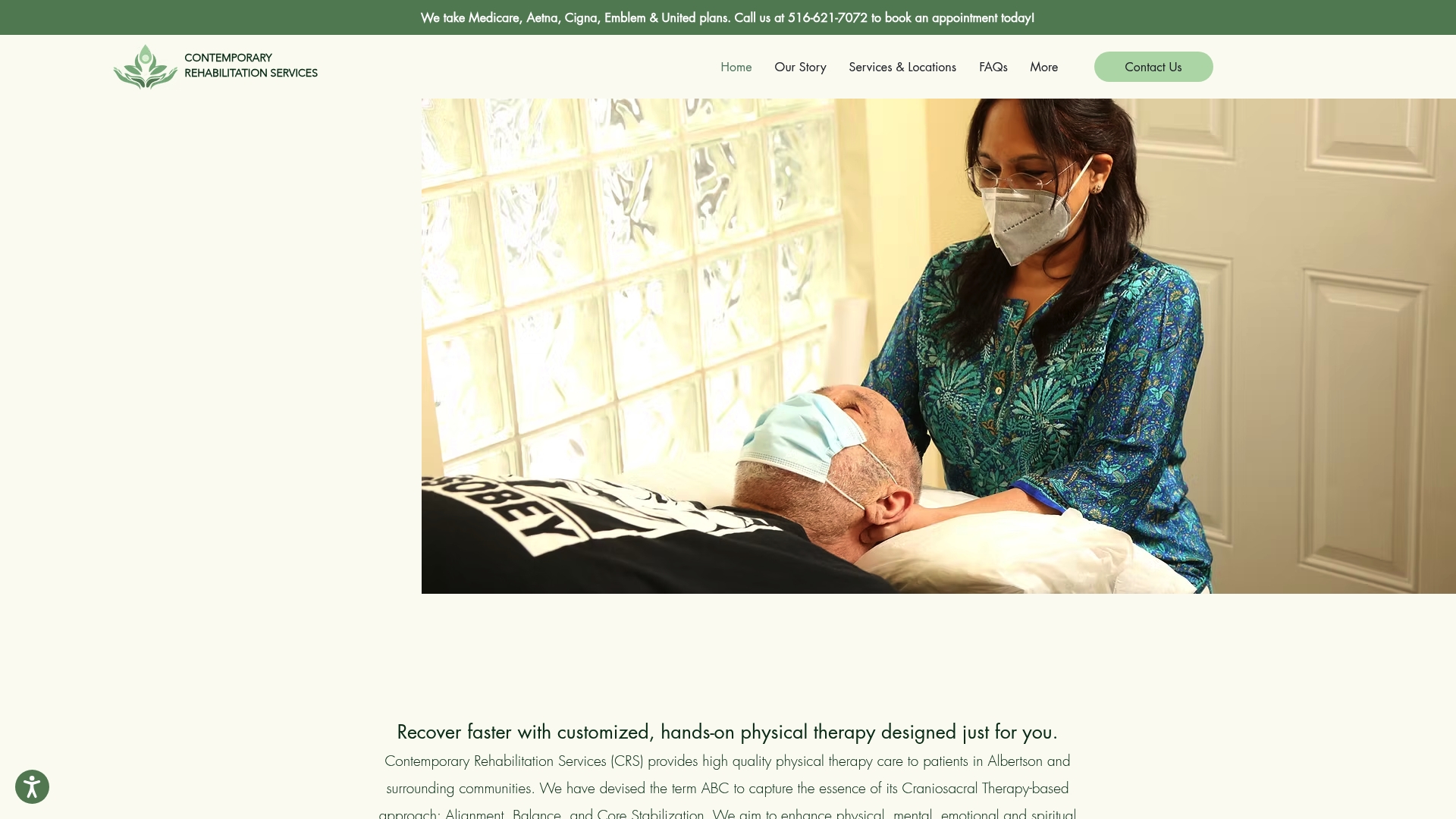
Before your first visit, jot down when your dizziness happens, how long episodes last, and any medications you take. If a physician referral is required under your plan, bring that along too. You can review our physical therapy and telehealth options and request an evaluation to get a clear diagnosis and a plan built around your specific symptoms.
This article is general information, not a substitute for advice from a qualified doctor. Consult a qualified healthcare professional about your own circumstances before acting on anything here.
FAQ
What would a physical therapist do for vertigo?
A physical therapist first identifies the cause through bedside tests like the Dix-Hallpike or head thrust test, then treats accordingly. For BPPV, that usually means a repositioning maneuver; for vestibular hypofunction, it means a program of gaze-stability, habituation, and balance exercises.
What is the PT maneuver for vertigo?
The most common maneuver is the Epley, or canalith repositioning procedure, which moves displaced inner ear crystals back into place through a sequence of head positions. Mayo Clinic reports about 80% symptom relief after one or two treatments for BPPV.
What are the top three causes of vertigo?
The most common causes seen in physical therapy are BPPV, vestibular neuritis or labyrinthitis, and vestibular hypofunction affecting one or both inner ears. Cervicogenic dizziness, related to neck dysfunction, is another contributor that often overlaps with these.
What are the five D’s of vertigo?
Definitions of the “five D’s” vary across clinical sources, but a common version includes dizziness, diplopia, dysarthria, dysphagia, and ataxia, symptoms used to screen for a central nervous system cause rather than an inner ear problem. If any of these appear alongside sudden dizziness, emergency evaluation takes priority over a physical therapy visit, consistent with CDC stroke guidance.
How is vertigo different from general dizziness?
Vertigo is a specific false sensation of spinning or movement, while dizziness is a broader term that can include lightheadedness or unsteadiness without any spinning sensation. The distinction matters clinically because vertigo points more specifically toward inner ear or vestibular nerve involvement.
Sources
Recommended
Comments