
What Is Soft Tissue Mobilization? Your Recovery Guide
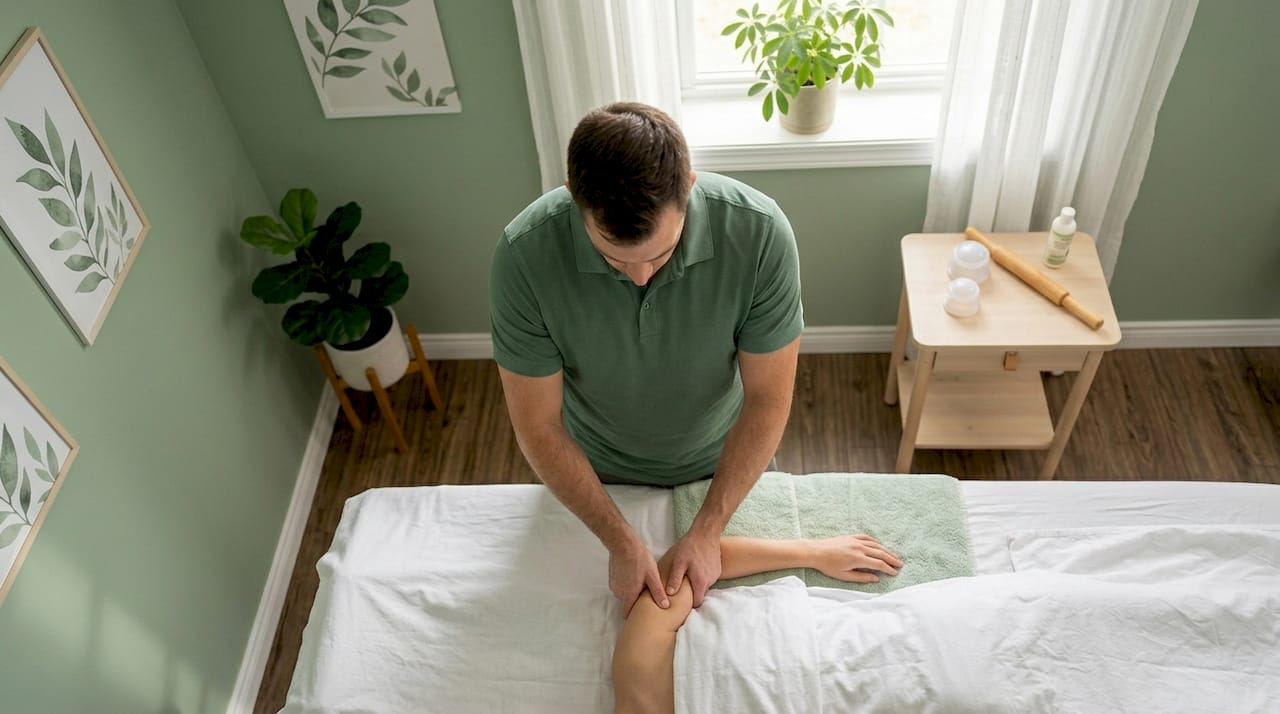
Soft tissue mobilization is a manual therapy technique in which a licensed physical therapist applies targeted pressure, stretching, and manipulation to muscles, tendons, ligaments, and fascia to relieve pain and restore movement. Known clinically as soft tissue therapy or manual soft tissue mobilization, this approach addresses the underlying tissue restrictions that cause stiffness, chronic pain, and limited range of motion after injury or overuse. Therapists use both hands-on methods and specialized instruments to break down adhesions, improve circulation, and promote tissue healing. If you are recovering from a sports injury, managing chronic pain, or dealing with post-surgical stiffness, understanding how this therapy works puts you in a stronger position to get the most from your treatment.
What is soft tissue mobilization and how does it work?
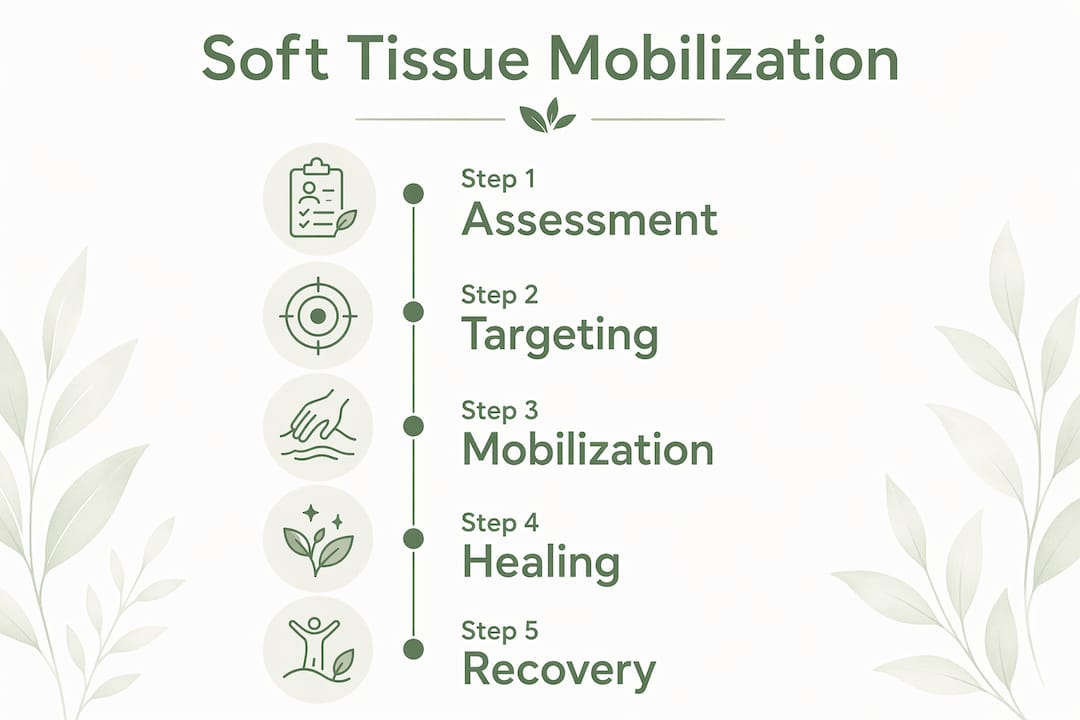
Soft tissue mobilization works by breaking down scar tissue, increasing local blood flow, and promoting remodeling of connective tissues like fascia and tendons to facilitate healing and mobility. When muscles or fascia become restricted through injury, overuse, or prolonged immobility, they develop adhesions. These adhesions are essentially areas where tissue layers stick together instead of gliding freely. A therapist applies deliberate pressure and movement to those areas, restoring normal tissue mechanics.
The four primary tissue types targeted are muscles, tendons, ligaments, and fascia. Each responds differently to manual input. Muscles respond quickly to sustained pressure and stretching. Fascia, the connective tissue web surrounding every muscle and organ, requires slower, more sustained techniques to release. Tendons and ligaments are denser and often need instrument-assisted methods to stimulate the remodeling response effectively.
The physiological result is a cascade of healing activity. Increased circulation delivers oxygen and nutrients to damaged tissue. Mechanical stimulation triggers fibroblast activity, which supports collagen remodeling. The nervous system also responds, reducing pain signals and muscle guarding. This combination of mechanical and neurological effects is why manual therapy benefits extend well beyond simple relaxation.
What are the main techniques and tools used?
Soft tissue mobilization encompasses a range of hands-on and instrument-assisted methods. The choice of technique depends on the tissue involved, the stage of healing, and the patient’s tolerance.
Hands-on techniques include:
Sustained pressure: The therapist applies firm, steady pressure to a restricted area to release tension and increase tissue extensibility.
Deep transverse friction: A focused technique applied perpendicular to tissue fibers, commonly used on tendons and ligaments to break adhesions and stimulate healing.
Myofascial release: Slow, sustained stretching of the fascial system to restore mobility across large tissue regions.
Active release: The therapist applies pressure while the patient moves through a specific range of motion, combining manual input with active muscle engagement.
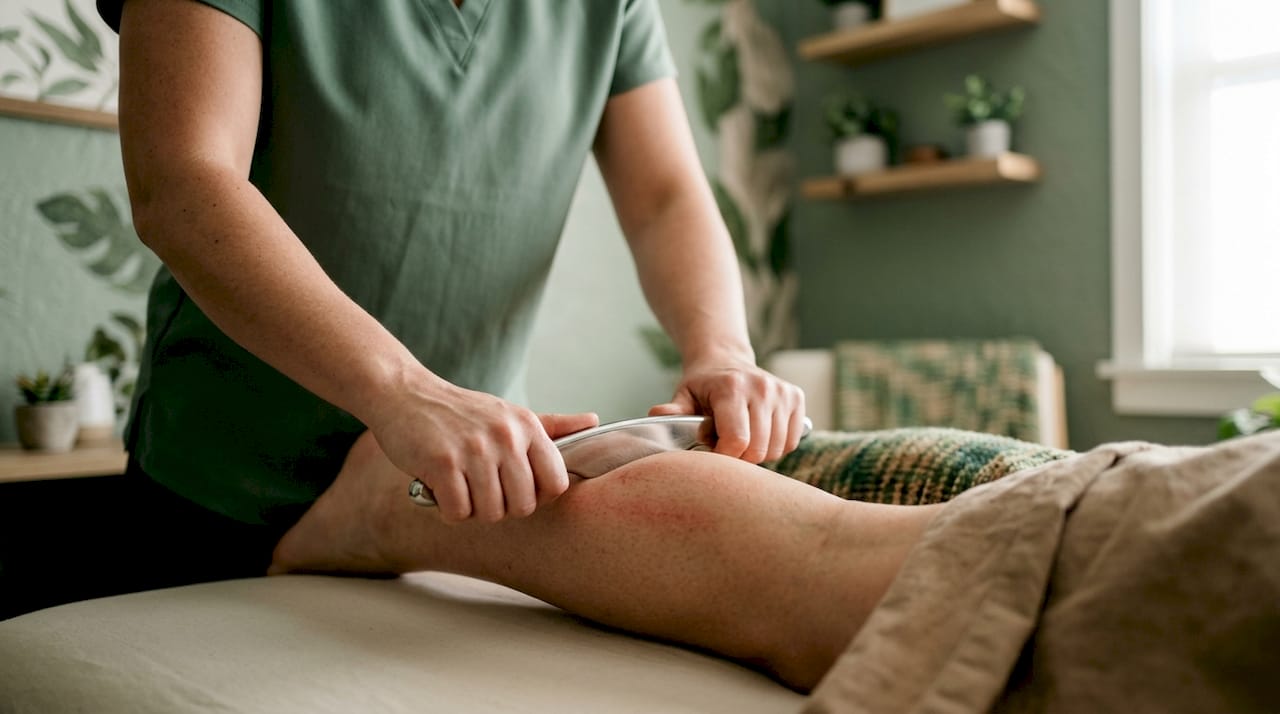
Instrument-assisted soft tissue mobilization (IASTM) uses specially designed metal or plastic tools to detect and treat areas of tissue restriction. The Graston Technique® is the most widely recognized IASTM system and uses stainless steel instruments of varying shapes to address different body regions. Tools amplify the therapist’s ability to locate adhesions and apply precise mechanical force, particularly in areas that are difficult to treat with hands alone, such as the Achilles tendon or plantar fascia.
The key physiological difference between the two approaches is depth and precision. Hands-on techniques offer broader tissue coverage and are highly adaptable in real time. IASTM delivers more concentrated mechanical input, which research suggests is particularly effective for stimulating tissue remodeling in chronic conditions.
Pro Tip: Ask your therapist which technique they plan to use and why. Understanding the rationale helps you engage more actively in your recovery and communicate feedback that improves treatment accuracy.
Is soft tissue mobilization effective? What the research says
The evidence for soft tissue mobilization is strong in specific areas and more nuanced in others. A 2026 systematic review and meta-analysis of 20 randomized controlled trials found that IASTM significantly reduces pain in adults with musculoskeletal disorders, with a standardized mean difference of negative 0.84 (p less than 0.0001). That effect size is clinically meaningful. It places IASTM in the same tier as other well-supported manual therapy interventions for pain relief.
Range of motion improvements were equally significant. The same meta-analysis reported a range of motion SMD of 0.80 (p less than 0.0001), meaning patients consistently moved better after treatment. For anyone dealing with post-injury stiffness or restricted movement, that is a concrete, measurable outcome.
Functional improvements tell a more complicated story. Functional outcome effects were smaller, with an SMD of negative 0.48 (p=0.03), and results varied considerably across studies. This variability likely reflects differences in outcome measures, patient populations, and treatment protocols rather than a fundamental limitation of the therapy itself. Researchers note the need for standardized protocols to produce more consistent functional data.
“IASTM combined with conventional rehabilitation results in more stable and consistent pain relief than IASTM alone, with heterogeneity dropping from 85% to 22% when combined approaches are used.” — 2026 meta-analysis on IASTM
That finding carries a direct practical message: soft tissue mobilization works best as part of a broader physical therapy rehabilitation plan, not as a standalone treatment. When paired with exercise, joint mobilization, or neuromuscular training, the results are more consistent and durable.
Outcome | Effect Size (SMD) | Clinical Meaning |
Pain reduction | −0.84 | Large, clinically significant improvement |
Range of motion | 0.80 | Consistent, meaningful mobility gains |
Functional improvement | −0.48 | Moderate, variable across patient groups |
Combined therapy stability | I² = 22% vs 85% | Far more consistent when paired with rehab |
How does soft tissue mobilization compare with massage and joint mobilization?
These three therapies overlap in some ways but serve distinct clinical purposes. Understanding the differences helps you ask better questions and set realistic expectations.
Soft tissue mobilization differs from general massage in its clinical intent. General massage targets relaxation, circulation, and broad muscle tension relief. Soft tissue mobilization is a targeted clinical intervention performed by a licensed therapist to break adhesions, address scar tissue, and restore tissue mobility in the context of a specific injury or dysfunction. The techniques are more precise, the pressure is often deeper, and the goal is structural change rather than temporary relief.
Joint mobilization, by contrast, focuses on the joint capsule and surrounding structures rather than the muscle and fascial tissue. A therapist applies graded oscillatory or sustained movements to a joint to restore its normal glide and range of motion. It does not directly address muscle adhesions or fascial restrictions.
Therapy | Primary Target | Main Goal | Best Used For |
Soft tissue mobilization | Muscles, fascia, tendons, ligaments | Break adhesions, restore tissue mobility | Scar tissue, overuse injuries, post-surgical stiffness |
General massage | Broad muscle groups | Relaxation, circulation | Stress, general muscle tension |
Joint mobilization | Joint capsule, articular surfaces | Restore joint glide and range of motion | Joint stiffness, arthritis, hypomobility |
Research supports combining STM and joint mobilization for functional gains, particularly in lower limb conditions. Addressing both the soft tissue and the joint simultaneously produces complementary improvements in mobility and pain that neither approach achieves as effectively alone. Many physical therapists at clinics like Contemporaryrehabservices integrate both within a single session for this reason.
What patients need to know about safety and precautions
Soft tissue mobilization is safe for most people when performed by a licensed professional, but specific conditions require caution or make treatment inadvisable. A 2026 Delphi study involving 24 international experts reached consensus on IASTM contraindications, identifying 16 absolute contraindications and 8 conditions that require careful clinical judgment before proceeding.
Absolute contraindications include:
Open wounds or active skin infections at the treatment site
Uncontrolled bleeding disorders or patients on anticoagulant therapy without medical clearance
Active cancer or malignancy in the treatment area
Severe vascular conditions, including deep vein thrombosis
Acute fractures or unstable joints
Severe osteoporosis in the treatment region
Conditions requiring precaution include recent surgical sites, areas with reduced sensation, and patients with inflammatory conditions in an acute flare. Applying IASTM without screening for these conditions increases the risk of adverse effects, including bruising, increased inflammation, or tissue damage.
The practical takeaway is straightforward. Always disclose your full medical history to your therapist before treatment begins. This includes medications, recent surgeries, skin conditions, and any diagnosed vascular or bone health issues. A qualified therapist will screen you thoroughly and modify or defer treatment if any red flags are present.
Pro Tip: If you feel sharp or burning pain during treatment rather than the expected deep pressure sensation, tell your therapist immediately. Discomfort is normal; sharp pain is a signal to stop and reassess.
How to incorporate soft tissue mobilization into your recovery plan
Getting the most from soft tissue therapy requires more than showing up for sessions. Here is how to approach it strategically:
Start with a thorough evaluation. A licensed physical therapist should assess your movement patterns, tissue quality, and pain triggers before selecting techniques. At Contemporaryrehabservices, initial evaluations identify the specific tissues involved and set measurable goals for your recovery.
Combine STM with active rehabilitation. Research consistently shows that pairing STM with exercise produces better outcomes than manual therapy alone. Your therapist should prescribe targeted exercises to reinforce the mobility gains achieved during each session.
Communicate your response after each session. Some soreness in the 24 to 48 hours following treatment is normal. Significant pain or swelling that persists beyond two days warrants a conversation with your therapist to adjust technique or intensity.
Follow through with home care. Hydration, gentle stretching, and avoiding prolonged static postures after treatment support tissue recovery. Your therapist may also recommend specific self-massage tools like foam rollers or massage balls for between-session maintenance.
Track your progress with objective measures. Range of motion, pain scores, and functional tasks like walking distance or stair climbing give you and your therapist concrete data to evaluate whether the current approach is working.
Key takeaways
Soft tissue mobilization delivers its strongest, most consistent results when combined with conventional physical therapy rather than used in isolation.
Point | Details |
Core definition | STM is a targeted manual therapy addressing muscles, fascia, tendons, and ligaments to relieve pain and restore movement. |
Strongest evidence | Research shows large effect sizes for pain reduction and range of motion improvement with IASTM. |
Functional outcomes | Functional improvements are real but more variable, highlighting the value of combined rehabilitation programs. |
Safety screening matters | 16 absolute contraindications exist; always disclose your full medical history before treatment begins. |
Best results come from integration | Pairing STM with exercise and joint mobilization produces more stable, durable outcomes than any single approach. |
Why patient knowledge changes the outcome
I have seen a consistent pattern over years of working with patients in physical therapy: the ones who understand what their therapist is doing and why tend to recover faster. That is not a coincidence. When you know that soft tissue mobilization is targeting a specific adhesion in your calf fascia rather than just “massaging your leg,” you engage differently. You report your sensations more accurately. You follow through on home exercises because you understand the mechanism they support.
The 2026 research on IASTM reinforces something I have believed for a long time. The therapy itself is effective, but the context around it matters enormously. Combining manual techniques with active rehabilitation is not just a clinical best practice. It reflects the reality that passive treatment alone rarely produces lasting change. Your body needs the manual input to restore tissue quality, and it needs the active work to teach your nervous system how to use that restored tissue.
One thing I want patients in Nassau County and Queens to understand is that the safety conversation is not a formality. The expert consensus identifying 16 contraindications for IASTM exists because these risks are real. A good therapist will ask detailed questions before touching you. If yours does not, ask them directly whether they have screened you for contraindications. That question alone tells you a great deal about the quality of care you are receiving.
— Tj
Get expert soft tissue therapy at Contemporaryrehabservices
If you are dealing with persistent pain, limited mobility, or a slow-recovering injury, professional soft tissue mobilization may be the missing piece in your recovery plan. Contemporaryrehabservices offers hands-on soft tissue therapy and IASTM at its Albertson, NY location, serving patients across Nassau County and Queens. The clinic accepts Medicare, Aetna, Cigna, Emblem, and United Healthcare plans, making professional care accessible without financial barriers.
The team at Contemporaryrehabservices builds individualized treatment plans that combine soft tissue techniques with targeted exercise and joint mobilization for lasting results. Whether you are an athlete recovering from a strain or managing chronic back pain, you can explore the full range of available therapy services or book a session at the Searingtown, NY clinic to get started.
FAQ
What is soft tissue mobilization used for?
Soft tissue mobilization treats musculoskeletal conditions including muscle strains, tendon injuries, scar tissue from surgery, chronic back pain, and movement restrictions caused by overuse or trauma. It targets the specific tissues causing dysfunction rather than providing generalized relief.
How does soft tissue mobilization differ from massage?
Soft tissue mobilization is a clinical intervention performed by a licensed therapist to break adhesions and restore tissue mobility in the context of a diagnosed injury. General massage focuses on relaxation and broad circulation improvement rather than structural tissue change.
Is soft tissue mobilization painful?
Most patients experience a deep pressure sensation that can feel intense but should not be sharp or burning. Some soreness in the 24 to 48 hours after treatment is normal and typically resolves quickly as tissue adapts.
How many sessions does soft tissue mobilization take to work?
The number of sessions varies by condition severity and individual response. Many patients notice measurable improvements in pain and range of motion within three to six sessions, particularly when treatment is combined with active rehabilitation exercises.
Who should avoid soft tissue mobilization?
Patients with open wounds, active infections, uncontrolled bleeding disorders, deep vein thrombosis, active cancer in the treatment area, or acute fractures should not receive IASTM or aggressive soft tissue techniques. A licensed therapist will screen for these conditions before treatment begins.
Recommended
Comments